Lead in Drinking Water: Regulations and Standards

Introduction Lead contamination in drinking water remains one of the most important public health and infrastructure issues in modern water management. Although lead is a … Read more
Explore in-depth guides on water contamination, purification methods, treatment systems, testing, microbiology, and global drinking water safety. This hub connects the main topics across PureWaterAtlas.
Use this page as your starting point to navigate the full drinking water library, from high-level guides to detailed articles by topic and location.
Introduction Lead contamination in drinking water remains one of the most important public health and infrastructure issues in modern water management. Although lead is a … Read more
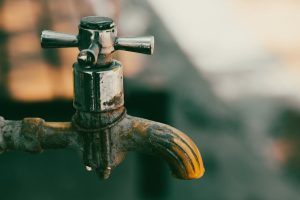
Introduction Lead contamination in tap water remains a serious public health issue because it is often invisible, tasteless, and odorless. Many households assume their water … Read more
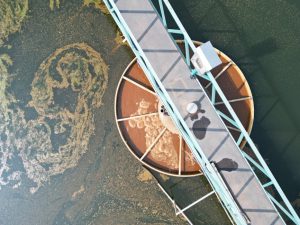
Introduction Advanced oxidation processes, often abbreviated as AOPs, are a group of high-performance treatment technologies designed to break down contaminants that are difficult to remove … Read more

Introduction Advanced oxidation processes, often abbreviated as AOPs, have become an important part of modern water treatment. They are used to break down contaminants that … Read more
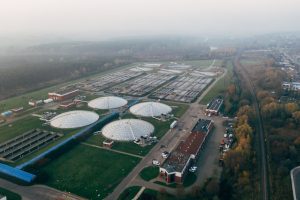
Introduction Advanced oxidation processes, often shortened to AOPs, are a group of water treatment methods designed to break down contaminants through highly reactive chemical species, … Read more
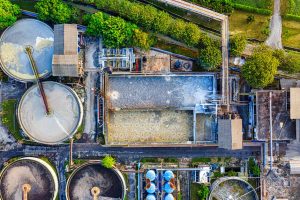
Introduction Advanced oxidation processes, often called AOPs, are powerful water treatment methods designed to break down contaminants that can be difficult to remove with conventional … Read more

Introduction Advanced oxidation processes, often abbreviated as AOPs, have become an increasingly important part of modern water purification. They are used to target contaminants that … Read more

Introduction Advanced oxidation processes, often shortened to AOPs, are a group of water treatment methods designed to break down difficult contaminants by generating highly reactive … Read more
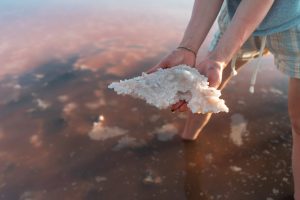
Introduction Water naturally picks up dissolved substances as it moves through soil, rock, pipes, and treatment infrastructure. Among the most common of these substances are … Read more
Introduction Minerals occur naturally in nearly every drinking water source. As water moves through soil, rock, and underground formations, it dissolves small amounts of inorganic … Read more

Introduction Water naturally contains dissolved substances picked up as it moves through soil, rock, pipes, and treatment systems. Among the most common of these substances … Read more
Introduction Water naturally contains dissolved minerals. In many cases, these minerals are harmless or even beneficial at low levels. Calcium, magnesium, potassium, sodium, iron, manganese, … Read more