Introduction
Nitrate contamination in drinking water is a major public health and water quality issue that affects private wells, rural water systems, and large municipal supplies around the world. Because nitrates are highly soluble in water and can move easily through soil into groundwater and surface water, they are among the most common chemical contaminants monitored by water utilities and environmental agencies. Understanding nitrate contamination in drinking water regulations is essential for homeowners, water operators, farmers, public health professionals, and policymakers alike.
Regulations exist because nitrate exposure above established safe levels can create serious health risks, especially for infants, pregnant individuals, and people with certain medical conditions. The challenge is not only identifying contamination, but also interpreting laboratory results, comparing them with legal and health-based standards, and taking appropriate corrective action. In many places, nitrate rules are tied to drinking water law, agricultural management, wastewater controls, and environmental protection frameworks.
This article explains what nitrate contamination is, where it comes from, why it matters, how it is detected, and how it is controlled. It also reviews the most important regulatory concepts, including nitrate contamination in drinking water EPA standards, nitrate contamination in drinking water WHO guidelines, nitrate contamination in drinking water safe limits, and practical issues of nitrate contamination in drinking water compliance. For broader context, readers may also explore water contamination topics, the complete guide to nitrate contamination in drinking water, and related material on water purification.
What It Is
Nitrate is a chemical compound made of nitrogen and oxygen, represented as NO3–. It is a naturally occurring part of the nitrogen cycle and is found in soil, plants, manure, and water. In the environment, nitrate forms when nitrogen from organic matter, fertilizers, or waste is converted by microorganisms into more oxidized forms. Because nitrate dissolves readily in water and does not easily bind to soil, it can move long distances from its source into aquifers, streams, reservoirs, and drinking water supplies.
In water quality discussions, nitrate is often considered alongside nitrite, a related compound represented as NO2–. Nitrite is usually less stable in oxygen-rich environments, but it is especially important from a regulatory and health standpoint because both nitrate and nitrite can interfere with oxygen transport in the blood under certain conditions. Drinking water standards therefore often distinguish between nitrate, nitrite, and combined nitrate-plus-nitrite exposure.
One of the most important practical issues is how nitrate is reported. Laboratory results may be expressed in different ways, such as:
- Nitrate as NO3
- Nitrate-nitrogen, often written as nitrate as N or NO3-N
- Nitrite as NO2
- Nitrite-nitrogen, often written as nitrite as N or NO2-N
This distinction matters because the numbers are not interchangeable. For example, 10 mg/L nitrate-nitrogen is approximately equal to 45 mg/L nitrate as NO3. Misunderstanding the units can lead to serious errors when deciding whether water exceeds regulatory thresholds or health advisory levels.
Nitrate contamination is especially associated with groundwater because groundwater moves slowly and can store contaminants for years or even decades. However, surface water can also contain nitrate, particularly in agricultural watersheds or areas affected by wastewater discharges. Utilities that rely on rivers, lakes, or reservoirs may therefore face seasonal changes in nitrate concentrations linked to rainfall, runoff, and land use patterns.
For readers seeking a broader foundational overview, the complete guide to nitrate contamination in drinking water provides additional background on terminology, pathways, and exposure concerns.
Main Causes or Sources
The main sources of nitrate contamination are usually tied to human activity, although natural background nitrate can also be present. In many regions, contamination reflects the cumulative effects of agriculture, wastewater, land development, and hydrologic conditions over long periods.
Agricultural Fertilizers
Commercial nitrogen fertilizers are among the most significant contributors to nitrate loading in many rural areas. When fertilizer is applied in excess of crop needs, at the wrong time, or immediately before heavy rainfall, nitrogen can leach below the root zone and enter groundwater. It can also run off into streams and reservoirs. Areas with intensive crop production, especially where irrigation is common, often face elevated nitrate concerns.
Animal Manure and Livestock Operations
Animal feeding operations and manure application fields can release large amounts of nitrogen into the environment. Improper manure storage, lagoon leakage, over-application to fields, and storm-driven runoff can all increase nitrate transport. Where manure is repeatedly spread on land, the soil may become saturated with nitrogen, raising the risk of leaching into nearby wells and aquifers.
Septic Systems and Wastewater
Failing or poorly located septic systems can contribute nitrate to shallow groundwater, particularly in areas with sandy soils, high water tables, or dense residential development using onsite wastewater treatment. Municipal wastewater discharges may also affect nitrate levels in receiving waters if treatment processes do not remove nitrogen effectively.
Natural Soil Nitrogen and Organic Matter
Some nitrate enters water through natural decomposition of plant material and soil organic matter. In most cases, natural sources alone do not cause severe contamination, but they can contribute to baseline levels. Under certain geologic and climatic conditions, natural nitrate may be more significant.
Stormwater and Land Use Change
Urbanization and land disturbance can alter drainage patterns and increase pollutant transport. Landscaped areas, golf courses, parks, and suburban lawns may also receive nitrogen fertilizers that contribute to local nitrate loading. Construction can change infiltration behavior, sometimes affecting groundwater vulnerability.
Industrial and Other Specialized Sources
Although less common than agriculture or wastewater, some industrial activities can release nitrogen compounds. Food processing, explosives manufacturing, and certain chemical operations may contribute locally significant nitrate contamination if waste handling is inadequate.
Because sources often overlap, identifying the dominant cause of contamination may require hydrogeologic investigation, land use review, and repeated sampling. Those interested in source pathways in greater depth can review nitrate contamination in drinking water causes and sources.
Health and Safety Implications
The primary health concern historically associated with nitrate in drinking water is methemoglobinemia, sometimes called “blue baby syndrome.” This condition can occur when nitrate is converted to nitrite in the body, and the nitrite interferes with hemoglobin’s ability to carry oxygen. Infants under six months are the most vulnerable group because of their physiology and feeding patterns, especially when formula is prepared with contaminated water.
Symptoms of methemoglobinemia can include:
- Bluish skin coloration, especially around lips and fingertips
- Shortness of breath
- Lethargy or unusual sleepiness
- Irritability
- In severe cases, serious oxygen deprivation
Pregnant individuals and people with certain enzyme deficiencies or blood disorders may also face increased sensitivity. In addition to acute risks, researchers have studied possible long-term associations between nitrate ingestion and thyroid effects, reproductive outcomes, and certain cancers through the formation of N-nitroso compounds under specific conditions. The strength of evidence for these outcomes varies, and regulatory limits have traditionally focused most strongly on protecting against infant methemoglobinemia.
It is important to recognize that the risk depends on multiple factors, not nitrate concentration alone. These factors include the individual’s age, total dietary intake, microbiological conditions, and whether nitrite is also present. Foods can contribute nitrate exposure as well, although vegetables usually come with beneficial nutrients and antioxidants that affect the overall health context differently from contaminated water.
From a safety perspective, private well users are often at greater risk because wells may go untested for years, and contamination is not visible, odor-based, or easy to detect without laboratory analysis. Water can look clear and still contain nitrate above recommended or regulated levels.
More detailed discussion of medical risks and exposure patterns is available at nitrate contamination in drinking water health effects and risks. Readers interested in biological interactions in water systems may also find related resources under water microbiology.
Testing and Detection
Testing is the only reliable way to know whether nitrate is present in drinking water at unsafe levels. Because nitrate has no taste, smell, or color at concentrations relevant to health regulation, routine monitoring is essential.
Laboratory Testing
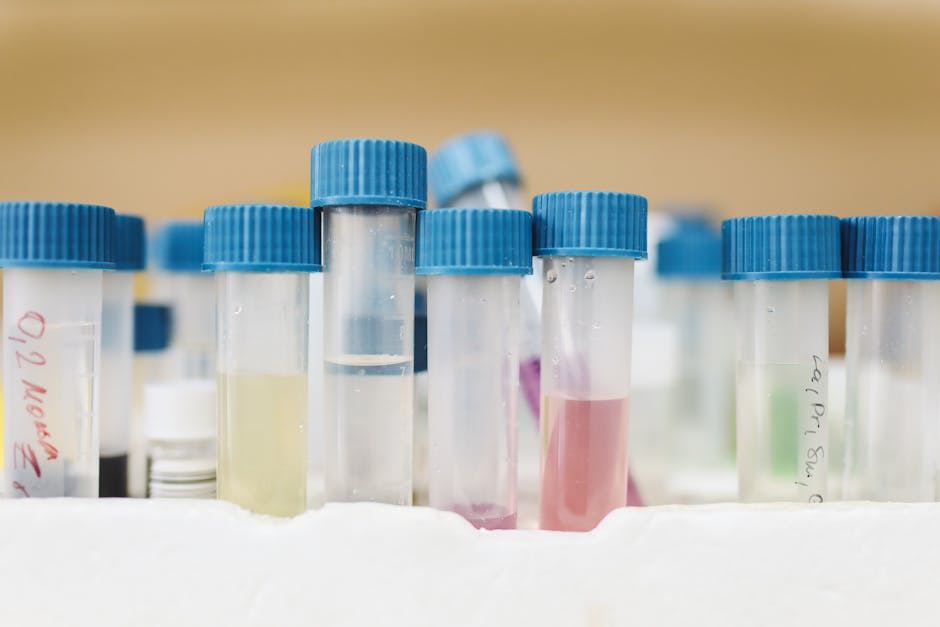
Certified laboratory testing is the preferred approach for compliance decisions and health protection. Public water systems are generally required to monitor nitrate at frequencies established by law, while private well owners should arrange testing through accredited or certified labs according to local recommendations. A test report should clearly identify whether results are expressed as nitrate, nitrate-nitrogen, nitrite, or nitrite-nitrogen.
Field Screening Kits
Rapid test strips and field kits can provide useful screening information, especially for homeowners or agricultural users. However, they may be less precise than laboratory methods and should not be used as the sole basis for critical health or legal decisions if contamination is suspected.
Sampling Considerations
Accurate results depend on proper sampling. Important practices include:
- Using clean containers from the laboratory
- Following preservation and holding-time instructions
- Collecting samples from representative points
- Avoiding contamination during collection
- Recording date, location, and relevant water conditions
Public Water System Monitoring
Utilities monitor nitrate as part of regulated drinking water programs. If results approach or exceed applicable standards, systems may need confirmation sampling, public notification, operational adjustments, treatment changes, or alternative water supply actions. Monitoring frequency can depend on source type, historical results, and jurisdictional rules.
Private Wells
Private wells are often not regulated to the same degree as public systems, which means the responsibility for testing usually falls on the owner. Annual testing is commonly recommended, with additional testing after flooding, nearby land use changes, well repairs, or if infants or pregnant individuals use the water. Wells located near agricultural fields, septic systems, feedlots, or shallow groundwater are especially important to monitor.
Prevention and Treatment
Preventing nitrate contamination is usually more effective and less expensive than removing nitrate after it enters a water supply. Prevention depends on source control, land management, infrastructure maintenance, and water system planning.
Source Prevention
- Applying fertilizer at agronomically appropriate rates and times
- Using nutrient management plans and precision agriculture techniques
- Improving manure storage and handling practices
- Maintaining and properly siting septic systems
- Protecting wellheads from runoff and nearby contamination sources
- Managing irrigation to reduce leaching
- Establishing buffer zones and recharge area protections
Well Construction and Maintenance
Properly constructed wells with adequate casing, grouting, and sanitary seals are less vulnerable to contamination from surface infiltration. Old, shallow, damaged, or improperly abandoned wells can serve as direct pathways for nitrate and other contaminants to reach groundwater.
Treatment Technologies
If nitrate is already present, several treatment options may reduce concentrations:
- Ion exchange: Commonly used to remove nitrate, but requires maintenance and management of brine waste.
- Reverse osmosis: Effective at the point of use for drinking and cooking water, though it can waste some water and requires periodic membrane replacement.
- Distillation: Can remove nitrate effectively for household use, but is energy-intensive and generally slow.
- Biological denitrification: Used in some larger treatment systems to convert nitrate to nitrogen gas under controlled conditions.
- Blending: Utilities may blend high-nitrate water with lower-nitrate sources to achieve compliant finished water concentrations.
It is important to note that boiling water does not remove nitrate. In fact, boiling can concentrate nitrate because some water evaporates while the nitrate remains behind. This is a critical public education point in any nitrate response program.
Treatment selection should consider source water chemistry, household or system demand, waste disposal requirements, monitoring needs, and whether treatment is for all household water or only drinking and cooking uses. For related guidance on removal technologies, readers can browse water purification.
Common Misconceptions
Nitrate contamination is widely discussed, but several misunderstandings can interfere with effective risk management.
“Clear water is safe water”
Nitrate cannot be detected by sight, smell, or taste at levels relevant to health standards. Clear, pleasant-tasting water may still exceed safe limits.
“Boiling fixes the problem”
Boiling does not remove nitrate and may worsen the concentration. Proper treatment or an alternative safe water source is needed.
“Only farms cause nitrate contamination”
Agriculture is often a major source, but septic systems, wastewater, landscaping fertilizers, and natural processes can also contribute.
“A single good test means the problem is gone forever”
Nitrate levels can change seasonally and over time. Ongoing monitoring is important, particularly for vulnerable wells and water systems.
“All nitrate measurements are reported the same way”
Units matter. Confusion between nitrate as NO3 and nitrate as N is common and can lead to wrong conclusions about whether water is compliant.
“Home filters always remove nitrate”
Not all household filters are designed for nitrate removal. Standard carbon filters typically do not remove nitrate effectively unless paired with specific treatment technologies.
Regulations and Standards
The most important part of understanding nitrate contamination in drinking water regulations is distinguishing between legally enforceable standards, health-based guidelines, monitoring rules, and implementation requirements. Different jurisdictions use different legal frameworks, but the overall goals are similar: protect public health, monitor vulnerable supplies, and require corrective action when contamination exceeds established limits.
EPA Standards in the United States
In the United States, the Environmental Protection Agency regulates nitrate in public drinking water systems under the Safe Drinking Water Act. The federal maximum contaminant level, or MCL, for nitrate is 10 mg/L measured as nitrogen. This value is often referred to as 10 mg/L nitrate-N. For readers searching specifically for nitrate contamination in drinking water EPA standards, this is the central federal benchmark used for compliance.
The EPA also regulates nitrite separately, with an MCL of 1 mg/L as nitrogen, and regulates combined nitrate and nitrite through a formula-based compliance approach. These standards are designed primarily to protect against methemoglobinemia in infants.
Under U.S. drinking water law, public water systems must:
- Monitor source or finished water according to required schedules
- Use approved analytical methods and certified laboratories
- Report results to state primacy agencies
- Take corrective action if concentrations exceed the MCL
- Provide public notice when required
States may adopt and implement federal standards, and some may impose additional oversight, source protection requirements, or monitoring expectations. The details of nitrate contamination in drinking water compliance therefore often depend on both federal and state administrative rules.
WHO Guidelines
The World Health Organization provides health-based guideline values used internationally as a reference for drinking water quality management. For readers looking for nitrate contamination in drinking water WHO guidelines, the WHO guideline value for nitrate is commonly expressed as 50 mg/L as nitrate, which is equivalent to about 11 mg/L as nitrate-nitrogen. For nitrite, the WHO provides separate guidance because nitrite is generally considered more acutely toxic.
WHO guidelines are not automatically law in every country. Instead, they serve as a scientific foundation that many national governments adapt into binding standards or regulatory frameworks based on local conditions, treatment capacity, risk priorities, and institutional structures.
Safe Limits and How They Are Interpreted
The phrase nitrate contamination in drinking water safe limits usually refers to concentrations at or below applicable regulatory or health-based thresholds. However, “safe” can be context-dependent. A result below an enforceable standard does not always mean zero risk for every person under every circumstance, and a result above a standard does not automatically predict illness in all cases. Standards are designed to provide a margin of protection for populations, especially sensitive groups.
Interpretation should consider:
- The units used in the lab report
- Whether the result applies to nitrate, nitrite, or both
- The age and health status of the person consuming the water
- Whether water is used to prepare infant formula
- Whether contamination is isolated or persistent
- Whether there are co-occurring contaminants or sanitary issues
Compliance Requirements
Nitrate contamination in drinking water compliance involves more than simply taking a test. It generally includes a set of operational and legal duties that may apply differently to public utilities, small community systems, schools, childcare facilities, food establishments, and private well owners.
Compliance for regulated public systems commonly includes:
- Routine and repeat sampling at prescribed intervals
- Maintenance of records and chain of custody
- Use of approved treatment or management responses
- Regulatory reporting to the appropriate authority
- Consumer confidence reporting or public notice
- Demonstration that finished water remains below the MCL
When exceedances occur, systems may respond by shutting down affected wells, blending water, installing treatment, drilling new sources, purchasing water, or issuing advisories. Chronic nitrate problems often require source water protection planning in addition to treatment.
Water Rules Beyond Numeric Limits
The term nitrate contamination in drinking water water rules includes the broader legal and administrative structure surrounding nitrate management. These rules may cover:
- Wellhead protection programs
- Groundwater monitoring requirements
- Agricultural nutrient management regulations
- Wastewater discharge permits
- Septic system siting and maintenance rules
- Source water assessment and protection planning
- Public notification and consumer right-to-know obligations
In practice, nitrate control often depends on coordination between drinking water agencies, agricultural authorities, environmental departments, and local governments. A water utility may be fully compliant at the tap while the aquifer itself remains under long-term pressure from land use practices. For this reason, effective regulation increasingly emphasizes prevention as well as end-of-pipe treatment.
Public Water Systems Versus Private Wells
A key regulatory distinction is that public water systems are usually subject to enforceable standards, while many private wells are not directly regulated in the same way. This does not mean private wells are safe by default; it means owners often bear the burden of testing, interpretation, and remediation themselves. In nitrate-prone areas, public education and voluntary well testing programs are therefore critical complements to formal regulation.
International Variation
Countries differ in how they incorporate nitrate standards into law, but many use limits close to either the U.S. or WHO reference values. The differences often arise from unit conventions, implementation frameworks, and whether regulations are tied to national drinking water codes, public health legislation, or environmental statutes. Despite this variation, the overall scientific rationale is broadly shared: limit exposure to concentrations associated with preventable health risks.
Conclusion
Nitrate contamination remains one of the most important and widely monitored drinking water concerns because it is common, mobile, and potentially dangerous, especially for infants. Effective protection depends on understanding where nitrate comes from, how it is measured, what the health risks are, and how standards are applied in practice.
For most readers, the central takeaway is straightforward: testing matters, units matter, and standards matter. Nitrate contamination in drinking water regulations are not merely technical rules for laboratories and utilities; they are practical public health tools designed to keep water safe. Whether one is reviewing nitrate contamination in drinking water EPA standards, comparing nitrate contamination in drinking water WHO guidelines, evaluating nitrate contamination in drinking water safe limits, or managing nitrate contamination in drinking water compliance, the objective is the same: identify contamination early and reduce exposure effectively.
Public water systems should maintain strong monitoring and operational control, while private well owners should test routinely and act quickly if nitrate is elevated. Long-term progress depends not only on treatment, but also on better agricultural practices, improved wastewater management, sound well construction, and integrated source water protection. For further reading, explore water contamination, the complete guide to nitrate contamination in drinking water, causes and sources, health effects and risks, water microbiology, and water purification.



Read the full guide: Water Contamination Guide
Explore more in this category: Water Contamination Articles