Introduction
Nitrate contamination in drinking water is a significant water quality issue that affects private wells, rural water supplies, and even some municipal systems. Because nitrate is colorless, odorless, and tasteless at levels of concern, it can be present without any obvious warning signs. For homeowners, facility managers, farmers, and public water professionals, understanding nitrate contamination in drinking water removal is essential for protecting health and choosing the right treatment strategy.
Nitrate enters water from a range of human and natural activities, but agricultural fertilizer, manure, septic systems, and wastewater are among the most common contributors. Once nitrate reaches groundwater or surface water, it can be difficult and expensive to remove. That is why education, regular testing, source control, and suitable treatment technologies all matter.
This article explains what nitrate contamination is, where it comes from, why it matters, how it is detected, and which treatment options are most effective. It also reviews nitrate contamination in drinking water filtration methods, compares common nitrate contamination in drinking water treatment systems, discusses nitrate contamination in drinking water best filters for different settings, and outlines key points about nitrate contamination in drinking water maintenance and long-term nitrate contamination in drinking water effectiveness. Readers looking for broader context can also explore resources on water contamination and foundational information in water science.
What It Is
Nitrate is a nitrogen-oxygen compound with the chemical formula NO3–. It is a highly soluble ion that dissolves easily in water and moves readily through soil into groundwater. Nitrate is part of the natural nitrogen cycle, which means some nitrate in the environment is normal. Problems arise when concentrations increase beyond safe levels for drinking water.
In water quality discussions, nitrate is often mentioned alongside nitrite. Although related, they are not identical. Nitrite has the chemical formula NO2– and is generally less stable in oxygen-rich water than nitrate. However, both can be relevant because nitrite can form from nitrate under certain biological conditions, including in the human body. For this reason, regulatory limits may address nitrate, nitrite, or a combined nitrate-plus-nitrite metric.
One reason nitrate contamination receives so much attention is that it cannot be reliably removed by simple boiling, sediment filtration, or basic disinfection. In fact, boiling can actually increase nitrate concentration because some water evaporates while the nitrate remains behind. This makes proper identification of the problem especially important.
Nitrate contamination can affect:
- Private household wells
- Small community water systems
- Rural schools and childcare facilities
- Agricultural properties
- Municipal systems influenced by surface water runoff or groundwater impacts
For a broader overview of this issue, many readers find it useful to compare this discussion with a more general resource such as a complete guide to nitrate contamination in drinking water.
Main Causes or Sources
Nitrate contamination usually results from nitrogen entering the environment faster than plants and natural systems can absorb it. Because nitrate is very mobile in water, it can leach downward into aquifers or wash into streams, rivers, and reservoirs.
Agricultural Fertilizers
Commercial fertilizers are among the most common sources of nitrate contamination. Crops need nitrogen to grow, but when fertilizer is applied in excess, applied at the wrong time, or followed by irrigation or rainfall, nitrate can move beyond the root zone and into groundwater. Areas with intensive corn, vegetable, or other high-input agriculture often show elevated nitrate in private wells and shallow aquifers.
Animal Manure and Livestock Operations
Animal manure contains nitrogen that can convert into nitrate. When manure is applied to fields at rates exceeding crop uptake, stored improperly, or released from feedlots and holding areas, nitrate may reach nearby water sources. Large livestock operations can create substantial contamination risks if manure management is inadequate.
Septic Systems
Failing, overloaded, or poorly located septic systems are another important source. Wastewater from septic systems contains nitrogen compounds that can become nitrate as they move through oxygenated soil. In densely developed rural areas where many homes use septic systems and wells, contamination can become a neighborhood-wide issue rather than an isolated problem.
Wastewater and Industrial Discharges
Municipal wastewater effluent and certain industrial discharges may contain nitrogen compounds. If treatment is insufficient or if discharge reaches vulnerable water bodies, nitrate levels can rise. Some industrial and food-processing activities can also contribute nitrogen loading.
Natural Sources and Soil Nitrogen
Natural organic matter breakdown and soil nitrogen cycling can produce nitrate even in the absence of direct human pollution. However, naturally occurring nitrate is often lower than contamination associated with intensive land use. In arid regions or areas with certain geologic and soil characteristics, elevated background nitrate can still occur.
Stormwater Runoff and Land Use Change
Urban runoff, lawn fertilizers, land clearing, and changes in drainage patterns can all influence nitrate transport. Once vegetation is removed or soil is disturbed, nitrate may be more likely to wash into water sources during rain events.
Readers interested in source-specific pathways can explore causes and sources of nitrate contamination in drinking water. Understanding the source matters because source control and treatment planning should be matched to the actual contamination pathway.
Health and Safety Implications
The health concerns associated with nitrate in drinking water depend on concentration, exposure duration, and individual vulnerability. The best known risk is methemoglobinemia, sometimes called “blue baby syndrome,” which primarily affects infants. In this condition, nitrate can be converted to nitrite in the body, and nitrite interferes with the blood’s ability to carry oxygen efficiently.
Risks to Infants
Infants younger than six months are especially vulnerable because of their digestive chemistry and developing physiology. Formula prepared with nitrate-contaminated water can pose a serious risk. Symptoms may include bluish skin coloration, especially around the mouth, difficulty breathing, lethargy, and in severe cases, medical emergency conditions requiring immediate attention.
Pregnant Individuals and Sensitive Populations
Pregnant individuals, people with certain enzyme deficiencies, and those with specific health conditions may also be more sensitive to nitrate-related effects. While the infant risk is the most firmly established concern in drinking water guidance, precaution is recommended when elevated nitrate is detected in household water.
Potential Long-Term Concerns
Researchers have studied possible associations between long-term nitrate exposure and certain chronic health outcomes. These topics remain scientifically complex because diet, lifestyle, co-exposures, and local environmental conditions all influence risk. Even so, elevated nitrate should not be ignored simply because short-term symptoms are absent. Safe drinking water standards exist for a reason, and sustained exceedances call for corrective action.
Impacts on Livestock and Household Use
Nitrate contamination can also affect livestock and may raise concerns for other domestic uses. Water used for infant feeding deserves the highest level of caution, but contaminated water may also influence food preparation decisions and overall household safety planning.
For those who want a more health-focused discussion, health effects and risks of nitrate contamination in drinking water provides additional detail. Related educational materials in water microbiology can also help readers understand how biological and chemical processes influence contaminants in water.
Testing and Detection
Because nitrate cannot be seen, smelled, or tasted, testing is the only reliable way to know whether it is present at unsafe levels. This is especially important for private well owners, who usually bear responsibility for monitoring their own water quality.
When to Test
Routine nitrate testing is recommended in several situations:
- Annually for private wells in agricultural or rural areas
- Whenever a new well is installed or a property is purchased
- After flooding, heavy rainfall, drought shifts, or nearby land use changes
- When an infant, pregnant person, or vulnerable individual is in the home
- If nearby wells have known contamination problems
Laboratory Testing
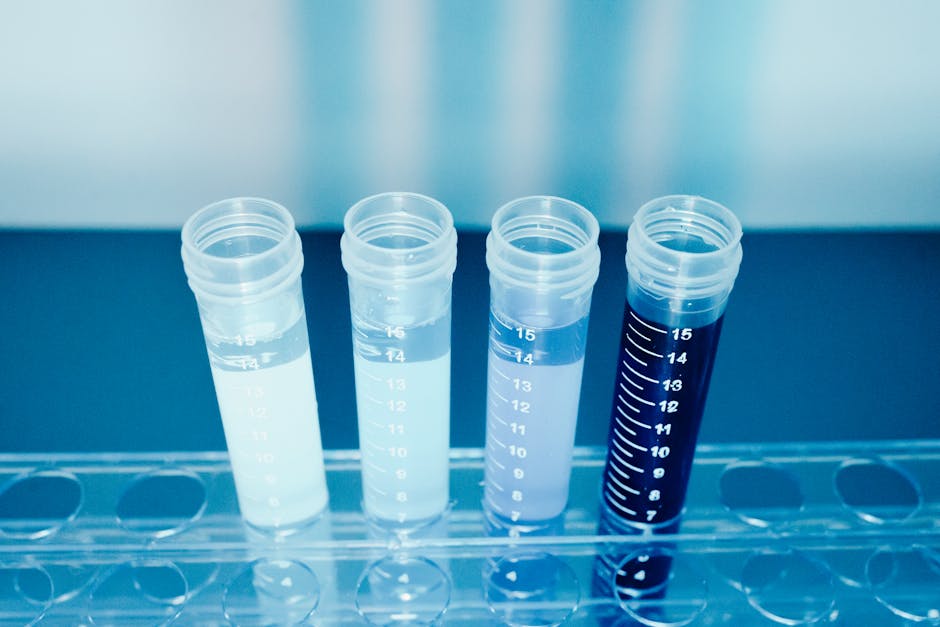
Certified laboratory testing is the most reliable option. Laboratories can measure nitrate, nitrite, and other related water quality indicators with much greater accuracy than simple field methods. Results are usually reported in milligrams per liter, often as nitrate-nitrogen or nitrate, so it is important to understand the reporting units used.
Field Test Kits
Home or field nitrate test strips can provide a preliminary screening tool, but they are generally less precise than lab analysis. They may be useful for quick checks or monitoring trends between formal tests, yet decisions about health protection and treatment should ideally rely on certified results.
Interpreting Results
Test interpretation should account for:
- The measured nitrate concentration
- Whether the result is reported as nitrate or nitrate-nitrogen
- The presence of nitrite
- Seasonal changes and repeated trends
- Whether contamination appears to be stable, increasing, or episodic
If results exceed applicable standards or guidance values, an immediate response plan is important. This may include using bottled water for drinking and infant formula preparation, identifying contamination sources, and evaluating treatment options.
Supplementary Water Quality Tests
Additional testing may help diagnose the broader condition of the water source. Parameters such as coliform bacteria, pH, total dissolved solids, hardness, sulfate, chloride, and conductivity can help identify whether contamination is isolated or part of a wider water quality issue. In some cases, isotopic or hydrogeologic investigations are used to determine where nitrate is coming from.
Prevention and Treatment
Effective control of nitrate contamination combines prevention with treatment. Prevention addresses how nitrate enters water in the first place. Treatment addresses the water that people actually drink. The right approach often includes both.
Source Prevention Strategies
Preventive measures can reduce future contamination and protect aquifers over time. Common practices include:
- Applying fertilizer at agronomic rates matched to crop needs
- Timing applications to avoid heavy rainfall or excessive irrigation
- Using cover crops to capture leftover nitrogen
- Improving manure storage and land application practices
- Inspecting and maintaining septic systems
- Protecting wellheads from runoff and surface infiltration
- Creating setback distances between wells and contamination sources
Source control is essential, but it may not solve an existing contamination problem quickly. Because groundwater can move slowly, nitrate already in an aquifer may persist for years or decades.
Point-of-Use vs. Point-of-Entry Treatment
Nitrate contamination in drinking water treatment systems are generally installed either at the point of use or the point of entry. Point-of-use systems treat water at a single tap, often the kitchen sink. Point-of-entry systems treat all water entering a building.
For nitrate, point-of-use treatment is common when the main concern is water used for drinking and cooking. Point-of-entry treatment may be appropriate when a household wants all supplied water treated, but these systems are usually more expensive and may require more complex maintenance.
Reverse Osmosis
Reverse osmosis, often abbreviated RO, is one of the most widely recommended options for nitrate contamination in drinking water removal. RO systems use a semi-permeable membrane to separate many dissolved contaminants from water under pressure.
Advantages of reverse osmosis include:
- High effectiveness for nitrate reduction when properly selected and maintained
- Availability in many residential point-of-use configurations
- Ability to reduce several other dissolved contaminants at the same time
Limitations include:
- Wastewater production during treatment
- Need for prefilters and membrane replacement
- Potential performance decline if neglected
- Variable effectiveness depending on system design and water chemistry
For many homes, RO is considered among the nitrate contamination in drinking water best filters if installed at a kitchen tap and used specifically for drinking and cooking water.
Ion Exchange
Ion exchange is another well-established nitrate treatment method. These systems use a resin that exchanges chloride ions for nitrate ions in the water. Properly designed nitrate-selective ion exchange units can be very effective, especially in whole-house applications.
Advantages include:
- Strong nitrate reduction capability
- Suitability for larger flows than some point-of-use units
- Potential use as a point-of-entry solution
Limitations include:
- Need for resin regeneration or replacement
- Introduction of chloride into treated water
- Competition from sulfate and other ions that may affect performance
- Need for careful monitoring to avoid breakthrough
Ion exchange can be highly effective, but nitrate contamination in drinking water maintenance is critical. If a resin bed becomes exhausted and is not regenerated on time, nitrate can pass through untreated.
Distillation
Distillation removes nitrate by evaporating water and condensing the vapor, leaving many dissolved contaminants behind. It can be effective, but it is usually slower and more energy-intensive than RO. Distillation is often used in smaller-scale settings rather than as a whole-house solution.
Biological Denitrification
Larger municipal or industrial systems sometimes use biological denitrification. In this process, specialized bacteria convert nitrate into nitrogen gas under controlled conditions. This technology can be highly effective for centralized treatment, but it is more technically demanding and less common in ordinary household applications.
Anion Exchange and Specialized Media
Some treatment systems are marketed as anion exchange or specialty nitrate media units. These may perform similarly to nitrate-selective ion exchange, but buyers should verify independent performance certification, operating requirements, and expected service life before selecting a system.
Filtration Methods That Do Not Reliably Remove Nitrate
It is important to understand that many common household devices are not suitable nitrate solutions. Basic sediment filters, ordinary activated carbon filters, water softeners not designed for nitrate reduction, and standard disinfection systems do not reliably remove nitrate.
When comparing nitrate contamination in drinking water filtration methods, consumers should avoid assuming that any “water filter” will work. The treatment technology must be specifically rated for nitrate reduction.
Choosing the Best Filter or System
Selecting among the nitrate contamination in drinking water best filters depends on several factors:
- Nitrate concentration in the raw water
- Whether treatment is needed at one tap or for the whole house
- Household size and water demand
- Other contaminants present
- Budget for installation and ongoing service
- Ability to maintain the system correctly
For many households, an under-sink reverse osmosis unit is a practical choice. For larger flow needs or whole-house treatment, nitrate-selective ion exchange may be appropriate. In all cases, system sizing and verification should be based on water test results rather than marketing claims alone.
Maintenance and Performance Verification
No treatment technology is permanently effective without care. Nitrate contamination in drinking water maintenance is one of the most overlooked aspects of safe treatment. Filters, membranes, and resin media all have service limits. Systems can fail quietly, meaning users may assume they are protected when nitrate is actually passing through.
Key maintenance practices include:
- Following the manufacturer’s replacement schedule for cartridges and membranes
- Regenerating ion exchange systems as required
- Inspecting for leaks, fouling, and pressure problems
- Using certified replacement components
- Testing treated water periodically to confirm continued performance
Nitrate contamination in drinking water effectiveness should always be confirmed with follow-up testing. A treatment system should not be considered successful based only on installation. Real-world performance depends on source water chemistry, flow rate, maintenance quality, and operating conditions.
Common Misconceptions
Nitrate contamination is often misunderstood. Several common beliefs can lead to unsafe decisions.
“If the water looks clear, it is safe.”
This is false. Nitrate has no visible color in water at problematic levels. Clear water can still contain unsafe nitrate concentrations.
“Boiling water makes it safer.”
Boiling does not remove nitrate. In fact, it can increase nitrate concentration because water evaporates while dissolved nitrate remains.
“Any carbon filter will remove nitrate.”
Standard activated carbon filters are not reliable nitrate removal devices. Carbon is useful for some taste, odor, and organic contaminants, but nitrate requires specific treatment technologies such as reverse osmosis, ion exchange, or distillation.
“Water softeners solve the problem.”
Typical softeners are not designed for nitrate removal. Some systems may look similar to ion exchange nitrate units, but the resin chemistry and operating design are not the same.
“A one-time test is enough.”
Nitrate levels can change seasonally and over time. A single acceptable result does not guarantee permanent safety, especially in vulnerable areas.
“Treatment installed once will always keep working.”
Treatment systems need maintenance and verification. Without proper service, performance can decline significantly.
Regulations and Standards
Drinking water regulations for nitrate are designed to protect public health, particularly infants. In many jurisdictions, nitrate and nitrite are regulated separately, with additional consideration for combined exposure. Public water systems are generally required to monitor and comply with these standards, while private wells may not be regulated in the same way.
Public Water Systems
Community water systems and many non-community systems must conduct routine monitoring and take corrective action if nitrate exceeds allowable limits. Corrective actions may include treatment upgrades, blending, source replacement, public notification, or providing alternative water supplies.
Private Wells
Private wells are often exempt from routine regulatory oversight, which means the owner is responsible for testing and action. This creates an important gap in public protection because private well users may not realize they need regular nitrate testing.
Certification and Standards for Treatment Devices
When selecting household treatment devices, consumers should look for systems tested or certified by reputable independent organizations against applicable standards for nitrate reduction. Product literature should clearly state whether the unit is intended for nitrate removal and under what operating conditions it was evaluated.
Local and Regional Variability
Regulatory requirements, advisory levels, testing frequency, and enforcement approaches vary by country, state, and local authority. Agricultural regions may also have groundwater management programs or nutrient reduction strategies intended to reduce future nitrate loading.
Even where regulations exist, compliance should be seen as a minimum standard rather than the only goal. Households with vulnerable occupants may choose more frequent testing and more conservative treatment decisions.
Conclusion
Nitrate contamination in drinking water is a serious but manageable issue when approached with sound science and practical planning. Because nitrate is invisible in water and may originate from fertilizer, manure, septic systems, wastewater, or natural nitrogen cycling, regular testing is the foundation of informed decision-making. Health concerns are especially important for infants, making prompt action essential when levels are elevated.
Successful nitrate contamination in drinking water removal depends on selecting the right technology for the situation. Reverse osmosis, ion exchange, distillation, and in larger systems biological denitrification are among the most important solutions. At the same time, not all filters work, and common devices such as sediment filters or ordinary carbon cartridges should not be relied on for nitrate reduction.
Consumers comparing nitrate contamination in drinking water treatment systems should focus on verified performance, installation suitability, and realistic upkeep requirements. The most effective choice is not always the most heavily marketed one. Instead, the best approach is based on accurate test results, treatment certification, proper sizing, and routine follow-up. That is the key to long-term nitrate contamination in drinking water effectiveness.
Finally, treatment should not replace prevention. Reducing nitrogen inputs at the source, maintaining septic systems, protecting wells, and supporting responsible land management all help limit future contamination. With a combination of prevention, testing, and appropriately maintained treatment, households and communities can significantly reduce nitrate risks and improve confidence in their drinking water.



Read the full guide: Water Contamination Guide
Explore more in this category: Water Contamination Articles