Introduction
Clean drinking water is one of the foundations of public health, yet many contaminants can enter water supplies without being immediately obvious. Among them, pesticides deserve special attention because they are widely used in agriculture, landscaping, pest control, and even some residential settings. When these chemicals move into groundwater, private wells, reservoirs, or distribution systems, they can create serious concerns for households, farms, schools, and communities.
Many people search for pesticides in drinking water warning signs because they want to know whether there are clues they can detect before a formal test confirms a problem. This is an important question, but it also has a critical limitation: pesticide contamination often has no clear taste, smell, or visible appearance. In other words, the absence of obvious signs does not guarantee that water is safe.
Still, some patterns can raise concern. Unusual changes in water quality, nearby pesticide applications, seasonal runoff, well vulnerabilities, unexplained illness patterns, and local contamination events may all serve as red flags. Understanding these indicators can help households know when to investigate further, when to test, and what treatment options may reduce risk.
This article explains what pesticide contamination is, where it comes from, the most common pesticides in drinking water risk indicators, possible health effects, and the practical steps property owners and families can take to protect themselves. If you want broader background on contamination issues, see water contamination resources. For a more complete overview of this topic, you can also review this complete guide to pesticides in drinking water.
What It Is
Pesticides are substances designed to control pests. The term includes several categories:
- Herbicides used to kill weeds
- Insecticides used to control insects
- Fungicides used to prevent or eliminate fungal growth
- Rodenticides used against rodents
- Other pest-control chemicals used in agriculture, commercial groundskeeping, and residential settings
These substances can enter drinking water through runoff, soil leaching, spills, drift, equipment washing, improper disposal, and industrial or agricultural discharge. Once present, some break down relatively quickly, while others persist in water, soil, or sediments for long periods. Some pesticides also degrade into byproducts that may remain concerning from a health standpoint.
Pesticide contamination can affect:
- Private wells, especially shallow wells or poorly sealed wells near agricultural land
- Groundwater aquifers used for residential or municipal water supply
- Surface water sources such as rivers, lakes, canals, and reservoirs
- Rural homes near crop fields, orchards, greenhouses, golf courses, or livestock operations
- Communities downstream from areas with extensive pesticide use
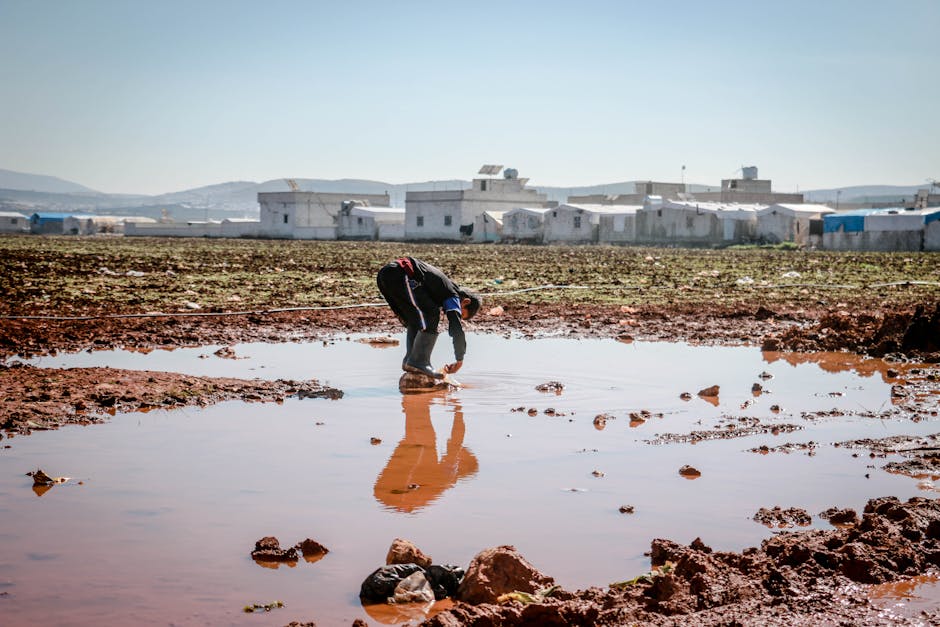
One of the most important facts to understand is that pesticides in drinking water are not always detectable through ordinary household observation. People often look for pesticides in drinking water visible signs or changes in appearance, but many pesticides are colorless in the concentrations that may still matter for health. Likewise, many have little or no noticeable smell or flavor.
That means warning signs should be understood broadly. They include not only changes in the water itself, but also environmental and situational clues that increase the probability of contamination. Households that rely on private wells should pay particular attention, since they are generally responsible for their own water testing and treatment decisions.
Main Causes or Sources
Pesticides enter drinking water through a combination of chemical behavior, land use patterns, weather, and water system vulnerabilities. In many cases, contamination is not caused by a single dramatic event, but by repeated small inputs over time.
Agricultural runoff
A major source is runoff from farms, orchards, vineyards, and other agricultural land. After pesticides are applied to crops, rain or irrigation water can carry residues into ditches, streams, ponds, and reservoirs. This is especially likely when:
- Heavy rain falls soon after application
- Fields have poor drainage control
- Sloped land accelerates runoff
- Soils are compacted or already saturated
- Buffer zones near waterways are limited or absent
Leaching into groundwater
Some pesticides can move downward through soil and enter groundwater. This process, known as leaching, is a major concern for private wells and aquifers. Sandy soils, fractured rock, high water tables, and shallow wells can increase vulnerability. If you want to understand source pathways in more depth, see this guide to causes and sources.
Spray drift and direct deposition
Pesticides do not always stay where they are applied. Wind can carry droplets or particles beyond the intended target area. This drift may settle onto nearby open water, soil around wells, storage tanks, or recharge areas that feed groundwater sources.
Mixing, storage, and disposal problems
Contamination can also come from:
- Leaks from chemical storage areas
- Spills during transport or application
- Improper disposal of leftover pesticides
- Rinsing sprayers or containers near drains, ditches, or wells
- Back-siphonage into water lines during chemical mixing
Residential and commercial use
Not all contamination comes from large-scale farming. Herbicides and insecticides applied to lawns, gardens, parks, sports fields, golf courses, and commercial landscapes can also enter stormwater systems and local water bodies.
Well construction and maintenance failures
Private wells are more susceptible when they are:
- Old or improperly sealed
- Located downhill from treated areas
- Close to drainage ditches, mixing pads, or chemical storage sites
- Missing a secure well cap
- Damaged by flooding or ground movement
These conditions are among the clearest pesticides in drinking water risk indicators, even if no immediate change in water quality is noticeable.
Seasonal and weather-related triggers
Certain times of year create a higher likelihood of contamination. For example:
- Spring application seasons
- Periods following heavy rain
- Flood events that submerge wellheads
- Drought-to-rain transitions that wash accumulated residues into water sources
- High irrigation periods in intensively farmed regions
In practical terms, these are often the strongest pesticides in drinking water warning signs: not necessarily something seen in a glass of water, but a combination of nearby use and conditions that make transport into drinking water more likely.
Health and Safety Implications
The health impact of pesticides in drinking water depends on several factors, including the specific chemical, the concentration, the duration of exposure, and the age and health of the person exposed. Infants, children, pregnant individuals, older adults, and people with chronic illnesses may be more vulnerable to harmful effects.
Short-term exposure concerns
In some cases, acute exposure to elevated pesticide levels may cause noticeable symptoms. Possible pesticides in drinking water health symptoms can include:
- Nausea or vomiting
- Stomach cramps or diarrhea
- Headaches
- Dizziness
- Eye, nose, or throat irritation
- Skin irritation
- Unusual fatigue or weakness
These symptoms are not specific to pesticide exposure and can be caused by many other conditions or contaminants. However, when they appear after a known application event, spill, flooding incident, or water quality change, they may warrant immediate attention.
Long-term exposure concerns
Chronic exposure is often a greater concern than a one-time event, especially when low levels remain undetected over time. Depending on the pesticide involved, long-term risks may include effects on:
- The nervous system
- The endocrine or hormone system
- Liver or kidney function
- Reproductive health
- Child development
- Cancer risk for certain compounds
Because the health effects vary widely by pesticide class, broad assumptions should be avoided. Some pesticides are regulated at extremely low levels because even small exposures may be significant over long periods.
When symptoms should be treated as red flags
Physical symptoms become more concerning when they appear alongside environmental evidence, such as:
- A recent nearby pesticide application
- Water from a private well near active farmland
- Flooding around the wellhead
- A known spill or misuse incident in the area
- Similar symptoms affecting multiple household members
- Symptoms improving when drinking another water source
If these patterns occur, it is reasonable to consider the possibility of contaminated water and seek appropriate guidance.
Taste, odor, and appearance are imperfect clues
People frequently ask about pesticides in drinking water taste and odor. While some chemicals may produce unusual earthy, chemical, solvent-like, musty, or bitter characteristics, many do not create any obvious sensory signal at levels of concern. The same is true for pesticides in drinking water visible signs. Cloudiness, discoloration, sheen, sediment, or foaming may indicate a water quality problem, but they do not specifically confirm pesticides.
In other words:
- Bad taste does not always mean pesticides
- No taste does not mean no pesticides
- Visible particles may suggest contamination, but not necessarily pesticide contamination
- Clear water can still contain dissolved pesticides
For a more focused discussion of health concerns, visit this page on health effects and risks.
Testing and Detection
Because signs and symptoms are unreliable on their own, testing is the only dependable way to confirm whether pesticides are present in drinking water. This is especially important for private well owners, who do not always receive routine monitoring that municipal systems typically undergo.
When to test
Homeowners often want to know pesticides in drinking water when to test. Testing is especially advisable under the following conditions:
- Your well is near agricultural land, orchards, vineyards, nurseries, or golf courses
- You notice a change in water taste, odor, or appearance after spraying season
- There has been heavy rainfall, runoff, or flooding near the well
- A pesticide spill, storage leak, or disposal problem occurred nearby
- You are buying a property with a private well in a farming area
- Household members report unexplained symptoms after drinking the water
- You have never tested your private well for pesticides before
As a practical rule, risk-based testing matters more than waiting for obvious contamination. If your property has multiple pesticides in drinking water risk indicators, proactive screening is often a wise step.
What to test for
Pesticide testing is not usually a single simple test. Laboratories often need to know which compounds are most likely based on local land use and application patterns. A useful testing strategy may include:
- Common herbicides used in the region
- Common insecticides used on nearby crops or landscapes
- Metabolites or breakdown products
- Related indicators such as nitrates, which can also point to agricultural influence
Contacting a certified drinking water laboratory or local health department can help determine the most relevant panel.
How samples are collected
Proper sampling matters. A poor sample can produce misleading results. Laboratories may provide instructions on:
- Using the correct sterile or preservative-treated containers
- Avoiding contamination during collection
- Sampling from a specific tap before or after treatment
- Keeping samples chilled
- Delivering them within a specified time window
Interpreting results
Results should be compared with applicable standards or health advisory levels. Interpretation may involve:
- The concentration detected
- The health significance of that concentration
- Whether the source is likely temporary or ongoing
- Whether point-of-use or whole-house treatment is needed
- Whether retesting is necessary after corrective action
If contamination is found, do not assume one treatment device will automatically solve the problem. Treatment effectiveness depends on the pesticide type, concentration, flow rate, contact time, and system design.
What counts as a warning sign before testing
Since many households look for clues, here are common red flags that justify testing even before any lab result exists:
- Water drawn from a shallow private well near crop production
- Recent herbicide or insecticide application uphill from the well
- Floodwater reaching the well casing or cap
- Unusual chemical or bitter taste after seasonal spraying
- Temporary odor changes after runoff events
- Community reports of contamination nearby
- Persistent health complaints without another clear explanation
For broader household guidance, the resources in drinking water safety may also be useful.
Prevention and Treatment
Preventing contamination is generally more effective and less costly than trying to remove pesticides after they enter a water supply. Households, landowners, and communities can reduce risk through source protection, proper well maintenance, and suitable treatment systems where needed.
Source protection strategies
- Maintain setbacks between wells and pesticide mixing, loading, or storage areas
- Do not mix or rinse chemical equipment near wellheads or drainage pathways
- Use integrated pest management to reduce unnecessary pesticide application
- Apply chemicals according to label directions and weather conditions
- Avoid application before heavy rain or high winds
- Establish vegetative buffer strips near waterways
- Store pesticides securely to prevent leaks and spills
Private well protection
Private well owners should:
- Inspect the well cap and casing regularly
- Ensure the wellhead extends properly above ground
- Grade the surrounding area so water drains away from the well
- Keep chemicals and fuel away from the well area
- Test water periodically based on local risks
- Arrange inspection after flooding or physical damage
Treatment options
Several treatment technologies may help reduce pesticide levels, but selection should be based on confirmed contaminants and qualified guidance.
- Activated carbon can be effective for many organic chemicals, including some pesticides
- Reverse osmosis may reduce certain pesticide compounds depending on membrane performance and chemistry
- Advanced treatment systems may be used in larger or more complex situations
It is important to remember that no single device removes every pesticide equally well. Maintenance is also critical. A poorly maintained filter may lose effectiveness without obvious warning. If you are comparing solutions, browse resources on water treatment systems.
Short-term protective actions
If contamination is suspected but not yet confirmed, prudent temporary actions may include:
- Using bottled water for drinking, infant formula, and cooking
- Avoiding consumption of tap water until testing clarifies the situation
- Consulting local health authorities or an environmental professional
- Keeping records of nearby pesticide application events and symptoms
Boiling water is generally not a reliable solution for pesticide contamination. In some cases, boiling can concentrate certain dissolved substances as water evaporates.
Common Misconceptions
Misinformation can delay proper action. Several common myths are worth correcting.
“If the water looks clear, it is safe.”
False. Many pesticides are dissolved chemicals that do not make water cloudy or discolored. Clear water can still contain contaminants.
“You can always smell or taste pesticides.”
False. Questions about pesticides in drinking water taste and odor are understandable, but sensory clues are inconsistent. Some chemicals may be detectable, many are not, and harmless issues can also cause unusual taste or smell.
“Only farms cause pesticide contamination.”
False. Residential lawn chemicals, commercial landscaping, rights-of-way maintenance, golf courses, storage leaks, and improper disposal can all contribute.
“Municipal water and well water face the same oversight.”
False. Public water systems are typically regulated and monitored under formal requirements. Private wells are usually the owner’s responsibility.
“If no one feels sick, there is no problem.”
False. Some exposures may not produce immediate symptoms, and long-term risks can develop slowly. The absence of obvious pesticides in drinking water health symptoms does not prove safety.
“Boiling removes pesticides.”
Usually false. Boiling is intended for microbial contamination, not most chemical contaminants. Proper treatment requires technology matched to the chemical.
“One water test is enough forever.”
False. Water quality can change with seasons, land use, rainfall, flooding, and well condition. Repeat testing may be necessary, especially in high-risk settings.
Regulations and Standards
Pesticides in drinking water are addressed through a framework of regulations, standards, monitoring requirements, and health-based guidance. While the exact rules depend on the country and jurisdiction, the general goal is to limit exposure to levels considered protective of public health.
Public water systems
Municipal and other public systems are usually required to monitor for specific regulated contaminants, including certain pesticides and related compounds. If levels exceed legal limits, the system may need to notify customers, investigate the source, and take corrective action.
Maximum contaminant levels and health advisories
Many jurisdictions set enforceable limits for specific contaminants in drinking water. These standards are often based on toxicology data, exposure assumptions, treatment feasibility, and risk management considerations. For some chemicals, non-enforceable health advisory levels may also be used when formal standards are absent or evolving.
Why standards vary
Not every pesticide has the same regulatory status. Standards differ because:
- Chemicals have different toxicological profiles
- Some compounds are more common in water than others
- Analytical detection methods vary
- Scientific understanding can change over time
Limits of regulation for private wells
One of the biggest practical gaps is that private wells are often not covered by routine public water monitoring requirements. This means households may assume someone else is checking their water when, in fact, no regular pesticide testing is being performed unless the owner initiates it.
Local health and environmental agencies
State, provincial, county, or regional agencies may provide:
- Lists of certified laboratories
- Maps of vulnerable aquifers
- Pesticide use reporting data
- Well testing recommendations
- Advisories after spills or runoff events
These resources can help homeowners decide whether local conditions create meaningful pesticides in drinking water warning signs that justify immediate testing.
Conclusion
Pesticide contamination in drinking water is a serious issue precisely because it is often difficult to detect without testing. While people naturally look for taste, smell, and appearance changes, those clues are incomplete and sometimes absent. The most useful warning signs often come from context: nearby pesticide use, seasonal runoff, flooding, vulnerable well construction, local spill events, and unexplained illness patterns.
If you are concerned about pesticides in drinking water warning signs, focus on the full picture. Consider whether your water source is near treated land, whether recent weather could have moved chemicals into the supply, whether your well is adequately protected, and whether anyone in the household has developed possible pesticides in drinking water health symptoms. Also remember that questions about pesticides in drinking water visible signs and pesticides in drinking water taste and odor should never replace laboratory testing.
The safest approach is risk-based vigilance: know your source, recognize the red flags, test when conditions justify it, and use appropriate treatment where needed. With informed action and regular monitoring, households can reduce uncertainty and make better decisions about drinking water safety.



Read the full guide: Water Contamination Guide
Explore more in this category: Water Contamination Articles