Introduction
Concerns about PFAS in tap water have grown rapidly as more communities, regulators, and households learn how widespread these chemicals can be. A practical pfas in drinking water home safety checklist helps homeowners, renters, and families understand what to look for, when to test, and which protective steps can reduce exposure. Because PFAS contamination often cannot be seen, smelled, or tasted, home safety depends on awareness, verified testing, and informed decisions about treatment and maintenance.
PFAS, often called “forever chemicals,” are a large group of synthetic substances valued for their resistance to heat, water, grease, and stains. That same durability is what makes them a concern in drinking water. They do not break down easily in the environment, so they can persist in soil, groundwater, rivers, and water systems for many years. Once they enter a water supply, they may travel long distances and affect homes far from the original source.
This article provides an educational overview of how PFAS can enter drinking water, what the major risk indicators are, how household testing works, and which prevention and treatment measures are most useful. It also explains common misunderstandings and the role of regulations. If you are looking for broader background information, see this complete guide and additional resources in water contamination and drinking water safety.
For households, the most important point is simple: PFAS risk management is not based on guesswork. It relies on understanding local contamination patterns, identifying pfas in drinking water risk signs, arranging proper testing when needed, selecting proven filtration systems, and following regular maintenance. A strong home safety checklist turns a confusing issue into clear, actionable steps.
What It Is
PFAS stands for per- and polyfluoroalkyl substances, a broad class of man-made chemicals used in many industrial processes and consumer products. Thousands of compounds fall under the PFAS category. Some of the most widely discussed include PFOA, PFOS, PFHxS, PFNA, and GenX chemicals. Their chemical structure includes strong carbon-fluorine bonds, which are among the most stable in chemistry. This stability makes PFAS useful in manufacturing but also difficult to remove from the environment.
Historically, PFAS have been used in nonstick cookware, water-resistant fabrics, stain-resistant carpets, food packaging, metal plating, industrial surfactants, and firefighting foams. Over time, production, disposal, spills, and product use have allowed these chemicals to enter air, soil, and water. Some PFAS are mobile in water and can move from contaminated sites into groundwater and eventually into private wells or public drinking water systems.
PFAS contamination is not a single, uniform problem. Different compounds behave differently. Some are more likely to remain in water, some may accumulate in people or wildlife more strongly, and some are easier to remove with treatment than others. That means any pfas in drinking water inspection plan should focus on verified laboratory analysis rather than assumptions based only on product history or location.
At the household level, PFAS in drinking water refers to the possible presence of these chemicals in:
- Municipal tap water supplied by a public utility
- Private well water
- Stored household water from cisterns or tanks filled from affected sources
- Filtered water if the treatment system is not designed for PFAS or is poorly maintained
Because PFAS are invisible in normal household use, their presence usually becomes known through utility reports, state or local investigations, environmental news, or private testing. This is why education and a consistent checklist are so important.
Main Causes or Sources
The source of PFAS contamination can vary widely depending on geography, land use, and industrial history. Understanding likely sources is one of the first pfas in drinking water protection steps a household should take. For more detail, see causes and sources of PFAS in drinking water.
Industrial Facilities
Factories that manufacture or use PFAS may release them through wastewater, air emissions that settle onto land and water, leaks, and improper disposal practices. Industrial parks, chemical plants, plating operations, electronics manufacturing sites, textile treatment facilities, and paper coating operations are all possible contributors in some regions.
Firefighting Foam Use
Aqueous film-forming foam, often called AFFF, has been a major source of PFAS contamination near military bases, airports, firefighter training centers, and industrial fire response sites. Repeated training exercises or emergency use can leave PFAS residues in soil that later migrate into groundwater.
Landfills and Waste Disposal Sites
Landfills may contain PFAS-bearing consumer products and industrial waste. Over time, landfill leachate can carry PFAS into nearby water resources if containment systems fail or if leachate is discharged and not fully treated. Areas near transfer stations, waste treatment facilities, and disposal sites may warrant closer review.
Wastewater Treatment and Biosolids
Conventional wastewater treatment plants do not reliably remove all PFAS. As a result, treated effluent may carry them into rivers or streams, and biosolids applied to land may introduce PFAS into soils. In agricultural regions, this pathway can contribute to well contamination under certain conditions.
Contaminated Soil and Groundwater Plumes
PFAS released years ago may remain in subsurface soils and groundwater. Homes that rely on wells are especially vulnerable if they are located within or near a contamination plume, even if the original source is no longer operating.
Consumer Product and Household Contributions
Although large-scale water contamination usually comes from industrial or institutional sources, household products may contribute small amounts to indoor dust or wastewater. These are generally not the main reason a home’s drinking water becomes contaminated, but they are relevant when considering overall PFAS exposure.
Checklist of Source-Related Risk Indicators
- Your home is near an airport, military facility, industrial zone, landfill, or firefighting training site.
- Your community has announced past or current PFAS investigations.
- You use a private well close to known contamination areas.
- Your state environmental agency has mapped PFAS sites in your county.
- Your water utility has issued notices about PFAS sampling or treatment upgrades.
These are important pfas in drinking water risk signs, but they do not confirm contamination by themselves. They simply indicate that testing and follow-up may be appropriate.
Health and Safety Implications
PFAS have been linked in scientific research to a range of potential health concerns, though risks can vary depending on the specific compound, dose, duration of exposure, age, health status, and total exposure from all sources. The strongest public health message is that reducing unnecessary exposure is prudent, especially when testing shows contamination above applicable standards or health advisories.
Research on several well-studied PFAS suggests possible associations with:
- Changes in cholesterol levels
- Reduced immune response, including vaccine response in some studies
- Liver effects
- Kidney or testicular cancer associations for certain PFAS with long-term exposure
- Thyroid disruption
- Developmental and reproductive effects, including concerns during pregnancy and infancy
- Increased blood pressure or pregnancy-related complications in some populations
These concerns are why public agencies increasingly monitor PFAS and update standards as scientific understanding improves. More discussion is available at health effects and risks of PFAS in drinking water.
Who May Be More Vulnerable
Certain groups may need to act more quickly if PFAS are found in drinking water:
- Infants who consume formula mixed with tap water
- Pregnant people
- People with compromised immune systems
- Individuals with long-term high water consumption from a contaminated source
- Homes using private wells without regular water monitoring
Important Safety Perspective
One of the most common mistakes is assuming that short-term exposure creates immediate, obvious symptoms. In reality, PFAS-related concerns are usually about chronic exposure over time. There are generally no specific day-to-day warning symptoms that prove PFAS are present in household water. This means that pfas in drinking water risk signs are mainly environmental and informational, not sensory. Water can look completely normal and still contain PFAS.
Home Safety Checklist for Health Protection
- Review your local water utility’s annual water quality reports and any PFAS notices.
- Check state, provincial, or national environmental databases for known PFAS sites nearby.
- If you use a private well, determine whether your area has a history of industrial or firefighting foam use.
- If PFAS are detected, consider an alternative drinking and cooking water source until effective treatment is installed.
- Pay special attention to infants, children, and pregnant household members when making response decisions.
Testing and Detection
Pfas in drinking water household testing is the only reliable way to confirm whether these chemicals are present in your home water. Smell, taste, and clarity do not reveal contamination. Testing can occur at the utility level for public systems or directly at the household level for private wells and in-home treatment verification.
Public Water System Testing
If you receive municipal water, start by contacting your water provider. Ask whether PFAS monitoring has been completed, which compounds were tested, what levels were found, and whether treatment is already in place. Utility websites, consumer confidence reports, and state environmental agencies often publish this information.
Private Well Testing
Private well owners are usually responsible for their own water quality monitoring. If your home is near a possible PFAS source, arrange laboratory testing through a certified lab experienced with PFAS methods. A general home water test may not include PFAS unless specifically requested.
How Sampling Works
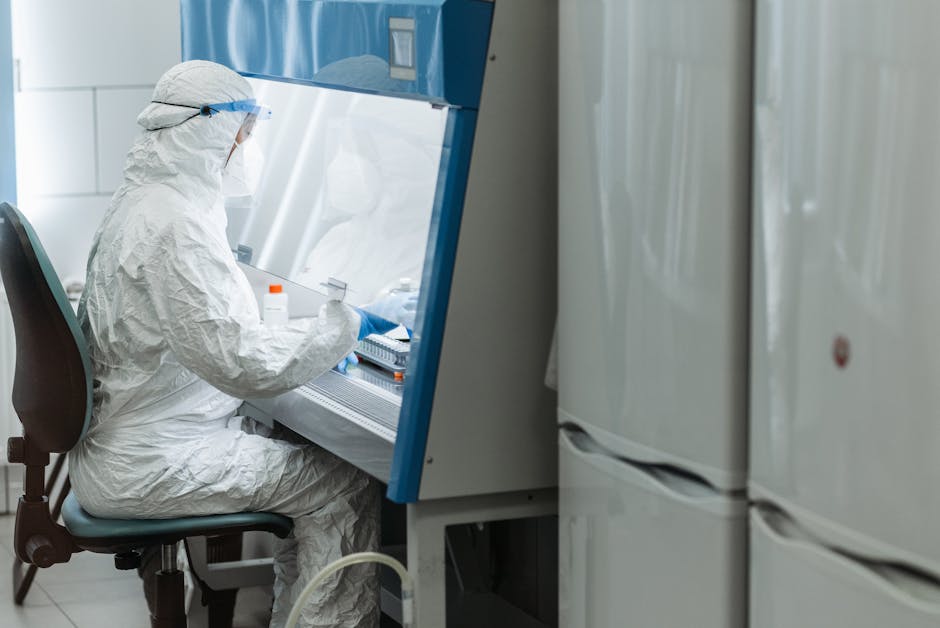
PFAS testing requires careful sampling procedures because contamination can be introduced accidentally. Certain water-resistant clothing, cosmetics, food packaging, and sampling materials may interfere with results. Labs usually provide detailed instructions and approved containers. Follow them exactly. A proper pfas in drinking water inspection should include chain-of-custody procedures, documented sample collection, and analysis by recognized methods.
What to Ask the Laboratory
- Are you certified or accredited for PFAS drinking water analysis?
- Which PFAS compounds are included in the test panel?
- What are the reporting limits for each compound?
- Which analytical method is used?
- Can you explain the results in relation to current standards or advisories?
Interpreting Results
PFAS concentrations are typically reported in very small units, such as nanograms per liter or parts per trillion. These values may seem tiny, but health-based standards are also very low. Interpretation should consider current national or local drinking water standards, the specific compounds present, and whether treatment is needed immediately.
If your results show detectable PFAS, do not panic, but do act methodically:
- Compare results with applicable regulatory limits or health advisories.
- Confirm whether the contamination affects all taps or only untreated points.
- If you have filtration, verify whether the sample was taken before or after treatment.
- Discuss the findings with your local health department, water utility, or a qualified water treatment professional.
Household Testing Checklist
- Determine whether your source is municipal or private well water.
- Collect local PFAS history before ordering tests.
- Use a certified laboratory and request a PFAS-specific panel.
- Follow sampling instructions carefully to avoid false results.
- Keep records of all reports, dates, and any follow-up testing.
- Retest after installing treatment to confirm performance.
Routine testing is one of the most valuable pfas in drinking water protection steps, especially for households in known risk areas.
Prevention and Treatment
Prevention focuses on limiting exposure and using treatment methods proven to reduce PFAS in drinking water. Because contamination may come from outside the home, the most effective strategy often combines source awareness, water testing, and properly selected filtration.
Point-of-Use and Point-of-Entry Treatment
The most commonly used household treatment options for PFAS are:
- Activated carbon, especially high-quality granular activated carbon systems
- Reverse osmosis, often installed under the sink for drinking and cooking water
- Ion exchange systems designed for PFAS reduction
Performance varies by system design, PFAS type, concentration, water chemistry, and maintenance quality. Products should be selected based on independent performance data and, when possible, recognized certification for PFAS reduction claims.
Choosing the Right Approach
A point-of-use system treats water at a specific tap, usually the kitchen sink. This is often cost-effective if the goal is to reduce PFAS in water used for drinking, cooking, and preparing infant formula. A point-of-entry system treats all water entering the house, which may be useful for broader peace of mind but can cost more and requires more maintenance.
Immediate Protection Steps
- Use bottled or alternative verified water for drinking and cooking if contamination is known and treatment is not yet installed.
- Prioritize water used for beverages, food preparation, and infant formula.
- Install a treatment system with documented PFAS reduction capability.
- Keep untreated and treated lines clearly identified if both exist in the home.
Maintenance Matters
Even the best treatment system can fail to protect a household if filters are not changed on schedule. Pfas in drinking water maintenance tips are essential because exhausted media may lose effectiveness gradually, and homeowners may not notice any change in water appearance or taste.
- Follow the manufacturer’s replacement schedule exactly.
- Shorten replacement intervals if PFAS levels are high or water use is heavy.
- Use only compatible replacement cartridges or media.
- Record installation and replacement dates on the unit and in a household log.
- Retest water after installation and periodically thereafter.
- Inspect for leaks, bypass issues, poor seals, or incorrect plumbing connections.
Home Inspection Checklist for Ongoing Safety
A practical pfas in drinking water inspection routine can include:
- Checking whether every drinking water tap is connected to treatment.
- Verifying that refrigerator water dispensers and ice makers use treated water if needed.
- Reviewing filter age and remaining capacity.
- Making sure no untreated bypass line is supplying kitchen fixtures.
- Inspecting under-sink systems for pressure changes or visible wear.
- Confirming that household members know which tap is safest for drinking.
Additional Prevention Measures
Although drinking water is often the primary concern, total exposure reduction may also involve informed product choices and awareness of local environmental updates. Helpful pfas in drinking water protection steps include:
- Sign up for utility or local health department alerts.
- Review annual water quality updates every year, not just once.
- Support community source investigations and treatment upgrades.
- Be cautious about assuming all filters work equally well for PFAS.
- Replace pitcher filters only if they are specifically rated for PFAS reduction.
For wider context on water issues in different regions, readers may also explore global water quality.
Common Misconceptions
If Water Looks Clean, It Must Be Safe
This is false. PFAS are not identified by cloudiness, color, odor, or taste. Clean-looking water can still contain measurable PFAS.
Boiling Water Removes PFAS
Boiling does not reliably remove PFAS. In some cases, boiling may slightly concentrate contaminants as water evaporates. It is not an appropriate treatment strategy for PFAS contamination.
Any Filter Will Solve the Problem
Not all household filters reduce PFAS effectively. Basic sediment filters and many standard carbon filters may not be designed or tested for this purpose. Always verify product specifications and performance claims.
PFAS Risk Only Exists Near Factories
Industrial sites are important sources, but PFAS contamination may also occur near airports, military installations, landfills, wastewater discharge areas, and regions affected by contaminated groundwater migration.
Only Well Owners Need to Worry
Private wells can be especially vulnerable because they may lack routine oversight, but public water systems may also be affected. Municipal customers should review utility testing data and notices.
Testing Once Is Enough Forever
Conditions can change. New source discoveries, plume movement, treatment system wear, or updated test methods may justify repeat testing. Ongoing vigilance is part of good household safety.
PFAS Exposure Comes Only from Drinking Water
Drinking water can be a major source in affected areas, but PFAS exposure may also come from food, dust, consumer products, and occupational settings. Still, improving water quality is one of the clearest ways to reduce total exposure in many homes.
Regulations and Standards
PFAS regulation is evolving quickly. Standards differ across countries, and in some places they also vary by state or province. Regulatory agencies may set enforceable maximum contaminant levels, non-enforceable health advisories, monitoring requirements, or cleanup thresholds. Because science is still developing and PFAS include many compounds, standards may be updated over time.
Why Standards Change
As toxicology and exposure research improve, agencies may revise what they consider protective levels. Better laboratory methods can also detect PFAS at lower concentrations than before. This means a result considered acceptable years ago may be reviewed differently under newer guidance.
What Homeowners Should Do
- Use the most current local or national standards when interpreting test results.
- Do not rely on outdated internet summaries without checking official sources.
- Ask your utility or health department which standards apply in your area.
- Understand whether your result is above a legal limit, a screening value, or an advisory level.
Public Water Systems and Compliance
Where enforceable standards exist, public water systems may be required to monitor PFAS, notify customers, and install treatment if levels exceed limits. Compliance can take time, so households sometimes choose interim protection measures while utilities upgrade infrastructure.
Private Wells and Regulatory Gaps
Private well owners often have fewer formal protections because private wells may not be regulated in the same way as public systems. This makes pfas in drinking water household testing and personal recordkeeping especially important for rural homes and small properties.
Staying informed through official environmental agencies, local health departments, and trusted educational resources is essential. Categories such as drinking water safety and water contamination can help households follow updates and understand broader water quality developments.
Conclusion
A reliable pfas in drinking water home safety checklist begins with awareness and ends with action. Households should understand what PFAS are, learn the likely sources in their area, recognize environmental rather than sensory risk indicators, and use proper testing to confirm whether contamination is present. If PFAS are detected, proven treatment technologies and consistent maintenance can significantly reduce exposure.
The most practical checklist includes five core actions: review local water information, identify nearby contamination sources, arrange certified testing when appropriate, install effective treatment if needed, and maintain that treatment carefully over time. These steps are far more dependable than assumptions based on taste, smell, or appearance.
PFAS in drinking water is a serious issue, but it is also manageable when households use credible information and verified solutions. With thoughtful pfas in drinking water inspection, regular pfas in drinking water household testing, and disciplined pfas in drinking water maintenance tips, families can make informed choices that support safer drinking water now and in the future.



Read the full guide: Water Contamination Guide
Explore more in this category: Water Contamination Articles