Introduction
Radioactive substances can enter drinking water naturally through geology or through human activity, and they are often difficult to detect without targeted testing. For homeowners, facility managers, and anyone concerned about water safety, understanding radioactive contaminants in drinking water best filters is essential because treatment effectiveness varies widely by contaminant type, water chemistry, and system design. A filter that works well for sediment, chlorine, or taste issues may do very little for dissolved radionuclides such as uranium, radium, or gross alpha particles.
This article explains what radioactive contaminants in water are, where they come from, how they affect health, how they are tested, and which treatment systems are most effective. It also compares common filtration methods, including radioactive contaminants in drinking water reverse osmosis systems and the limits of radioactive contaminants in drinking water carbon filters. If you are just beginning your research, you may also want to review broader resources on water contamination, a more comprehensive overview at this complete guide, and related topics in drinking water safety and global water quality.
Because radioactive contamination is a specialized issue, the most reliable approach is to pair proper laboratory testing with a treatment method selected for the specific radionuclide present. In many cases, point-of-use reverse osmosis or whole-house ion exchange can reduce risk significantly, but neither should be chosen without understanding contaminant form, concentration, maintenance needs, and waste handling considerations.
What It Is
Radioactive contaminants in drinking water are unstable atoms, known as radionuclides, that emit radiation as they break down over time. These substances may be dissolved in water, attached to particles, or present in trace amounts that still matter from a health and regulatory standpoint. Common radionuclides of concern in drinking water include:
- Uranium, often found in groundwater in areas with uranium-bearing rock formations
- Radium-226 and Radium-228, naturally occurring radioactive metals that can dissolve into groundwater
- Radon, a radioactive gas that can enter water supplies, especially private wells
- Gross alpha and gross beta emitters, screening categories used in laboratory testing
- Man-made radionuclides such as cesium, strontium, iodine, or tritium in specific industrial or accidental contamination scenarios
Not all radioactive contaminants behave the same way. Some are dissolved ions that respond well to membrane treatment or ion exchange. Others may be associated with suspended solids and can be partially reduced through filtration if particle removal is effective. This difference is important when evaluating radioactive contaminants in drinking water treatment comparison options.
Water professionals typically distinguish between naturally occurring radioactive materials and contamination related to mining, processing, medical, industrial, or nuclear activities. In residential settings, naturally occurring radionuclides in private well water are often the primary concern. Public water systems may also encounter these contaminants, but they are subject to routine monitoring and regulatory requirements.
It is also important to understand that “radioactive contamination” does not automatically mean an acute emergency. In many water systems, the issue is long-term exposure to low levels rather than immediate poisoning. That makes accurate testing and sustained treatment especially important, because the risk accumulates gradually over years of consumption.
Main Causes or Sources
The most common sources of radioactive contaminants in drinking water fall into two broad categories: natural geological sources and human-related activities. In many parts of the world, the dominant source is local bedrock and soil composition.
Natural Geological Sources
As groundwater moves through rock and sediment, it can dissolve naturally occurring radionuclides. This process is especially relevant in aquifers containing granite, shale, phosphate deposits, sandstone, or uranium-bearing minerals. Over time, radionuclides such as uranium and radium can migrate into wells and community groundwater systems.
Natural source contamination is often highly localized. Two homes in the same region may have very different test results depending on well depth, aquifer conditions, water pH, mineral content, and the exact geology around the well. This is one reason individual testing matters so much for private well owners.
Mining and Industrial Activity
Mining operations, especially those involving uranium, phosphate, rare earth elements, and some metal ores, can increase the movement of radioactive materials into surrounding groundwater or surface water. Industrial processing waste, disposal practices, and tailings storage can also affect nearby water quality if not properly managed.
Oil and Gas Production
Produced water from oil and gas extraction may contain naturally occurring radioactive materials mobilized from underground formations. While this contamination is not typically found in treated household tap water, poor handling, spills, or environmental release can contribute to local contamination concerns.
Nuclear Facilities and Accidental Releases
Nuclear power plants, research sites, fuel processing facilities, and waste storage areas are heavily regulated, but accidental releases or historical contamination can affect nearby water bodies. In such cases, the radionuclides involved may differ from those found naturally in groundwater, and treatment strategies may need to be tailored accordingly.
Medical and Research Waste
Hospitals, laboratories, and research institutions may use radioactive isotopes for diagnostics, therapy, or experiments. These are generally controlled under strict regulations, but improper disposal or system failures can create contamination risks in rare cases.
Distribution and Plumbing Factors
Most radioactive contamination originates at the source rather than in household plumbing. However, plumbing materials, scale buildup, and sediment accumulation can sometimes trap radionuclides, affecting test interpretation and treatment performance.
For a more focused discussion of how these pollutants enter water supplies, readers may find additional context at this causes and sources resource.
Health and Safety Implications
The health risks from radioactive contaminants depend on several factors, including the type of radionuclide, concentration, duration of exposure, whether exposure is through ingestion or inhalation, and individual characteristics such as age and overall health. In drinking water, the main concern is usually long-term ingestion over months or years.
How Exposure Happens
Most concern centers on drinking the water or using it in beverages and cooking. For radon in water, inhalation can also matter because the gas may be released into indoor air during showering, washing, or other household use. This means some contaminants are primarily a drinking risk, while others can create both water and air exposure pathways.
Potential Health Effects
Long-term exposure to elevated radionuclide levels may increase the risk of cancer and may also affect specific organs depending on the contaminant involved. Examples include:
- Uranium: associated with kidney toxicity as well as radiological concerns
- Radium: can accumulate in bone and may increase cancer risk
- Radon: primarily associated with inhalation-related lung cancer risk, though ingestion may also contribute
- Beta and photon emitters: risks vary significantly depending on isotope and dose
Because many radioactive contaminants are colorless, odorless, and tasteless, people may be exposed without realizing there is a problem. That makes laboratory testing and treatment system verification crucial. This issue is particularly important for private well users, who may not be covered by the same monitoring framework as municipal systems.
Children, Pregnant Individuals, and Long-Term Exposure
Vulnerable populations may be more sensitive to contaminants due to physiological differences and longer lifetime exposure potential. While health guidance should come from qualified medical and environmental professionals, a precautionary approach is reasonable when elevated radionuclides are detected.
If you want a broader overview of risk pathways and health outcomes, see this health effects and risks page.
Testing and Detection
Testing is the foundation of any treatment decision. Without laboratory confirmation, choosing among the radioactive contaminants in drinking water best filters is largely guesswork. The right system depends on whether the issue is uranium, radium, radon, gross alpha activity, or another radionuclide entirely.
When Testing Is Recommended
- When using a private well, especially in areas known for uranium or radium in groundwater
- When buying a home with a well
- After major changes in water taste, appearance, or chemistry
- When local geology or environmental history suggests possible contamination
- When required by a lender, health department, or property transaction process
Common Water Tests
Testing often begins with screening parameters and may then move to more specific isotope analysis. Common tests include:
- Gross alpha
- Gross beta
- Uranium
- Combined radium or separate radium-226 and radium-228
- Radon in water
Screening tests are useful, but they do not always identify the exact source of the radioactivity. If elevated results are found, follow-up analysis is often needed before selecting treatment equipment.
Use Certified Laboratories
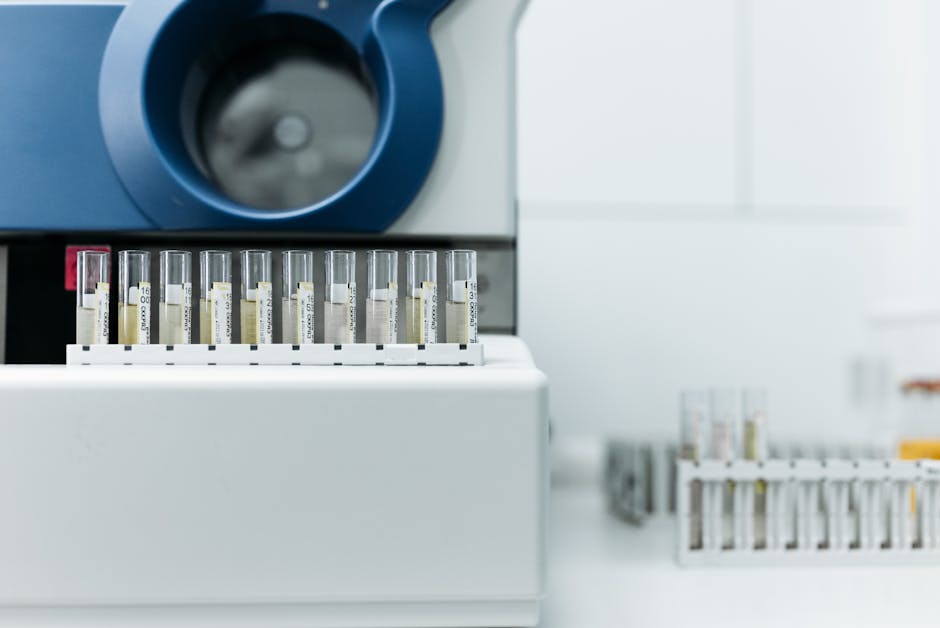
Radioactivity testing should be done by a certified laboratory familiar with drinking water methods and sample handling. Some radionuclide samples require careful preservation, timing, and shipping procedures. Home test strips are generally not appropriate for accurate radioactive contaminant evaluation.
Interpreting Results
Results should be reviewed against current regulatory standards and in context with water chemistry. pH, hardness, total dissolved solids, sulfate, iron, manganese, and competing ions can all influence treatment performance. A treatment dealer or water professional should not recommend a system based solely on a single screening result if the contaminant profile is still uncertain.
Retesting After Treatment
Post-installation testing is essential to confirm reduction performance. Even high-quality systems can underperform if they are improperly sized, poorly maintained, or used under water conditions they were not designed for. For radioactive contamination, verification matters as much as initial selection.
Prevention and Treatment
Prevention is partly about source awareness and partly about system design. Once radioactive contaminants are present in a water supply, the practical solution is usually treatment rather than trying to eliminate the geologic source itself. The best treatment depends on the contaminant type, concentration, flow needs, and whether the home uses well water or municipal water.
Source Management and Exposure Reduction
- Test wells regularly in known risk regions
- Review local water quality reports and geological information
- Avoid assuming clear water is safe
- Address radon in indoor air separately when waterborne radon is suspected
- Use certified treatment devices matched to the specific radionuclide
Reverse Osmosis
Radioactive contaminants in drinking water reverse osmosis systems are among the most commonly recommended point-of-use treatments for dissolved radionuclides, especially uranium. Reverse osmosis works by forcing water through a semi-permeable membrane that rejects many dissolved ions and contaminants.
Advantages of reverse osmosis include:
- High effectiveness for many dissolved radioactive contaminants, especially uranium
- Useful as a point-of-use option for drinking and cooking water
- Can also reduce other contaminants such as nitrates, arsenic, and certain heavy metals
Limitations include:
- Not always the best whole-house solution due to cost and wastewater production
- Performance varies by contaminant type and membrane condition
- Requires prefiltration and ongoing maintenance
- Produces a reject stream that contains concentrated contaminants
For many households, under-sink reverse osmosis is a practical option when the primary concern is safe drinking and cooking water rather than full-house treatment.
Ion Exchange
Ion exchange is often used for radium removal and can also work for uranium under appropriate conditions. These systems exchange unwanted dissolved ions in the water for less problematic ions, typically sodium or potassium depending on system design.
Advantages:
- Can be effective for radium and certain other dissolved radionuclides
- Suitable for whole-house treatment in some cases
- Can address hardness and radionuclides simultaneously when properly engineered
Limitations:
- Media regeneration creates waste brine that may require careful disposal
- Competing ions can reduce performance
- System design must be matched closely to water chemistry
Anion Exchange and Specialized Media
Specialized resins and adsorptive media may be used for uranium or other specific radionuclides. These are typically selected after detailed water analysis. Performance can be excellent, but only when the media is appropriate for the contaminant species and operating conditions.
Distillation
Distillation can remove many dissolved contaminants by vaporizing water and condensing the steam. It may reduce certain radioactive contaminants effectively, but it is energy-intensive, slow, and generally more practical for small-volume use than for whole-house treatment.
Activated Alumina and Other Adsorptive Technologies
Some media-based systems can reduce specific radionuclides under controlled water conditions. Their suitability varies considerably, and they usually require expert selection and monitoring.
Carbon Filters
Many consumers ask about radioactive contaminants in drinking water carbon filters because activated carbon filters are popular and widely available. However, standard carbon filtration is generally not the primary solution for dissolved radioactive contaminants such as uranium or radium. Activated carbon is most useful for chlorine, taste, odor, and many organic chemicals, not for the reliable removal of dissolved radionuclides.
There are a few important exceptions and cautions:
- Carbon may capture some particle-bound contaminants if paired with sediment filtration
- Granular activated carbon can accumulate radioactivity over time if radionuclides are present, creating handling and disposal concerns
- Carbon is not a substitute for reverse osmosis, ion exchange, or aeration when those are the indicated technologies
In other words, if you are evaluating radioactive contaminants in drinking water best filters, carbon alone should usually not be at the top of the list unless a qualified professional has identified a very specific use case.
Aeration for Radon
When radon in water is the primary issue, aeration is often one of the most effective treatment methods. It strips dissolved gas from water before distribution in the home. Granular activated carbon may sometimes be used for radon, but because carbon can accumulate radioactivity, aeration is often preferred for higher concentrations.
Treatment Comparison
A practical radioactive contaminants in drinking water treatment comparison looks like this:
- Reverse osmosis: excellent for many dissolved radionuclides at point of use, especially uranium
- Ion exchange: strong option for radium and some dissolved radioactive ions, often for whole-house use
- Aeration: preferred for radon in water
- Distillation: effective for some dissolved contaminants but slower and more energy-intensive
- Standard carbon filters: generally limited and not the main solution for dissolved radionuclides
Buying Guide
A smart radioactive contaminants in drinking water buying guide should focus on performance claims, certification, maintenance demands, and fitness for the exact contaminant identified. When shopping for a system, consider the following:
- Test first: know which radionuclide is present and at what level
- Check certifications: look for reputable third-party performance data where available
- Match the technology to the contaminant: do not buy based on general “purification” claims
- Review capacity and flow rate: ensure the system can handle household demand
- Understand waste streams: reverse osmosis reject water and ion exchange brine need consideration
- Ask about pre-treatment: sediment, hardness, iron, or pH issues may affect system performance
- Plan for monitoring: choose a system you can realistically maintain and verify
Filter Maintenance
Radioactive contaminants in drinking water filter maintenance is not optional. Treatment systems only remain effective when cartridges, membranes, resins, and media are replaced or serviced on schedule. Key maintenance points include:
- Replace sediment and carbon prefilters as recommended to protect membranes and media
- Monitor reverse osmosis membrane performance and sanitize systems periodically
- Track ion exchange regeneration cycles and resin condition
- Inspect storage tanks, valves, and plumbing connections
- Retest treated water periodically to confirm continued effectiveness
- Handle spent media carefully if radioactivity accumulation is possible
Neglected systems can lose removal efficiency gradually without obvious warning signs. Taste and clarity are not reliable indicators of radionuclide removal.
Common Misconceptions
Misunderstandings about radioactive contamination are common, and they can lead to poor treatment decisions or unnecessary alarm.
“If the water looks clear, it is safe.”
False. Radioactive contaminants are typically invisible, odorless, and tasteless. Clear water can still contain dissolved radionuclides above health-based guidelines or regulatory limits.
“Any water filter removes radioactivity.”
False. Many common pitcher filters and basic faucet filters are not designed for radionuclide reduction. Effective treatment must be matched to the specific contaminant.
“Carbon filters are enough for everything.”
False. While carbon is excellent for chlorine and many organic compounds, it is generally not the primary treatment for dissolved uranium or radium. This is one of the most important points in any discussion of radioactive contaminants in drinking water carbon filters.
“Boiling water makes it safer.”
Usually false for radioactive contaminants. Boiling may concentrate dissolved substances as water evaporates, rather than removing them. It is not a reliable treatment method for radionuclides.
“Municipal water is never affected.”
False. Public systems are monitored and regulated, but they can still face radionuclide challenges, especially when drawing from groundwater sources. The difference is that public systems are generally required to test and manage compliance.
“One test is enough forever.”
False. Groundwater quality can change over time, and treatment systems can lose effectiveness. Periodic retesting is part of responsible water safety management.
Regulations and Standards
Drinking water regulations for radioactive contaminants are designed to limit long-term health risks. Exact standards depend on jurisdiction, but in the United States, the Environmental Protection Agency establishes maximum contaminant levels for several radionuclide categories in public drinking water systems.
Why Standards Matter
Regulatory limits provide a benchmark for evaluating test results and determining when action may be needed. They also guide system design, public reporting, and compliance monitoring. For private well owners, these standards are still useful reference points even though private wells are often not regulated in the same way as public systems.
Public Water Systems vs. Private Wells
- Public water systems: typically must monitor, report, and treat when contaminant levels exceed applicable standards
- Private wells: usually the owner’s responsibility for testing, interpretation, and treatment
This difference is critical. Many people assume all tap water is routinely screened for radioactive contaminants, but private well owners often need to initiate the process themselves.
Certification and Product Claims
When evaluating treatment products, rely on recognized testing and certification frameworks rather than broad marketing statements. A label claiming “advanced purification” is not enough. Buyers should ask:
- What contaminants was the system actually tested for?
- At what influent concentrations and under what water conditions?
- Was testing done by an independent third party?
- Is the rated capacity realistic for my household’s usage?
These questions are especially important in the context of a radioactive contaminants in drinking water buying guide, where performance specificity matters more than generic claims.
Conclusion
Choosing among the radioactive contaminants in drinking water best filters starts with one principle: test first, then treat based on evidence. Radioactive contaminants such as uranium, radium, and radon require targeted solutions, and the most effective systems depend on the exact radionuclide present. In many residential situations, radioactive contaminants in drinking water reverse osmosis systems are an excellent point-of-use option for dissolved contaminants like uranium, while ion exchange may be better for radium and aeration may be preferred for radon.
Consumers should also be cautious about overestimating the role of radioactive contaminants in drinking water carbon filters. Standard carbon filtration has important uses, but it is generally not the main defense against dissolved radionuclides. A clear radioactive contaminants in drinking water treatment comparison shows that no single technology works best in every case.
Long-term success depends on testing, proper sizing, professional guidance when needed, and disciplined radioactive contaminants in drinking water filter maintenance. If you are selecting a system, use a practical radioactive contaminants in drinking water buying guide mindset: verify the contaminant, confirm performance data, understand maintenance obligations, and retest after installation. With the right approach, households can reduce exposure effectively and make informed decisions about safer drinking water.



Read the full guide: Water Contamination Guide
Explore more in this category: Water Contamination Articles