Introduction
Reverse osmosis, often abbreviated as RO, is one of the most widely used water treatment technologies in homes, businesses, laboratories, and industrial facilities. People commonly install RO systems to improve taste, reduce dissolved contaminants, and produce highly purified water for drinking, food preparation, manufacturing, and specialized technical uses. Because of its reputation for strong contaminant reduction, many consumers assume reverse osmosis is a simple, flawless solution. In reality, understanding reverse osmosis water filtration causes and sources of performance problems, contamination risks, and exposure pathways is essential for using the technology safely and effectively.
When discussing reverse osmosis, the phrase “causes and sources” can refer to several important topics. It can mean the sources of water contamination that make RO necessary in the first place. It can also refer to the causes of RO system underperformance, membrane fouling, filter failure, poor maintenance, and household exposure to contaminants when a system is not functioning properly. For homeowners, tenants, facility managers, and public health professionals, these distinctions matter. A reverse osmosis system does not operate in isolation; its effectiveness depends on source water quality, system design, regular maintenance, water pressure, prefiltration, membrane condition, and post-treatment handling.
This article explains what reverse osmosis is, where contamination problems originate, what the most important reverse osmosis water filtration common sources of concern are, how to understand reverse osmosis water filtration risk factors, and what effective reverse osmosis water filtration detection and reverse osmosis water filtration prevention practices look like. It also addresses reverse osmosis water filtration household exposure, which can happen when consumers rely on a system that is not correctly installed, maintained, or matched to their water chemistry.
For readers looking for broader background on water treatment approaches, the resources in water purification and water contamination provide useful context. Reverse osmosis is a powerful tool, but like any treatment technology, it works best when its strengths and limitations are clearly understood.
What It Is
Reverse osmosis is a pressure-driven membrane filtration process designed to remove many dissolved substances from water. In a natural osmotic process, water moves across a semipermeable membrane from a lower-solute concentration to a higher-solute concentration. Reverse osmosis applies pressure to overcome that natural tendency, forcing water through a specialized membrane while leaving many contaminants behind in a concentrated waste stream.
An RO system typically includes several components:
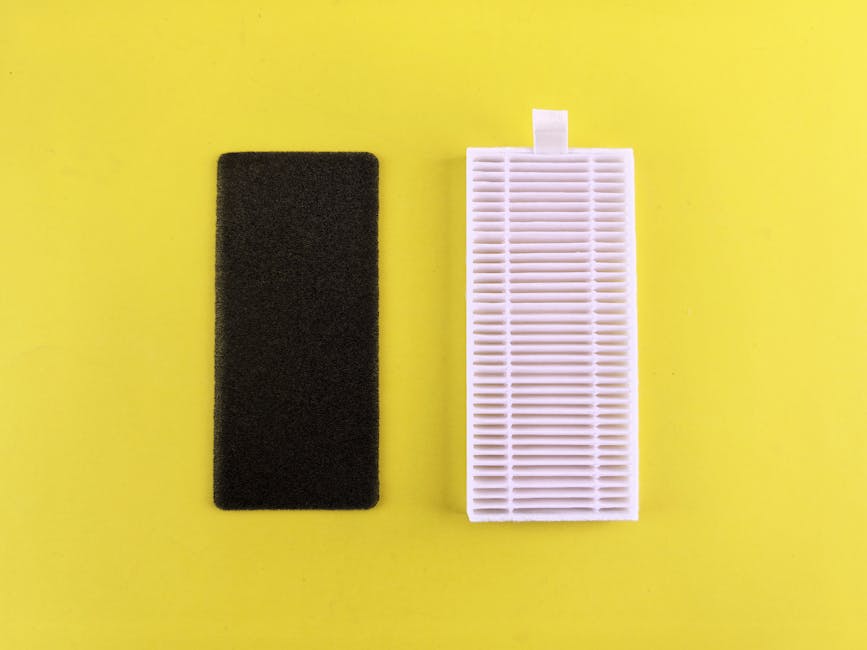
- Sediment prefilters that remove particles such as rust, sand, silt, and debris.
- Activated carbon filters that reduce chlorine, chloramine in some configurations, volatile organic compounds, tastes, and odors.
- The RO membrane that rejects many dissolved salts, metals, and other contaminants.
- Post-filters that improve taste before the water reaches the faucet.
- A storage tank in many household systems for holding treated water.
Depending on design, reverse osmosis can reduce total dissolved solids, lead, arsenic, nitrate, fluoride, some PFAS compounds, and a range of other contaminants. However, it does not remove every hazard equally well. Performance depends on contaminant type, membrane condition, pretreatment, system age, water pressure, temperature, and maintenance quality. Biological contamination, for example, may require additional control steps. Readers interested in a broader system overview may benefit from this complete guide to reverse osmosis water filtration.
It is also important to distinguish between a functioning RO system and the idea of purified water in general. A reverse osmosis unit is not a single universal standard. Under-sink residential systems, countertop models, whole-house systems, commercial units, and industrial RO arrays all differ substantially in capacity and reliability. The same technology can deliver excellent results in one setting and disappointing or unsafe results in another if source water conditions are poorly matched to system capability.
In educational terms, reverse osmosis should be viewed as a process rather than a guarantee. It is a highly effective barrier against many dissolved contaminants, but it is only one part of a complete treatment strategy. Safe use requires attention to installation, operation, sanitation, and periodic testing.
Main Causes or Sources
To understand reverse osmosis water filtration causes and sources, it helps to divide them into two broad categories: the sources of contamination in the incoming water, and the causes of reduced performance or new contamination within the RO system itself.
Source Water Contaminants That Lead People to Use RO
Many households turn to reverse osmosis because their water contains contaminants or undesirable characteristics that standard pitcher filters or simple carbon filters cannot adequately address. The most important reverse osmosis water filtration common sources of concern include:
- Naturally occurring minerals and salts such as sodium, calcium, magnesium, sulfate, and chloride, especially in groundwater with high total dissolved solids.
- Heavy metals including lead, arsenic, chromium, cadmium, and copper, which may come from geology, industrial contamination, or plumbing corrosion.
- Nitrates and nitrites from fertilizer runoff, septic systems, manure management, and agricultural activity.
- Industrial chemicals such as certain solvents and synthetic compounds that enter water through discharge, spills, or legacy contamination.
- PFAS and other emerging contaminants, which in some cases can be reduced by properly designed RO systems.
- Excess fluoride in regions where naturally occurring or added fluoride levels are a concern for consumers.
- Brackish water or salinity issues in coastal or drought-prone areas.
In many homes, concern begins with water source type. Private wells may be more vulnerable to geology-related contaminants, agricultural runoff, and septic influence. Municipal supplies are regulated, but distribution systems and building plumbing can still introduce metals, disinfection byproducts, or taste and odor concerns. This is why understanding both the original source and the point-of-use environment is critical.
Causes of RO System Underperformance
Even if reverse osmosis is appropriate for a water problem, the system can fail to perform as expected. Common causes include:
- Membrane fouling from scale, sediment, organics, or microbial growth.
- Insufficient pretreatment, allowing chlorine, particulates, or hardness to damage or clog the membrane.
- Low water pressure, which reduces rejection efficiency and water production.
- Improper installation, including incorrect tubing, leaks, bypassing of stages, or wrong filter order.
- Expired filters or membrane that are no longer effectively removing contaminants.
- Storage tank contamination from stagnant water or inadequate sanitation.
- Temperature effects, since colder water reduces production and may affect user expectations.
These causes are often overlooked because RO systems usually continue to dispense water even when filtration quality has declined. Consumers may assume the presence of water means the system is functioning properly, but that is not always true.
Plumbing and Household Sources of Post-Treatment Contamination
Another important part of reverse osmosis water filtration household exposure involves contaminants introduced after the water leaves the membrane. Treated water can pick up impurities from:
- Unsanitary faucet spouts
- Biofilm in tubing or storage tanks
- Poorly maintained refrigerator water lines
- Cross-connections or backflow incidents
- Degrading plastic components not intended for potable use
- Improperly installed remineralization or polishing stages
Because RO water often has lower mineral content, it may interact differently with plumbing materials than harder source water. While household systems are designed to manage this, poor-quality components or neglected maintenance can still create vulnerabilities.
Environmental and Operational Risk Factors
Several reverse osmosis water filtration risk factors increase the chance that a system will underperform or expose users to contaminants:
- Highly turbid source water
- High hardness without softening or scale control
- High chlorine exposure without adequate carbon prefiltration
- Intermittent use, leading to stagnant water in the system
- Very old plumbing or lead-containing fixtures downstream of treatment
- Failure to follow replacement schedules
- Using a system not certified for the target contaminant
In short, the “source” in reverse osmosis discussions is not limited to lakes, wells, or aquifers. Sources also include maintenance failures, plumbing materials, microbial reservoirs, and treatment mismatches. A complete assessment considers all of these pathways together.
Health and Safety Implications
The health and safety implications of reverse osmosis depend on both what the system removes and what can happen if it fails. When operating correctly, RO can significantly reduce exposure to many harmful contaminants. This can lower risks associated with toxic metals, nitrates, and other dissolved pollutants that may affect neurological health, kidney function, cardiovascular systems, infant health, and long-term chronic disease risk.
However, there are also health concerns linked to incomplete treatment, false confidence, and poor upkeep. One of the most important issues is delayed recognition of failure. If a homeowner installs an RO unit to address arsenic, lead, or nitrate and assumes the system works indefinitely without testing, contaminated water may continue to be consumed for months or years after the membrane or filters have degraded.
Potential health and safety concerns include:
- Continued exposure to source contaminants when a unit is not removing the target pollutant effectively.
- Microbial growth in neglected systems, especially in storage tanks, tubing, and faucet components.
- Exposure to contaminants not well addressed by the specific system design, such as certain microorganisms or chemicals requiring additional treatment steps.
- Increased vulnerability for sensitive populations including infants, pregnant individuals, older adults, and immunocompromised people.
There is also ongoing public discussion about whether RO water is “too pure” or whether removing minerals makes it unhealthy. In most practical household contexts, the major health question is not mineral removal itself but whether a person maintains adequate nutrition overall and whether the system is functioning safely. Most essential minerals are obtained primarily from food, not drinking water. That said, some users prefer remineralization stages for taste and balance, and these should be installed and maintained correctly.
Another safety issue involves wastewater production. RO systems typically reject a portion of incoming water as concentrate. In water-scarce regions, inefficient systems may raise sustainability concerns. While this does not usually pose a direct health risk, it is an important environmental and practical consideration when choosing equipment.
Those wanting a deeper look at specific outcomes and safety considerations can review reverse osmosis water filtration health effects and risks. The key principle is that reverse osmosis can be highly protective, but only when the system is selected for the right contaminants and maintained with care.
Testing and Detection
Effective reverse osmosis water filtration detection requires more than tasting the water or checking whether it looks clear. Many contaminants of concern, including arsenic, nitrate, lead, and PFAS, are invisible and may not affect taste or odor. Proper testing should evaluate both the raw source water and the treated RO water.
Why Testing Matters
Testing serves several purposes:
- It identifies which contaminants are present before a system is installed.
- It helps determine whether reverse osmosis is the right treatment choice.
- It verifies whether the system is actually reducing contaminants after installation.
- It detects declines in performance over time.
Without testing, consumers may spend money on an RO unit that is unnecessary, poorly targeted, or unable to address the actual problem in their water.
Common Detection Methods
Reverse osmosis system monitoring may include several levels of analysis:
- Total dissolved solids meters to provide a quick general indication of salt reduction.
- Laboratory testing for specific contaminants such as lead, arsenic, nitrate, fluoride, uranium, or PFAS.
- Microbiological testing in situations where bacterial contamination is possible, especially for private wells or neglected systems.
- Pressure and flow monitoring to identify fouling, clogging, or membrane issues.
- Manufacturer indicators such as filter replacement lights, though these should not replace actual water testing.
Total dissolved solids readings can be useful, but they have limits. A lower TDS reading may suggest the membrane is working, yet it does not prove that every specific contaminant of concern is being removed. For example, a TDS meter cannot directly measure lead or bacterial contamination. This is why confirmatory lab analysis remains important.
When to Test
Recommended testing intervals depend on source water, contaminant history, and system use. In general, consumers should consider testing:
- Before purchasing or installing an RO system
- After installation to establish a performance baseline
- After changing filters or membranes if performance is uncertain
- At least annually for private well users, and more often if contamination is known or suspected
- Whenever taste, odor, flow, or system behavior changes unexpectedly
Private well owners should be especially attentive. Wells are not regulated the way municipal supplies are, so homeowners bear direct responsibility for testing and treatment decisions. Broader context on biological hazards can be found in water microbiology.
For more detailed discussion of methods and best practices, readers can consult reverse osmosis water filtration testing and detection methods. A strong testing plan is the foundation of responsible RO use.
Prevention and Treatment
Successful reverse osmosis water filtration prevention focuses on preventing both contaminant exposure and system failure. Prevention begins before installation and continues throughout the life of the unit.
Choose the Right System for the Contaminant
Not all RO systems are identical. A high-quality unit should be selected based on:
- The specific contaminants present in the water
- The expected concentration levels
- Household water demand
- Source water pressure and hardness
- Independent certification for the target contaminant
This is especially important when addressing health-based concerns such as arsenic, nitrate, lead, or PFAS. A system that is excellent for reducing TDS may not automatically be the best system for every specific pollutant.
Use Proper Pretreatment
Pretreatment protects the membrane and improves performance. Important measures may include:
- Sediment filtration to prevent clogging from particles
- Carbon filtration to remove chlorine that can damage many RO membranes
- Water softening or antiscalant strategies where hardness is high
- Disinfection or microbial control when biological contamination is a concern
In many cases, the most effective treatment plan is a combination approach rather than reverse osmosis alone.
Maintain the System Consistently
Routine maintenance is one of the strongest defenses against reverse osmosis water filtration household exposure. Good practice includes:
- Replacing sediment and carbon filters on schedule
- Changing membranes according to manufacturer guidance or test results
- Sanitizing tanks, lines, and faucets when recommended
- Checking for leaks, reduced flow, unusual taste, or noise
- Using only compatible replacement parts intended for potable water systems
Maintenance schedules vary by water quality and usage. A household with hard, sediment-heavy well water may need more frequent service than a household on relatively clean municipal water.
Prevent Stagnation and Biofilm Formation
Systems that sit unused for long periods may develop stagnant water conditions that support microbial growth. To reduce this risk:
- Use the system regularly
- Flush the system after extended nonuse
- Sanitize according to manufacturer recommendations
- Avoid installing units in excessively warm or unsanitary areas
This is particularly relevant in seasonal homes, vacation properties, offices with intermittent occupancy, and low-use guest kitchens.
Verify Performance Over Time
Prevention is not complete without verification. Homeowners should periodically compare incoming and treated water quality using appropriate tests. Monitoring TDS can help identify broad performance changes, while targeted laboratory testing confirms whether the system is still controlling the contaminants of concern.
For households with a known contamination issue, it is wise to keep records of filter changes, test dates, laboratory results, and maintenance actions. Documentation supports better long-term decision-making and can be valuable during home sales, rental transitions, or public health follow-up.
Common Misconceptions
Reverse osmosis is surrounded by many consumer myths. Correcting these misunderstandings helps people use the technology more safely.
“RO removes everything.”
This is one of the most common misconceptions. RO removes many dissolved contaminants very effectively, but performance varies by substance and system design. Some hazards may require pretreatment, post-treatment, or supplemental disinfection. Assuming complete removal without testing can be risky.
“If the water tastes fine, the system is working.”
Taste and appearance are poor indicators of safety. Lead, arsenic, nitrate, and many other contaminants may be undetectable by the senses. A system can appear normal while failing to meet its intended treatment goal.
“Filters only need changing when water flow drops.”
By the time flow noticeably declines, filters may already be overloaded, and membrane stress may have occurred. Scheduled replacement is better than waiting for obvious symptoms.
“RO water is automatically unhealthy because minerals are removed.”
RO does reduce mineral content, but for most people, dietary intake remains the main source of essential minerals. The more immediate health concern is whether the system is effectively reducing harmful contaminants. Some users choose remineralization for taste, but that decision should be based on preference and system design rather than fear alone.
“Any RO system is good enough for any water problem.”
This is false. Water chemistry differs widely across homes and regions. A unit should be matched to source water conditions and certified for the contaminant being targeted.
“Once installed, RO is low-maintenance forever.”
Reverse osmosis is not a set-it-and-forget-it solution. Neglected systems can lose performance, waste water, harbor biofilm, or create a false sense of security. Proper maintenance is essential to safe use.
Regulations and Standards
Reverse osmosis systems operate within a broader framework of drinking water regulations, product standards, and certification programs. Understanding these standards helps consumers choose reliable equipment and interpret water quality information accurately.
Drinking Water Regulations
In many countries, public water systems are regulated for contaminant limits, monitoring, and reporting. In the United States, for example, the Environmental Protection Agency establishes standards for many contaminants in public drinking water. However, these regulations generally apply to the water supplied by the utility, not necessarily to the water after it passes through household plumbing or point-of-use treatment devices.
Private wells are typically not regulated in the same way. That means homeowners are responsible for testing, treatment, and ongoing monitoring. This is one reason why reverse osmosis decisions are especially important in rural households.
Product Certification Standards
Consumers should look for third-party certification demonstrating that a unit has been tested for structural integrity and contaminant reduction claims. Certification to recognized standards can help verify that a system performs as advertised under specified conditions.
Relevant product considerations often include:
- Certification for reduction of specific contaminants such as lead, arsenic, or nitrate
- Verification of materials safety for contact with drinking water
- System performance ratings for capacity and rejection
- Clear manufacturer instructions for installation and maintenance
It is important to read certification details carefully. A manufacturer may advertise broad purification language, but the unit may only be certified for selected contaminants. That distinction matters greatly when health protection is the goal.
Building, Plumbing, and Sanitation Standards
Proper installation also depends on local plumbing codes, backflow prevention requirements, drain connections, and approved materials. These standards help prevent leaks, contamination pathways, and sanitation failures. In some settings, especially commercial kitchens, healthcare environments, or laboratories, additional standards may apply.
Regulatory awareness does not replace household testing, but it provides a framework for choosing equipment and qualified installers. Ultimately, standards are most effective when consumers combine them with routine maintenance and verification.
Conclusion
Understanding reverse osmosis water filtration causes and sources means looking at the full picture: why contaminants are present in source water, how RO systems work, where failures can occur, and what steps are needed to maintain protection over time. Reverse osmosis can be an excellent treatment technology for many dissolved contaminants, including salts, metals, nitrates, and a range of other pollutants. Yet its success depends on more than the membrane alone.
The most important reverse osmosis water filtration common sources of concern include contaminated groundwater, agricultural runoff, plumbing-related metals, industrial pollutants, and the internal vulnerabilities of the RO system itself. Key reverse osmosis water filtration risk factors include poor maintenance, inadequate pretreatment, low pressure, membrane fouling, and lack of contaminant-specific testing. Reliable reverse osmosis water filtration detection requires laboratory analysis, system monitoring, and periodic verification rather than relying on taste or appearance. Strong reverse osmosis water filtration prevention practices include correct system selection, regular filter and membrane replacement, sanitation, and ongoing water quality checks to reduce reverse osmosis water filtration household exposure.
For consumers, the core lesson is simple: reverse osmosis is highly useful, but it should be treated as a managed system, not a permanent guarantee. Choosing certified equipment, understanding your water source, and maintaining a consistent testing schedule are the best ways to ensure that RO delivers the safety and performance people expect.
Readers who want to continue exploring treatment options, contaminant pathways, and related public health topics can browse water purification, water contamination, and water microbiology for additional educational resources.



Read the full guide: Water Purification Guide
Explore more in this category: Water Purification Articles