Water testing is essential for determining whether drinking water is safe and free from harmful contaminants. Since many pollutants are invisible, testing is the only reliable way to assess water quality and identify potential health risks.
This guide explores how water testing works, what parameters to analyze, and how to interpret results to ensure safe drinking water.
What Is Water Testing?
Water testing involves analyzing water samples to detect chemical, biological, and physical contaminants. It helps determine whether water meets safety standards and is suitable for drinking and daily use.
Why Water Testing Matters
Even clear and odorless water may contain harmful substances. Regular testing helps detect contamination early and prevent exposure to potential health risks.
Common Water Testing Methods
Different testing methods are used depending on the level of analysis required:
Laboratory testing for detailed analysis
Home testing kits for quick results
Municipal water quality reports
What Can Water Testing Detect?
Water testing can identify a wide range of contaminants, including chemicals, microorganisms, heavy metals, and physical impurities that may affect safety and quality.
Explore Detailed Water Testing Guides
Below, you will find detailed articles covering testing methods, parameters, interpretation of results, and practical ways to assess drinking water quality.
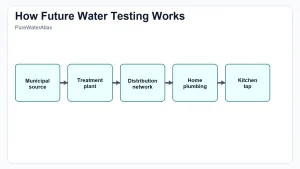
The future water testing landscape is changing rapidly as public health needs, aging infrastructure, climate pressures, and advances in analytical science converge. Drinking water testing … Read more
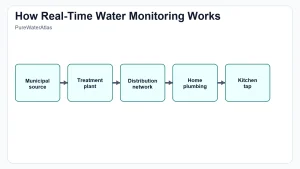
Real-time water monitoring is changing how utilities, facility managers, researchers, and even some homeowners understand drinking water quality. Instead of relying only on occasional grab … Read more
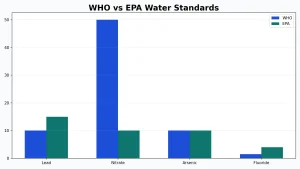
Water quality standards are the backbone of safe drinking water systems. They define which contaminants matter, how much of each substance can be present, how … Read more
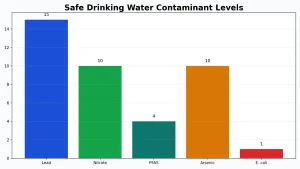
Understanding safe levels for drinking water contaminants is essential for anyone who wants to make informed decisions about household water quality. The phrase water safety … Read more
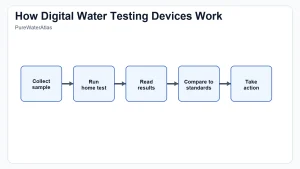
Digital water testing has moved water analysis far beyond color strips, single-use vials, and laboratory-only measurement. Today, compact meters, connected probes, and cloud-enabled platforms can … Read more
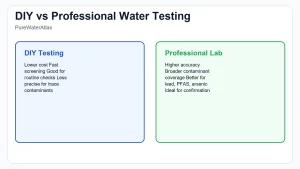
When people start asking whether their drinking water is truly safe, one of the first decisions they face is the core question behind diy vs … Read more
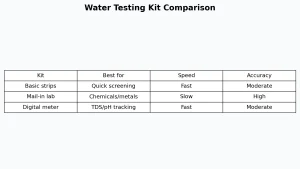
Choosing the best water test kit is harder than it looks. The market is crowded with strips, drops, handheld meters, mail-in laboratory panels, and multi-parameter … Read more
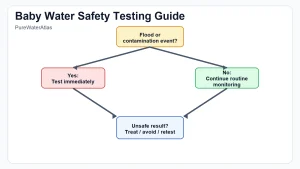
Protecting water safety babies depend on is one of the most important parts of creating a healthy home environment. Infants, young children, pregnant people, older … Read more
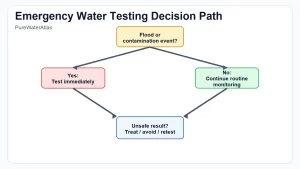
Floods, hurricanes, wildfires, earthquakes, winter storms, and infrastructure failures can rapidly turn a familiar drinking water source into an uncertain one. In these situations, emergency … Read more
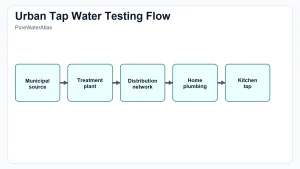
Tap water testing is one of the most practical ways urban households can verify what is actually coming out of the faucet rather than relying … Read more
For homeowners who rely on a private well, water quality is not something managed continuously by a municipal utility. The responsibility for routine monitoring, contamination … Read more