
Introduction
Activated carbon filtration is one of the most widely used methods for improving drinking water quality in homes, offices, and commercial settings. Many people rely on these systems to reduce chlorine, improve taste, and address a range of organic contaminants. Because they are so common, it is easy to assume they will continue working well without much attention. In reality, like any treatment technology, they can decline in performance over time, become overloaded, or develop maintenance-related issues that affect water quality.
Understanding activated carbon water filters warning signs is important for anyone who uses a pitcher filter, refrigerator filter, faucet attachment, under-sink unit, whole-house filter, or point-of-entry treatment system containing activated carbon. Filters often fail gradually rather than suddenly. That means the earliest clues may be subtle changes in taste, odor, appearance, water flow, or household symptoms that people do not immediately connect to the filter itself.
This article explains how activated carbon filters work, what can go wrong, and what signs may suggest the system needs inspection, testing, replacement, or professional attention. It also addresses activated carbon water filters taste and odor changes, activated carbon water filters visible signs, possible activated carbon water filters health symptoms, guidance on activated carbon water filters when to test, and practical activated carbon water filters risk indicators that should not be ignored.
If you want broader background on treatment methods, system types, and water quality fundamentals, readers often benefit from exploring resources in water purification and water science. For a more complete overview of filter design and function, see this complete guide to activated carbon water filters.
What It Is
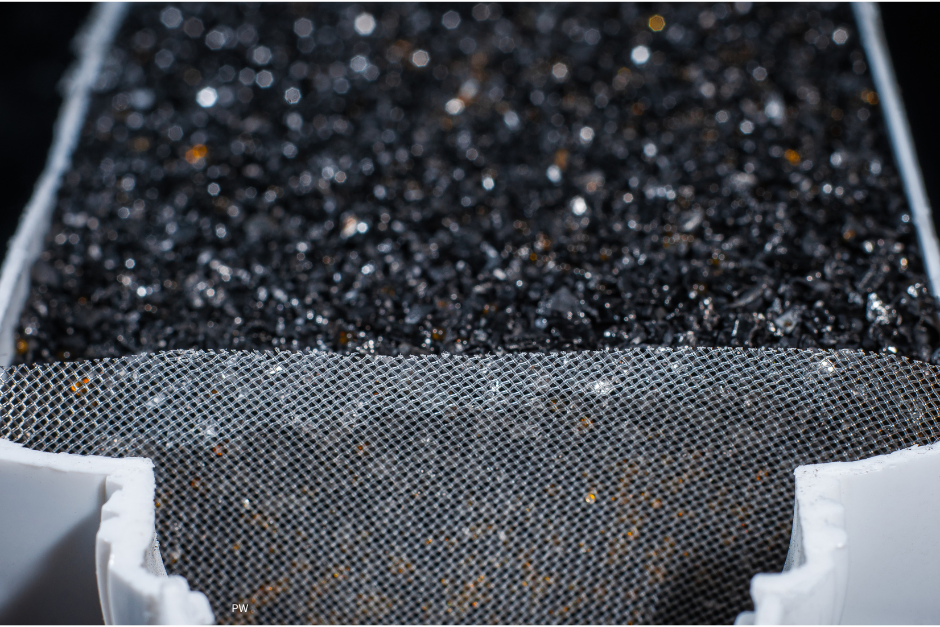
Activated carbon is a specially processed form of carbon with a very large internal surface area. This structure allows it to adsorb many chemicals from water, especially chlorine, volatile organic compounds, and compounds responsible for unpleasant tastes and odors. Adsorption is different from absorption. Instead of soaking substances into its bulk like a sponge, activated carbon captures them on its surface and within microscopic pores.
There are several common forms of activated carbon used in water filtration:
- Granular activated carbon (GAC): Loose carbon granules through which water flows.
- Carbon block: Compressed carbon with smaller pore spaces, often offering better contact time and particle reduction.
- Catalytic carbon: A modified form designed to more effectively reduce certain contaminants such as chloramine and hydrogen sulfide under appropriate conditions.
Activated carbon filters are valued because they can significantly improve drinking water aesthetics. In many systems, users notice clearer, fresher, and more pleasant-tasting water almost immediately after installation. However, performance depends on flow rate, contact time, incoming contaminant load, water chemistry, maintenance, and the specific contaminants the filter is certified to address.
It is also important to recognize what activated carbon does not reliably remove on its own. Standard carbon filters may not adequately reduce dissolved minerals, nitrate, many metals, fluoride, or microbial contamination unless they are specifically designed and certified for those purposes or used as part of a multi-stage treatment system. This gap in understanding is one reason warning signs may be overlooked. If users assume the filter makes all water safe under all conditions, they may not realize that changing source water quality or system degradation can create new concerns.
A well-functioning carbon filter should generally provide water with reduced chlorine odor, stable taste, and predictable flow. When that pattern changes, it may be time to investigate. For more on common contamination pathways and system stressors, see causes and sources affecting activated carbon water filters.
Main Causes or Sources
Most activated carbon filter problems arise from predictable causes. These include normal media exhaustion, poor maintenance, excessive contaminant loading, incorrect system sizing, microbial growth, and changes in the source water. Recognizing these root causes helps users interpret warning signs accurately instead of guessing.
Filter Media Exhaustion
The most common issue is simple saturation. Activated carbon has a limited adsorption capacity. Over time, the pores fill with captured compounds, and the filter becomes less effective. Once this happens, chlorine, taste-causing compounds, and organic chemicals may begin passing through. This often appears first as a return of the original tap water character.
Exhaustion may happen sooner than expected when:
- Household water use is higher than assumed
- The source water has elevated chlorine or organic contamination
- The filter cartridge is older than the manufacturer’s replacement interval
- The system was undersized for the application
Improper Replacement Schedules
Many users wait until water looks obviously bad before replacing a cartridge. Unfortunately, activated carbon often loses effectiveness before dramatic changes are visible. Some contaminants have no taste, color, or odor. A filter may appear normal while no longer performing to specification. Delayed replacement is therefore one of the clearest activated carbon water filters risk indicators.
Microbial Growth in the Filter
Activated carbon can remove disinfectants such as chlorine. While this improves taste, it also means that downstream portions of the system may have less residual protection against microbial growth. If the filter remains damp, unused for long periods, or loaded with organic matter, bacteria may colonize the media or housing. This does not automatically mean dangerous contamination, but it is a recognized maintenance concern, especially in warm environments or low-use systems.
Sediment and Pre-Filter Failure
If sediment, rust, or particulates reach the carbon stage in large amounts, the filter can clog or channel. Clogging reduces flow and contact consistency. Channeling occurs when water finds preferential pathways through the media, reducing effective treatment. In both cases, performance may decline. A failing sediment pre-filter can therefore indirectly create activated carbon problems.
Source Water Changes
Municipal water quality can fluctuate seasonally or operationally. Private wells may also change due to rainfall, drought, runoff, nearby construction, aquifer conditions, or plumbing disturbances. If incoming chlorine, chloramine, sulfur compounds, organic matter, or sediment levels shift, a filter that once performed well may suddenly struggle. This is an important factor in activated carbon water filters when to test decisions.
Incorrect Filter Selection
Not all carbon filters are equal. A product designed mainly for chlorine taste and odor reduction may not be suitable for chloramine, industrial solvents, pesticides, or sulfur odors. If the selected filter does not match the water problem, users may think the unit is failing when it was never designed for that specific contaminant. Understanding certification claims is essential.
Installation and Plumbing Issues
Leaks, loose fittings, wrong flow direction, bypass settings, incompatible housings, or poorly sanitized replacement procedures can all undermine performance. Sometimes the warning sign is not exhausted carbon but a mechanical issue in the system. Visible drips, pressure loss, or trapped air may point to installation-related causes rather than media exhaustion alone.
Health and Safety Implications
Activated carbon filters are often used to improve water quality, but when they are overdue for service or poorly matched to the application, there can be practical health and safety concerns. These may range from nuisance issues to more serious exposure risks, depending on the source water and what contaminants are present.
Taste and Odor Changes
One of the earliest and most common activated carbon water filters taste and odor warning signs is the return of chlorine smell or the appearance of musty, earthy, metallic, chemical, or sulfur-like odors. While odor changes do not always indicate immediate danger, they should not be dismissed. They often signal reduced adsorption performance, source water changes, or possible microbial growth within the system.
Likewise, water that tastes flat, bitter, medicinal, plastic-like, or unusually strong compared with normal filtered water deserves attention. Taste and odor are sensory indicators, not complete safety tests, but they are useful early alerts.
Possible Health Symptoms
Consumers sometimes ask about activated carbon water filters health symptoms. It is important to be cautious here. Symptoms alone cannot diagnose a water quality problem, and many health issues have unrelated causes. However, if multiple people experience similar symptoms and these seem to correlate with drinking water use or a recent filter issue, water testing should be considered.
Potential concerns that may prompt investigation include:
- Gastrointestinal upset, especially if microbial contamination is suspected
- Headaches or irritation associated with strong chemical tastes or odors
- Reluctance to drink water due to unpleasant flavor, leading indirectly to lower hydration
- Skin or sensory complaints when the same source is used in whole-house systems and treatment performance has changed
Again, these are not proof of filter-related contamination. They are signals that warrant a closer look, especially when combined with other warning signs such as expired cartridges, stagnant systems, or major changes in the source water. More detailed discussion is available in health effects and risks related to activated carbon water filters.
Loss of Protection Against Target Contaminants
The main safety implication of an exhausted carbon filter is not the carbon itself, but the possibility that target contaminants are no longer being effectively reduced. For example, if a household depends on the filter for chlorine reduction only, the issue may mainly be taste and odor. But if the filter is part of a strategy to reduce volatile organic compounds or disinfection byproducts, reduced performance may have greater significance.
Because many contaminants are not detectable by taste or smell, a lack of obvious symptoms does not necessarily mean all is well. This is why regular replacement schedules and periodic testing are important.
Microbial Concerns in Stagnant or Neglected Systems
If a carbon filter is left unused for days or weeks, especially in warm conditions, microbial growth can become more likely. Signs may include slimy surfaces, cloudy water after periods of stagnation, earthy or swampy odor, or black specks accompanied by foul smell from deteriorated cartridges or biofilm disturbance. In such cases, flushing and cartridge replacement may not be enough if the housing and downstream plumbing also require cleaning and sanitization.
Testing and Detection
Testing is the best way to move from suspicion to evidence. While sensory changes are useful clues, they cannot identify all contaminants or confirm the exact reason a filter is underperforming. Effective detection combines observation, maintenance records, and appropriate laboratory or field testing.
Visible and Practical Warning Signs
Several activated carbon water filters visible signs can suggest a problem:
- Black particles or fines in filtered water, especially after installation or from degrading cartridges
- Cloudiness that persists instead of clearing after flushing
- Slime, discoloration, or buildup inside housings or around fittings
- Cracked housings, leaking connections, or water stains near the system
- Noticeable drop in water pressure or flow rate
- An unexpectedly fast return of chlorine smell after a recent replacement
Some black particles are harmless carbon fines released from a new cartridge and may disappear after proper flushing. However, recurring particles or particles appearing long after installation merit inspection.
When to Test
Homeowners often ask about activated carbon water filters when to test. The best times include:
- When taste, odor, or appearance changes suddenly
- When the filter has exceeded its rated service life
- After long periods of non-use or stagnation
- After flooding, plumbing work, construction, or water main breaks
- When switching water sources or noticing seasonal changes
- If vulnerable individuals are present, such as infants, older adults, or immunocompromised people
- When unexplained household symptoms appear alongside water quality changes
What to Test For
Testing should reflect the actual risk. A basic strategy may include some combination of:
- Chlorine or chloramine residual: Useful for checking whether the carbon is still reducing disinfectant as expected.
- Heterotrophic plate count or microbial indicators: Sometimes used in troubleshooting stagnation or sanitation issues.
- Volatile organic compounds: Appropriate if the system is intended to reduce organic chemicals.
- Taste and odor-related compounds: In specialized investigations.
- General water quality parameters: pH, turbidity, hardness, iron, manganese, and sediment can affect performance.
For municipal supplies, reviewing the utility’s annual water quality report can provide useful baseline context. For private wells, regular direct testing is especially important because water quality can change without notice. Broader regional information may also be found in resources related to global water quality.
How to Interpret Results
A single result should be interpreted carefully. Ideally, compare:
- Source water before filtration
- Filtered water after treatment
- Manufacturer claims and certification standards
- The age and service history of the cartridge
If pre-filter and post-filter results are similar for a contaminant the system is supposed to reduce, the cartridge may be exhausted, improperly installed, or unsuitable for that contaminant. If microbial indicators rise after the filter, sanitation or stagnation issues may be involved. When results are unclear, a certified water treatment professional or laboratory can help with interpretation.
Prevention and Treatment
The most effective way to manage activated carbon filter problems is prevention. Regular maintenance, correct sizing, source-water awareness, and timely replacement greatly reduce the chances of performance decline going unnoticed.
Follow Certified Product Guidance
Use filters certified by recognized third-party organizations for the contaminants you actually need to address. Marketing language is not the same as certification. A product that claims to improve taste may not be validated for other reductions. Match the filter to the problem.
Replace Cartridges on Schedule
Do not wait for severe symptoms. Replace cartridges according to the manufacturer’s time and gallon rating, whichever comes first. In high-use households or difficult water conditions, replacement may be needed sooner. Keep a written installation date on each cartridge or housing.
Flush New and Idle Filters Properly
Many carbon cartridges need initial flushing to remove fines and condition the media. Systems unused for extended periods should also be flushed before drinking the water. If the manufacturer recommends sanitizing the housing during replacement, that step should not be skipped.
Control Sediment and Flow Conditions
If the source water contains sediment, use an appropriate pre-filter to protect the carbon stage. Maintain proper flow rate, because water moving too quickly through the media may reduce contact time and treatment effectiveness. Oversized demands on undersized systems are a frequent hidden cause of poor performance.
Address Visible Damage Promptly
Leaks, cracked housings, bypass failures, and damaged O-rings can compromise the entire treatment process. These are significant activated carbon water filters risk indicators, not just plumbing annoyances. Repair or replace defective parts immediately.
Sanitize When Needed
If there is evidence of microbial growth, foul odor after stagnation, or contamination during cartridge change, the filter housing and affected plumbing may need sanitization according to manufacturer instructions or professional guidance. In some cases, full cartridge replacement is necessary rather than trying to salvage an old filter.
Use Testing as Part of Routine Management
Testing should not be reserved only for emergencies. Periodic verification helps confirm that the system is still doing what users expect it to do. This is particularly valuable for households relying on treatment for specific chemical reductions or using private well water.
Know When to Upgrade the System
If water quality problems are complex, activated carbon alone may not be enough. Multi-stage systems combining sediment filtration, carbon, reverse osmosis, UV disinfection, ion exchange, or specialized media may be more appropriate. Repeated warning signs despite proper maintenance often indicate a mismatch between the treatment method and the actual water chemistry.
Common Misconceptions
Several misunderstandings can prevent people from recognizing warning signs early.
If the Water Looks Clear, the Filter Must Be Working
Clear water is not proof of effective treatment. Many contaminants reduced by carbon are invisible. A cartridge can be exhausted even when the water appears normal.
Activated Carbon Removes Everything
This is one of the most common myths. Standard activated carbon is highly effective for certain compounds, but not all. Depending on the contaminant, additional technologies may be required.
Taste and Odor Are Only Cosmetic Issues
Sometimes they are, but not always. Taste and odor changes are often the earliest operational signals that something has changed in the filter or source water. They deserve investigation rather than dismissal.
A Recently Installed Filter Cannot Be the Problem
New filters can also cause issues if they are incorrectly installed, not adequately flushed, incompatible with the housing, defective, or poorly stored before use. New does not automatically mean problem-free.
Replacing the Cartridge Solves Every Issue
If the underlying problem is source water change, microbial contamination in the housing, inadequate pre-filtration, wrong filter selection, or plumbing damage, simply swapping cartridges may not fix it.
No Symptoms Means No Risk
Many contaminants have no immediate or obvious sensory effect. The absence of bad taste, odor, or short-term symptoms does not guarantee full protection. This is why maintenance schedules and testing matter.
Regulations and Standards
Activated carbon filters used in homes are typically governed less by direct operational regulation in the home and more by product certification, performance standards, and general drinking water oversight at the source. Understanding these frameworks helps consumers evaluate product quality and maintenance expectations.
Drinking Water Source Standards
Municipal utilities in many countries must meet legally enforceable drinking water standards for contaminants such as disinfectants, byproducts, metals, microbes, and other regulated substances. However, compliance at the utility level does not eliminate the need for point-of-use maintenance. Water can change in household plumbing, and treatment devices can degrade if neglected.
Third-Party Certification
Consumers should look for filters tested and certified to recognized standards, often through organizations such as NSF or ANSI-related certification bodies. Relevant certifications may address aesthetic effects like chlorine taste and odor, as well as performance claims for certain health-related contaminants. The specific standard matters because a filter certified for chlorine reduction is not automatically certified for volatile organic chemicals, lead, cysts, or chloramine.
Manufacturer Instructions and Warranty Conditions
Replacement intervals, operating temperature, pressure limits, and sanitation procedures are not optional suggestions. They are part of the conditions under which the system is expected to perform. Ignoring these instructions may reduce effectiveness and void warranty protection.
Well Owner Responsibilities
Private well users are generally responsible for monitoring and maintaining their own water quality. This makes awareness of warning signs especially important. There may be no utility performing routine oversight, so periodic testing and proper treatment verification become essential responsibilities.
Why Standards Still Require User Vigilance
Even a certified, well-designed activated carbon filter can only perform as intended within its tested conditions. Real-life water chemistry, maintenance lapses, unusual contaminant spikes, and installation errors can all affect results. Standards improve reliability, but they do not replace observation, testing, and routine service.
Conclusion
Activated carbon filtration remains a valuable and effective water treatment method, especially for improving chlorine-related taste and odor and reducing selected organic contaminants. But these systems are not maintenance-free, and the signs of declining performance are often subtle at first. Paying attention to activated carbon water filters warning signs can help prevent nuisance problems from becoming more serious water quality concerns.
Key signals include returning chlorine smell, unusual flavor, musty or sulfur-like odor, black particles, reduced flow, leaks, overdue cartridge replacement, and changes in source water conditions. These activated carbon water filters visible signs and activated carbon water filters risk indicators should prompt inspection and, when appropriate, testing. Users should also take seriously questions about activated carbon water filters when to test, especially after stagnation, plumbing disturbances, flooding, or unexplained changes in water quality.
Although sensory observations are useful, they are not a substitute for evidence. The best protection comes from combining proper filter selection, certified products, scheduled maintenance, source-water awareness, and periodic water testing. When there is uncertainty, professional guidance can help determine whether the issue is exhausted media, microbial growth, installation error, or a broader water chemistry problem.
Informed users are better able to maintain treatment performance and protect confidence in the water they drink every day. By understanding how activated carbon works and recognizing early warning signs, households can respond quickly, avoid unnecessary risks, and keep their filtration systems operating as intended.
Read the full guide: Water Purification Guide
Explore more in this category: Water Purification Articles