Introduction
Activated carbon filters are among the most widely used technologies in household and commercial water treatment. They are valued for their ability to improve taste and odor, reduce chlorine, and remove a range of organic contaminants. Because of this popularity, many people search for reliable information about activated carbon water filters health effects, including whether these systems create risks when used improperly or maintained poorly. The answer is nuanced: activated carbon itself is generally considered safe in water treatment, but the overall health outcome depends heavily on filter design, source water quality, maintenance schedules, and user expectations.
In practical terms, activated carbon can be highly beneficial when it is matched to the right contaminants and replaced on time. However, a neglected, overloaded, or poorly selected filter may fail to remove targeted pollutants and can sometimes contribute to secondary concerns such as microbial growth, breakthrough of contaminants, or a false sense of security. These issues are especially important for households using private wells, immunocompromised individuals, infants, and people with specific medical concerns related to waterborne contaminants.
This article explains how activated carbon works, what it can and cannot remove, and how to evaluate activated carbon water filters symptoms, activated carbon water filters long term risks, and activated carbon water filters exposure levels in a realistic and evidence-based way. It also outlines the groups most likely to be affected by water quality failures and the testing strategies that support safer use. Readers seeking broader background may also find useful information in water purification resources, a technical overview in the complete guide to activated carbon filters, and related science topics in water science and water microbiology.
What It Is
Activated carbon is a highly porous form of carbon processed to have an exceptionally large surface area. This structure allows it to trap or adsorb many dissolved chemicals from water. It is commonly made from materials such as coconut shells, wood, coal, or other carbon-rich feedstocks that are heated and activated to create millions of microscopic pores.
In water treatment, activated carbon is typically used in two main forms:
- Granular activated carbon (GAC): Loose granules packed into cartridges, tanks, or filter beds. Water flows through the media, and contaminants are adsorbed onto the carbon surface.
- Carbon block: Finely powdered carbon compressed into a solid block, often with a binder. Carbon block filters usually provide tighter filtration, better contact time, and more consistent performance than many basic GAC designs.
Activated carbon is especially effective at reducing:
- Chlorine and chloramine byproducts in some applications
- Volatile organic compounds (VOCs)
- Compounds causing unpleasant tastes and odors
- Some pesticides, herbicides, and industrial solvents
- Certain disinfection byproducts
However, activated carbon does not reliably remove all contaminants. Standard activated carbon filters are usually not the best choice for dissolved salts, nitrates, fluoride, many heavy metals unless specially engineered, and most microorganisms unless combined with additional treatment technologies. This limitation is central to understanding activated carbon water filters medical concerns. A filter can make water taste better while leaving serious contaminants behind if the wrong technology is chosen.
The health effects associated with activated carbon water filtration therefore do not usually come from the carbon material itself. Rather, they arise from one of four issues: the source water contains contaminants the filter cannot remove, the filter is exhausted and no longer effective, the system becomes a site for microbial colonization, or consumers assume the water is safer than it actually is.
Main Causes or Sources
When discussing the safety of activated carbon filtration, it is useful to separate beneficial use from risk pathways. The main causes of problems usually involve system limitations, maintenance failures, or mismatches between treatment goals and source water conditions. More detail on common source issues can be found in this overview of causes and sources.
Inadequate Match Between Filter and Contaminant
Activated carbon performs best on certain organic chemicals and aesthetic contaminants. It is far less reliable for contaminants such as arsenic, nitrate, sodium, hardness minerals, and many dissolved inorganic substances. If people use carbon filtration where reverse osmosis, ion exchange, distillation, ultraviolet disinfection, or specialized adsorption media are actually needed, the result may be continued exposure to unsafe water.
This mismatch can lead to confusion because the water may smell and taste better even while chemical or microbiological hazards remain present.
Filter Saturation and Breakthrough
Activated carbon has a finite adsorption capacity. Over time, its pores become filled with adsorbed contaminants. Once the media is saturated, the filter may no longer remove pollutants effectively. In some cases, contaminant levels in filtered water can rise again, a process often called breakthrough. The timing depends on:
- The concentration of contaminants in incoming water
- The amount and type of activated carbon
- Water flow rate and contact time
- Temperature and pH
- Presence of competing contaminants
- Frequency and volume of water use
This is one reason why activated carbon water filters exposure levels can vary dramatically from one household to another. Two identical filters may perform very differently if one home has lightly chlorinated municipal water and another has solvent contamination or a high organic load.
Microbial Growth in Filters
Activated carbon can remove disinfectants such as chlorine, which improve taste but also help suppress microbial growth in distribution systems. Once chlorine is removed, conditions downstream of the filter may become more favorable for bacteria to multiply, especially if filters are left wet for long periods, exposed to warm temperatures, or used beyond their intended service life.
Not all bacterial growth in a filter leads to disease, but it can create hygiene concerns, unpleasant odors, slime formation, and occasional increases in heterotrophic bacteria. In vulnerable users, microbial contamination may carry greater significance. For related background, see water microbiology.
Poor Installation or Storage Conditions
Another source of risk is improper installation or handling. A filter cartridge stored in a damp environment, installed into a contaminated housing, or connected with unsanitary plumbing can introduce problems unrelated to the carbon media itself. Point-of-use systems with infrequent use can also develop stagnation, which may affect water quality after periods of nonuse.
Misleading Expectations and False Reassurance
One of the most important causes of harm is behavioral rather than chemical. People may delay proper testing, assume all filters remove all contaminants, or stop other recommended precautions because their water now tastes better. For example, a family using untreated well water may install a carbon pitcher filter believing it protects against bacteria, nitrates, and metals, when it may do little for those hazards.
Health and Safety Implications
The overall health implications of activated carbon filtration are best understood as a balance of benefits and risks. Used correctly, these filters can reduce exposure to specific chemicals and improve palatability, which may encourage adequate water intake. Used incorrectly, they may leave hazards untreated or create secondary quality issues.
Potential Health Benefits
The strongest benefits occur when activated carbon is applied to contaminants it is designed to reduce. This can include lowering exposure to chlorine-related tastes and odors, selected VOCs, and some synthetic organic chemicals. In situations where source water contains aesthetic contaminants that discourage people from drinking tap water, filtration may support better hydration and lower reliance on sugary beverages.
Some certified systems are also designed to reduce lead, cysts, or other contaminants, but these outcomes depend on the specific product standard and certification claim. It is important not to assume all activated carbon filters provide the same protection.
Activated Carbon Water Filters Symptoms
There are no unique medical symptoms caused by activated carbon itself under normal drinking water use. Instead, symptoms linked to activated carbon filter problems are typically symptoms of exposure to contaminants the filter failed to remove or microbial issues associated with poor maintenance. Potential activated carbon water filters symptoms can therefore include:
- Gastrointestinal upset such as nausea, diarrhea, or abdominal discomfort if waterborne pathogens are present
- Headaches or irritation related to ongoing chemical exposure in rare contamination situations
- Unpleasant taste, odor, or visible particles indicating filter exhaustion or contamination
- Skin or sensory complaints that prompt investigation of source water quality
These symptoms are nonspecific and can have many causes. They should not be used alone to diagnose water-related illness. Any suspected health impact should be evaluated with water testing and, where appropriate, medical assessment.
Activated Carbon Water Filters Medical Concerns
The main activated carbon water filters medical concerns involve indirect consequences:
- Incomplete removal of harmful contaminants: Especially significant for nitrate, arsenic, fluoride, PFAS depending on filter type, and microbial hazards not covered by the system.
- Microbial colonization: Particularly in old cartridges, room-temperature storage units, countertop systems, or low-use filters.
- Delayed recognition of unsafe water: Improved taste may mask unresolved contamination.
- Particle shedding: New filters may release harmless carbon fines unless flushed as directed, but persistent particulate release may indicate improper use or product quality problems.
Activated Carbon Water Filters Long Term Risks
The phrase activated carbon water filters long term risks refers less to chronic exposure to carbon media and more to long-term exposure to inadequately treated water. Examples include:
- Continued ingestion of contaminants not effectively removed by carbon filtration
- Accumulated exposure after filter breakthrough if cartridges are not replaced on time
- Repeated exposure to microbial contamination in neglected systems
- Long-term dependence on a filter that is not certified for the contaminants actually present
Chronic health consequences vary according to the contaminant. Long-term exposure to certain solvents, pesticides, disinfection byproducts, metals, or nitrates may carry risks ranging from organ toxicity to developmental effects or increased cancer risk, depending on the substance and dose. The danger lies in assuming filtration is protective when it is not.
Activated Carbon Water Filters Vulnerable Groups
Some populations deserve special attention when assessing activated carbon water filters vulnerable groups:
- Infants: Particularly sensitive to nitrate contamination and certain microbial exposures. Formula preparation requires especially safe water.
- Pregnant individuals: Waterborne contaminants can have developmental implications depending on the substance involved.
- Immunocompromised people: More vulnerable to opportunistic pathogens that may proliferate in poorly maintained systems.
- Older adults: May be more affected by dehydration, chronic disease interactions, or infectious complications.
- People using private wells: Wells may contain contaminants not addressed by carbon filtration, and they do not have the routine oversight of municipal systems.
- People with kidney disease or medically restricted contaminant exposure: Certain dissolved substances may require specific treatment beyond carbon.
For these groups, choosing a filter based only on taste improvement is not sufficient. Source-specific testing and technology selection are essential.
Activated Carbon Water Filters Exposure Levels
Activated carbon water filters exposure levels depend on three linked factors: what is present in the incoming water, what the filter is certified or capable of removing, and whether the filter is still functioning within its rated capacity. Exposure can be low when the filter is new and properly matched to the contaminant, but much higher when any of these conditions fail.
Important variables affecting exposure levels include:
- Contaminant concentration in source water
- Duration of filter use before replacement
- Peak flow versus normal flow conditions
- Intermittent versus continuous use
- Water chemistry that affects adsorption efficiency
- Presence of competing compounds that occupy adsorption sites
Because these variables are dynamic, exposure should be assessed through testing rather than assumptions.
Testing and Detection
Testing is the most reliable way to determine whether an activated carbon filter is providing meaningful protection. Taste, smell, and appearance can offer clues, but they cannot confirm the absence of harmful contaminants. A clearer overview of methods is available at testing and detection methods for activated carbon filters.
Source Water Testing
Before selecting a filter, users should identify what is in their water. Municipal water consumers can start with utility water quality reports, but household plumbing can still contribute local issues such as lead. Private well owners should use laboratory testing because no public utility is monitoring the water for them.
Testing priorities may include:
- Coliform bacteria and E. coli
- Nitrate and nitrite
- Lead and other metals where relevant
- VOCs or pesticides if there is an environmental source nearby
- PFAS where local contamination is suspected
- General indicators such as pH, hardness, and total dissolved solids for system planning
Filter Performance Certification
One of the most important detection tools is not a laboratory test but a product certification review. Reputable filters are independently certified to standards that specify which contaminants they can reduce and under what conditions. A consumer should verify the exact claims rather than relying on generic marketing language such as “pure” or “healthy.”
Key questions include:
- What contaminants is the system certified to reduce?
- At what influent concentration was it tested?
- What is the rated capacity in gallons or months?
- Does certification apply to the full system or only a component?
Operational Signs of Filter Failure
Although symptoms are not definitive, several operational changes can suggest a need for inspection or replacement:
- Return of chlorine taste or odor
- Reduced flow rate
- Musty or earthy odors
- Cloudiness or released carbon fines beyond initial flushing
- Missed replacement interval
These signs should prompt maintenance and, if contamination is possible, water testing.
Post-Filter Testing
In higher-risk situations, testing both untreated and filtered water can help verify performance. This is especially useful for well water, contaminant-specific concerns, or households with vulnerable members. Because not all home test kits are equally reliable, certified laboratory analysis is often the best option for health-related decisions.
Prevention and Treatment
Preventing activated carbon filter-related problems involves matching the technology to the water, maintaining the system correctly, and responding quickly when quality changes appear.
Choose the Right Filter for the Right Problem
The first preventive step is understanding that activated carbon is one tool among many. It is excellent for some applications and inappropriate for others. If laboratory results show contaminants not effectively treated by carbon alone, a multi-stage system or different treatment approach may be needed.
- Use activated carbon for chlorine, taste, odor, and many organic compounds when certified for those contaminants.
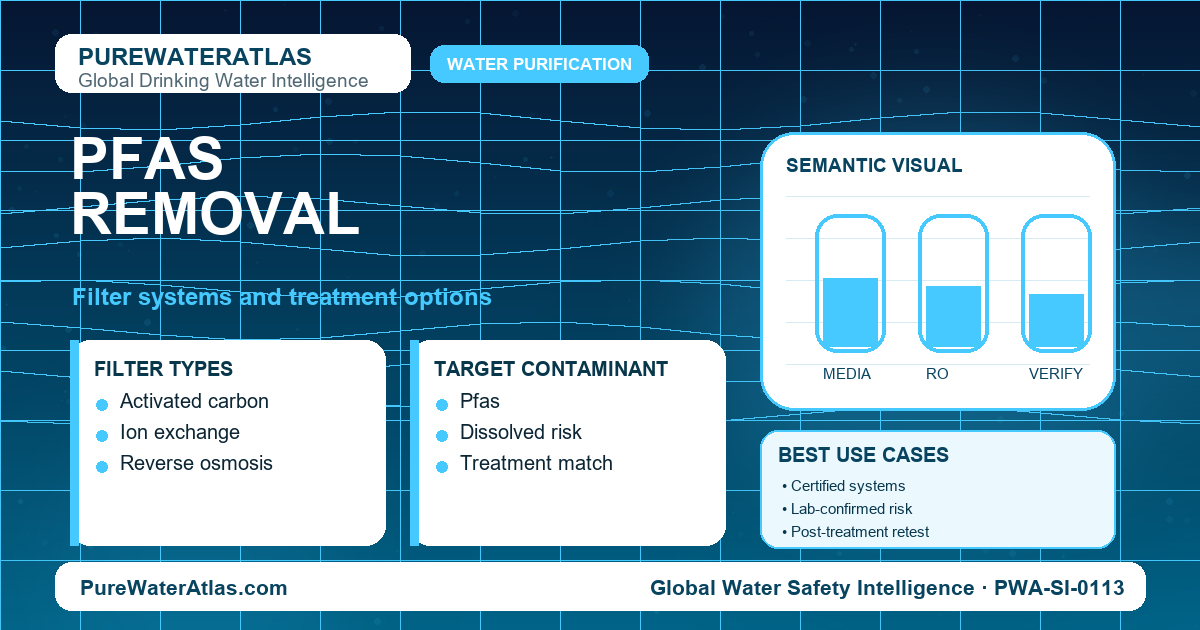
- Use reverse osmosis, ion exchange, or specialized media for contaminants such as nitrate, fluoride, or certain metals.
- Use ultraviolet disinfection, chlorination, or other microbiological controls when pathogens are a concern.
Replace Cartridges on Schedule
Following the manufacturer’s replacement interval is critical. Waiting until taste changes occur may be too late because some contaminants have no obvious sensory signal. Replacement schedules should consider actual water use and source water quality; heavily contaminated water may exhaust a filter faster than the nominal rating suggests.
Maintain Hygiene During Installation
Hands, housings, fittings, and storage conditions all matter. Filters should be installed according to instructions, and housings should be cleaned or sanitized when cartridges are changed if the manufacturer recommends it. Long periods of stagnation should be avoided, and systems unused for days may need flushing before consumption.
Flush New or Idle Filters
Most new filters release some carbon fines at startup. This is usually not dangerous, but flushing removes loose particles and prepares the media for use. Filters that have sat unused may also benefit from flushing to clear stagnant water.
Use Supplemental Treatment When Needed
If health-protective treatment is required, activated carbon may be part of a broader treatment train rather than the sole barrier. For example, carbon can improve taste and reduce organic chemicals while reverse osmosis handles dissolved contaminants and ultraviolet treatment addresses microbial concerns.
Medical Evaluation and Response
If household members develop symptoms that may be related to water, the most appropriate response is to stop using the suspected source for drinking and cooking until it can be evaluated. Seek medical advice when symptoms are severe, persistent, or involve vulnerable individuals. Water testing should be performed in parallel, since treatment depends on identifying the actual contaminant rather than blaming the filter material itself.
Common Misconceptions
Many misunderstandings about activated carbon filtration contribute to preventable risk.
“If Water Tastes Better, It Is Safe”
This is one of the most common misconceptions. Activated carbon often improves taste and odor dramatically, but aesthetic improvement does not guarantee safety. Some dangerous contaminants are colorless, odorless, and tasteless.
“All Carbon Filters Remove the Same Contaminants”
Different filters use different carbon types, block densities, flow designs, and certifications. One product may reduce chlorine only, while another is certified for lead, cysts, or certain chemicals. Consumers must look at specific certification claims.
“Activated Carbon Removes Bacteria”
Standard activated carbon filters are not a substitute for disinfection. Some systems may physically reduce certain cysts or microorganisms if certified, but carbon alone should not be assumed to make microbiologically unsafe water safe to drink.
“Filters Last Until Water Flow Stops”
A filter can continue passing water long after its adsorption capacity is exhausted. Good flow does not mean effective contaminant removal.
“The Carbon Itself Is Toxic”
Under normal water treatment use, activated carbon is generally considered safe. The more meaningful concern is whether the system is effective, clean, and maintained properly.
Regulations and Standards
Activated carbon filters are influenced by several layers of regulation and standardization, though oversight varies by jurisdiction and product type. In general, drinking water safety is managed through public water regulations, while point-of-use treatment devices rely heavily on certification standards and consumer product requirements.
Public Drinking Water Oversight
Municipal water suppliers are typically regulated for contaminant limits, monitoring, and treatment performance. Home filtration is often used as an additional step for taste improvement or targeted contaminant reduction, but it does not replace the need for compliant source water treatment.
Private Wells
Private wells are usually the responsibility of the owner, not a public utility. This makes testing and treatment selection especially important. Activated carbon may be useful in well treatment, but only after understanding the well’s actual contaminant profile.
Product Standards and Certifications
Independent certification is a major safeguard for consumers. Standards commonly address aesthetic effects, health-related contaminant reduction, material safety, and structural integrity. Certification bodies test products under specified conditions and verify that claims are supported by evidence.
When evaluating a filter, look for:
- Certification for the exact contaminants of concern
- Clear rated capacity and replacement guidance
- Instructions for safe installation, flushing, and maintenance
- Evidence that product materials are suitable for contact with drinking water
Why Standards Matter for Health Effects
Standards help reduce uncertainty around activated carbon water filters health effects by clarifying what a device can reasonably be expected to do. Without certification, it is difficult to know whether a product meaningfully lowers exposure to specific contaminants or simply functions as a basic taste-and-odor filter.
Conclusion
Activated carbon filtration is a useful and often effective water treatment method, but its health value depends on correct application. The most accurate view of activated carbon water filters health effects is that these systems can reduce exposure to certain unwanted chemicals and improve water acceptability, yet they can also create problems when users misunderstand their limitations, neglect maintenance, or rely on them for contaminants they are not designed to remove.
Concerns about activated carbon water filters symptoms, activated carbon water filters long term risks, and activated carbon water filters medical concerns should therefore focus on water quality management rather than fear of the carbon media itself. The greatest risks usually come from untreated source contaminants, exhausted filters, microbial growth in poorly maintained units, and false reassurance based on better taste.
For safer use, test the source water, select a certified product for the contaminants actually present, replace cartridges on time, and use additional treatment where necessary. This is especially important for activated carbon water filters vulnerable groups such as infants, pregnant people, immunocompromised individuals, and private well users. In the end, understanding activated carbon water filters exposure levels requires data, not guesswork. With proper testing, informed selection, and routine maintenance, activated carbon filters can be an effective part of a broader strategy for safer drinking water.
Read the full guide: Water Purification Guide
Explore more in this category: Water Purification Articles