Introduction
The pH of drinking water is one of the most familiar water quality measurements, yet it is often misunderstood. Many people recognize pH as a number that indicates whether water is acidic, neutral, or alkaline, but fewer understand how that number relates to taste, plumbing, disinfection, contaminants, and possible health outcomes. When discussing ph in drinking water health effects, it is important to begin with a balanced perspective: pH itself is not usually the most direct toxic hazard in normal drinking water, but it can strongly influence water quality, safety, and the way other substances behave in the water supply.
In practical terms, pH affects corrosion, scaling, metal leaching, chlorine disinfection performance, and the stability of treatment systems. Water with a pH that is too low may become corrosive and dissolve metals such as lead or copper from pipes and fixtures. Water with a pH that is too high may create taste problems, reduce the effectiveness of certain disinfectants, and contribute to mineral buildup in plumbing. Because of these interactions, pH is a core operational parameter in municipal treatment plants, private wells, household filtration systems, and industrial water management.
From a health standpoint, concerns about pH in drinking water are usually indirect rather than direct. The human body tightly regulates blood pH, and ordinary variations in drinking water pH are unlikely to change that internal balance. However, water outside a suitable pH range may irritate the eyes or skin in some settings, affect flavor and acceptability, and signal conditions that allow harmful contaminants to enter the water. Questions about ph in drinking water symptoms, ph in drinking water long term risks, and ph in drinking water medical concerns therefore need to be considered alongside plumbing chemistry, disinfection, and source-water conditions.
This article explains what pH means, what causes it to change, how it can affect human health and water safety, how it is tested, and what can be done when pH falls outside recommended ranges. For readers who want broader background, resources in water science and a complete guide to pH in drinking water can provide added context.
What It Is
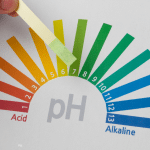
pH is a scale used to describe how acidic or alkaline a solution is. The scale generally runs from 0 to 14, with 7 considered neutral. Values below 7 indicate acidity, and values above 7 indicate alkalinity. The pH scale is logarithmic, which means each whole number change represents a tenfold change in acidity or alkalinity. For example, water with a pH of 6 is ten times more acidic than water with a pH of 7.
In drinking water, pH reflects the concentration of hydrogen ions and is influenced by dissolved minerals, carbon dioxide, treatment chemicals, and environmental conditions. Natural waters do not all have the same pH. Rainwater is often slightly acidic because it absorbs carbon dioxide from the atmosphere. Groundwater may become more alkaline as it dissolves limestone and other minerals. Surface water pH can shift with seasonal changes, biological activity, runoff, and pollution.
It is important to distinguish pH from alkalinity, hardness, and acidity, which are related but not identical. Alkalinity refers to water’s capacity to resist pH change, often because of bicarbonates, carbonates, and hydroxides. Hardness refers mainly to dissolved calcium and magnesium. Two water samples may have the same pH but very different alkalinity, meaning one may be stable while the other changes pH easily.
For drinking water systems, pH is both a water quality characteristic and a treatment control parameter. Operators monitor it because it affects:
- Pipe corrosion and metal leaching
- Formation of scale in plumbing and appliances
- Performance of chlorine and other disinfectants
- Taste and consumer acceptance
- Chemical treatment efficiency
Most drinking water guidance places acceptable pH within a range that supports both consumer comfort and system integrity. While exact standards vary by country and agency, a range of about 6.5 to 8.5 is widely used as a practical target. This range does not mean water outside it is automatically dangerous, but it does indicate that water quality and infrastructure concerns become more likely as pH moves farther from neutral.
Understanding pH therefore requires looking beyond the number alone. A mildly low pH in a well-buffered system may be less concerning than a slightly abnormal pH in a corroding plumbing network with elevated lead levels. The full picture includes source water, treatment practices, plumbing materials, and other contaminants. Readers interested in the chemistry behind these differences can explore causes and sources of pH changes in drinking water.
Main Causes or Sources
The pH of drinking water can change for many natural and human-made reasons. These influences may occur at the source, during treatment, within the distribution system, or inside household plumbing.
Natural geological factors
As water moves through soil and rock, it dissolves minerals that can raise or lower pH. Limestone, dolomite, and other carbonate-rich rocks usually make water more alkaline. In contrast, granite and certain mineral-poor formations may produce softer, more acidic water. Groundwater pH often reflects the geology of the aquifer, while surface water pH can vary more quickly because it is exposed to weather, runoff, and biological activity.
Carbon dioxide and natural acidity
Carbon dioxide dissolved in water forms carbonic acid, which can lower pH. This is common in rainwater and in groundwater with high dissolved carbon dioxide. In forested or wetland areas, decaying organic matter can also release acids that reduce pH.
Industrial, agricultural, and urban pollution
Pollution can alter pH directly or indirectly. Acid mine drainage is a well-known cause of very low pH in nearby waters. Industrial discharges, chemical spills, and atmospheric pollution can also influence acidity. Agricultural runoff and urban stormwater may shift pH while adding nutrients, salts, and other substances that affect overall water chemistry.
Water treatment processes
Municipal systems often intentionally adjust pH to optimize coagulation, disinfection, corrosion control, or softening. Treatment chemicals such as lime, sodium hydroxide, carbon dioxide, alum, and acids can raise or lower pH depending on operational goals. In well-managed systems, these adjustments are carefully controlled. Problems may arise if the treatment process is imbalanced or if source water changes unexpectedly.
Distribution system and plumbing interactions
Even if water leaves the treatment plant at an appropriate pH, it may change as it travels through the distribution system. Corrosion, pipe scale, stagnation, and reactions with plumbing materials can affect the final pH at the tap. Household plumbing, especially in older homes, can contribute to pH-related issues if water remains in contact with metal pipes for long periods.
Private wells and household systems
Private well owners may be more likely to encounter pH problems because well water quality is not always continuously managed the way municipal water is. Acidic well water is common in some regions and can cause corrosion and blue-green staining from copper. Home treatment devices, if incorrectly sized or poorly maintained, can also produce unstable pH.
In short, pH shifts are rarely random. They are usually clues to the underlying chemistry of the source water or treatment system. Understanding the cause is essential before selecting a remedy.
Health and Safety Implications
When discussing ph in drinking water health effects, a careful distinction must be made between the direct effects of pH itself and the indirect effects caused by the way pH influences contamination and treatment. This distinction is central to public health practice.
Direct effects of abnormal pH
For most people, drinking water with pH slightly outside the preferred range does not cause severe acute illness by itself. The digestive system is exposed to much stronger acid in the stomach than would normally be found in tap water. However, water with unusually low or high pH may still create practical health and comfort issues:
- Unpleasant sour, metallic, bitter, or soda-like taste
- Mouth or throat irritation in extreme cases
- Eye or skin irritation during bathing or washing for sensitive individuals
- Reduced willingness to drink enough water because of poor taste
These are some of the most commonly cited ph in drinking water symptoms, though they are often nonspecific and may overlap with issues caused by dissolved metals, disinfectants, or other contaminants.
Indirect effects through corrosion and metal leaching
Low-pH water is especially important because it can increase corrosion in pipes, solder, faucets, and fixtures. This matters because corrosive water may dissolve harmful metals into drinking water, including:
- Lead
- Copper
- Iron
- Zinc
- Nickel in some systems
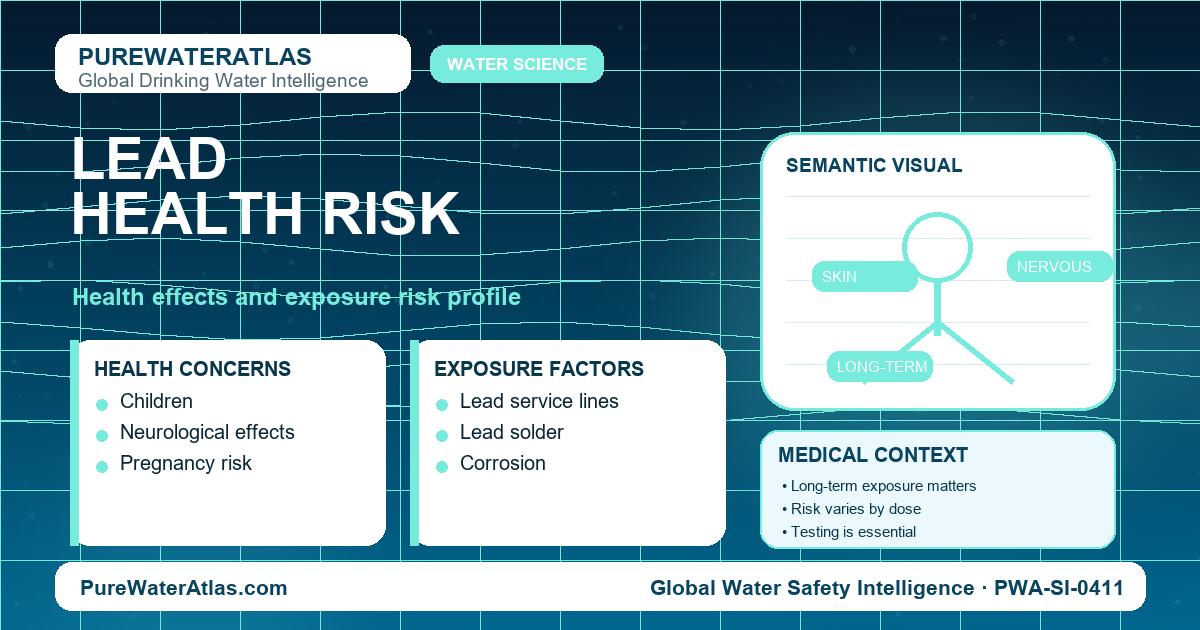
Among these, lead is the most serious public health concern. Lead exposure can harm the brain and nervous system, especially in infants and young children. Copper, while an essential nutrient, can cause gastrointestinal symptoms at elevated levels and may contribute to liver or kidney concerns in susceptible people. Therefore, one of the most important ph in drinking water medical concerns is not pH alone, but whether pH is allowing toxic metals to enter the water from plumbing materials.
Indirect effects through disinfection performance
pH also affects how well chlorine works. As pH rises, the balance of chlorine species changes, and the disinfecting form becomes less dominant. If pH is too high, chlorine may be less effective against pathogens. In other words, poor pH control can compromise microbial safety, especially if the system has other treatment weaknesses. More on pathogen-related water quality can be found in water microbiology.
Indirect effects through scaling and maintenance failures
High-pH water may promote scale formation, particularly when combined with high hardness. Scale can clog pipes, reduce water heater efficiency, and interfere with valves and sensors. While scale itself is not generally a direct toxic hazard, it can complicate treatment and maintenance. In some systems, mineral deposits can shelter microorganisms or impair corrosion control, indirectly affecting water safety.
Short-term symptoms and complaints
Consumers sometimes report changes in water taste, metallic flavor, dry skin, gastrointestinal discomfort, or staining of fixtures when pH is abnormal. These complaints are not always caused by pH directly. For example:
- Metallic taste may come from copper or iron released by corrosive water
- Bitter taste may be linked to alkaline water or certain dissolved salts
- Stomach upset may be associated with high metal content or coincident contamination
- Skin dryness may result from a combination of pH, hardness, soap interaction, and individual sensitivity
Because these symptoms are nonspecific, testing is essential before drawing conclusions.
Long-term risks
The most meaningful ph in drinking water long term risks are linked to persistent corrosion, contaminant release, and reduced treatment reliability rather than to the pH number by itself. Over months or years, poorly controlled pH may contribute to:
- Chronic lead exposure from old plumbing systems
- Elevated copper exposure from corroding pipes
- A greater chance of treatment inefficiency or disinfectant performance problems
- Infrastructure damage that creates future water quality failures
These long-term issues can be especially serious when they go unnoticed in private wells, small systems, schools, childcare settings, or older buildings.
Vulnerable groups
Some populations face greater concern from pH-related water quality issues. The topic of ph in drinking water vulnerable groups is especially important in public health communication. Higher-risk groups include:
- Infants and young children: more sensitive to lead exposure and dehydration if poor-tasting water reduces intake
- Pregnant people: need low-contaminant water because fetal development can be affected by certain toxic metals
- Older adults: may have higher sensitivity to dehydration, mineral imbalances, or plumbing-related contaminants
- People with kidney disease: may need closer attention to overall mineral content and water chemistry
- People with Wilson disease or certain liver conditions: may be more affected by excess copper
- Residents of older homes: at greater risk if low pH promotes lead or copper leaching
Exposure levels and context
Questions about ph in drinking water exposure levels should be framed carefully. There is no simple “dose” of pH in the way there is for lead, nitrate, or arsenic. Instead, exposure concerns depend on how far pH is outside the recommended range, how often the water is consumed, what other chemicals are present, and what materials the water contacts before reaching the tap. For this reason, pH should always be interpreted alongside other water quality indicators.
Testing and Detection
Testing is the only reliable way to know whether pH is contributing to water quality problems. Taste, odor, or staining can suggest an issue, but they cannot confirm pH or identify related contaminants.
Common testing methods
pH can be measured using:
- Test strips: inexpensive and simple, but less precise
- Liquid reagent kits: better than strips for rough screening
- Digital pH meters: more accurate when calibrated correctly
- Laboratory analysis: best for formal assessment, especially with related chemistry tests
For homeowners, a quality digital pH meter or a certified laboratory test is usually the best choice. Municipal systems use continuous or frequent monitoring with calibrated instruments as part of routine operations.
Why pH should not be tested alone
If pH is outside the desired range, additional tests are often needed to understand the cause and consequences. Useful companion measurements include:
- Alkalinity
- Hardness
- Lead
- Copper
- Iron and manganese
- Chlorine residual
- Total dissolved solids
- Conductivity
- Bacteria, when microbial contamination is possible
This broader profile helps determine whether the main issue is corrosion, scaling, source water change, treatment malfunction, or another contaminant problem.
Sampling considerations
Where and when a sample is taken matters. First-draw water that has sat in pipes overnight can show the effect of corrosive plumbing conditions. Flushed samples may better represent water from the distribution system rather than indoor plumbing. If metal contamination is suspected, both types of samples may be useful.
Signs that testing is warranted
Testing should be considered if you notice:
- Metallic, sour, or bitter taste
- Blue-green, reddish, or brown staining
- Frequent plumbing leaks or pinhole corrosion
- Scale buildup in kettles, heaters, or fixtures
- Cloudy water that changes after standing
- A recent change in water source or treatment
- Use of a private well without recent water quality analysis
For a deeper overview of methods and interpretation, see testing and detection methods for pH in drinking water.
Professional evaluation
If pH is significantly abnormal, or if lead, copper, or recurring plumbing damage is suspected, consultation with a certified laboratory, licensed water treatment professional, or local public health authority is advisable. In community systems, pH data should be interpreted with corrosion control records and disinfection performance data.
Prevention and Treatment
Preventing pH-related problems starts with identifying the source and understanding whether the concern is low pH, high pH, unstable chemistry, or a treatment side effect.
Treatment for low pH
Acidic water is often corrected by neutralization. Common approaches include:
- Calcite filters: add calcium carbonate to raise pH
- Calcite-magnesium oxide blends: used when more correction is needed
- Chemical feed systems: inject soda ash or sodium hydroxide in some settings
These methods can reduce corrosion, improve taste, and protect plumbing. However, they may also raise hardness or require regular maintenance and monitoring.
Treatment for high pH
Water with high pH may require treatment depending on the cause. Options include:
- Adjusting treatment chemical doses
- Using acid feed systems in larger or specialized installations
- Addressing excessive softening or mineral imbalance
- Managing scale through water conditioning and equipment maintenance
High pH is less commonly a direct household complaint than low pH, but it can still create operational problems.
Corrosion control
In municipal systems, corrosion control often involves more than simply adjusting pH. Utilities may optimize alkalinity, use phosphate-based inhibitors, and maintain stable treatment conditions throughout the distribution system. This is one of the most important public health tools for reducing lead and copper exposure.
Private well management
For private wells, regular testing is essential because the owner is responsible for water quality oversight. A good plan includes:
- Testing pH and general chemistry routinely
- Checking for lead and copper when corrosive water is present
- Inspecting and servicing treatment equipment
- Retesting after any major repair, flood, or source change
Household precautions
If low-pH corrosive water is suspected, temporary steps may help reduce exposure while permanent treatment is arranged:
- Flush taps after water has been sitting in pipes
- Use cold water for drinking and cooking, since hot water can leach more metals
- Clean faucet aerators regularly
- Use certified filters if appropriate for lead or copper reduction
These are not substitutes for correcting the underlying water chemistry, but they may reduce risk in the short term.
Maintenance matters
No treatment system works indefinitely without maintenance. pH correction media can be exhausted, feed pumps can drift out of calibration, and monitoring devices can become inaccurate. Follow-up testing is therefore as important as initial installation.
Common Misconceptions
Several myths can make pH issues harder to understand and manage correctly.
“Any alkaline water is healthier.”
This is one of the most common misconceptions. Slightly alkaline water is not automatically harmful, but higher pH does not guarantee health benefits either. The body regulates its acid-base balance tightly, and drinking water pH is only one small part of overall exposure. Water quality should be judged by a full set of parameters, not by alkalinity alone.
“Low-pH water is always dangerous to drink.”
Not necessarily. Mildly acidic water may mainly cause taste or plumbing issues rather than immediate illness. The real danger often comes from what that acidic water dissolves, especially lead and copper.
“If water tastes fine, the pH must be fine.”
False. pH can be abnormal even when taste seems normal. Likewise, unpleasant taste may come from minerals, chlorine, bacteria, or metals rather than pH itself.
“Boiling water fixes pH problems.”
Boiling is not a reliable solution for pH imbalance and may even concentrate some dissolved substances as water evaporates. It also does not remove metals already present from corrosion.
“pH tells you everything about water safety.”
pH is important, but it is only one indicator. Safe drinking water also depends on microbiological quality, chemical contaminants, treatment performance, and infrastructure condition. Broader water quality perspectives can be found in global water quality resources.
Regulations and Standards
Regulations for pH in drinking water differ by country, but many authorities use a recommended range near 6.5 to 8.5. In many regulatory frameworks, pH is considered an operational or aesthetic parameter rather than a primary health-based maximum contaminant level. That does not mean it is unimportant. Instead, it reflects the fact that pH’s greatest health significance often comes through its effect on corrosion control, treatment performance, and contaminant behavior.
Why standards focus on a range
A recommended range helps utilities maintain water that is:
- Acceptable in taste
- Less likely to corrode pipes
- Less likely to form excessive scale
- Compatible with disinfectants and treatment chemicals
Municipal responsibilities
Public water systems are generally expected to monitor pH routinely and use corrosion control measures where needed. They may also be required to test for lead and copper at consumer taps, since pH management is central to controlling those contaminants. If source water conditions change, treatment adjustments may be necessary to stay within target operating conditions.
Private well limitations
Private wells are often not regulated to the same extent as public systems. This makes owner awareness crucial. Well owners should not assume that clear, good-tasting water has acceptable pH or low corrosion potential.
Global differences
Different regions face different pH-related challenges based on geology, infrastructure age, treatment methods, and source-water pollution. In some areas the main issue is naturally acidic groundwater; in others it is alkaline mineral-rich water or instability caused by changing surface water conditions. Standards may vary, but the public health principles remain similar: maintain stable water chemistry, prevent corrosion, and verify that treatment remains effective.
Conclusion
pH is a fundamental water quality measurement that influences much more than acidity or alkalinity alone. The most important message about ph in drinking water health effects is that the greatest risks are often indirect. Water with abnormal pH may taste unpleasant or cause minor irritation, but its larger significance usually lies in its effect on pipe corrosion, metal leaching, scaling, and disinfection performance.
Concerns about ph in drinking water symptoms should be evaluated carefully because many reported effects are actually linked to associated metals or other contaminants. Likewise, ph in drinking water long term risks are most meaningful when persistent pH imbalance contributes to chronic exposure to lead, copper, or treatment failures. This is especially important for ph in drinking water vulnerable groups such as children, pregnant people, older adults, and households in older buildings or on private wells.
The best response is informed testing, proper interpretation, and targeted correction. Measuring pH alone is useful, but pairing it with tests for alkalinity, hardness, lead, copper, and microbial quality provides a much clearer picture. Whether the solution involves neutralizing acidic water, optimizing corrosion control, adjusting treatment processes, or maintaining household systems, the goal is the same: stable, safe, acceptable drinking water.
In the end, pH should be viewed as both a diagnostic signal and a management tool. When it is understood in context, it can help protect infrastructure, improve treatment efficiency, and reduce important public health risks.
Read the full guide: Water Science Guide
Explore more in this category: Water Science Articles