
Introduction
Boiling is one of the oldest and most widely recommended methods for improving microbiological water safety. It is simple, inexpensive in small-scale situations, and highly effective against many disease-causing organisms when performed correctly. Yet people often misunderstand what boiling can and cannot do. Many assume that if water has been boiled, every possible hazard has been removed. In reality, safe use of boiled water depends on understanding the boiling water purification warning signs that may point to contamination, poor treatment practices, storage problems, or hazards that boiling alone does not address.
This topic matters in homes, camps, emergency settings, and communities facing temporary water quality concerns. A boil-water notice may be issued after pipe breaks, flooding, pressure loss, treatment plant failures, or microbial contamination events. In these situations, boiling can reduce infectious risk, but users still need to watch for changes in appearance, smell, taste, and health outcomes. These clues can help identify when water may need additional treatment, testing, or an alternative source altogether.
Educational awareness is especially important because warning signs are not always obvious. Some dangerous contaminants produce no color, no cloudiness, and no odor. At the same time, certain visible or sensory changes may signal a problem with source water, household plumbing, storage containers, or the boiling process itself. Understanding boiling water purification taste and odor concerns, boiling water purification visible signs, and boiling water purification health symptoms helps people make more informed decisions about water safety.
This article explains how boiling works, what warning signs deserve attention, when testing is appropriate, and where common misconceptions can create risk. For readers seeking broader background, related resources can be found in water purification, the complete guide to boiling water purification, and materials on water contamination.
What It Is
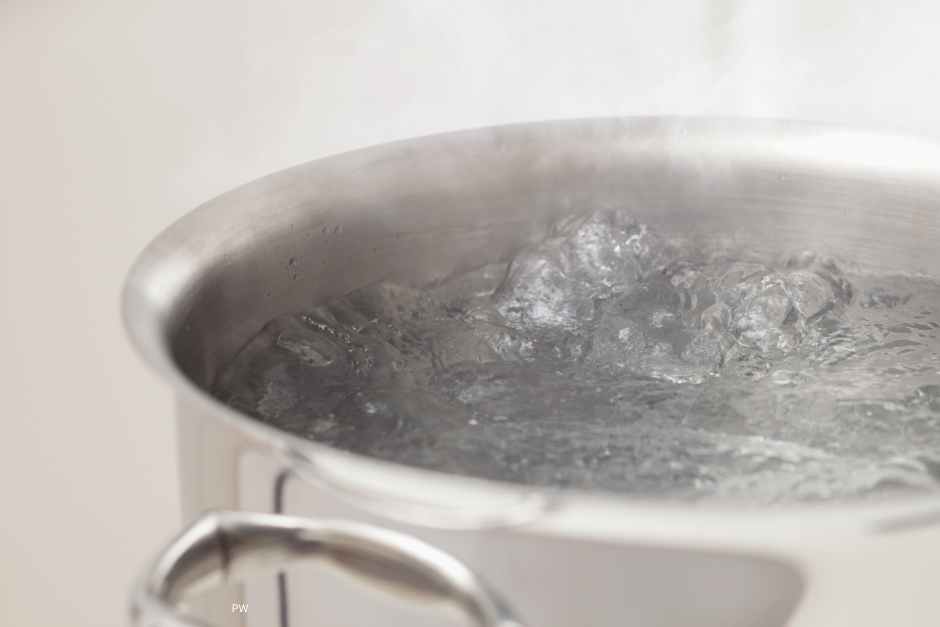
Boiling water purification is a point-of-use treatment method in which water is heated until it reaches a rolling boil for a recommended period, then cooled and stored safely. Its main purpose is to inactivate microorganisms such as bacteria, viruses, and protozoa that can cause waterborne illness. Because it relies on heat rather than chemicals or filtration media, boiling is often used during emergencies, travel, and household water advisories.
Boiling is most effective as a microbiological control measure. It can significantly reduce infectious risk from pathogens associated with fecal contamination, untreated surface water, compromised distribution systems, and poor sanitation. In many public health recommendations, bringing water to a rolling boil is considered sufficient for routine household disinfection, with longer times sometimes advised at high elevations depending on guidance.
However, boiling is not a universal solution. It does not remove dissolved heavy metals, nitrates, salts, many industrial chemicals, or sediments. In fact, if water contains certain nonvolatile contaminants, boiling may slightly increase their concentration because some water evaporates while the contaminants remain. This is why boiling water purification risk indicators must be interpreted in context. A successful boil reduces microbial risk, but it does not guarantee that the water is chemically safe.
It is also important to distinguish between properly boiled water and water that was merely heated. Warm or steaming water may not have reached temperatures needed for reliable pathogen inactivation. Similarly, boiled water can become recontaminated after treatment if it is handled with dirty utensils, poured into unclean containers, or stored uncovered. In these cases, signs of contamination may emerge even though the water was once treated correctly.
Warning signs associated with boiled water generally fall into several categories:
- Sensory signs: unusual taste, odor, or mouthfeel after boiling.
- Visual signs: turbidity, particles, discoloration, films, or residue.
- Health signs: gastrointestinal illness, skin irritation, or recurring symptoms after consumption.
- Operational signs: insufficient boiling time, unsafe cooling, poor storage, or repeated contamination.
People often focus only on whether the water was boiled, but a more complete safety approach considers the source water, the treatment process, and what happens afterward. For additional discussion of causes and source issues, see causes and sources.
Main Causes or Sources
Several conditions can create warning signs in water that has been boiled or is being considered for boiling. These causes may originate in the source water, the plumbing system, the treatment process, or the storage environment.
Microbial Contamination in Source Water
The most common reason for boiling water is concern about pathogens. Surface water, shallow wells, flood-affected supplies, and systems under boil-water advisories may contain bacteria, viruses, and protozoa from sewage, animal waste, or environmental exposure. When microbial contamination is likely, boiling is useful, but severe contamination may also produce cloudiness, odor, or sediment that indicates the need for prefiltration or source replacement.
If source water is highly turbid, boiling alone may be less reliable because particles can shield microorganisms from heat. Turbid water should ideally be settled, filtered, or clarified before boiling. Persistent cloudiness after boiling may be one of the more important boiling water purification visible signs that further action is needed.
Minerals and Hardness
Boiling often changes the taste and appearance of hard water. Dissolved calcium and magnesium can precipitate during heating, leaving white flakes, mineral crust, or kettle scale. These changes are usually aesthetic rather than dangerous, but they can be mistaken for contamination. White sediment after boiling is often linked to hardness, whereas colored particles or oily films may suggest other problems.
Hard water can also affect boiling water purification taste and odor. Some users notice a flatter or more concentrated taste after boiling because dissolved gases have been driven off and minerals become more noticeable. While not necessarily harmful, sudden or extreme changes should still be evaluated if they are unusual for the water source.
Corroded Plumbing and Household Infrastructure
Water quality can deteriorate between the source and the tap. Corroded pipes, aging fixtures, rusting water heaters, and degraded plumbing materials may release iron, copper, lead, or other substances into household water. Boiling does not remove these materials. In some cases, signs such as reddish staining, blue-green discoloration, metallic taste, or particulate debris become more noticeable after heating.
This is an important red flag. If water has a metallic taste, orange-brown sediment, or visible corrosion products, the problem may lie in the plumbing rather than the original supply. These are meaningful boiling water purification risk indicators because boiling addresses microbes, not pipe-related metal contamination.
Chemical or Environmental Pollution
Agricultural runoff, industrial releases, fuel spills, pesticides, cleaning chemicals, and naturally occurring contaminants can affect water quality. Some chemicals create strong odors or unusual tastes, but many do not. If water smells like gasoline, solvents, sewage, rotten eggs, or chemicals, boiling may not make it safe and could in some cases worsen indoor air exposure by releasing volatile compounds into the air.
Flooding is a particularly important source of mixed contamination. Floodwater may carry sewage, chemicals, sediments, and microbial hazards all at once. Water affected by flooding should be treated with caution, and sensory warning signs should never be ignored simply because boiling is possible.
Improper Boiling Technique
Sometimes the warning signs arise not from the water source but from the process. Common mistakes include:
- Not bringing the water to a true rolling boil.
- Boiling for too short a time.
- Using dirty pots or utensils.
- Cooling water uncovered in contaminated environments.
- Mixing boiled water with untreated water.
These process failures can lead to persistent microbial risk or recontamination. If multiple household members continue to have symptoms after drinking boiled water, technique and storage practices should be reviewed immediately.
Unsafe Storage After Boiling
Even properly boiled water can become contaminated afterward. Storage in unwashed bottles, open pitchers, or containers handled with dirty hands can reintroduce bacteria. If boiled water develops cloudiness, off-odor, floating debris, or slimy residue after sitting, storage contamination is a likely source. This is a common but overlooked contributor to post-treatment warning signs.
Readers interested in contamination pathways and microbial behavior may also benefit from resources in water microbiology.
Health and Safety Implications
The health significance of warning signs depends on what they indicate. Some signs are mainly aesthetic, while others may point to infectious or chemical hazards. Understanding this difference is essential for making safe decisions.
Microbial Illness Symptoms
When boiling is incomplete or post-boil contamination occurs, people may experience symptoms associated with waterborne infection. Common boiling water purification health symptoms include:
- Nausea
- Vomiting
- Diarrhea
- Stomach cramps
- Fever
- Fatigue
These symptoms may appear within hours or days depending on the organism involved. If several people in the same household develop similar gastrointestinal symptoms after consuming the same water, contaminated water should be considered a possible source. This is especially important for infants, older adults, pregnant individuals, and people with weakened immune systems, who may face greater risks from pathogens.
Chemical Exposure Concerns
Boiling does not protect against all hazards. Water contaminated with nitrates, heavy metals, or chemical pollutants may remain dangerous after boiling. In some cases, the risk may increase slightly as evaporation concentrates contaminants. Symptoms from chemical exposure vary widely and may include headaches, unusual taste sensations, irritation, neurological effects, or chronic health risks over time. Because many chemical contaminants have no immediate obvious symptoms, a lack of illness does not necessarily mean the water is safe.
If water has a persistent chemical smell, unusual coloration, or an oily sheen, do not assume boiling is enough. These are stronger red flags than simple mineral scale. Households using private wells are particularly encouraged to consider routine testing because chemical contamination may go unnoticed for long periods.
Sensory Changes and Their Meaning
Changes in taste and odor after boiling can have different explanations. Flat-tasting water often results from loss of dissolved oxygen and may be harmless. A sulfur or rotten-egg odor may suggest hydrogen sulfide, sulfur bacteria, or plumbing-related issues. A metallic taste can indicate iron, copper, or corrosion. A sewage-like odor is a major concern and may point to serious contamination.
Not every taste or odor issue means there is an urgent health emergency, but persistent or severe sensory changes should not be dismissed. In practical terms, boiling water purification taste and odor changes are warning tools, not definitive diagnoses. They help identify when more information or testing is needed.
Visual Clues and Safety Interpretation
Some visual clues are relatively benign, such as white chalky deposits from hard water. Others deserve immediate caution. Brown, black, or green particles, persistent turbidity, rainbow sheen, surface films, or colored staining may indicate contamination from pipes, source water, microbial growth, or chemicals. Because boiling water purification visible signs can result from multiple causes, they should be interpreted alongside other clues such as smell, water source, recent flooding, plumbing age, and health symptoms.
For a more focused review of risks and illness associations, see health effects and risks.
Testing and Detection
Observation is useful, but it has limits. Some dangerous contaminants are invisible and odorless, while some harmless aesthetic issues can look alarming. Testing is the only reliable way to identify many water quality problems. Knowing boiling water purification when to test is one of the most important parts of safe water management.
When Immediate Testing Is Advisable
Testing should be strongly considered when any of the following occur:
- Water has an unusual chemical, fuel-like, sewage-like, or solvent odor.
- There is persistent discoloration, turbidity, or unexplained residue after boiling.
- Household members develop recurring gastrointestinal symptoms.
- The water source is a private well and flooding, runoff, or structural damage has occurred.
- The home has old plumbing or concern about lead, copper, or corrosion products.
- A boil-water notice has been issued due to a system failure or contamination event.
- Boiled water is repeatedly becoming cloudy or developing slime during storage.
What Can Be Tested
Water testing can range from simple screening tools to certified laboratory analysis. Common targets include:
- Total coliforms and E. coli: indicators of microbial contamination.
- Turbidity: a measure of cloudiness that can interfere with treatment effectiveness.
- pH and hardness: helpful for understanding scaling and corrosion tendencies.
- Lead and copper: relevant in older plumbing systems.
- Nitrates: especially important for private wells and infant safety.
- Iron and manganese: common causes of staining and metallic taste.
- Volatile organic compounds and pesticides: useful when chemical contamination is suspected.
Home Tests Versus Laboratory Tests
Home kits can be useful for preliminary screening, but they vary in accuracy and scope. Laboratory testing is generally more reliable, especially when health risks are possible. For regulated contaminants, accredited laboratory analysis is usually the best option. Public water system users may also be able to obtain local water quality reports or guidance from their utility or health department.
Interpreting Test Results Carefully
A common mistake is assuming that one negative test result means there is no problem at all. Water quality can vary over time, especially in wells, seasonal sources, or systems affected by storms and infrastructure failures. Repeat testing may be necessary when contamination is intermittent or when warning signs continue. Results should also be interpreted in context. For example, microbiological safety does not rule out chemical issues, and low turbidity does not guarantee pathogen-free water.
Observation-Based Detection Tips
Before testing is available, structured observation can still help identify red flags:
- Compare cold tap water, boiled water, and stored boiled water for differences.
- Note whether odor appears before heating, during boiling, or after cooling.
- Check whether particles settle, float, or cling to container walls.
- Observe whether residue is white and chalky or dark and irregular.
- Track symptoms among household members and timing after water consumption.
These observations can help determine whether the likely issue is source contamination, plumbing, boiling technique, or storage hygiene.
Prevention and Treatment
Prevention begins with using the best available source water and applying correct boiling procedures. Because warning signs may indicate different hazards, treatment should be matched to the actual problem whenever possible.
How to Boil Water Properly
For microbiological safety, water should be brought to a full rolling boil and maintained according to applicable public health guidance. Water should then be cooled naturally and protected from contamination. If the source water is cloudy, let particles settle and filter through a clean cloth, paper filter, or suitable prefilter before boiling. This improves treatment reliability and makes the water more acceptable for drinking.
Safe Storage Practices
After boiling, water should be stored in clean, food-grade, covered containers. Good practices include:
- Wash containers with safe water and soap before use.
- Use narrow openings or fitted lids when possible.
- Avoid touching the inside of containers or lids.
- Pour rather than dip cups into stored water.
- Label boiled water if untreated water is also stored nearby.
These steps reduce the risk that treated water will become unsafe again.
Addressing Taste, Odor, and Aesthetic Problems
If water tastes flat after boiling, pouring it back and forth between clean containers can restore some dissolved oxygen and improve palatability. White mineral scale can be managed through descaling and hardness treatment if needed, though it is often not a direct safety problem. Activated carbon treatment may help with some taste and odor issues, but it should not be relied on blindly for unknown contamination.
When Boiling Is Not Enough
Boiling should not be the only response when warning signs suggest chemical contamination, metal leaching, or severe source degradation. In such cases, safer alternatives may include:
- Using bottled water from a reliable source.
- Installing a treatment system certified for the specific contaminant.
- Repairing or replacing corroded plumbing components.
- Disinfecting and rehabilitating private wells after contamination events.
- Seeking guidance from local health authorities or water professionals.
Routine Preventive Actions
Long-term safety depends on reducing contamination risks before they create symptoms or visible problems. Sensible preventive steps include regular well testing, plumbing inspections in older homes, cleaning storage containers, and paying attention to seasonal changes such as flooding, drought, or heavy runoff. These measures help catch boiling water purification risk indicators early, before illness occurs.
Common Misconceptions
Misunderstandings about boiling are widespread and can create false confidence. Correcting these misconceptions is essential for public health.
“If I boil it, it is completely safe.”
This is one of the most common errors. Boiling is highly effective against many microorganisms, but it does not remove all hazards. Metals, nitrates, salts, and many chemicals remain in the water. Some may become slightly more concentrated if evaporation occurs.
“Clear water is safe water.”
Appearance alone is not enough. Many pathogens and chemicals are invisible. Water can look perfectly normal and still be unsafe. Conversely, visible mineral flakes may be harmless. This is why warning signs are clues, not final answers.
“Bad smell always means dangerous contamination.”
Not always. Some odors result from harmless but unpleasant compounds, dissolved gases, or mineral interactions. However, strong chemical, sewage-like, or fuel-like odors should always be taken seriously. The proper approach is not to guess, but to investigate.
“If no one gets sick immediately, the water must be fine.”
False. Some contaminants cause delayed effects, mild symptoms, or chronic health impacts that are not obvious right away. Also, not everyone exposed to the same water will react in the same way.
“Boiling fixes poor storage conditions.”
It does not. Recontamination after boiling is common when containers or utensils are not clean. Safe handling is part of the treatment process, not an optional extra.
Regulations and Standards
Water safety practices are shaped by public health regulations, drinking water standards, and emergency response guidance. While exact rules vary by country and jurisdiction, several broad principles are widely recognized.
Public Water Systems
Municipal or regulated public water systems are generally required to monitor microbial and chemical contaminants, maintain disinfection, and notify the public when serious issues arise. A boil-water advisory is usually issued when there is reason to suspect microbiological contamination or a treatment/distribution failure that could allow pathogens into the water supply. Such notices are precautionary and should be followed carefully.
Private Wells
Private wells are often not regulated in the same way as public systems, which means the owner is usually responsible for testing, maintenance, and corrective action. This makes awareness of boiling water purification when to test especially important for well users. Flooding, nearby septic issues, agricultural activity, and changes in water appearance or smell all justify closer attention.
Drinking Water Standards
Regulatory agencies commonly establish maximum contaminant levels, treatment techniques, and monitoring requirements for contaminants of public health concern. These include microbial indicators, metals, nitrates, disinfection byproducts, and various industrial or agricultural pollutants. Boiling guidance generally addresses microbiological safety rather than complete compliance with all drinking water standards.
Why Standards Matter for Households
Standards provide a framework for deciding when boiling is appropriate, when testing is required, and when alternative water should be used. They also reinforce an important lesson: safe drinking water is not defined only by absence of germs. It also includes chemical quality, infrastructure integrity, and proper storage and handling.
Conclusion
Boiling remains a valuable and often lifesaving water treatment method, particularly during emergencies and microbiological contamination events. But safe use depends on recognizing the limits of the method and paying attention to warning signs before, during, and after treatment. The most important boiling water purification warning signs include persistent cloudiness, unusual discoloration, strong chemical or sewage-like odors, metallic or otherwise abnormal taste, residue that does not match known mineral hardness, and recurring illness after consumption.
These signs do not all mean the same thing. Some indicate aesthetic issues such as hardness, while others point to microbial contamination, chemical pollution, plumbing corrosion, or poor storage hygiene. That is why a careful, evidence-based response is best. Boil correctly, store safely, observe changes closely, and do not hesitate to test water when conditions suggest a problem. In many cases, testing is the only way to distinguish harmless nuisance issues from real health risks.
For broader learning, readers can explore resources on water purification, boiling water purification, causes and sources, health effects and risks, water microbiology, and water contamination. A well-informed approach to boiling and water quality warning signs helps protect health, improve decision-making, and reduce the chance that hidden hazards will be overlooked.
Read the full guide: Water Purification Guide
Explore more in this category: Water Purification Articles