
Introduction
Access to safe drinking water is one of the most important foundations of public health. Yet in many parts of the world, millions of people still rely on water sources contaminated by microbes, toxic chemicals, heavy metals, agricultural runoff, industrial waste, or failing sanitation systems. Understanding countries with unsafe drinking water health effects is essential for families, healthcare workers, policy makers, aid organizations, and travelers alike. Unsafe water does not only cause short-term stomach illness. It can also contribute to chronic disease, developmental harm, reproductive complications, and community-wide economic and social burdens.
Unsafe drinking water is not limited to one continent, climate, or income level. It may affect rural villages that depend on shallow wells, urban neighborhoods with aging pipes, refugee settlements with poor sanitation, and regions impacted by floods, drought, mining, war, or weak regulation. In some countries, the main danger comes from biological contamination such as bacteria, viruses, and parasites. In others, the larger threat may be arsenic, fluoride, lead, nitrates, or other chemical pollutants that are difficult to see, smell, or taste.
The health burden is often unevenly distributed. Children, pregnant women, older adults, people with weakened immune systems, and low-income communities typically face the greatest risks. These populations may have fewer alternatives, less access to testing, and reduced ability to obtain treatment when illness occurs. For a broader overview of global patterns, readers can explore /category/global-water-quality/ and /category/drinking-water-safety/.
This article explains what unsafe drinking water means, where contamination comes from, how exposure affects human health, how contamination is tested and identified, and what can be done to reduce harm. It also addresses common misunderstandings and summarizes the role of national and international standards. By examining countries with unsafe drinking water symptoms, long-term outcomes, vulnerable populations, and medical concerns, it becomes easier to recognize why water safety is both a health issue and a development priority.
What It Is
Unsafe drinking water refers to water that is not suitable for human consumption because it contains harmful biological, chemical, or physical contaminants at levels capable of causing disease or injury. The danger may be immediate, such as diarrhea caused by fecal contamination, or delayed, such as years of arsenic exposure leading to skin lesions and increased cancer risk. Water can appear clear and still be dangerous, which is why visual inspection alone is not a reliable indicator of safety.
In discussions about countries with unsafe drinking water health effects, the term usually includes several types of contamination:
- Microbial contamination: bacteria, viruses, and parasites from human or animal waste.
- Chemical contamination: arsenic, lead, mercury, fluoride, nitrates, pesticides, industrial solvents, and other toxic substances.
- Physical contamination: sediment, rust, and suspended matter that may carry pollutants or indicate infrastructure problems.
- Radiological contamination: naturally occurring or industrial radioactive materials in groundwater.
Water quality can vary even within the same country. One community may have protected and treated municipal supplies, while another depends on contaminated surface water or unmonitored private wells. Seasonal changes also matter. Heavy rainfall can overwhelm sanitation systems and introduce sewage into water sources, while drought can concentrate contaminants and force communities to use lower-quality water sources.
Unsafe drinking water should also be understood as a systems issue rather than just a household issue. The problem may begin at the source, during transport, in storage tanks, within distribution pipes, or inside homes where water is stored in open containers. This means that safe water requires protection at every step, from watershed management to treatment, delivery, and handling.
Readers seeking a wider foundation on the topic can consult /countries-with-unsafe-drinking-water-complete-guide/, which provides additional context on geographic and infrastructure-related factors.
Main Causes or Sources
The causes of unsafe drinking water are often interconnected. Environmental conditions, infrastructure quality, sanitation practices, regulation, conflict, and poverty all influence whether water remains safe from source to consumption. Understanding the major sources of contamination is critical when discussing countries with unsafe drinking water exposure levels and the resulting health burden.
Fecal Contamination and Poor Sanitation
One of the most common and dangerous causes of unsafe water is fecal contamination. When sewage systems are absent, damaged, or overloaded, human waste can enter rivers, lakes, shallow wells, and storage systems. This introduces pathogens such as Escherichia coli, Vibrio cholerae, rotavirus, norovirus, Giardia, and Cryptosporidium. Open defecation, leaking latrines, flood events, and poorly managed wastewater all increase this risk.
Industrial Pollution
Factories, mining operations, and informal industrial activities can release heavy metals, solvents, acids, petroleum compounds, and persistent pollutants into water sources. Communities downstream from industrial zones may be exposed for years without adequate monitoring. In some regions, rapid industrialization has outpaced environmental enforcement, leaving rivers and groundwater heavily contaminated.
Naturally Occurring Contaminants
Not all contamination comes from human activity. In many countries, groundwater naturally contains elevated levels of arsenic, fluoride, iron, manganese, or other substances due to local geology. These contaminants can accumulate slowly in the body and may go undetected if testing programs are limited. Arsenic contamination in groundwater is one of the most well-known examples of a natural hazard with major public health consequences.
Agricultural Runoff
Fertilizers, pesticides, herbicides, and animal waste from farms can enter drinking water sources through runoff and seepage. Nitrates are particularly concerning for infants because they can interfere with oxygen transport in the blood. Pesticide mixtures may also carry neurological, hormonal, and cancer-related risks depending on the compounds involved and the duration of exposure.
Aging or Damaged Infrastructure
Even when water leaves a treatment plant in good condition, contamination may occur in old pipes, corroded plumbing, broken distribution systems, or poorly maintained storage tanks. Lead pipes and lead-containing plumbing fixtures remain an important issue in some areas. Water service interruptions can also allow contaminated water to enter pipes when pressure drops.
Climate and Environmental Stress
Flooding can spread sewage, chemical waste, and animal waste into water sources. Drought can reduce water availability and increase reliance on unsafe alternatives. Rising temperatures may encourage microbial growth, while storms can disrupt treatment systems and power supplies. Climate change therefore increases both the frequency and complexity of water safety threats.
Conflict, Displacement, and Governance Failures
War, political instability, and forced displacement often damage water treatment plants, pipelines, and sanitation networks. Refugee and internally displaced populations may depend on emergency water systems that are difficult to monitor consistently. Weak governance can also mean irregular testing, poor enforcement, corruption, and underinvestment in public infrastructure.
For a more focused discussion of contamination pathways, see /countries-with-unsafe-drinking-water-causes-and-sources/.
Health and Safety Implications
The consequences of unsafe water range from mild, temporary illness to severe disability and premature death. When evaluating countries with unsafe drinking water medical concerns, it is useful to separate short-term infectious disease effects from chronic toxic exposure effects, while recognizing that many communities face both at the same time.
Acute Infectious Illness
Microbially contaminated water commonly causes gastrointestinal disease. Symptoms may appear quickly after exposure and can include:
- Diarrhea
- Vomiting
- Abdominal cramps
- Nausea
- Fever
- Dehydration
- Weakness and fatigue
These are among the most common countries with unsafe drinking water symptoms. While many cases resolve, severe dehydration can become life-threatening, especially in infants and young children. Repeated diarrheal disease can also lead to malnutrition, poor growth, and reduced educational attainment.
Waterborne Diseases of Major Concern
Unsafe water can transmit cholera, typhoid fever, hepatitis A, hepatitis E, dysentery, giardiasis, and other infections. Outbreaks often follow infrastructure failure, flooding, overcrowding, or breakdowns in sanitation. In settings with limited healthcare access, diseases that are preventable and treatable can still cause high mortality.
Chemical Toxicity and Chronic Exposure
Some of the most serious countries with unsafe drinking water long term risks come from chronic exposure to chemical contaminants. These effects may take years to develop and may not be immediately linked to water by affected households.
- Arsenic: associated with skin changes, peripheral vascular disease, neuropathy, cardiovascular disease, and increased risk of cancers of the skin, bladder, and lung.
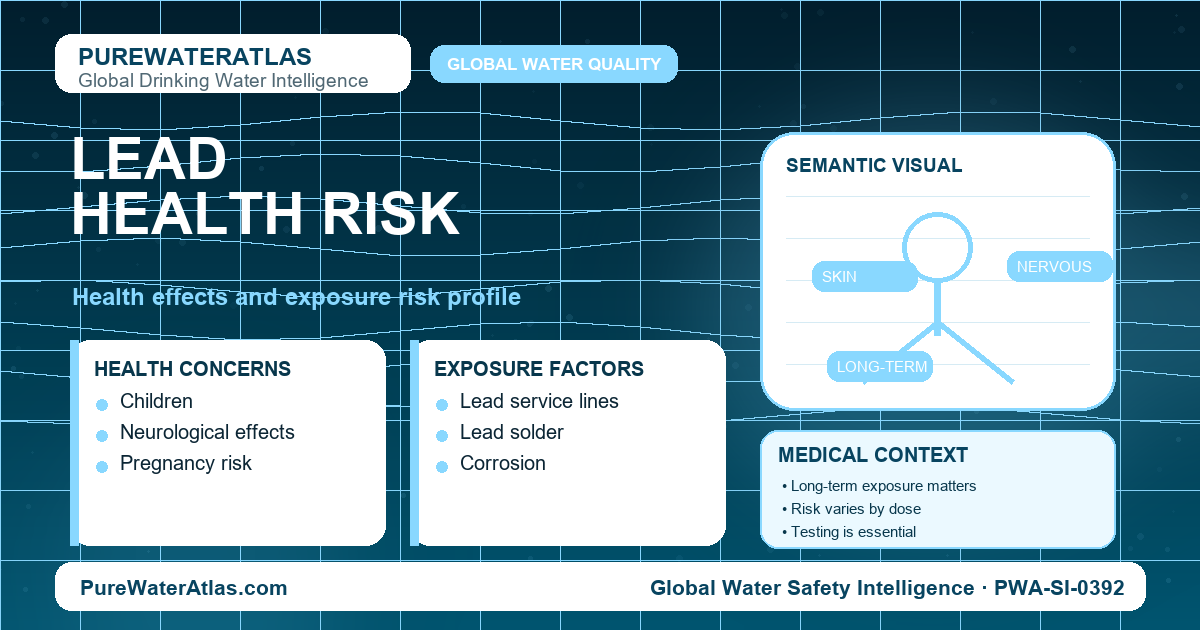
- Lead: especially harmful to children, affecting brain development, behavior, learning, attention, and growth; also linked to hypertension and kidney damage in adults.
- Fluoride: in excessive amounts can cause dental fluorosis and skeletal fluorosis.
- Nitrates: can contribute to methemoglobinemia in infants, sometimes called “blue baby syndrome.”
- Mercury and other metals: may damage the nervous system, kidneys, and other organs.
- Pesticides and industrial chemicals: may contribute to endocrine disruption, liver injury, reproductive problems, or increased cancer risk.
Effects on Vulnerable Groups
The burden of unsafe water is not equal across populations. Countries with unsafe drinking water vulnerable groups often include:
- Infants and children: more likely to suffer severe dehydration, developmental harm, and lasting consequences from repeated infections or lead exposure.
- Pregnant women: at increased risk from dehydration, certain infections, and toxic exposures that may affect fetal development.
- Older adults: may have reduced reserve, chronic disease, and higher susceptibility to dehydration or infection complications.
- Immunocompromised people: greater risk of severe disease from pathogens that may cause mild illness in healthy adults.
- Low-income households: often have fewer safe alternatives and may be unable to afford filtration, bottled water, or medical care.
Nutritional and Social Consequences
Unsafe water contributes to malnutrition by causing diarrhea, reducing nutrient absorption, and increasing illness frequency. Children who are repeatedly sick may miss school, and adults may lose income due to illness or caregiving responsibilities. Healthcare systems also bear the burden of preventable disease, especially in areas with frequent outbreaks.
Exposure Levels and Dose
Not all risk depends on a single exposure. Countries with unsafe drinking water exposure levels matter because both dose and duration influence outcomes. A brief exposure to a pathogen may cause a sudden illness, whereas years of low-level arsenic or lead intake may produce delayed but serious chronic disease. Risk also depends on the person’s age, nutrition, immune status, and whether they are exposed through drinking, cooking, or reconstituting infant formula.
Testing and Detection
Because many contaminants cannot be detected by taste, smell, or appearance, testing is essential. Reliable identification of unsafe water requires laboratory methods, field kits, sanitary inspections, and ongoing monitoring of systems and households. Without testing, dangerous contamination can remain unnoticed for long periods.
Microbial Testing
Microbial safety is commonly assessed by testing for indicator organisms such as total coliforms and E. coli. Their presence suggests fecal contamination and the possible presence of pathogens. More advanced testing may identify specific organisms such as cholera bacteria, protozoa, or enteric viruses when outbreaks are suspected.
Chemical Testing
Chemical analysis may include arsenic, lead, fluoride, nitrates, mercury, cadmium, pesticides, and volatile organic compounds. Testing often requires specialized equipment and quality-controlled laboratories. In some settings, portable field tests are used for screening, but confirmatory analysis is still important.
Source and System Assessment
Testing should not focus only on the final glass of water. A full assessment may include:
- Inspection of wells, springs, rivers, and reservoirs
- Review of nearby latrines, septic systems, farms, or factories
- Evaluation of treatment processes
- Monitoring of pipe integrity and storage conditions
- Household storage and handling practices
Challenges in Detection
Many countries face barriers to effective monitoring, including limited laboratory capacity, inconsistent sampling, funding shortages, poor transportation, and weak reporting systems. Rural communities may go years without accurate testing. In crisis settings, rapid contamination changes can outpace surveillance systems.
Interpreting Results
Water test results should be interpreted against health-based standards rather than in isolation. A contaminant level that appears small numerically may still be hazardous, especially for long-term exposure or for infants and pregnant women. Repeated testing is often necessary because water quality can fluctuate over time.
For readers interested in monitoring approaches, practical methods, and laboratory concepts, see /countries-with-unsafe-drinking-water-testing-and-detection-methods/.
Prevention and Treatment
Preventing water-related illness requires both public infrastructure and household-level action. No single solution works in every setting, because risks differ by contaminant, geography, climate, and available resources. Effective strategies address the source of contamination, treatment methods, storage safety, and access to healthcare.
Source Protection
Protecting water before it becomes contaminated is often the most efficient approach. This includes proper sanitation systems, wastewater treatment, separation of wells from latrines, agricultural runoff control, industrial discharge regulation, and watershed management. Preventing contamination is generally safer and less expensive than trying to remove pollutants after they enter the water supply.
Water Treatment Methods
Different hazards require different treatment approaches:
- Boiling: effective for many microbes, but does not remove metals or most chemicals.
- Chlorination: useful against many bacteria and viruses, though less effective for some protozoa and not a solution for heavy metals.
- Filtration: can remove sediment and some pathogens; specialized filters are needed for chemicals.
- Reverse osmosis: effective for many dissolved contaminants, including some metals and salts, but requires maintenance and cost investment.
- Activated alumina or specialized media: may be used for fluoride or arsenic in certain systems.
- Ultraviolet disinfection: can inactivate microbes when water is sufficiently clear, but does not remove chemical contaminants.
More information on treatment options is available at /category/water-treatment-systems/.
Safe Storage and Household Handling
Even treated water can become unsafe if stored improperly. Using clean, covered containers with narrow openings and avoiding contact between hands and stored water helps prevent recontamination. Household education is especially important in areas where water is collected, transported, and stored manually.
Medical Treatment of Illness
When illness occurs, prompt care matters. Treatment depends on the cause:
- Oral rehydration solution: essential for diarrhea-related dehydration.
- Intravenous fluids: needed in severe dehydration.
- Targeted antimicrobials: sometimes used for confirmed bacterial or parasitic infections.
- Nutritional support: important for children with repeated diarrheal disease.
- Exposure reduction: the main intervention for chronic toxic contaminants such as arsenic or lead.
For chemical contamination, there is often no simple medicine that reverses all harm. The priority is to stop further exposure and monitor for organ damage or developmental effects. This is why prevention is so critical when addressing countries with unsafe drinking water medical concerns.
Community and Policy Interventions
Long-term improvement usually requires investment in public systems rather than reliance on household measures alone. Effective interventions include:
- Expansion of piped treated water systems
- Routine water quality monitoring
- Infrastructure maintenance and pipe replacement
- Sanitation improvement
- Public reporting and transparency
- Emergency response plans for outbreaks and disasters
- Education campaigns on boiling, filtration, and hygiene
Common Misconceptions
Several myths can prevent people from recognizing water risks or taking effective action.
“Clear water is safe water”
Many dangerous contaminants are invisible. Pathogens, arsenic, nitrates, and lead may be present even when water looks clean and tastes normal.
“Boiling solves every problem”
Boiling is valuable for microbial contamination, but it does not remove heavy metals, salts, nitrates, or many industrial chemicals. In some cases, boiling can slightly concentrate dissolved contaminants as water evaporates.
“Unsafe water only affects poor or rural countries”
Although the burden is often greatest in low-resource settings, contamination can occur anywhere. Aging infrastructure, industrial spills, natural contaminants, and emergency failures can affect high-income and middle-income countries as well.
“If symptoms are mild, the risk is low”
Some exposures cause subtle or delayed harm rather than immediate dramatic illness. Chronic lead or arsenic exposure may not produce obvious early symptoms, yet the long-term damage can be serious.
“Children are just smaller adults”
Children are biologically more vulnerable to many contaminants. Their developing brains and bodies can be harmed by exposure levels that produce fewer visible effects in adults.
“One safe test means the problem is gone”
Water quality can change over time due to rainfall, flooding, pipe damage, seasonal shifts, or source changes. Ongoing monitoring is necessary.
Regulations and Standards
Water safety standards are established through national regulations, local enforcement mechanisms, and international guidance. The World Health Organization publishes widely used guideline values for drinking water quality, while individual countries set legal limits and monitoring requirements based on their regulatory systems and capacities.
Purpose of Standards
Standards help define acceptable contaminant levels, treatment goals, testing frequency, and response actions when contamination is detected. They are intended to reduce both infectious and chemical risks over a lifetime of exposure.
Key Areas Covered by Regulations
- Microbial indicator limits
- Maximum levels for toxic chemicals and metals
- Treatment and disinfection requirements
- Monitoring schedules and reporting rules
- Emergency notification procedures
- Operator training and system maintenance standards
Limits of Regulation
Having standards on paper does not always mean water is safe in practice. Enforcement may be weak, laboratories may be underfunded, and informal or rural water systems may fall outside effective oversight. In some countries, private wells are rarely monitored. In others, conflict or disaster can interrupt compliance entirely.
The Need for Equity
Strong regulations should be matched by equitable implementation. Water safety depends not only on technical standards but also on whether marginalized communities actually receive testing, treatment, infrastructure upgrades, and health communication. The most effective national systems combine science-based rules with transparent public reporting and targeted support for high-risk populations.
Conclusion
Understanding countries with unsafe drinking water health effects means looking beyond simple labels of “safe” or “unsafe.” Water-related harm can arise from microbes, toxic chemicals, environmental conditions, failing infrastructure, and social inequality. The effects range from acute diarrhea and dehydration to cancer, developmental damage, and chronic organ disease. The most severe outcomes often occur among children, pregnant women, older adults, immunocompromised people, and communities with the fewest resources.
Recognizing countries with unsafe drinking water symptoms, evaluating countries with unsafe drinking water exposure levels, and addressing countries with unsafe drinking water long term risks are all necessary for reducing preventable illness. Testing is essential because dangerous contamination is often invisible. Prevention requires protected sources, effective treatment, safe storage, ongoing monitoring, and strong public health systems. Medical care can reduce harm, but it cannot replace safe water access.
As a public health issue, unsafe drinking water sits at the intersection of environment, medicine, engineering, governance, and human rights. Lasting progress depends on sustained investment, reliable data, local education, and regulations that are enforced fairly. Readers interested in continuing their research can explore /countries-with-unsafe-drinking-water-complete-guide/, /category/global-water-quality/, and /category/drinking-water-safety/ for related educational resources.
Read the full guide: Global Water Quality Guide
Explore more in this category: Global Water Quality Articles