Introduction
Access to safe drinking water is one of the most important foundations of public health, yet millions of households around the world still face daily uncertainty about the quality of the water coming from a tap, storage tank, well, truck delivery, or neighborhood standpipe. In many regions, contamination risks come from aging infrastructure, weak treatment systems, polluted source water, poor sanitation, flooding, drought, or unsafe storage practices inside the home. For families living in or traveling through countries with known water quality concerns, a practical home-focused approach is essential.
This guide explains how to think through a countries with unsafe drinking water home safety checklist in a clear and systematic way. Rather than relying on assumptions, households should understand where contamination can enter the water supply, what warning signs to watch for, how to inspect home plumbing and storage systems, when to test water, and what treatment options offer meaningful protection. A strong checklist helps people move from uncertainty to action.
Water safety is not determined by appearance alone. Clear water can still contain bacteria, viruses, parasites, lead, arsenic, nitrates, pesticides, industrial chemicals, or excess minerals. By the same token, temporary discoloration may reflect sediment or plumbing disturbance rather than a severe biological hazard. The key is to combine observation, inspection, testing, and preventive maintenance. Readers who want broader background may also explore this complete guide and related resources in global water quality.
Whether you are a homeowner, renter, landlord, expatriate, aid worker, or traveler staying long term, the most effective strategy is to evaluate both the water source and the household system that delivers it. Even when municipal treatment exists, contamination can occur after treatment because of leaking pipes, illegal cross-connections, dirty rooftop tanks, corroded plumbing, or poor storage hygiene. This article provides an educational framework for assessing risks and improving safety at the point where water actually reaches the family.
What It Is
A home safety checklist for drinking water is a structured set of observations, inspection points, testing steps, and maintenance actions used to reduce the chance of consuming contaminated water. In the context of countries with unsafe drinking water, this checklist is especially important because official systems may be inconsistent, local information may be incomplete, and contamination patterns may vary by neighborhood, season, or building type.
The checklist is not limited to one type of hazard. It should address:
- Microbiological contamination, including bacteria such as E. coli, viruses, and protozoa.
- Chemical contamination, such as lead, arsenic, fluoride at unsafe levels, nitrates, solvents, or agricultural runoff.
- Physical contamination, including sediment, rust, debris, and turbidity that may signal broader water quality problems.
- Household system failures, such as dirty storage tanks, old pipes, broken filters, and inadequate disinfection.
A useful checklist also recognizes that “unsafe drinking water” does not mean every source is equally dangerous in every location. Risks can differ dramatically between urban and rural areas, informal settlements and planned neighborhoods, shallow wells and deep boreholes, rainy and dry seasons, and municipal supplies versus private hauling services. That is why a countries with unsafe drinking water inspection process should be localized and repeated over time rather than treated as a one-time judgment.
In practical terms, a household checklist asks questions such as:
- Where does the water come from?
- How is it treated before reaching the home?
- Is it stored safely?
- What are the visible and odor-related warning signs?
- Has the water been tested for microbial and chemical contaminants?
- Are filtration and disinfection devices maintained correctly?
- What backup methods are available during outages, floods, or contamination alerts?
People often focus only on drinking water in a glass, but a home checklist should also consider water used for brushing teeth, making ice, washing produce, preparing infant formula, and cooking. In regions with elevated contamination concerns, all of these uses matter. For more on contamination pathways, readers may visit causes and sources and the broader water contamination category.
Main Causes or Sources
Understanding the main causes of unsafe drinking water helps households prioritize their inspections and prevention measures. In many countries, unsafe water is rarely the result of a single problem. More often, it reflects a chain of failures from source to treatment plant to distribution pipe to storage container.
Contaminated Source Water
Rivers, lakes, reservoirs, shallow wells, and even groundwater can become contaminated by sewage, agricultural waste, animal activity, mining runoff, industrial discharge, and landfill leakage. During heavy rainfall, polluted surface water can enter wells and overwhelm treatment systems. During drought, contaminants may become more concentrated. In coastal regions, saltwater intrusion can also affect groundwater quality.
Inadequate Municipal Treatment
Even when water utilities are present, treatment may be intermittent or ineffective. Problems can include poor chlorination, outdated treatment technology, power failures, understaffing, lack of monitoring, or inability to handle sudden spikes in turbidity. If the system does not reliably remove pathogens or control chemical contamination, households must rely more heavily on point-of-use protection.
Broken or Aging Infrastructure
Leaking pipes can allow dirty water to enter the system, especially where water pressure drops. Corroded pipes may release metals such as lead or iron. Informal connections and damaged service lines can create cross-contamination between drinking water and wastewater systems. This is one of the most common issues identified during a countries with unsafe drinking water inspection at the building level.
Unsafe Household Storage
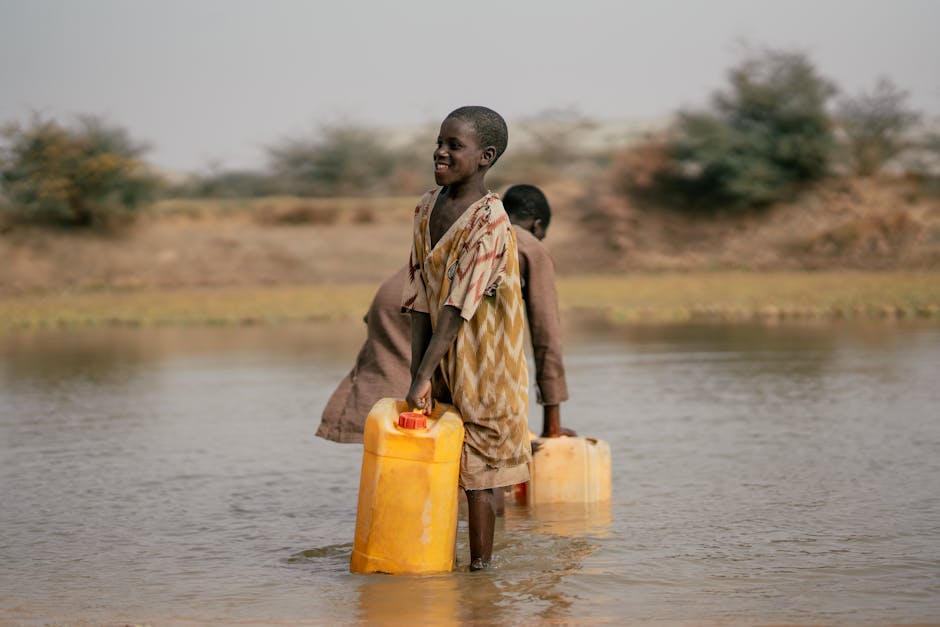
In many regions, water is stored in rooftop tanks, underground cisterns, plastic drums, or jerry cans because supply is intermittent. These systems can become contaminated if they are uncovered, rarely cleaned, exposed to animal droppings, connected improperly, or accessed with dirty scoops and hands. Safe source water can become unsafe after entering the home if storage hygiene is poor.
Plumbing Materials and Fixtures
Older buildings may contain lead pipes, lead solder, corroding galvanized steel, cracked seals, and neglected internal plumbing. Water that sits in pipes overnight can accumulate metals and taste changes. Hot water from old systems may contain higher concentrations of metals than cold water. Building-level plumbing is often overlooked in discussions of countries with unsafe drinking water risk signs, but it can be a major contributor.
Agricultural and Industrial Pollution
Pesticides, fertilizers, petroleum products, heavy metals, solvents, and other industrial contaminants can enter groundwater and surface water. Nitrates from fertilizer runoff are especially dangerous for infants. Arsenic contamination, naturally occurring or intensified by groundwater conditions, is a serious problem in some regions. Chemical hazards may have no color, smell, or taste, making testing essential.
Floods, Disasters, and Seasonal Shifts
Flooding can overwhelm sanitation systems, spread sewage, and damage water infrastructure. Earthquakes, storms, and conflict can interrupt treatment and create emergency-level contamination risks. Seasonal shifts may alter turbidity, microbial loads, and storage practices. A household checklist should include extra vigilance after severe weather or local service disruptions.
Health and Safety Implications
The consequences of unsafe drinking water range from mild short-term illness to severe chronic disease. The exact risk depends on the contaminants present, the amount consumed, the duration of exposure, and the vulnerability of the person exposed. Infants, young children, pregnant women, older adults, and people with weakened immune systems face the highest danger from many waterborne hazards.
Short-Term Infectious Illness
Microbial contamination can cause diarrhea, vomiting, abdominal cramps, fever, and dehydration. Common pathogens include bacteria, viruses, and parasites that spread through fecal contamination. In households where water quality is uncertain, repeated gastrointestinal illness may be one of the strongest countries with unsafe drinking water risk signs, especially if symptoms improve when bottled or boiled water is used.
Long-Term Chemical Exposure
Chronic exposure to unsafe levels of certain chemicals can affect the nervous system, kidneys, liver, bones, blood, or endocrine function. Lead exposure is linked to developmental harm in children. Arsenic has been associated with skin lesions, cardiovascular issues, and increased cancer risk. Excess fluoride may damage teeth or bones. Nitrates can interfere with oxygen transport in infants. These effects may develop gradually and may not be immediately recognized as water-related.
Household Safety Concerns Beyond Drinking
Unsafe water can also affect food preparation, infant care, oral hygiene, and sanitation. Ice made from contaminated water can spread illness. Washing fruit and vegetables with unsafe water can undo food safety efforts. Using contaminated water to prepare baby formula is especially dangerous because infants are highly sensitive to pathogens and nitrates.
Warning Signs Households Should Not Ignore
While contamination is often invisible, some household observations deserve prompt attention. These countries with unsafe drinking water risk signs include:
- Cloudiness, unusual sediment, or recurring discoloration
- Rotten egg, sewage, metallic, or chemical odors
- Oily sheen or visible floating material
- Staining on fixtures, laundry, or dishes
- Frequent stomach illness among multiple household members
- Sudden taste changes after storms, pipe repairs, or service interruptions
- Low water pressure or intermittent supply, which can allow intrusion into pipes
None of these signs alone can identify a specific contaminant, but they justify inspection and testing. For more detail on health outcomes, see health effects and risks.
Testing and Detection
A thorough checklist depends on evidence, and evidence comes from testing. Observation is helpful, but it cannot confirm safety. Many of the most dangerous contaminants have no obvious smell, taste, or color. Effective countries with unsafe drinking water household testing should therefore combine basic field checks with laboratory analysis when possible.
Start with a Structured Inspection
Before collecting samples, inspect the full pathway of water entering and moving through the home. This countries with unsafe drinking water inspection should cover:
- The source of water: municipal supply, tanker, well, borehole, standpipe, bottled delivery, or rainwater collection
- Entry points into the home, including service lines and pressure conditions
- Storage tanks, cisterns, drums, and lids
- Filters, softeners, UV systems, chlorination devices, and cartridges
- Kitchen taps, bathroom taps, refrigerator lines, and ice makers
- Visible corrosion, leaks, sediment buildup, or neglected plumbing
Basic Household Testing Options
Simple home kits can screen for certain contaminants, though quality varies. Depending on local availability, households may use tests for:
- Free chlorine residual
- pH
- Hardness
- Nitrates or nitrites
- Lead
- Bacteria indicators such as total coliform or E. coli
These tests can be useful for routine monitoring, but they should not replace certified laboratory testing when significant health risks are suspected. If a household relies on well water, tanker deliveries, or rooftop storage, regular screening is especially important.
When to Seek Laboratory Testing
Laboratory analysis is recommended when:
- Household members have recurring unexplained illness
- The water source is private or poorly regulated
- The home has old plumbing or possible lead components
- There has been flooding, sewage intrusion, or nearby industrial activity
- Infants, pregnant women, or medically vulnerable people live in the home
- Test-strip results are abnormal or inconsistent
Request testing based on local risks. In some areas, the priority may be microbial contamination; in others, arsenic, fluoride, lead, manganese, or nitrates may be more urgent concerns.
Sampling Best Practices
To improve accuracy during countries with unsafe drinking water household testing:
- Use clean containers provided or approved by the testing service.
- Follow exact instructions for flushing or not flushing taps before sampling.
- Label samples clearly with date, time, and location.
- Keep samples cool when required.
- Submit them within the recommended time window.
Poor sampling can create misleading results. For example, a first-draw sample may be necessary to detect lead from plumbing, while a flushed sample may better represent source-water quality.
How Often to Test
Frequency depends on the source and risk profile. As a general educational guide:
- Private wells: test at least annually, and after floods, repairs, or taste changes.
- Stored household water: inspect weekly and test periodically, especially if supply is intermittent.
- Buildings with old plumbing: test for lead and related metals as recommended locally.
- High-risk regions: increase testing during rainy seasons, service outages, or contamination alerts.
Prevention and Treatment
Once risks are identified, households need practical barriers that reduce exposure. Effective countries with unsafe drinking water protection steps usually involve more than one measure. Source reliability, storage safety, point-of-use treatment, and routine maintenance all matter.
Core Home Safety Checklist
- Use the safest available water source for drinking and cooking.
- Boil water when microbial contamination is suspected and no better treatment is available.
- Store water in clean, covered containers with narrow openings or taps.
- Clean rooftop tanks, cisterns, and drums on a regular schedule.
- Replace filters and cartridges exactly as specified by the manufacturer.
- Use cold water, not hot tap water, for drinking and food preparation.
- Flush taps when water has been sitting in old pipes for long periods.
- Keep a backup supply of safe water for outages and emergencies.
- Retest water after plumbing work, floods, or contamination incidents.
Boiling
Boiling is one of the most widely used emergency protections against microbial contamination. It can kill most pathogens when done properly, but it does not remove lead, nitrates, salts, or many chemicals. In fact, boiling can concentrate some dissolved contaminants as water evaporates. It is a valuable biological safeguard, not a complete solution.
Filtration
Different filters target different contaminants. Activated carbon may improve taste and reduce some chemicals, but not all pathogens or dissolved metals. Reverse osmosis can reduce many dissolved contaminants, including some heavy metals and salts, but units require maintenance and waste water during operation. Certified systems should be selected according to the contaminants actually present.
Households often make the mistake of assuming any filter equals safe water. It does not. An expired or poorly matched filter can create false confidence. For practical information on treatment technologies, readers may browse the water purification category.
Disinfection
Chlorination, UV treatment, and other disinfection methods can reduce microbiological risks, but each has limits. Chlorine can be highly effective when dose and contact time are correct, though taste and byproducts may be concerns. UV systems work only if water is sufficiently clear and the lamp is maintained. Disinfection generally does not remove metals or many chemical pollutants.
Safe Storage Practices
Some of the most important countries with unsafe drinking water protection steps happen after water enters the home. Protect stored water by:
- Keeping containers tightly covered
- Preventing hand contact with stored water
- Using dedicated, clean transfer tools
- Positioning storage away from chemicals, fuel, and direct contamination sources
- Cleaning containers with safe water and appropriate disinfectants
Maintenance Routine
Reliable protection depends on routine care. Good countries with unsafe drinking water maintenance tips include:
- Inspect tanks for cracks, algae, insects, and sediment
- Check lids, vents, and overflow screens
- Look for leaks and corrosion in internal plumbing
- Track filter replacement dates
- Sanitize storage systems after contamination events
- Keep records of test results, maintenance, and service calls
A maintenance log is especially useful in apartment buildings, schools, clinics, and multi-family housing where water systems are shared and responsibilities may be unclear.
Common Misconceptions
Misunderstandings about water safety are common and can lead households to underestimate serious risks. Correcting these myths is an important part of any educational checklist.
“If the Water Looks Clear, It Must Be Safe”
This is one of the most dangerous assumptions. Many pathogens and dissolved chemicals cannot be seen. Clear water can still contain lead, arsenic, nitrates, viruses, and bacteria. Visual clarity is not proof of safety.
“Boiling Fixes Everything”
Boiling is excellent for many biological threats, but it does not remove metals, salts, or most chemical pollutants. In some cases, it can make dissolved contaminants more concentrated. Households should match treatment to the contamination type.
“Bottled Water Is Always Safer”
Bottled water quality varies by supplier, storage conditions, and local oversight. Counterfeit sealing, heat exposure, and poor handling can reduce confidence. Bottled water can be part of a short-term strategy, but it should not automatically replace proper inspection and testing of household water systems.
“A Filter Works Forever”
All treatment devices need maintenance. Filters clog, carbon media becomes exhausted, membranes fail, and UV lamps weaken. Ignoring replacement schedules is a frequent reason households remain exposed despite owning treatment equipment. This is why countries with unsafe drinking water maintenance tips are just as important as the initial purchase.
“Municipal Water Means No Home Action Is Needed”
Even where treatment plants exist, contamination can occur in distribution lines, building plumbing, and storage tanks. Home-level inspection remains important, especially in older buildings or areas with intermittent service.
Regulations and Standards
Water safety standards differ from country to country, but most are informed in some way by international public health guidance. National regulations may set maximum levels for microbial indicators, heavy metals, nitrates, pesticides, and disinfection byproducts. However, the existence of standards does not guarantee consistent enforcement, routine monitoring, or public reporting.
Why Standards Matter
Regulations provide a benchmark for judging whether water is considered safe under official criteria. They also guide utilities, laboratories, building managers, and treatment manufacturers. For households in higher-risk settings, understanding local standards can help determine which contaminants require special attention.
Limits of Regulation in Practice
In some countries, monitoring may be infrequent, geographically uneven, or difficult to access publicly. Rural areas may depend on private wells or small systems that are outside full regulatory oversight. Informal settlements may have no reliable service at all. For these reasons, household vigilance remains essential even where laws exist.
What Households Should Ask
When possible, residents should ask utilities, landlords, or building managers:
- How often is water tested?
- Which contaminants are monitored?
- Are recent results available?
- Is the building known to have lead plumbing or rooftop storage tanks?
- What happens during service interruptions or contamination alerts?
These questions support a stronger countries with unsafe drinking water inspection routine and help households move beyond guesswork.
Using Standards Wisely
Regulatory thresholds are important, but households should not treat them as the only factor. Local conditions, vulnerable family members, and infrastructure reliability all influence risk. A water source that technically meets some parameters may still be unsuitable if storage hygiene is poor or if contamination events occur intermittently.
Conclusion
Safe drinking water at home depends on more than trust in a source. It requires a repeatable process of inspection, testing, treatment, and maintenance. In places where contamination risks are elevated or poorly controlled, a practical countries with unsafe drinking water home safety checklist can significantly reduce household exposure and improve decision-making.
The most effective approach is layered. Learn the source of your water. Watch for changes in taste, smell, color, pressure, and illness patterns. Conduct regular countries with unsafe drinking water household testing based on local risks. Perform a full countries with unsafe drinking water inspection of plumbing, storage, and treatment devices. Apply reliable countries with unsafe drinking water protection steps such as safe storage, appropriate filtration, and disinfection where needed. Follow consistent countries with unsafe drinking water maintenance tips so protective systems continue to work over time.
Most importantly, do not rely on a single assumption like “clear means safe” or “boiling solves everything.” Water safety is a system, and households are part of that system. With informed action, careful monitoring, and attention to both visible and invisible hazards, families can create a safer home environment even in challenging water quality conditions.
For continued learning, readers can explore global water quality, review the complete guide, learn more about causes and sources, understand health effects and risks, and browse additional resources on water contamination and water purification.



Read the full guide: Global Water Quality Guide
Explore more in this category: Global Water Quality Articles