Introduction
Water is central to daily life, yet many households assume that clear, odorless water is automatically safe. One of the most important reasons to look beyond appearance is the possibility of bacterial contamination, especially Escherichia coli, commonly called E. coli. An effective e coli water contamination home safety checklist helps homeowners, renters, and property managers understand where contamination may come from, how to recognize potential concerns, when to test, and what actions reduce risk.
E. coli is widely used as an indicator organism in water quality monitoring. Its presence in drinking water often suggests that fecal contamination has entered the water system, which means other harmful microorganisms may also be present. That does not mean every detection leads to illness, but it does mean contamination should be treated as a serious public health issue requiring prompt investigation and corrective action.
This article explains the basics of E. coli contamination in household water supplies, including likely sources, health implications, testing methods, and practical prevention steps. It is designed as an educational resource for homes on municipal service, private wells, rural systems, and properties with water storage or treatment equipment. Readers looking for broader background may also find useful information in water microbiology resources, in this complete guide to E. coli in water, and in foundational material on water science.
A home checklist approach is valuable because contamination events often result from a combination of conditions rather than a single obvious failure. Heavy rainfall, aging plumbing, poor well construction, septic leakage, cross-connections, treatment breakdown, and lack of regular testing can all contribute. By reviewing the full system from source to tap, households can better identify vulnerabilities and take informed action.
What It Is
E. coli is a group of bacteria commonly found in the intestines of humans and warm-blooded animals. Most strains are harmless in their natural environment, but some can cause illness. In water quality management, E. coli is important primarily because it serves as a marker of fecal contamination. If it is detected in drinking water, the concern is not only the bacterium itself but also the possibility that viruses, protozoa, and other pathogens associated with sewage or animal waste may be present.
In practical terms, an e coli water contamination inspection focuses on whether fecal matter could be entering the water supply at any point. For a private well, this might involve checking the well cap, casing, surrounding grading, nearby septic systems, livestock access, and drainage patterns. For homes connected to public water, it can involve examining household plumbing, backflow prevention, storage tanks, filters, and notices from the water utility about main breaks or boil water advisories.
It is also important to understand the difference between total coliform bacteria and E. coli. Total coliforms are a broader group of bacteria commonly used to evaluate sanitary conditions in a water system. Their presence may indicate vulnerability or treatment issues, but they are not always associated with fecal contamination. By contrast, E. coli is more specifically linked to fecal sources, making it a more urgent finding in drinking water.
Households should not rely on sensory clues alone. Water contaminated with E. coli may look, smell, and taste completely normal. That is why e coli water contamination household testing is so important, especially for private wells and homes in areas vulnerable to flooding, septic problems, or agricultural runoff.
- Indicator organism: Its detection suggests fecal contamination may have occurred.
- Potential pathogen: Some strains can directly cause gastrointestinal illness and more severe complications.
- Invisible risk: Contaminated water may not show visible warning signs.
- System-wide concern: Detection can indicate weaknesses in source protection, treatment, or plumbing integrity.
Main Causes or Sources
Understanding sources is one of the most useful parts of an e coli water contamination home safety checklist. Water becomes contaminated when fecal material from humans or animals enters a drinking water source, distribution line, storage component, or plumbing fixture. The exact pathway varies depending on whether the home uses a private well, shared small system, rainwater setup, or municipal supply.
Private Well Vulnerabilities
Private wells face distinct contamination risks because homeowners are directly responsible for upkeep, testing, and system security. Common problems include cracked casing, missing or loose sanitary caps, shallow well construction, and poor placement relative to septic systems, manure storage, ditches, or animal enclosures. Floodwater can carry bacteria into the wellhead, especially if grading allows surface water to pool nearby.
Wells can also be contaminated during maintenance or repair if equipment is not properly sanitized. Even a new well may be vulnerable if it was not adequately disinfected after construction. Reviewing causes and sources of E. coli contamination can help households see how physical site conditions affect microbial water safety.
Septic System Failures
Failing septic systems are a major source of microbial contamination in residential settings. If a septic tank leaks or the drain field is overloaded, untreated waste can seep into groundwater and reach nearby wells. Warning signs include soggy ground, sewage odors, plumbing backups, slow drains, and unusually lush vegetation over the drain field. In densely populated rural areas, one failing septic system can affect neighboring properties as well.
Municipal Supply Incidents
Public water systems are generally treated and monitored, but contamination can still occur. Main breaks, pressure loss, cross-connections, treatment interruptions, source water contamination, and storage tank issues may allow bacteria into the system. In such cases, utilities may issue boil water advisories or public notices. Homes with complex plumbing, irrigation systems, fire suppression systems, or hose connections without proper backflow protection may face additional internal contamination risk.
Surface Water and Runoff
Streams, lakes, and ponds are naturally more exposed to contamination from wildlife, livestock, stormwater, and human activity. Homes using untreated or poorly treated surface water are at particularly high risk. Heavy rainfall can wash manure, pet waste, and sewage over the land surface into water sources. Even groundwater systems can be affected after storms if recharge pathways allow contaminated water to move underground.
Household Plumbing and Storage Components
Contamination is not always at the source. Water storage tanks, pressure tanks, old plumbing, point-of-use filters, and faucet attachments can harbor bacteria if they are poorly maintained. A filter left unchanged beyond its service life can become a growth site rather than a protective barrier. Cross-connections such as submerged garden hoses, utility sinks, boilers, or improperly installed appliances may also create a route for contaminated water to flow backward into drinking lines.
Animals and Environmental Exposure
Domestic pets, backyard livestock, wildlife, and birds all contribute fecal bacteria to the environment. Homes with chickens, horses, cattle, or other animals should be especially mindful of drainage direction and separation distances. Areas with significant agricultural activity may face elevated contamination pressure from manure application, feedlots, and field runoff.
- Damaged or poorly sealed private well structures
- Flooding or heavy rainfall events
- Leaking or overloaded septic systems
- Runoff from livestock operations or manure-spread fields
- Water main breaks or pressure loss in public systems
- Backflow from hoses, irrigation, or appliances
- Poorly maintained filters, tanks, or plumbing fixtures
Health and Safety Implications
The health implications of E. coli in drinking water depend on the strain involved, the level of contamination, and the vulnerability of the person exposed. Some exposures may cause no symptoms, while others can lead to serious gastrointestinal illness. Because fecal contamination may also bring other pathogens into the water, the overall health risk can extend beyond E. coli itself.
Typical symptoms associated with harmful strains include diarrhea, stomach cramps, nausea, vomiting, and fever. In some cases, the diarrhea may be severe or bloody. Dehydration becomes a particular concern for children, older adults, and people who are already ill. Certain strains, such as Shiga toxin-producing E. coli, can lead to rare but severe complications including hemolytic uremic syndrome, which can affect the kidneys.
Those at highest risk include:
- Infants and young children
- Pregnant individuals
- Older adults
- People with weakened immune systems
- Individuals with chronic medical conditions
Water used for drinking is the most obvious exposure route, but contaminated water can also affect health when used to make ice, wash fruits and vegetables, prepare infant formula, brush teeth, or rinse cooking utensils. If the contamination is substantial, even bathing may pose concerns for people with open wounds or significantly compromised immunity. Households should also consider pets, which may drink from contaminated sources and potentially spread organisms around the home environment.
An important part of identifying e coli water contamination risk signs is recognizing the difference between health signals and system signals. Health signals include clusters of gastrointestinal symptoms after consuming tap water, recurring illness after storms, or unexplained digestive problems among multiple household members. System signals include sudden changes after flooding, a boil water advisory, recent plumbing work, septic problems, or well damage.
More information on outcomes and exposure concerns is available through this resource on health effects and risks of E. coli in water. Broader international context on water safety challenges can also be explored in global water quality information.
Home Safety Checklist: Health and Exposure Review
- Has anyone in the home recently experienced diarrhea, stomach cramps, or vomiting after drinking tap water?
- Are infants, elderly adults, or immunocompromised individuals relying on the water supply?
- Has tap water been used for ice, formula, uncooked foods, or brushing teeth during a suspected contamination event?
- Did symptoms appear after flooding, a septic issue, or a public notice about the water system?
- Are pets or livestock drinking from the same water source?
Testing and Detection
Testing is the only reliable way to confirm microbial contamination. Because E. coli cannot be seen with the naked eye in ordinary household water, laboratory analysis or approved field testing is required. A strong e coli water contamination household testing plan includes routine monitoring, event-based testing after disruptions, and proper sampling technique.
When to Test
Private well owners should test at least annually for bacteria, and more often if they live in a high-risk setting. Testing is especially important:
- After flooding or heavy rainfall
- After well repair, pump replacement, or plumbing work
- After a septic malfunction nearby
- When moving into a new home with a private water supply
- When water quality changes or illness is suspected
- When a well has been unused for a long period
Households on public water typically rely on utility monitoring for system-wide safety, but home testing can still be useful if there are plumbing concerns, backflow risks, storage tanks, or unresolved taste and odor issues following a service interruption.
How Testing Works
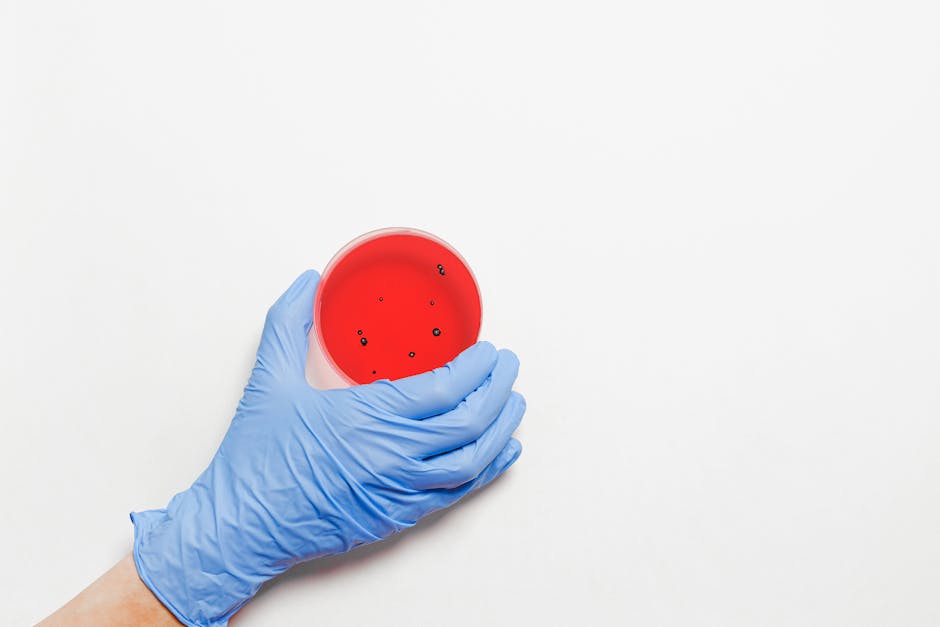
Most bacterial water tests involve collecting a sterile sample and submitting it to a certified laboratory. The lab evaluates whether total coliform bacteria and E. coli are present or absent in a specified volume of water. Some testing programs also quantify bacterial counts, but for drinking water, the presence of E. coli is generally considered unacceptable regardless of the exact concentration.
Proper collection matters. Samples should be taken from a clean indoor tap, often after removing the aerator if instructed, disinfecting the faucet, and allowing water to run for a specified time. Touching the inside of the sterile bottle, using an unapproved container, or collecting from a dirty faucet can compromise the result.
Interpreting Results
If E. coli is detected, households should treat the result as urgent. Immediate steps may include avoiding tap water for drinking and food preparation unless boiled, using bottled water, and investigating the source. A single positive result should not be ignored, even if subsequent water appears normal. If total coliforms are present but E. coli is absent, the result still suggests that the system may be vulnerable and should be evaluated.
Home Safety Checklist: Inspection and Testing
This e coli water contamination inspection checklist can help households decide whether testing and further evaluation are needed:
- Inspect the well cap and casing for cracks, gaps, corrosion, or loose fittings.
- Check whether the ground slopes away from the wellhead.
- Confirm that septic systems, animal enclosures, and manure piles are appropriately separated from the water source.
- Look for standing water, flooding marks, or erosion around the well or utility access points.
- Review whether any plumbing changes, filter replacements, or pump repairs were recently completed.
- Check for hose bibs or irrigation connections without backflow protection.
- Examine water storage tanks and treatment devices for overdue service or sanitation.
- Arrange certified testing after any high-risk event or suspicious finding.
Prevention and Treatment
Prevention is more effective and less disruptive than responding to a confirmed contamination event. A complete e coli water contamination protection steps strategy includes source protection, infrastructure maintenance, household habits, and timely response planning. Once contamination is detected, treatment should focus both on making water safe in the short term and correcting the underlying cause.
Short-Term Safety Measures
If E. coli is suspected or confirmed, households should follow local health guidance immediately. Boiling water is a common emergency measure for drinking, cooking, brushing teeth, washing produce, and making ice. Water should be brought to a rolling boil and then cooled before use. Bottled water may be preferable for infants, vulnerable individuals, and households during prolonged remediation.
It is also important to sanitize items that contact drinking water, such as ice makers, pitchers, reusable bottles, and faucet aerators. If contamination affected household plumbing or storage tanks, disinfection may be needed beyond the source itself.
Corrective Actions for Private Wells
For private well systems, disinfection may involve shock chlorination, but this should not be seen as a complete fix unless the entry pathway has been addressed. If bacteria return after disinfection, structural problems or surrounding contamination sources may still be present. A professional evaluation may be needed to repair casing defects, replace caps, improve grading, redirect runoff, relocate contamination sources, or upgrade the well.
Point-of-Entry and Point-of-Use Treatment
Some homes install treatment systems designed to reduce microbial risk. Options may include ultraviolet disinfection, chlorination systems, ozonation, or specialized filtration paired with disinfection. Selection depends on source water quality, contamination pattern, flow demands, and maintenance capacity. No treatment device should be considered reliable without proper sizing, installation, monitoring, and upkeep.
Routine Maintenance Practices
Consistent upkeep is one of the best e coli water contamination maintenance tips for any household water system. Maintenance should be scheduled rather than reactive.
- Test private wells at least once a year and after high-risk events.
- Pump and inspect septic systems at recommended intervals.
- Replace filters and cartridges according to manufacturer instructions.
- Inspect well caps, seals, and casing condition regularly.
- Maintain proper drainage away from the well and home.
- Install and maintain backflow prevention devices where needed.
- Disinfect wells, tanks, and plumbing after repairs or contamination events.
- Keep records of test results, service dates, and repairs.
Home Safety Checklist: Prevention and Protection
- Keep animal waste, manure, and chemical storage away from the water source.
- Do not allow floodwater to collect around a wellhead.
- Seal abandoned wells properly so they do not become contamination pathways.
- Use licensed professionals for well and septic work when required.
- Educate household members not to submerge hoses in buckets, pools, or sinks.
- Respond quickly to sewage odors, drainage failures, or unexplained wet areas.
- Follow boil water advisories fully until they are officially lifted.
- Retest water after corrective action to confirm safety.
Common Misconceptions
Misunderstandings about microbial water safety can delay testing and increase exposure. Correcting these myths is an important part of any educational e coli water contamination home safety checklist.
“If the water looks clear, it is safe.”
This is one of the most common and dangerous assumptions. E. coli contamination often causes no visible change. Clear water can still carry harmful microorganisms.
“A one-time disinfection solves everything.”
Shock chlorination can reduce contamination temporarily, but it does not fix a cracked well casing, failing septic field, or repeated flood intrusion. If the pathway remains, bacteria may return.
“Municipal water means zero risk.”
Public systems are generally safer because they are regulated and treated, but no system is immune to disruptions. Main breaks, pressure loss, and plumbing backflow can still create risk at the household level.
“Only rural wells have contamination problems.”
Private wells are a major concern, but urban and suburban properties can also experience contamination through premise plumbing, cross-connections, storage systems, or local infrastructure failures.
“If no one is sick, the water must be fine.”
Some people may have mild or delayed symptoms, and not all exposures produce immediate illness. Also, the presence of E. coli indicates a sanitary breach even if illness has not yet occurred.
“Household filters automatically remove bacteria.”
Not all filters are designed for microbial reduction. Some improve taste or reduce sediment only. Others require strict maintenance to work effectively. A neglected filter may worsen water quality.
Regulations and Standards
Water safety standards vary by country and system type, but a consistent principle applies: drinking water should not contain E. coli. In regulated public water systems, this organism is used as an important compliance indicator. Utilities are required to monitor, investigate positive findings, and take corrective actions according to applicable national or regional rules.
In many jurisdictions, public water systems must meet microbiological standards that require absence of E. coli in routine compliance samples. Positive results can trigger repeat sampling, public notification, corrective actions, and sometimes boil water advisories. The exact response framework depends on local regulations, system size, and whether the contamination is isolated or widespread.
Private wells are different. In many areas, they are not monitored by public utilities, and legal testing requirements may be limited to real estate transactions, well construction, or specific local programs. That means homeowners carry the responsibility for routine microbial testing and system maintenance. A lack of legal mandate does not reduce the health importance of regular monitoring.
Regulatory and guidance frameworks typically address:
- Maximum allowable microbiological contamination levels
- Sampling frequency and approved methods
- Laboratory certification requirements
- Public notification and boil water advisories
- Well construction and setback recommendations
- Backflow prevention standards
- Operator responsibilities for treatment and distribution systems
Homeowners should consult local or regional health departments, environmental agencies, and water utilities for the exact standards that apply in their area. For households with private wells, regional extension services, licensed well contractors, and certified laboratories are often valuable sources of guidance.
Conclusion
An effective e coli water contamination home safety checklist is not just a list of warnings; it is a practical framework for protecting household health. The most important lessons are straightforward: contamination is often invisible, fecal bacteria in water should always be taken seriously, testing is essential, and prevention depends on maintaining the entire system from source to tap.
Households should watch for e coli water contamination risk signs such as flooding, septic issues, plumbing changes, backflow hazards, and illness patterns. They should perform regular e coli water contamination inspection steps, prioritize e coli water contamination household testing, and follow consistent e coli water contamination maintenance tips to reduce vulnerability over time. When contamination is suspected or confirmed, immediate e coli water contamination protection steps such as boiling water, using safe alternatives, disinfecting affected components, and correcting the contamination source are essential.
Whether a home relies on a private well or a public supply, safe water depends on attention, evidence, and timely action. A clear understanding of microbial risks empowers households to respond confidently and reduce the likelihood of illness. With routine testing, sound maintenance, and informed decision-making, families can build a more resilient approach to drinking water safety.



Read the full guide: Water Microbiology Guide
Explore more in this category: Water Microbiology Articles