Introduction
Water affected by industrial activity can change in ways that are obvious, subtle, or completely invisible to the naked eye. For households, businesses, farmers, schools, and municipal systems located near factories, processing plants, mining operations, landfills, refineries, power stations, or heavy transportation corridors, understanding industrial water pollution warning signs is an important part of protecting health and property. Industrial contamination may enter rivers, lakes, groundwater, wells, and even treated distribution systems through spills, runoff, improper disposal, leaking storage tanks, airborne deposition, failing infrastructure, or inadequate wastewater treatment.
One of the most difficult aspects of industrial contamination is that people often expect polluted water to look dirty. In reality, some of the most concerning contaminants have no color, no smell, and no immediate taste. Others produce clear sensory clues such as metallic flavor, oily sheen, unusual staining, sulfur-like odor, foam, sediment, or sudden changes in nearby aquatic life. Learning to recognize these clues does not replace laboratory analysis, but it can help identify when water conditions deserve immediate attention.
This article explains the major symptoms, warning signals, and red flags associated with industrial contamination. It also covers how contamination occurs, what health effects may be linked to exposure, when to test, and what prevention and treatment options are available. If you are looking for broader background information, readers may also explore water contamination topics and a more comprehensive overview at this complete guide to industrial water pollution.
What It Is
Industrial water pollution refers to contamination of water resources caused by industrial processes, industrial waste streams, or byproducts associated with manufacturing, energy production, extraction, transportation, storage, and commercial-scale processing. It may affect surface water such as streams and lakes, groundwater used by private wells, stormwater systems, irrigation sources, and even municipal drinking water supplies if treatment barriers fail or contamination is widespread.
Industrial contamination can involve many different substances, including:
- Heavy metals such as lead, arsenic, mercury, cadmium, and chromium
- Solvents, degreasers, and volatile organic compounds
- Petroleum hydrocarbons, oils, and fuels
- Acids, alkalis, and corrosive chemicals
- Nutrients and process chemicals
- PFAS and other persistent synthetic compounds
- Suspended solids and sludges
- Salts and dissolved minerals from industrial discharge
- Heat from thermal discharges
- Microbial contamination associated with industrial wastewater failures
The term covers more than a single spill or visible dumping event. Chronic low-level discharges, legacy contamination from old industrial sites, seepage from waste lagoons, and contaminated runoff after rainstorms can all contribute. In some areas, contamination accumulates slowly in sediments and aquifers over years before noticeable problems appear.
From a practical standpoint, industrial contamination is often recognized through a combination of sensory clues, environmental changes, and health-related concerns. These may include industrial water pollution visible signs such as discoloration or oily films, industrial water pollution taste and odor changes such as metallic or chemical notes, and industrial water pollution health symptoms such as gastrointestinal upset, skin irritation, or unexplained recurring illness. However, none of these indicators alone can confirm the exact contaminant. Water testing is essential to identify what is present and whether it exceeds safe levels.
Main Causes or Sources
Industrial water pollution can originate from many sectors, and understanding the source is often the first step in assessing risk. A detailed breakdown of source pathways can be found in this guide to causes and sources, but the main categories are outlined below.
Direct Industrial Discharge
Facilities that use water in manufacturing, cooling, rinsing, extraction, or cleaning may discharge wastewater to rivers, streams, or municipal treatment systems. If treatment is inadequate, poorly maintained, bypassed, or overwhelmed, pollutants can enter the environment. In some cases, permit violations or accidental releases result in elevated pollutant levels downstream.
Stormwater Runoff from Industrial Sites
Rainfall moving across industrial yards, loading docks, storage piles, waste containers, vehicle maintenance areas, or scrap sites can pick up contaminants and carry them into nearby drains and waterways. This runoff may transport oils, metals, sediment, solvents, and chemicals that were never intended to be released as wastewater.
Leaking Tanks, Pipelines, and Waste Storage Areas
Underground and above-ground storage tanks can leak over time, especially if they are aging, corroded, or improperly monitored. Process pipelines, waste lagoons, retention ponds, and disposal pits may also release contaminants into soil and groundwater. These releases can migrate slowly, affecting private wells long after the initial leak began.
Mining and Resource Extraction
Mining operations can generate acid mine drainage, metal contamination, sediment loading, and chemical releases related to ore processing. Extraction activities may alter pH, increase total dissolved solids, and mobilize naturally occurring contaminants into groundwater or nearby streams.
Refining, Chemical Manufacturing, and Metal Processing
Facilities involved in chemical synthesis, metal plating, refining, electronics production, textile treatment, paper production, and plastics manufacturing may use compounds that are highly toxic even at low concentrations. Improper handling can introduce persistent chemicals, solvents, surfactants, and metals into water supplies.
Power Generation and Thermal Pollution
Industrial facilities that use water for cooling may discharge heated water. Elevated temperature may seem less serious than chemical contamination, but it can reduce dissolved oxygen, stress fish populations, alter microbial growth, and change the ecological balance of nearby water bodies. Warm water can also amplify taste, odor, and biological growth issues in downstream systems.
Landfills and Industrial Waste Disposal
Improperly managed landfills or waste disposal sites can generate leachate, a contaminated liquid formed when water percolates through waste. Leachate may contain metals, solvents, salts, PFAS, and other hazardous substances that infiltrate groundwater or nearby surface water.
Transportation and Accidental Spills
Industrial chemicals are often transported by truck, rail, pipeline, and ship. Accidental releases can contaminate rivers, storm drains, reservoirs, and soils that later wash into water sources. Even smaller spills may create localized contamination with strong taste, odor, or visible indicators.
Legacy Industrial Sites
Not all contamination comes from active industry. Former manufacturing plants, dry cleaners, tanneries, mills, gas works, and disposal sites may continue to affect water decades after operations cease. These locations are important industrial water pollution risk indicators, especially for nearby well owners.
Health and Safety Implications
The health effects of industrially contaminated water vary greatly depending on the contaminant, the concentration, the duration of exposure, and whether exposure occurs through drinking, cooking, bathing, inhalation, or skin contact. Some effects are immediate and noticeable. Others develop slowly and may be difficult to trace back to water quality without testing and medical evaluation. For a broader review, see health effects and risks of industrial water pollution.
Short-Term Health Symptoms
Industrial water pollution health symptoms in the short term may include:
- Nausea, vomiting, or diarrhea
- Abdominal cramps
- Headaches or dizziness
- Burning sensation in the mouth or throat
- Skin irritation, redness, or rashes after bathing
- Eye irritation
- Worsening asthma or respiratory discomfort from volatile compounds
- Unusual fatigue after repeated exposure
These symptoms are not unique to industrial contamination, but they become more concerning when they coincide with water changes such as unusual smell, color, or taste, especially if multiple people in one location are affected.
Long-Term Health Concerns
Some industrial contaminants are associated with serious long-term effects, including organ damage, neurological harm, endocrine disruption, reproductive effects, developmental problems, and increased cancer risk. Heavy metals and persistent chemicals are of particular concern because they can accumulate in the body or the environment over time.
Infants, children, pregnant individuals, older adults, and people with compromised immune systems may be more vulnerable. For example:
- Lead exposure can affect neurological development in children
- Arsenic has been linked to skin, cardiovascular, and cancer risks
- PFAS exposure is associated with several chronic health concerns
- Solvents may affect the liver, kidneys, or nervous system
- Nitrate-rich industrial runoff can pose particular risks for infants in some settings
Taste, Odor, and Sensory Changes as Health Clues
While sensory observations cannot identify a contaminant with certainty, they can provide valuable warning. Industrial water pollution taste and odor concerns may include:
- Metallic taste: sometimes associated with dissolved metals, corrosion, or industrial discharge
- Chemical or solvent-like smell: may suggest volatile organic compounds or chemical contamination
- Petroleum or fuel odor: can indicate hydrocarbon contamination
- Rotten egg smell: may be linked to hydrogen sulfide, industrial activity, wastewater conditions, or naturally reducing environments
- Bitter, salty, or unusual aftertaste: may reflect elevated dissolved solids, chemicals, or process waste inputs
If water smells strongly of fuel, solvents, or chemicals, it should not be consumed until properly evaluated. In some cases, volatile contaminants can also become an inhalation concern during showering or cooking.
Visible Red Flags Around Water Sources
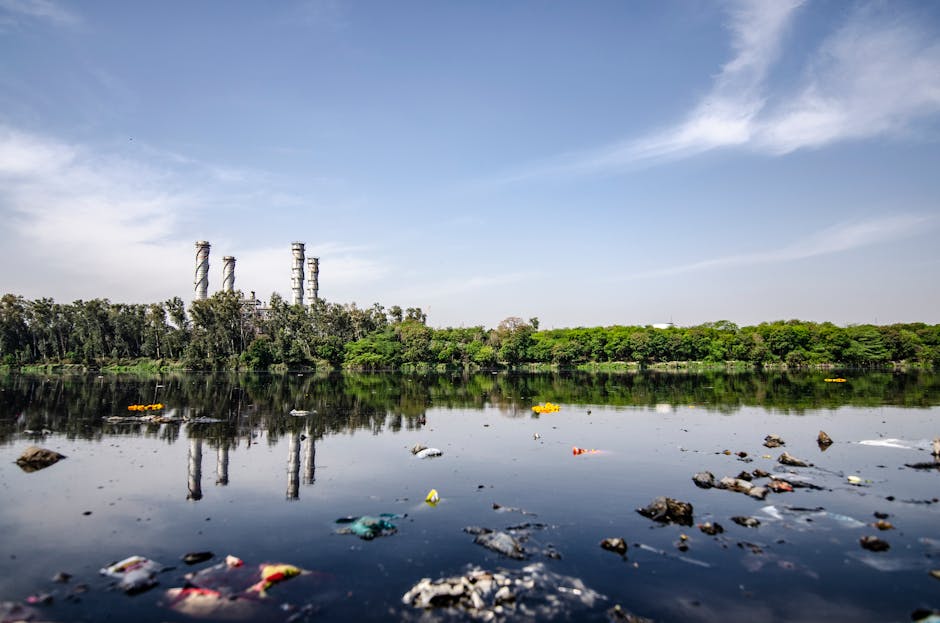
Industrial water pollution visible signs can sometimes be seen in the water, in fixtures, or around the source area. Red flags may include:
- Sudden discoloration such as orange, black, blue-green, or milky water
- Oily sheen on standing water or puddles near industrial sites
- Foam that persists unusually long
- Excess sediment or sludge
- Corrosion or rapid staining of sinks, laundry, or plumbing fixtures
- Dead fish, missing aquatic life, or stressed vegetation near discharge points
- Unusual scale buildup or residue after boiling
It is important to note that some contamination can cause no visible change at all. Clear water is not always safe water.
Testing and Detection
Because industrial contaminants differ widely, effective testing starts with context. The right testing plan depends on location, nearby land use, recent events, water source type, and any sensory or health concerns. This is where industrial water pollution when to test becomes especially important.
When Testing Is Especially Important
Testing should be considered promptly if any of the following occur:
- Your water suddenly changes in taste, odor, color, or clarity
- You notice petroleum, solvent, chemical, or metallic smells
- There has been a spill, fire, flood, or runoff event near industrial property
- You rely on a private well near factories, landfills, rail corridors, mining areas, or fuel storage
- Neighbors report similar water problems
- You observe unexplained staining, corrosion, or fixture damage
- There are recurring health complaints that seem linked to water use
- A local authority issues an advisory or reports permit violations
- You purchase property near a current or former industrial site
Key Risk Indicators Before Problems Are Obvious
Some industrial water pollution risk indicators are environmental or geographic rather than sensory. These include:
- Proximity to manufacturing zones or heavy industry
- Nearby hazardous waste or disposal sites
- Known contaminated groundwater plumes
- History of industrial land use on or near the property
- Flood-prone areas downstream of industrial operations
- Older private wells with uncertain construction or maintenance records
- Rapid development or changes in industrial activity nearby
What to Test For
A general water test may not detect many industrial pollutants. Targeted analysis may be needed for:
- Heavy metals
- Volatile organic compounds
- Semi-volatile organic compounds
- Petroleum hydrocarbons
- PFAS
- pH, conductivity, and total dissolved solids
- Chemical oxygen demand or related wastewater markers
- Nitrates, sulfates, chlorides, and other ions
- Microbial indicators if wastewater intrusion is possible
If you suspect microbial contamination alongside industrial impacts, resources in water microbiology may be helpful for understanding bacterial and biological risks.
How Testing Is Performed
For drinking water concerns, certified laboratory testing is the most reliable approach. Sampling should follow proper procedures because contamination can be missed or exaggerated by poor collection methods. In some cases, separate first-draw and flushed samples are recommended, especially where plumbing corrosion may also be involved.
Field screening tools can provide quick clues for pH, conductivity, temperature, turbidity, and sometimes specific chemicals, but they do not replace accredited lab analysis for health decisions. Public water systems may also perform source-water monitoring, distribution testing, and compliance testing under regulatory frameworks.
Interpreting Results Carefully
Detection does not always mean immediate toxicity, and non-detection does not always mean the water is fully safe under every condition. Results must be interpreted against health-based standards, regulatory limits, method detection limits, and source context. Contaminant concentrations can also vary over time, especially after rainfall, system disturbances, or seasonal shifts. Follow-up testing may be necessary to confirm a trend.
Prevention and Treatment
Preventing industrial water pollution requires action at multiple levels: facility management, regulation, infrastructure oversight, source-water protection, and informed consumer response. Treatment options also depend heavily on the contaminant involved.
Source Prevention Measures
- Proper industrial wastewater treatment and discharge control
- Secondary containment for tanks and chemical storage
- Routine inspection of pipes, lagoons, and storage systems
- Stormwater management to prevent contaminated runoff
- Spill prevention and emergency response planning
- Safe hazardous waste handling and disposal
- Groundwater monitoring around high-risk sites
Communities can also support source protection by tracking permit notices, public reporting, environmental assessments, and redevelopment plans for former industrial land.
Household and Building-Level Response
If contamination is suspected:
- Stop using the water for drinking and cooking until guidance is available
- Use bottled water if advised by authorities or a qualified professional
- Avoid boiling water unless instructed, since boiling can concentrate some chemicals rather than remove them
- Contact the water utility, local health department, or environmental agency
- Arrange certified testing for the contaminants of concern
- Document odors, discoloration, timing, and any nearby incidents
Treatment Options
No single treatment device removes every industrial contaminant. Effective treatment depends on the chemistry of the pollutant and the concentration present. Common options include:
- Activated carbon: often used for some organic compounds, taste, odor, and certain industrial chemicals
- Reverse osmosis: may reduce many dissolved contaminants, including some metals and synthetic chemicals
- Ion exchange: useful for selected dissolved ions and metals
- Oxidation and filtration: used for iron, manganese, sulfur compounds, and some process-related contaminants
- Air stripping: can help remove some volatile compounds in specialized systems
- Distillation: effective for certain contaminants but less practical in some settings
Point-of-use or whole-house treatment should be selected based on actual water data, not guesses. A filter that improves taste may do little for the contaminant creating the health risk. For more on treatment technologies, visit water purification resources.
Maintenance Matters
Even appropriate treatment systems can fail if they are undersized, improperly installed, or poorly maintained. Saturated carbon media, fouled membranes, and neglected prefilters may reduce performance and create a false sense of security. Ongoing maintenance, retesting, and manufacturer-certified replacement schedules are essential.
Common Misconceptions
If Water Looks Clear, It Must Be Safe
This is one of the most dangerous assumptions. Many industrial contaminants are colorless and odorless at harmful levels. Clear water can still contain lead, arsenic, solvents, PFAS, or other hazardous substances.
Bad Taste Always Means Immediate Toxicity
An unpleasant taste should not be ignored, but not every off-taste means acute poisoning. Minerals, corrosion, disinfectants, and harmless aesthetic issues can also alter taste. The key point is that sudden or unusual changes deserve investigation, especially near industrial activity.
Boiling Solves Most Water Problems
Boiling is useful for some biological risks, but it does not remove metals or many industrial chemicals. In fact, boiling can increase the concentration of certain contaminants as water evaporates.
Only Large Factories Cause Industrial Pollution
Smaller facilities, workshops, plating operations, auto yards, warehouses, dry cleaners, and even abandoned commercial sites can contaminate water. Legacy pollution from old sites is also a major issue.
A Home Filter Will Handle Any Contaminant
Different pollutants require different treatment methods. A basic pitcher filter may improve taste and odor yet offer little protection against specific industrial compounds. Treatment should always be matched to a tested contaminant profile.
If No One Feels Sick, the Water Is Fine
Some contaminants cause no immediate symptoms. Chronic exposure can continue for years before health effects become apparent. This is why monitoring and testing matter even in the absence of obvious illness.
Regulations and Standards
Industrial discharges and drinking water quality are governed by a combination of national, regional, and local regulations. These frameworks typically address wastewater permits, discharge limits, hazardous waste handling, spill reporting, source-water protection, and maximum contaminant levels in drinking water.
Discharge Controls
Industrial facilities are often required to treat wastewater before release and to comply with discharge permits that set limits on pollutants, flow, temperature, and other indicators. Stormwater permits may also regulate runoff from industrial property. Monitoring, reporting, and inspections are intended to reduce the risk of contamination entering public waters.
Drinking Water Standards
Public water systems are generally required to monitor specific contaminants and meet established standards where applicable. However, not every industrial chemical is regulated equally, and emerging contaminants may be monitored before formal limits are fully developed. Private wells are usually the responsibility of the owner, which makes awareness and voluntary testing especially important.
Why Compliance Does Not Eliminate Vigilance
Regulatory systems provide essential protections, but they are not perfect. Sampling schedules may miss short-lived contamination spikes. Older contaminants may persist from past practices. Infrastructure failures and illegal discharges still occur. For this reason, local observations, community reporting, and timely testing remain valuable complements to regulation.
Community Role in Oversight
Residents can strengthen water protection by reviewing public water quality reports, attending local meetings on industrial permitting, reporting unusual water conditions promptly, and supporting transparent environmental monitoring. In areas with private wells, neighborhood coordination can be especially helpful because patterns across multiple properties may reveal a broader groundwater problem.
Conclusion
Recognizing industrial water pollution warning signs is an essential skill for anyone concerned about water safety near industrial or formerly industrial areas. Warning signs may be sensory, visual, environmental, or health-related. They can include unusual taste and odor, visible sheen, staining, sediment, sudden discoloration, ecological stress, and recurring illness that appears linked to water use. At the same time, some dangerous contaminants produce no obvious clue at all.
The most reliable response is a combination of awareness, targeted testing, and appropriate action. Pay attention to changes in your water, understand local industrial water pollution risk indicators, and do not rely on appearance alone. If your water develops unusual taste, odor, or visible changes, or if there has been nearby industrial activity, runoff, or a spill, that may be the answer to industrial water pollution when to test: as soon as possible.
Ultimately, safe water depends on prevention at the source, effective regulation, accurate detection, and informed treatment choices. Knowing the red flags helps you respond earlier, ask better questions, and reduce the chance that contamination goes unnoticed until health or property damage has already occurred.



Read the full guide: Water Contamination Guide
Explore more in this category: Water Contamination Articles