
Introduction
Water supports every major function of the human body, every food system, and nearly every industrial economy. When that water becomes contaminated by industrial activity, the effects can spread far beyond factory walls. Industrial water pollution refers to the release of harmful physical, chemical, or biological substances into rivers, lakes, groundwater, coastal waters, and public water systems as a result of manufacturing, mining, energy production, processing, and related operations. Its consequences can be immediate, subtle, or delayed for years, depending on the pollutant, the amount released, and the people exposed.
The topic of industrial water pollution health effects is especially important because exposure often happens in ordinary ways: drinking water, cooking, bathing, irrigation, fishing, and work-related contact. In some cases, contaminated water causes short-term irritation or gastrointestinal illness. In others, it contributes to neurological damage, reproductive problems, developmental delays, organ toxicity, and increased cancer risk. The danger is not always visible. Water may appear clear, taste normal, and still contain dissolved metals, solvents, persistent organic chemicals, or microbial hazards.
Industrial contamination can also create uneven risk across society. Children, pregnant people, older adults, immunocompromised individuals, low-income communities, and workers in heavily industrialized areas may face greater exposure or greater health sensitivity. Understanding industrial water pollution vulnerable groups is essential for both public health planning and environmental justice.
This article explains what industrial water pollution is, where it comes from, how it affects human health, how it is tested, and what can be done to reduce harm. For broader background, readers may also explore water contamination resources and a more general overview at this complete guide to industrial water pollution.
What It Is
Industrial water pollution occurs when industrial operations introduce contaminants into water bodies or water supplies at levels that can damage ecosystems, reduce water usability, or harm human health. The pollutants may be discharged directly through pipes and drainage systems, indirectly through stormwater runoff, or gradually through leaks, seepage, waste disposal, or atmospheric deposition that later settles into water.
Industrial contamination can affect:
- Surface water, such as rivers, lakes, streams, reservoirs, and coastal zones
- Groundwater, including aquifers used for wells and municipal supply
- Drinking water systems, if source water is contaminated or treatment is inadequate
- Agricultural water, used for irrigation and livestock
- Recreational water, where people swim, boat, or fish
The contamination itself can take several forms:
- Chemical pollution, including heavy metals, acids, alkalis, solvents, oils, dyes, and synthetic compounds
- Thermal pollution, where heated water discharged from industrial cooling systems changes the temperature of receiving waters
- Nutrient pollution, often involving nitrogen and phosphorus from processing or waste streams, which can fuel algal blooms
- Particulate pollution, such as suspended solids, sludge, ash, or sediment
- Biological contamination, less common in purely industrial systems but possible where waste handling and poor sanitation overlap
- Radioactive contamination, in specific sectors such as uranium mining or some energy and research activities
Many industrial pollutants are dangerous because they persist in the environment, accumulate in sediments, or build up in plants, fish, and animal tissues. Human exposure can occur not only through drinking water but also through food chains. Fish caught from contaminated rivers, crops irrigated with polluted water, and dust from dried waste areas can all become secondary pathways.
Another important issue is mixed exposure. Real-world water pollution rarely involves one chemical alone. A community may be exposed to low levels of several contaminants at once. These combinations can complicate testing, treatment, risk assessment, and medical evaluation. That is one reason industrial water pollution medical concerns often extend beyond a single diagnosis.
Main Causes or Sources
The sources of industrial water pollution vary by region and industry, but several categories are repeatedly linked to major contamination events and chronic community exposure.
Common industrial sources include:
- Manufacturing plants
- Mining and ore processing operations
- Petrochemical and oil refining facilities
- Pulp and paper mills
- Textile dyeing and finishing plants
- Metal plating and electronics production
- Power generation facilities
- Tanneries and leather processing operations
- Pharmaceutical and chemical manufacturing plants
- Industrial landfills, lagoons, and waste storage sites
Direct Discharge of Wastewater
Some facilities release treated or untreated wastewater into nearby rivers, lakes, or coastal waters. Although many jurisdictions require permits and treatment, accidental releases, poor maintenance, illegal dumping, or inadequate treatment can still allow toxic substances into the environment. Wastewater may contain metals, solvents, surfactants, process chemicals, and high levels of organic matter that reduce oxygen in water.
Leaks, Seepage, and Groundwater Migration
Pollution does not need to be dramatic to be dangerous. Slow leaks from storage tanks, pipelines, settling ponds, or waste lagoons can infiltrate soil and eventually reach groundwater. Because groundwater moves slowly and is difficult to remediate, contamination may go undetected for years. Wells serving homes or farms can then become long-term exposure points.
Mining Runoff and Acid Mine Drainage
Mining activities can expose sulfide minerals to air and water, producing acidic runoff that mobilizes metals such as arsenic, lead, cadmium, and mercury. Tailings piles and abandoned mines can remain pollution sources long after operations stop. These contaminants can affect both drinking water and aquatic food webs.
Heavy Metal Contamination
Heavy metals are among the most serious industrial water pollutants because many are toxic at low concentrations and can accumulate in the body. Lead, mercury, arsenic, cadmium, chromium, and nickel may originate from smelting, battery production, electroplating, pigment manufacturing, mining, and electronics processing.
Organic Chemical Pollution
Industrial solvents, degreasers, plasticizers, synthetic additives, and persistent compounds can enter water through spills, disposal, or emissions. Some are linked to liver damage, endocrine disruption, immune effects, and cancer. Volatile organic compounds and persistent organic pollutants are especially concerning because they may spread widely and resist natural breakdown.
Stormwater and Surface Runoff
Rainfall can wash contaminants from industrial yards, storage areas, loading docks, waste piles, and transportation corridors into surface water. Runoff may carry oils, fuels, metals, sediments, and chemical residues even when no wastewater pipe is present.
Improper Waste Disposal
Industrial sludge, ash, spent chemicals, and byproducts require careful handling. When dumped improperly or stored in poorly designed facilities, these wastes can leach into surrounding soil and water. Legacy contamination from older disposal practices remains a major issue in many regions.
Readers who want a source-specific breakdown can see this guide to industrial water pollution causes and sources.
Health and Safety Implications
The health impact of industrially contaminated water depends on four core factors: the type of pollutant, the concentration, the duration of exposure, and the characteristics of the exposed person. This is why discussions of industrial water pollution exposure levels are so important. A small one-time contact may cause no noticeable effect, while chronic low-dose exposure over years may lead to significant disease. Conversely, a large accidental release can cause immediate poisoning or injury.
How Exposure Happens
People may be exposed through:
- Drinking contaminated water
- Preparing food with polluted water
- Bathing or showering in contaminated water
- Skin contact during work or recreation
- Inhalation of vapors released from water during showering or industrial use
- Eating contaminated fish, shellfish, or irrigated crops
Short-Term Health Effects
Industrial water pollution symptoms in the short term can vary widely. Some people experience acute irritation or digestive problems soon after exposure, while others may notice only mild or nonspecific effects. Common short-term symptoms may include:
- Nausea and vomiting
- Diarrhea or abdominal pain
- Headache
- Dizziness
- Skin rash or irritation
- Eye irritation
- Burning in the throat or nose
- Fatigue or weakness
- Unusual taste or odor sensitivity
Acute exposure to certain chemicals can also cause more severe outcomes, including breathing difficulty, confusion, seizures, chemical burns, or sudden organ stress. Emergency evaluation is warranted when symptoms are intense, when multiple people become ill after shared water exposure, or when a known chemical spill has occurred.
Long-Term Health Risks
Industrial water pollution long term risks are often the most concerning because they may develop quietly over months or years. Chronic exposure to contaminated water has been associated with:
- Neurological effects, such as reduced cognitive function, memory problems, tremors, peripheral nerve damage, or developmental impairment in children
- Kidney damage, particularly from metals and solvents that accumulate in renal tissue
- Liver toxicity, including impaired detoxification and chronic inflammation
- Endocrine disruption, where chemicals interfere with hormones affecting growth, metabolism, fertility, and thyroid function
- Reproductive harm, such as reduced fertility, altered sperm quality, menstrual irregularities, and pregnancy complications
- Developmental problems, including low birth weight, learning difficulties, and altered neurodevelopment
- Immune system effects, increasing susceptibility to infection or contributing to abnormal immune responses
- Cancer risk, depending on the contaminant, duration of exposure, and cumulative dose
- Cardiovascular effects, including hypertension or vascular injury linked with certain metals and chemical exposures
Examples of Pollutant-Specific Health Concerns
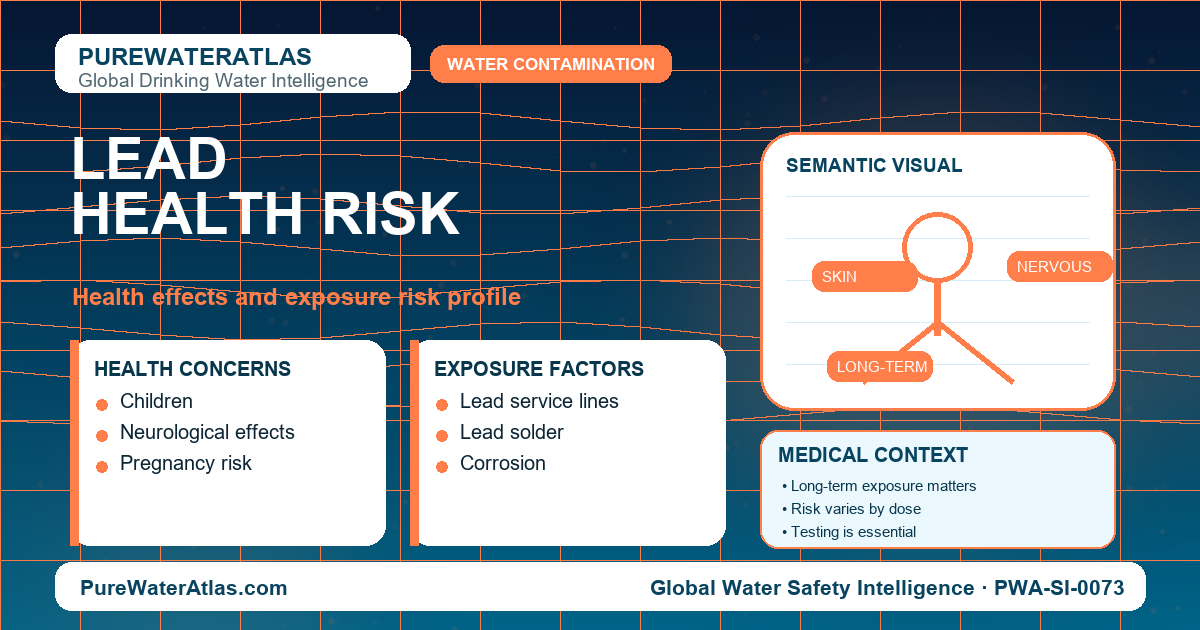
- Lead: associated with learning and behavioral problems in children, high blood pressure, kidney damage, and nervous system effects
- Mercury: can harm the brain and nervous system, especially in fetuses and young children
- Arsenic: linked to skin changes, cardiovascular disease, diabetes risk, and several cancers with long-term exposure
- Cadmium: may damage kidneys and bones over time
- Chromium compounds: certain forms are associated with irritation, ulcers, and cancer risk
- Industrial solvents: may affect the liver, kidneys, nervous system, and, in some cases, fetal development
Vulnerable Groups
Industrial water pollution vulnerable groups deserve special attention because the same amount of exposure does not affect all people equally.
- Infants and children: they drink more water relative to body weight, have developing organs, and are highly sensitive to neurotoxicants
- Pregnant people and fetuses: some contaminants cross the placenta and can affect fetal growth and development
- Older adults: age-related declines in kidney, liver, and immune function may increase susceptibility
- People with chronic illness: those with kidney disease, liver disease, heart disease, or compromised immunity may experience more severe effects
- Industrial workers: they may face combined occupational and community exposure
- Low-income or marginalized communities: these populations may have less access to alternative water sources, testing, healthcare, and regulatory response
Medical Concerns and Clinical Challenges
Industrial water pollution medical concerns are often difficult to diagnose because symptoms may be nonspecific. Fatigue, headaches, gastrointestinal upset, or skin irritation can have many causes. Chronic exposure may mimic common conditions or remain unnoticed until organ damage appears on lab testing. Clinicians often need environmental history, water test data, occupational information, and exposure timing to make sense of symptoms.
Another challenge is latency. Some cancers and chronic diseases linked to exposure may appear years after contamination began. This makes prevention and early detection far more effective than waiting for illness to emerge.
Testing and Detection
Accurate testing is essential because contamination is frequently invisible. Testing helps identify whether water is safe, what pollutants are present, and whether exposure levels are high enough to require urgent intervention. It also guides treatment decisions for water systems, homes, and industrial sites.
What Water Testing Looks For
Testing programs may measure:
- Heavy metals such as lead, arsenic, mercury, and cadmium
- Volatile and semi-volatile organic compounds
- pH, conductivity, turbidity, and total dissolved solids
- Chemical oxygen demand or biological oxygen demand
- Nitrates, phosphates, and ammonia
- Petroleum hydrocarbons and oils
- Industrial-specific chemicals based on local risk profiles
- Microbial indicators when sanitary contamination is also possible
Sampling Methods
Water may be sampled from household taps, private wells, rivers, drainage channels, industrial outfalls, storage ponds, or groundwater monitoring wells. Good sampling practice matters. A poorly collected sample can underestimate or miss contamination. In many investigations, repeated testing over time is necessary because pollutant levels may change with rainfall, production cycles, or groundwater movement.
Laboratory Analysis
Certified laboratories use specialized methods such as spectrometry, chromatography, and mass spectrometry to detect pollutants at very low levels. These methods are necessary because many hazardous chemicals are dangerous even in trace amounts. Screening kits can be useful for basic checks, but suspected industrial contamination usually requires formal laboratory confirmation.
Biomonitoring and Medical Testing
When human exposure is suspected, doctors may order blood, urine, hair, or other tests depending on the contaminant. For example, blood lead testing is commonly used for lead exposure. Kidney function tests, liver enzymes, neurological exams, and other clinical assessments may help determine whether contamination has affected health.
Still, not all pollutants have easy or definitive medical tests. Sometimes the strongest evidence comes from combining environmental testing, symptom patterns, and known exposure history.
Community Monitoring and Public Communication
Public agencies, universities, community groups, and environmental organizations may all contribute to detection efforts. Transparent communication is crucial. Residents need to know what was found, what the levels mean, how exposure occurs, and what actions to take. Poor communication can increase confusion, delay protective measures, and undermine trust.
For a deeper look at analytical approaches, see industrial water pollution testing and detection methods.
Prevention and Treatment
Preventing industrial water pollution is far more effective and less expensive than cleaning it up after it occurs. Once contaminants enter groundwater, sediment, or food chains, remediation can take years or decades. Effective prevention combines industrial controls, regulatory oversight, water treatment technology, and public health intervention.
Pollution Prevention at the Source
- Use safer raw materials where possible
- Reduce water use through closed-loop or recycling systems
- Maintain tanks, pipes, valves, and containment systems
- Install spill prevention and emergency shutdown measures
- Treat wastewater adequately before discharge
- Store hazardous waste securely and dispose of it legally
- Monitor stormwater and runoff pathways
- Train staff in environmental safety procedures
Water Treatment Approaches
Treatment depends on the contaminant. No single system removes all pollutants equally well. Common methods include:
- Coagulation and sedimentation for suspended particles
- Filtration for solids and some chemical contaminants
- Activated carbon for many organic chemicals and taste or odor issues
- Ion exchange for certain dissolved ions and metals
- Reverse osmosis for a broad range of dissolved contaminants
- Chemical precipitation for metals in industrial wastewater
- Biological treatment for biodegradable organic waste
- Advanced oxidation for difficult organic compounds
Readers interested in solutions can browse additional material on water purification and water treatment systems.
Household and Community Protection
When contamination is suspected or confirmed, protective actions may include:
- Using bottled or alternate safe water for drinking and cooking
- Installing certified point-of-use treatment devices matched to the pollutant
- Testing private wells regularly
- Following public health advisories on fish consumption and bathing
- Flushing systems where appropriate, though this is not effective for all contaminants
- Providing emergency water supplies to affected communities
Medical Response and Treatment
Medical care depends on the substance involved and the level of exposure. Management may include removal from exposure, hydration, symptom treatment, laboratory monitoring, and specialist referral. In some cases, chelation or other targeted therapies may be used for specific metal poisonings under medical supervision. However, the first and most important step is preventing continued contact with the contaminated source.
People who suspect exposure should document when symptoms began, what water sources they used, whether neighbors have similar problems, and any unusual taste, odor, staining, or nearby industrial incidents. This information can help healthcare providers and public agencies respond more effectively.
Common Misconceptions
If the Water Looks Clear, It Is Safe
False. Many dangerous industrial pollutants are colorless, odorless, and tasteless at harmful levels. Clear water can still contain lead, arsenic, solvents, or other toxic substances.
Only Large Spills Are Dangerous
False. Catastrophic spills attract attention, but chronic low-level releases may create serious long-term health burdens, especially in groundwater-dependent communities.
Boiling Water Solves Chemical Contamination
Not necessarily. Boiling can kill many microbes, but it does not remove most heavy metals or industrial chemicals. In some cases, boiling may even concentrate certain contaminants as water evaporates.
Industrial Pollution Only Affects Factory Workers
False. Nearby residents, downstream communities, agricultural users, and consumers of contaminated fish or crops may all be affected.
All Water Filters Remove All Pollutants
False. Different filters target different contaminants. A device effective for sediment or chlorine may do little against dissolved metals or synthetic chemicals. Treatment must match the contaminant profile.
Symptoms Always Appear Quickly
False. Some industrial water pollution symptoms appear within hours or days, but many health effects develop gradually. Long-term exposure may remain unnoticed until serious disease is present.
Regulations and Standards
Regulations exist to limit pollutant discharge, protect drinking water, guide cleanup, and define acceptable exposure thresholds. Exact rules differ by country and region, but the overall framework usually includes environmental discharge permits, drinking water standards, hazardous waste handling requirements, groundwater protection rules, and emergency reporting obligations.
Discharge Controls
Industrial facilities are often required to treat wastewater and comply with permit limits for specific pollutants before releasing effluent. Monitoring, reporting, and inspections help enforce these requirements. Violations may result in fines, cleanup orders, or operating restrictions.
Drinking Water Standards
Public health agencies typically establish maximum allowable levels for contaminants in drinking water. These limits are based on toxicology, epidemiology, treatment feasibility, and risk assessment. They are designed to reduce health risk over time, though not all pollutants are regulated equally and some emerging contaminants may lag behind scientific knowledge.
Site Remediation and Liability
Where contamination is discovered, laws may require investigation, cleanup, and long-term monitoring. Responsible parties may be legally obligated to fund remediation and provide alternate water supplies. In complex cases, especially involving older industrial sites, contamination may persist long after the original operator is gone.
Why Standards Matter but Are Not Enough
Standards provide a critical baseline, but they do not eliminate all risk. Limitations in monitoring frequency, changing science, underreported discharges, aging infrastructure, and resource gaps in enforcement can all reduce protection. Communities therefore benefit from both strong regulation and active local oversight.
Public access to monitoring data, independent testing, and prompt notice of contamination events are essential parts of effective regulation. Strong standards are most protective when combined with preventive industrial design, routine surveillance, and equitable enforcement across all communities.
Conclusion
Industrial water pollution is not just an environmental issue; it is a direct public health concern with consequences that can affect individuals, families, and entire communities. The range of industrial water pollution health effects includes short-term irritation and illness, as well as chronic risks involving the brain, kidneys, liver, hormones, reproduction, development, and cancer. The severity of harm depends on the pollutant, the exposure route, the dose, and the vulnerability of the exposed person.
Understanding industrial water pollution exposure levels, recognizing possible industrial water pollution symptoms, and identifying industrial water pollution vulnerable groups are all essential for timely response. Testing and detection play a central role because contamination is often invisible. Prevention at the source, effective treatment systems, medical follow-up, and strong regulatory oversight are the foundation of risk reduction.
Perhaps the most important lesson is that delayed action can carry lasting costs. Once polluted water affects wells, ecosystems, or food chains, the health burden may continue long after the original discharge. Protecting water quality therefore requires sustained attention from industry, regulators, healthcare professionals, and the public. With informed monitoring, responsible management, and early intervention, many of the most serious industrial water pollution long term risks can be reduced or prevented.
Read the full guide: Water Contamination Guide
Explore more in this category: Water Contamination Articles