
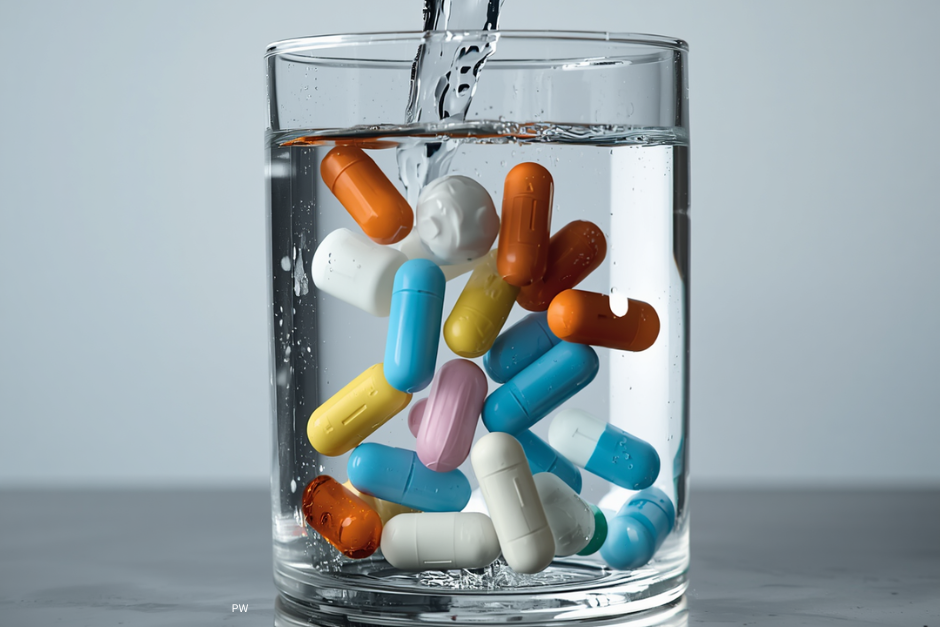
Pharmaceuticals in tap water are not a sign that a water system has failed in the ordinary sense. They are a sign of how modern society uses medicine, how wastewater moves through cities and watersheds, and how difficult it can be to remove trace organic chemicals once they enter the water cycle. Antibiotics, pain relievers, hormones, antidepressants, anti-seizure medicines, blood pressure drugs, and many other compounds have been detected in rivers, lakes, groundwater, and sometimes finished drinking water at extremely low concentrations.
For most people, the phrase pharmaceuticals in tap water raises a direct question: is the water safe to drink? The best scientific answer is measured rather than dramatic. Concentrations found in treated drinking water are usually in the nanogram-per-liter range, meaning parts per trillion. At these levels, the exposure from drinking water is generally far below a medical dose. However, the issue deserves serious attention because pharmaceuticals are biologically active by design, mixtures are complex, long-term low-dose exposure is hard to study, and some compounds can affect aquatic ecosystems even at low concentrations.
This complete guide explains where pharmaceutical residues come from, how they reach tap water, what scientists know about health and environmental risk, how testing works, and which purification methods are most effective. It is written for households, water professionals, facility managers, and anyone trying to make practical decisions without exaggerating or dismissing the concern. For a broader overview of chemical, microbial, and physical contaminants, see the Water Contamination Guide.
What Are Pharmaceuticals in Tap Water?
Pharmaceuticals in tap water are residues of human or veterinary medicines that have entered a drinking water source or, less commonly, have persisted through treatment into finished water. The term includes active pharmaceutical ingredients, metabolites formed after a drug is processed by the body, transformation products formed during wastewater or drinking water treatment, and sometimes related personal care chemicals such as antimicrobials or synthetic fragrances. In scientific literature, these substances are often grouped under emerging contaminants, contaminants of emerging concern, or pharmaceuticals and personal care products.
The word emerging can be misleading. Many of these compounds have existed for decades. What has emerged is the ability to detect them at very low concentrations and the recognition that they can travel through wastewater, surface water, groundwater, and drinking water systems. Modern laboratory methods can detect some compounds at parts per trillion, which is equivalent to a few drops of water in an Olympic-sized swimming pool.
Commonly detected pharmaceutical classes include antibiotics such as sulfamethoxazole and trimethoprim, analgesics such as acetaminophen and ibuprofen, anti-inflammatory drugs such as diclofenac and naproxen, anticonvulsants such as carbamazepine, lipid regulators such as gemfibrozil, beta-blockers such as atenolol and metoprolol, antidepressants such as fluoxetine, and hormones such as ethinyl estradiol. Not every compound is found in every water supply. Detection depends on local medicine use, wastewater discharge, source water type, hydrology, season, treatment process, and laboratory method.
Pharmaceuticals are different from many traditional drinking water contaminants. Lead, arsenic, nitrate, and pathogens are well-established hazards with specific regulatory limits or treatment targets in many jurisdictions. Pharmaceutical residues are usually present at far lower concentrations and are more diverse chemically. One water sample may contain several compounds with different solubility, charge, biodegradability, and resistance to oxidation. This chemical diversity is one reason no single simple test or treatment method covers the entire issue perfectly.
How Pharmaceutical Residues Enter Drinking Water Sources
The main pathway is ordinary use of medicine. After a person takes a medication, the body may absorb part of it and excrete the rest in urine or feces. Some drugs pass through the body largely unchanged, while others leave as metabolites that may later transform back or form other byproducts in the environment. These residues enter sewers, septic systems, wastewater treatment plants, rivers, lakes, and groundwater.
Municipal wastewater treatment was designed primarily to reduce pathogens, organic matter, suspended solids, nutrients, and some conventional pollutants. It was not originally designed to remove every trace pharmaceutical. Many wastewater plants remove some medicines efficiently through biodegradation, sorption to sludge, or chemical transformation. Others pass through partially or nearly unchanged. The effluent may then discharge to a river that also serves as a downstream drinking water source.
Improper disposal is another pathway. Flushing unused medicines down toilets or sinks sends concentrated residues directly to wastewater systems. Modern guidance in many countries discourages this practice except for a limited number of medicines that carry special disposal instructions because of acute poisoning risk. Drug take-back programs, pharmacy return points, and household hazardous waste programs are generally safer options.
Septic systems can also contribute, particularly in areas with dense development, shallow groundwater, fractured bedrock, sandy soils, or wells located too close to leach fields. In these settings, pharmaceutical residues may migrate with wastewater plumes toward private wells or surface waters. The risk varies widely and depends on soil chemistry, groundwater flow, well construction, and the compounds involved.
Hospitals, long-term care facilities, pharmaceutical manufacturing, livestock operations, and aquaculture can create localized inputs. In most urban watersheds, household use is usually a major contributor by volume, but concentrated discharges may matter in specific catchments. Veterinary medicines and growth-related drugs can reach waterways through manure application, agricultural runoff, and drainage systems.
Stormwater and combined sewer overflows can also play a role. During heavy rain, some cities discharge mixtures of stormwater and untreated sewage to rivers to prevent sewer backups. These events may carry pathogens, nutrients, debris, and chemical residues, including pharmaceuticals. Climate patterns that increase intense rainfall can make this pathway more important for some utilities.
Are Pharmaceuticals in Tap Water Regulated?
Most individual pharmaceuticals do not have enforceable drinking water limits in the United States or many other countries. This does not mean they are ignored. It means the regulatory framework has not generally set maximum contaminant levels for the wide range of medicines that can occur at trace levels. Regulators and health agencies usually prioritize contaminants based on occurrence, toxicity, exposure, treatability, and evidence of public health risk.
The U.S. Environmental Protection Agency monitors and evaluates drinking water contaminants through several programs, including occurrence monitoring for unregulated contaminants and health advisory work when sufficient data exist. General information about public drinking water protection is available from EPA Drinking Water. The World Health Organization also evaluates drinking water risks using a health-based framework and emphasizes that safe water requires protection from source to tap. Its drinking water overview is available through WHO Drinking Water.
WHO reviews have generally concluded that pharmaceuticals detected in drinking water are usually present at levels far below those expected to cause direct human health effects. However, WHO also supports preventive management, source control, and continued research because occurrence patterns change and data remain incomplete for many compounds, mixtures, and vulnerable populations.
Regulation is challenging for several reasons. There are thousands of active pharmaceutical ingredients, and many have multiple metabolites and transformation products. Toxicological data may be strong for therapeutic dosing but limited for lifelong low-dose exposure through water. Analytical methods are expensive and compound-specific. In addition, water utilities must allocate resources among many risks, including microbial safety, lead, nitrate, disinfection byproducts, industrial chemicals, and infrastructure deterioration.
For households, the practical message is that absence of a legal limit does not automatically mean no concern, and detection does not automatically mean danger. Risk depends on concentration, duration, compound toxicity, mixture behavior, and individual susceptibility. The strongest actions usually involve reducing inputs at the source, maintaining robust wastewater and drinking water treatment, and using targeted household purification when justified.
Typical Concentrations and What They Mean
Pharmaceutical residues in finished tap water, when detected, are commonly reported in nanograms per liter. One nanogram per liter is one part per trillion. Some source waters, especially downstream of wastewater discharges, may contain higher concentrations than finished water. Wastewater effluent may contain pharmaceuticals at nanogram-per-liter to microgram-per-liter levels, depending on the compound and treatment process.
To interpret these numbers, compare them with therapeutic doses. A single tablet of a common medicine may contain milligrams of active ingredient. A milligram is one million nanograms. If a compound is present in tap water at 10 nanograms per liter, a person drinking 2 liters per day would ingest 20 nanograms per day. That is far below the dose used for treatment. This comparison is useful, but it is not the whole risk assessment. Medicines are designed to affect biological pathways, and some compounds such as hormones can be active at low levels in sensitive organisms. Mixtures may also raise questions not captured by comparing one compound to one medical dose.
In aquatic ecosystems, the concern can be stronger than for human drinking water exposure. Fish, amphibians, invertebrates, and microbes may be exposed continuously in water that receives wastewater effluent. Endocrine-active compounds can alter reproduction in fish. Antibiotics can influence microbial communities and may contribute to selection pressure for resistance in some settings. Anti-inflammatory drugs and psychoactive compounds have also been studied for ecological effects.
The U.S. Geological Survey has been central in documenting the occurrence of organic wastewater contaminants in streams and groundwater. Its educational material on water movement and water quality is available through the USGS Water Science School. One of the key lessons from watershed science is that drinking water quality is linked to wastewater management, land use, hydrology, and upstream activity.
Common Pharmaceutical Compounds Found in Water
No single list applies to every location, but several pharmaceutical compounds are frequently studied because they are widely used, persistent, or analytically detectable. Some are removed well in wastewater treatment. Others are more resistant and can serve as indicators of wastewater influence. Carbamazepine, for example, has often been used as a marker because it can persist through conventional treatment and environmental transport.
| Compound or class | Common use | Why it matters in water | General treatability |
|---|---|---|---|
| Carbamazepine | Anti-seizure and mood-stabilizing medication | Often persistent and used as an indicator of wastewater influence | Often poorly removed by basic biological wastewater treatment; better reduced by activated carbon, ozone, advanced oxidation, or reverse osmosis |
| Sulfamethoxazole | Antibiotic | Relevant to antibiotic resistance research and wastewater tracking | Variable removal; advanced treatment improves reduction |
| Diclofenac | Anti-inflammatory pain medicine | Ecotoxicity concern in aquatic organisms and wildlife | Variable; can respond to ozone and advanced oxidation |
| Ibuprofen and naproxen | Pain relief and anti-inflammatory use | Commonly used and often detected in wastewater | Often more biodegradable than highly persistent compounds, but removal depends on system design |
| Ethinyl estradiol | Synthetic hormone in some contraceptives | Endocrine activity at very low concentrations in aquatic species | Can be reduced by advanced treatment; detection at very low levels requires specialized methods |
| Fluoxetine and other antidepressants | Mental health treatment | Potential behavioral and ecological effects in aquatic organisms under study | Variable; sorption, activated carbon, and advanced processes may help |
| Atenolol and metoprolol | Beta-blockers for cardiovascular conditions | Frequently investigated in wastewater-impacted watersheds | Variable removal depending on treatment conditions and compound properties |
This table should not be read as a list of what is definitely in a specific household tap. It shows why pharmaceuticals in tap water are a class issue rather than a single contaminant issue. The actual profile depends on source water, wastewater inputs, treatment technology, and local use patterns.
Health Risks: What Is Known and What Remains Uncertain
For direct human health, the current evidence suggests that trace pharmaceuticals in treated drinking water are usually much lower than doses known to cause therapeutic or toxic effects. Several risk assessments have found large margins of exposure for many detected compounds. In practical terms, an adult would often need to drink enormous volumes of water to approach a single therapeutic dose of a detected medicine.
That finding is reassuring, but it does not close the scientific file. Traditional toxicology often evaluates one chemical at a time, while real water may contain mixtures of dozens of trace organic compounds. Many pharmaceuticals have specific biological targets. Long-term exposure beginning before birth, during infancy, or in people with medical vulnerabilities is harder to evaluate than short-term adult exposure. Data for transformation products can be limited. Some compounds may not be routinely monitored because analytical methods are costly or newly developed.
Another concern is antimicrobial resistance. Antibiotic residues in wastewater and natural waters can create selection pressure in microbial communities, especially where concentrations are higher or where antibiotics combine with resistant bacteria, nutrients, metals, and other stressors. Drinking water treatment is designed to control pathogens, and treated tap water in regulated systems should not be considered a major antibiotic exposure route for most people. Still, antibiotic residues are part of a wider environmental resistance problem that includes healthcare, agriculture, wastewater, and sanitation.
Endocrine activity is also a focus. Some hormones and hormone-like chemicals can affect reproduction and development in aquatic organisms. Human risk through drinking water is typically evaluated as low at detected concentrations, but ecological impacts may occur at levels that require careful monitoring. This is one reason water safety cannot be judged only by immediate human toxicity.
People sometimes ask whether boiling water removes pharmaceutical residues. Boiling is useful for killing many microbes during a boil-water advisory, but it is not a reliable method for removing dissolved pharmaceuticals. In some cases, boiling may slightly concentrate nonvolatile compounds because water evaporates while the contaminant remains. Household decisions should therefore distinguish microbial emergency disinfection from chemical contaminant removal. For a broader household safety framework, see Drinking Water Safety.
Who May Be More Concerned?
Although risk from trace pharmaceuticals in tap water is generally considered low for the public, some groups may reasonably seek extra caution. Infants consume more water per unit of body weight than adults when formula is prepared with tap water. Pregnant people may be more cautious about chemical exposures because fetal development includes sensitive windows. People with compromised immune systems, kidney disease, liver disease, endocrine disorders, or complex medication regimens may also have lower tolerance for uncertainty, even if the actual exposure is very small.
Private well users face a different situation from customers of large regulated municipal systems. Municipal utilities typically test for many regulated contaminants and maintain disinfection and treatment controls. Private wells are the responsibility of the owner in many regions. If a well is near septic systems, wastewater-impacted surface water, agricultural operations, landfills, or dense development, testing and source protection become more important. Pharmaceutical testing is not part of standard basic well panels, but related indicators such as nitrate, chloride, boron, caffeine, artificial sweeteners, or microbial contamination may suggest wastewater influence.
Communities downstream of major wastewater discharges may also have greater interest in this topic. This does not mean their tap water is unsafe, because drinking water treatment can substantially reduce many compounds. It does mean source water protection and treatment selection are especially important. Utilities that draw from rivers with high wastewater contribution often use multiple barriers, such as coagulation, filtration, activated carbon, ozone, advanced oxidation, membranes, or managed aquifer recharge, depending on local needs.
How Water Utilities Address Pharmaceutical Residues
Drinking water treatment uses multiple barriers. Conventional treatment often includes coagulation, flocculation, sedimentation, filtration, and disinfection. These steps are highly valuable for particles, microbes, turbidity, and many regulated contaminants. Their effectiveness for pharmaceuticals varies. Some compounds attach to particles and may be partly removed. Others remain dissolved and pass through conventional processes.
Activated carbon is one of the most important tools for reducing many trace organic chemicals. Powdered activated carbon can be added during treatment to adsorb contaminants and then removed with solids. Granular activated carbon can be used in filter beds or contactors. Effectiveness depends on carbon type, contact time, contaminant properties, natural organic matter, water temperature, and how recently the carbon has been replaced or regenerated. Carbon is not magic; it has capacity limits and works better for some compounds than others.
Ozonation can transform many pharmaceuticals by oxidation. Ozone is often effective for compounds with reactive functional groups, and it can also improve taste, odor, and color. However, oxidation does not always mean complete mineralization to carbon dioxide and water. Transformation products may form, and utilities must manage byproducts such as bromate when bromide is present. Advanced oxidation processes, such as ozone with hydrogen peroxide or ultraviolet light with hydrogen peroxide, generate highly reactive radicals that can degrade a wider range of trace organics under controlled conditions.
Membrane technologies can also reduce pharmaceutical residues. Reverse osmosis and nanofiltration provide strong physical-chemical separation for many dissolved contaminants. These systems are energy-intensive compared with conventional filtration, create concentrate streams that require management, and may remove beneficial minerals. They are more common in desalination, water reuse, industrial treatment, and point-of-use systems than in every municipal water plant.
Biologically active filtration, riverbank filtration, soil aquifer treatment, and managed aquifer recharge can also reduce some pharmaceuticals through biodegradation, sorption, and travel time. Performance is compound-specific. Persistent compounds may remain, while biodegradable compounds may decline substantially.
The strongest municipal approach is not one technology but a risk-managed treatment train: protect the source, reduce wastewater inputs, monitor indicators, choose treatment matched to local contaminants, verify performance, and maintain equipment. This is consistent with a water safety plan approach used internationally.
Household Purification Methods That Can Reduce Pharmaceuticals
Household treatment can be useful when a consumer wants an added barrier or when private well conditions justify extra protection. The main options for pharmaceuticals in tap water are activated carbon, reverse osmosis, and, less commonly, advanced point-of-use systems that combine carbon with membranes or other processes. Selection should be based on certified performance, contaminant goals, maintenance requirements, water use, and cost.
Activated carbon pitchers, faucet filters, refrigerator filters, under-sink carbon blocks, and whole-house carbon systems can reduce many pharmaceutical residues, especially hydrophobic organic compounds that adsorb well. Carbon block filters often provide longer contact time and more consistent performance than small loose-carbon filters, but design matters. The filter must be replaced on schedule. Once adsorption sites are exhausted, removal falls and some compounds may pass through.
Reverse osmosis systems are often more comprehensive for dissolved contaminants. A typical under-sink RO unit uses a sediment prefilter, carbon prefilter, RO membrane, storage tank, and postfilter. RO can reduce many pharmaceuticals, nitrate, arsenic species depending on form, fluoride, salts, and numerous other dissolved substances. It also wastes some water as reject flow, requires periodic membrane and filter changes, and may produce water with a different taste because mineral content is reduced.
Distillation can remove many nonvolatile contaminants, but it is slow and energy-intensive for routine household use. Some volatile or semi-volatile compounds may carry over unless the unit includes proper venting or carbon polishing. Standard ultraviolet disinfection units are excellent for microbial inactivation when properly sized and maintained, but UV alone is not a broad pharmaceutical removal method unless it is part of an advanced oxidation process.
Boiling, simple sediment filters, water softeners, and standard ceramic microfilters should not be relied on for pharmaceutical removal. Softeners exchange hardness ions such as calcium and magnesium; they are not designed for trace organic chemicals. Sediment filters remove particles, not dissolved residues. Ceramic filters may remove some microbes and particulates but do not reliably remove dissolved drug residues unless combined with carbon or another adsorptive medium.
For a deeper comparison of technologies, see Water Purification Methods and Water Treatment Systems. The best system is not necessarily the most expensive one. It is the system that matches the contaminant, has credible performance data, and will be maintained correctly for years.
Comparing Purification Methods for Pharmaceutical Residues
| Method | Expected performance for pharmaceuticals | Strengths | Limitations |
|---|---|---|---|
| Activated carbon pitcher | Variable; can reduce some compounds if media quality and contact time are adequate | Low cost, easy to use, improves taste and odor | Small capacity, short contact time, frequent cartridge replacement, limited proof for specific pharmaceuticals |
| Carbon block under-sink filter | Moderate to high for many adsorbable pharmaceuticals | Better contact time and capacity than many pitchers, no wastewater stream | Less effective for highly polar or poorly adsorbed compounds; must replace cartridges |
| Granular activated carbon whole-house system | Variable to high depending on design | Treats all household water, useful for taste, odor, and many organics | Higher cost, performance depends on empty bed contact time and maintenance, may need microbial control |
| Reverse osmosis under-sink system | High for many dissolved pharmaceuticals | Broad contaminant reduction, strong barrier for many trace chemicals | Produces reject water, slower flow, requires membrane and filter maintenance |
| Distillation | High for many nonvolatile pharmaceuticals | Effective for many dissolved solids and nonvolatile chemicals | Slow, energy use, may need carbon postfilter for volatile carryover |
| UV disinfection alone | Low for most pharmaceuticals | Excellent microbial barrier when properly applied | Not a chemical removal technology unless combined with advanced oxidation |
| Boiling | Not reliable and may concentrate some residues | Useful for microbial advisories | Does not remove most dissolved pharmaceuticals |
How to Test for Pharmaceuticals in Tap Water
Testing for pharmaceuticals in tap water is more specialized than testing for lead, nitrate, coliform bacteria, hardness, or chlorine. Most home test strips and inexpensive kits cannot detect pharmaceutical residues. Laboratory analysis typically uses liquid chromatography coupled with tandem mass spectrometry, often abbreviated LC-MS/MS, or similar advanced methods. These instruments can identify and quantify trace organic compounds at very low levels, but the analysis is costly and must be designed for a defined list of target compounds.
If you use a municipal water supply, start with the annual consumer confidence report or water quality report. It may not list pharmaceuticals, but it will provide source water information, regulated contaminant results, treatment processes, and utility contacts. Some utilities conduct additional monitoring for emerging contaminants and may share summaries. If the source is a river downstream of wastewater discharge, ask whether the utility has evaluated trace organic chemicals and what treatment barriers are in place.
Private well owners should usually begin with more common indicators before paying for pharmaceutical panels. Test for total coliform and E. coli, nitrate, nitrite, pH, conductivity, chloride, hardness, iron, manganese, arsenic where regionally relevant, and any local contaminants of concern. If wastewater influence is suspected, a laboratory or hydrogeologist may recommend additional indicators and, in some cases, a targeted pharmaceutical or wastewater tracer panel. The Water Testing Guide explains how to choose tests, collect samples, and interpret results.
Sampling quality matters. Trace organic analysis is sensitive to contamination from bottles, hands, plumbing materials, and preservatives. Laboratories should provide the correct containers, instructions, holding times, and shipping conditions. Samples may need to be chilled and delivered quickly. Do not collect pharmaceutical samples in reused drink bottles or containers not supplied by the laboratory.
Interpreting results requires caution. A nondetect does not prove a compound is absent; it means it was below the method reporting limit or not included in the target list. A detection does not automatically mean a health threat. The concentration must be compared with health-based screening values if available, toxicological context, treatment goals, and background occurrence data. For many compounds, no formal drinking water standard exists, so interpretation may require professional judgment.
Source Control: The Most Effective Long-Term Strategy
Removing pharmaceuticals from water after they are dispersed is technically possible but expensive and incomplete. Preventing unnecessary releases is often more efficient. Households can help by using medicines as prescribed, avoiding stockpiling, and disposing of unused medications through take-back programs when available. Do not flush medicines unless the label or official guidance specifically instructs it because of immediate safety concerns.
Healthcare facilities can reduce waste through inventory management, safer disposal practices, and staff training. Pharmacies and community programs can make return options easier. Pharmaceutical manufacturers can improve waste controls and, where feasible, develop greener chemistry and more biodegradable compounds without compromising medical effectiveness. Veterinary and agricultural sectors can reduce unnecessary antibiotic use and manage manure to limit runoff.
Wastewater treatment upgrades are another major strategy. Advanced treatment can reduce many trace organic chemicals, but it requires capital, energy, skilled operation, and ongoing maintenance. Communities must weigh these investments against other water priorities. In water-scarce regions, potable reuse and advanced wastewater treatment have accelerated innovation, including multi-barrier systems with microfiltration, reverse osmosis, advanced oxidation, and rigorous monitoring.
Source water protection remains essential. Land use planning, septic system maintenance, sewer infrastructure repair, industrial pretreatment, stormwater management, and watershed monitoring all reduce the burden on drinking water plants. A strong water system does not depend only on the treatment plant. It depends on the condition of the whole watershed and distribution network.
What Households Should Do Now
Most households on regulated municipal water do not need to panic or stop drinking tap water because of pharmaceuticals. The more useful approach is to understand local water conditions and choose proportionate action. Read your water quality report. Learn whether your source is groundwater, reservoir water, river water, or a blend. If you live downstream of wastewater discharges, ask the utility about treatment barriers for trace organics. If you use a private well, test it routinely for standard health-related contaminants and consider site-specific risks.
If you want an added barrier, choose a filter certified or independently tested for relevant organic chemical reduction. Certification standards may not list every pharmaceutical, but performance against organic chemicals, VOCs, certain emerging contaminants, or surrogate compounds can provide useful evidence. Look for transparent test data rather than vague marketing claims. Replace cartridges on schedule. A neglected filter can perform worse than no filter for some water quality goals.
If you have infants, immunocompromised family members, or a private well near septic influence, a well-maintained under-sink reverse osmosis system or high-quality carbon block system may be reasonable. The choice depends on the full water profile. For example, if nitrate is also elevated, reverse osmosis may be more appropriate than carbon alone. If the main concern is taste, odor, chlorine, and many trace organics, carbon may be sufficient.
Do not rely on bottled water as an automatic solution. Bottled water may come from municipal or spring sources and is not necessarily tested for every pharmaceutical. It also creates plastic waste and costs far more per liter. If bottled water is needed temporarily, choose reputable brands with clear quality reporting, but consider long-term solutions that address the actual source of concern.
Finally, dispose of medications responsibly. This is one of the few actions that reduces the problem at its origin. A single household will not solve watershed contamination alone, but widespread behavior change, combined with wastewater improvements and sound water management, can reduce future loading.
Professional Considerations for Utilities, Facilities, and Consultants
For water professionals, pharmaceuticals in tap water should be handled through risk assessment rather than isolated detection. Begin with a source water vulnerability assessment. Identify wastewater treatment plant discharges, combined sewer overflow points, septic density, hospital or manufacturing inputs, agricultural sources, low-flow conditions, and seasonal patterns. Consider whether the source water has a high fraction of treated wastewater during drought.
Monitoring programs should be designed around decision-making. A long list of analytes may be scientifically interesting but not useful if it does not inform treatment, communication, or source control. Indicator compounds can help track wastewater influence. Persistent and treatment-resistant compounds can help evaluate barrier performance. Sampling should consider raw water, finished water, distribution points, and seasonal hydrologic conditions.
Treatment evaluations should include bench-scale or pilot-scale work where possible. Activated carbon selection requires isotherm testing, rapid small-scale column tests, or full-scale performance data under local water chemistry. Natural organic matter can compete for adsorption sites and reduce pharmaceutical removal. Ozone and advanced oxidation require careful dose control, byproduct monitoring, and evaluation of transformation products. Membranes require concentrate management and operational planning.
Public communication should be clear and quantitative. Avoid saying that water is chemical-free; no natural or treated water is free of all chemicals. Avoid dismissing public concerns as irrational. Explain concentrations, health context, treatment barriers, and ongoing monitoring. Provide practical steps for medication disposal and household filtration when appropriate. Credibility is built by acknowledging uncertainty while explaining why current evidence supports the utility guidance.
FAQ
Are pharmaceuticals in tap water dangerous?
For most regulated drinking water systems, detected pharmaceutical residues are usually at extremely low concentrations, often far below therapeutic doses. Current evidence generally indicates low direct risk to healthy adults. The concern is still scientifically valid because mixtures, long-term exposure, vulnerable groups, and ecological effects remain active areas of research.
Does boiling tap water remove pharmaceuticals?
No. Boiling is not a reliable way to remove pharmaceuticals in tap water. It can kill many microbes during an emergency advisory, but most dissolved drug residues do not evaporate or disappear during normal boiling. Some may become slightly more concentrated as water evaporates.
Which filter is best for pharmaceuticals in tap water?
Reverse osmosis and high-quality activated carbon systems are the most common household options. Reverse osmosis provides broad reduction for many dissolved contaminants, while carbon can reduce many organic chemicals depending on compound properties and filter design. Look for credible certification or independent test data and maintain the system carefully.
Can refrigerator filters remove pharmaceutical residues?
Some refrigerator filters contain activated carbon and may reduce certain organic compounds, but performance varies widely. Many are designed mainly for chlorine taste and odor. Check the product certification and performance data. If pharmaceuticals are a primary concern, an under-sink carbon block or reverse osmosis system is usually more defensible.
How can I test my water for pharmaceuticals?
You need a qualified laboratory using advanced methods such as LC-MS/MS. Basic home test kits do not detect most pharmaceutical residues. Municipal customers should first review the water quality report and contact the utility. Private well owners should start with standard health-related well tests and add specialized pharmaceutical testing only when site conditions justify it.
Do wastewater treatment plants remove pharmaceuticals?
They remove some pharmaceuticals well and others poorly. Removal depends on the compound, plant design, biological activity, sludge handling, retention time, and advanced treatment steps. Conventional wastewater treatment was not originally designed to remove every trace medicine, so some residues can pass into receiving waters.
Is bottled water safer than tap water for pharmaceuticals?
Not automatically. Bottled water can come from municipal or groundwater sources and may not be tested for every pharmaceutical. Some brands provide detailed quality reports, while others provide limited information. A well-chosen and maintained home treatment system may be a better long-term option if your tap water has a specific, verified concern.
What is the best way to prevent pharmaceuticals from entering water?
Use medicines as directed and return unused drugs through take-back programs when possible. Do not flush medications unless official instructions specifically say to do so. At the community level, improved wastewater treatment, sewer maintenance, septic management, and source water protection are the strongest long-term controls.
Bottom Line
Pharmaceuticals in tap water are a real but usually low-level form of water contamination. They come mainly from normal medicine use, wastewater discharge, septic systems, and improper disposal. Most detected concentrations in treated drinking water are far below medical doses, and current evidence generally points to low direct health risk for the average consumer. Still, the issue matters because pharmaceuticals are biologically active, mixtures are complex, ecological effects can occur, and some water sources are more vulnerable than others.
The most practical response is layered: prevent unnecessary disposal, protect source waters, improve wastewater and drinking water treatment where needed, test intelligently, and use household purification when it matches a real concern. Activated carbon and reverse osmosis are the leading home-scale purification methods for reducing many pharmaceutical residues. Boiling, softening, and basic sediment filtration are not reliable solutions for this contaminant class.
Safe drinking water depends on more than one device or one test. It depends on informed management from watershed to tap. For readers comparing pharmaceutical residues with other contaminant groups, the Water Contamination section provides related guides on sources, risks, testing, and prevention.
Bacterial Contamination: Technology Explained
Rural Water Treatment Solutions: Technology Explained
Read the full guide: Water Contamination Guide
Explore more in this category: Water Contamination Articles