
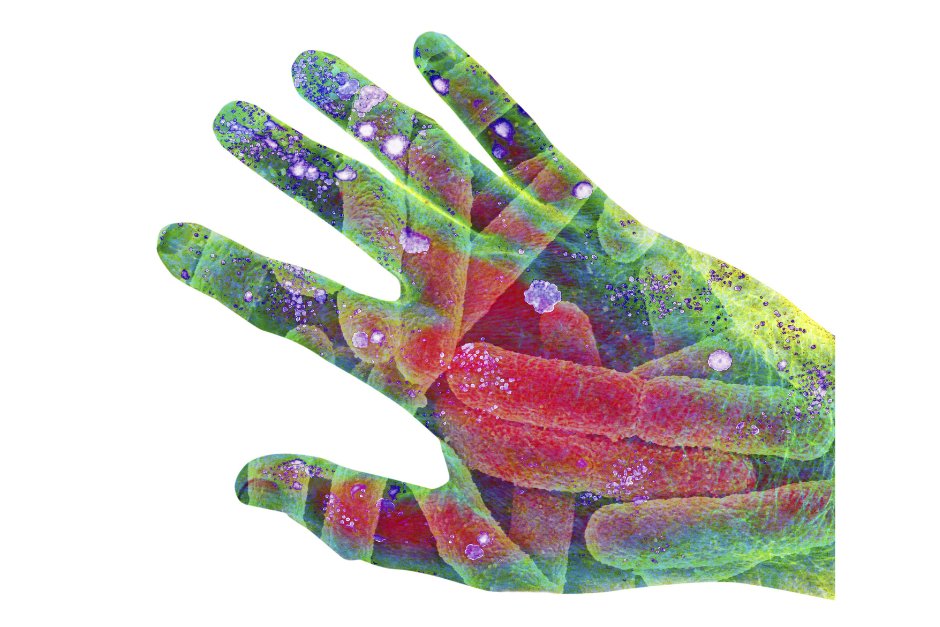
Bacterial contamination is one of the oldest and most persistent threats to drinking water safety. It can occur in a mountain spring, a private well, a municipal pipe network, a storage tank, a household filter, or a hospital plumbing system. The bacteria involved may be harmless environmental organisms, indicators of fecal pollution, opportunistic pathogens, or direct causes of disease. What makes bacterial contamination especially important is that it is dynamic: bacteria can enter water, die, survive, attach to surfaces, form biofilms, regrow, or resist treatment depending on temperature, nutrients, disinfectant residual, pipe materials, and system design.
This technology explained guide describes how bacterial contamination is detected, interpreted, treated, and prevented. It is written for readers who want more than a simple warning, but do not need a specialist textbook. The focus is practical: what bacteria mean in drinking water, how testing technologies work, which purification methods are effective, and where the limits of each approach sit.
For a broader foundation on microbes in drinking water, see the PureWaterAtlas pillar guide to Water Microbiology. This article concentrates specifically on bacterial contamination and the technologies used to manage it from source to tap.
What bacterial contamination means in drinking water
In drinking water, bacterial contamination means that bacteria are present at levels or in patterns that suggest water may be unsafe, poorly protected, inadequately treated, or vulnerable to regrowth. The phrase does not always mean that disease-causing bacteria have been confirmed. Often, water testing uses indicator bacteria to show that a pathway exists for contamination, especially from fecal material.
The most widely recognized indicator is Escherichia coli, commonly written as E. coli. Most strains of E. coli are normal intestinal bacteria, but their presence in drinking water is a strong sign that fecal contamination has occurred. Fecal contamination may also carry viruses, protozoa, and pathogens such as Salmonella, Campylobacter, pathogenic E. coli, or Shigella. A single positive E. coli result in a drinking water sample is treated seriously because the water has lost a key sanitary barrier.
Total coliform bacteria are broader indicators. They include bacteria found in soil, vegetation, surface water, and fecal matter. A total coliform positive result does not prove fecal pollution by itself, but it signals that the system may have a route for microbial entry, poor maintenance, insufficient disinfection, or sampling contamination. In regulated public systems, total coliform monitoring helps identify sanitary defects before an outbreak occurs.
Other bacteria have different meanings. Legionella can grow in warm building plumbing and cause Legionnaires disease when contaminated water is aerosolized and inhaled. Pseudomonas aeruginosa can colonize filters, taps, and hospital water systems, posing special risks to immunocompromised people. Heterotrophic plate count bacteria, often abbreviated HPC, are a mixed population of bacteria that grow on nutrient media under laboratory conditions. HPC is not usually a direct health standard, but it can reveal biological activity, stagnation, or treatment changes.
International and national guidance emphasizes a preventive approach. The World Health Organization drinking water guidance frames safe water as a system outcome: protected sources, effective treatment, secure distribution, and monitoring. The U.S. Environmental Protection Agency drinking water program similarly uses regulatory standards, monitoring, public notification, and treatment requirements to control microbial risks.
How bacteria enter water systems
Bacteria enter drinking water through several routes. Some are obvious, such as sewage intrusion after a pipe break. Others are subtle, such as biofilm growth inside a storage tank or backflow from a connected irrigation line. Understanding the entry route is essential because treatment at the tap does not fix the underlying defect.
Source water contamination
Surface water sources such as rivers, lakes, and reservoirs are naturally exposed to wildlife, stormwater runoff, wastewater discharges, agriculture, and sediment disturbance. They almost always require filtration and disinfection before they can be used as drinking water. Heavy rainfall can sharply increase bacterial loading by washing fecal material and soil into waterways.
Groundwater is often better protected, but it is not automatically sterile or safe. Shallow wells, fractured bedrock aquifers, karst systems, poorly sealed well casings, and wells located near septic systems can be vulnerable to rapid microbial transport. A private well with a cracked cap or poor drainage around the casing may allow contaminated surface water to enter directly.
Treatment failure or bypass
Treatment barriers can fail if filters are overloaded, disinfectant dosing is inadequate, contact time is too short, or equipment is not maintained. In small systems, power loss or chemical feed interruption can allow untreated or partially treated water into the distribution system. In homes, point-of-use filters may become colonized if cartridges are not replaced or if a carbon filter removes disinfectant residual without a downstream microbial barrier.
Distribution system intrusion
Even water that leaves a treatment plant in good condition can become contaminated in pipes. Intrusion can occur during low pressure events, water main breaks, cross-connections, backflow, construction, or flooding. Aging infrastructure increases risk because leaks and pressure fluctuations create pathways for outside water and soil bacteria.
Storage, plumbing, and fixtures
Storage tanks, premise plumbing, water heaters, faucet aerators, showerheads, refrigerator dispensers, and under-sink systems can support bacterial growth. Stagnation, warm temperatures, sediment, low disinfectant residual, and nutrients from plumbing materials all encourage microbial persistence. Building plumbing is especially important for opportunistic pathogens such as Legionella, which may not be controlled by tests focused only on fecal indicators.
Indicator organisms and what they tell us
Testing every possible pathogen in every water sample is not practical. Many pathogens are rare, difficult to culture, or present intermittently. Indicator organisms provide a practical way to evaluate whether water is likely to have been contaminated and whether treatment barriers are functioning.
Total coliforms are used as general indicators of sanitary integrity. Their presence may point to environmental contamination, distribution system issues, or a sampling problem. A repeat sampling protocol is often needed to distinguish an isolated event from a systemic problem.
E. coli is a more specific indicator of fecal contamination. In treated drinking water, E. coli should be absent. A positive result usually triggers immediate public health action, such as boil water advisories, system investigation, corrective disinfection, and repeat testing.
Enterococci are often used in recreational water and sometimes in source water assessment. They are fecal indicator bacteria that can survive under conditions where other bacteria decline. Their presence can help identify fecal impacts in certain settings.
Heterotrophic plate count bacteria measure culturable bacteria that grow under selected laboratory conditions. HPC does not measure all bacteria and does not identify pathogens by itself. It is useful for tracking biological stability, disinfectant performance, filter changes, and regrowth. A sudden increase in HPC may indicate stagnation, loss of residual disinfectant, or nutrient availability.
Opportunistic premise plumbing pathogens, including Legionella, nontuberculous mycobacteria, and Pseudomonas aeruginosa, require different monitoring strategies. These organisms may grow inside buildings even when the incoming water meets routine coliform standards. Hospitals, long-term care facilities, hotels, and large buildings often need water management plans that address temperature control, stagnation, flushing, disinfection, and aerosol exposure.
Detection technologies for bacterial contamination
Bacterial testing technologies differ in what they detect, how long they take, how much they cost, and how results should be interpreted. No single method answers every question. A public utility investigating a distribution system event may need regulated culture tests, disinfectant residual measurements, hydraulic data, and sanitary inspection. A homeowner with a private well may need total coliform and E. coli testing first, followed by well inspection and treatment evaluation.
Culture-based presence and absence tests
Culture tests remain central to drinking water microbiology because they detect living bacteria capable of growth under specified conditions. Presence and absence tests use nutrient formulations and indicator chemistry to show whether target bacteria are present in a defined sample volume, often 100 milliliters. Many modern kits produce color or fluorescence changes when coliform bacteria or E. coli metabolize specific substrates.
The advantage is practical reliability. These tests are widely accepted, relatively affordable, and suitable for compliance monitoring. Their limitation is time. Results typically require incubation for about 18 to 24 hours, and some organisms need longer. Culture methods also detect only bacteria that can grow under the test conditions. Injured or stressed organisms may be underestimated, while non-target organisms can sometimes complicate interpretation.
Membrane filtration
Membrane filtration passes a measured volume of water through a sterile membrane with pores small enough to trap bacteria. The membrane is placed on selective media and incubated. Colonies are then counted or confirmed. This method is useful when quantitative results are needed, such as colony-forming units per 100 milliliters.
Membrane filtration works best for relatively clear water. Turbid samples can clog the membrane, and high background bacterial populations can make colony counting difficult. Still, it is one of the most important tools for laboratories evaluating bacterial contamination in treated water, source water, and environmental samples.
Most probable number methods
Most probable number, or MPN, methods estimate bacterial concentration using dilution patterns and statistical tables or sealed multi-well systems. If bacteria grow in certain wells and not others, the pattern is converted into an estimated concentration. MPN methods can be more tolerant of turbid samples than membrane filtration and are widely used for coliform and E. coli testing.
MPN results are estimates rather than direct counts. They are useful for routine monitoring and are often easier for small laboratories to implement. For households, certified laboratory MPN or presence and absence testing is generally more reliable than improvised home culture plates.
Heterotrophic plate count
HPC methods spread or pour water samples onto general nutrient media and incubate them under defined time and temperature conditions. The result is a count of colonies that grew under those conditions. Because changing the medium, incubation temperature, or incubation time can change the result, HPC values should be compared using consistent methods.
HPC is best interpreted as a trend and system management parameter. It can help reveal filter colonization, low disinfectant residual, stagnation, or changes in nutrient availability. It should not be used alone to declare water safe or unsafe from fecal contamination.
Rapid enzymatic and optical methods
Some rapid tests use enzyme activity, fluorescence, optical sensors, or flow-based detection to identify bacterial activity faster than conventional culture. These technologies are valuable for process monitoring, early warning, and screening. For example, online instruments may track changes in microbial activity or particle counts in near real time, giving operators a chance to respond before routine lab results arrive.
The challenge is specificity. A rapid sensor may detect biological activity without identifying whether the organisms are fecal indicators, harmless environmental bacteria, or a pathogen of concern. Rapid systems are best used as part of a monitoring program rather than as a complete replacement for confirmatory testing.
Molecular methods: PCR and sequencing
Polymerase chain reaction, or PCR, detects genetic material from target organisms. Quantitative PCR can estimate the amount of target DNA in a sample. Sequencing can characterize microbial communities or identify organisms that are difficult to culture. These methods have transformed research and outbreak investigation.
Molecular methods are powerful but require careful interpretation. DNA may remain after bacteria are dead, so a positive result does not always mean viable organisms are present. Some advanced methods use viability dyes or RNA targets to improve interpretation, but they are not perfect. PCR can also be inhibited by substances in environmental water. For routine drinking water compliance, culture-based methods remain central in many jurisdictions, while molecular methods are increasingly used for specialized questions.
Sanitary inspection and field measurements
Technology is not limited to laboratory instruments. Sanitary inspection is one of the most valuable tools for preventing bacterial contamination. A trained inspection of wells, springs, tanks, treatment units, cross-connections, drainage, animal access, and distribution integrity can identify risks before tests turn positive.
Field measurements such as disinfectant residual, turbidity, pH, temperature, conductivity, and pressure help explain bacterial results. Turbidity can interfere with disinfection by shielding microbes. Low or absent chlorine residual can permit regrowth. Warm temperatures accelerate bacterial growth. Pressure loss can indicate intrusion risk. The best investigations combine microbiology, chemistry, engineering, and site observation.
Readers comparing household testing options can use the PureWaterAtlas Water Testing Guide for a broader look at sampling, certified laboratories, and result interpretation.
Treatment technologies and purification methods
Controlling bacterial contamination depends on multiple barriers. A single device may reduce bacteria, but a safe water system usually combines source protection, physical removal, disinfection, maintenance, monitoring, and safe storage. The correct technology depends on the source water, bacterial risk, flow rate, turbidity, chemistry, temperature, and intended use.
Boiling
Boiling is one of the most reliable emergency measures for microbial safety. Bringing water to a rolling boil and allowing it to cool in a clean covered container inactivates bacteria, viruses, and protozoa when done correctly. Boiling does not remove chemical contaminants, metals, salt, or many toxins, and it can concentrate some dissolved substances as water evaporates.
Boiling is a response measure, not a system repair. If a well, pipe, or storage tank is contaminated, boiling protects the user while the cause is investigated and corrected. During a boil water advisory, boiled or otherwise disinfected water should be used for drinking, preparing infant formula, brushing teeth, making ice, and washing foods that will be eaten raw.
Chlorination
Chlorine is widely used because it is effective against many bacteria, relatively inexpensive, and provides a residual that continues to protect water in distribution pipes. Chlorine can be applied as gas, sodium hypochlorite, calcium hypochlorite, or generated on site. Its performance depends on dose, contact time, pH, temperature, organic matter, ammonia, and turbidity.
Chlorination is not simply adding a chemical. Operators must account for chlorine demand, verify free or combined residual, and ensure adequate contact time before water reaches users. Chlorine is less effective against some protozoan cysts, and it can form disinfection byproducts when reacting with natural organic matter. In bacterial contamination control, however, it remains one of the most important public health technologies ever developed.
Chloramine
Chloramine is formed by combining chlorine and ammonia under controlled conditions. It is a weaker disinfectant than free chlorine but more stable in long distribution systems. Utilities may use chloramine to maintain residual protection while reducing some disinfection byproducts.
Chloramine requires careful nitrification control. In distribution systems, ammonia can support nitrifying bacteria, which may consume disinfectant residual and affect water quality. Chloramine also requires special consideration for dialysis, aquariums, and certain industrial uses. For household bacterial control, chloraminated water may need different filter planning because activated carbon can remove disinfectant and create conditions for bacterial growth if the system is not maintained.
Ultraviolet disinfection
Ultraviolet, or UV, disinfection exposes water to light at germicidal wavelengths, damaging microbial genetic material and preventing replication. UV can be highly effective against bacteria when water is clear and the system is properly sized, installed, and maintained. It is commonly used for private wells, small systems, laboratories, and as part of advanced treatment trains.
UV has no residual disinfectant effect. Once water passes the lamp, it can be recontaminated downstream if pipes, tanks, or taps are colonized. UV also depends on lamp intensity, sleeve cleanliness, flow rate, and UV transmittance of the water. Turbidity, color, iron, manganese, and suspended particles can reduce performance by shielding bacteria. A UV unit should usually be preceded by sediment filtration and followed by sanitary plumbing.
Ozone
Ozone is a strong oxidant and disinfectant used in some municipal and bottled water treatment systems. It can inactivate bacteria and many other microbes rapidly. Ozone can also help with taste, odor, color, and oxidation of certain contaminants.
Like UV, ozone does not provide a lasting residual in the distribution system unless paired with a secondary disinfectant. Ozone systems are more complex than simple chlorination and require controlled generation, contact, off-gas management, and monitoring. In waters containing bromide, ozone can form bromate, a regulated disinfection byproduct. For households, ozone is less common as a primary drinking water bacterial control method than UV or chlorination.
Microfiltration and ultrafiltration
Membrane filtration can physically remove bacteria from water. Microfiltration membranes typically remove bacteria and protozoa but not dissolved chemicals or most viruses. Ultrafiltration has smaller pores and can provide stronger microbial removal, including partial virus reduction depending on membrane characteristics. These systems may be used in municipal treatment, portable devices, and household units.
Membranes require integrity. A small defect, poor seal, or bypass can compromise microbial removal. Fouling can reduce flow and increase maintenance needs. Because bacteria can grow on the upstream side or within housings, filters need cleaning, replacement, and sometimes disinfection. For more context on how membranes compare with other Water Purification Methods, the treatment train matters as much as the individual technology.
Reverse osmosis
Reverse osmosis, or RO, uses a semi-permeable membrane to remove many dissolved ions, metals, and organic compounds. It can also reduce bacteria, but household RO systems should not be viewed as stand-alone treatment for microbiologically unsafe water unless they are specifically certified and maintained for that purpose. Bacteria can colonize prefilters, storage tanks, post-filters, faucets, and tubing.
RO performs best as part of a managed system. If source water has bacterial contamination, upstream disinfection or a verified microbial barrier may be needed. Storage tanks should be sanitized periodically according to manufacturer instructions. A poorly maintained RO unit can produce water with degraded microbial quality even if the membrane itself is capable of high removal.
Activated carbon
Activated carbon is excellent for improving taste and odor and reducing certain organic chemicals and disinfectants. It is not a reliable bacterial disinfection technology. In fact, carbon removes chlorine residual and provides surface area where bacteria can attach and form biofilms. This does not automatically make carbon filters dangerous, but it means they require proper replacement and should not be used as the only barrier for unsafe water.
For treated municipal water, a certified carbon filter may improve aesthetic quality. For a contaminated well, carbon alone is not sufficient. If bacterial contamination is present, the water needs an appropriate disinfection or removal barrier before or after carbon, depending on the system design.
Distillation
Distillation boils water and condenses the steam, leaving many contaminants behind. Properly designed distillers can remove or inactivate bacteria. Some volatile chemicals may carry over unless the unit includes appropriate venting or carbon polishing. Distillation is slow and energy intensive, but it can be useful in specific household or laboratory settings.
As with other point-of-use devices, the clean water reservoir must be protected. Recontamination can occur if distilled water is stored in a dirty container or if the dispensing path is not cleaned.
Combined treatment trains
The most reliable systems use treatment trains. For example, a private well with confirmed coliform contamination may require well repair, shock chlorination, sediment filtration, UV disinfection, and periodic testing. A surface water plant may use coagulation, sedimentation, filtration, primary disinfection, corrosion control, and residual maintenance. A building with Legionella risk may need temperature management, flushing, supplemental disinfection, fixture cleaning, and a formal water management plan.
The PureWaterAtlas guide to Water Treatment Systems explains how source water conditions, contaminant targets, certification, and maintenance should guide system selection.
Biofilms, regrowth, and distribution system control
Bacteria in water systems often live attached to surfaces rather than floating freely. A biofilm is a structured microbial community embedded in a protective matrix. Biofilms form on pipe walls, filter media, storage tank surfaces, faucet aerators, showerheads, and appliance tubing. Once established, they can shelter bacteria from disinfectants and release cells into the water intermittently.
Biofilm control is not the same as sterilization. Drinking water systems are not sterile environments. The goal is to maintain biological stability and prevent conditions that allow harmful organisms or indicator bacteria to appear. Key controls include maintaining disinfectant residual where used, limiting nutrients, reducing stagnation, managing temperature, cleaning storage tanks, controlling corrosion, and avoiding dead-end plumbing.
Distribution system hydraulics matter. Low flow areas, dead ends, oversized pipes, and intermittent use can increase water age. As water age increases, disinfectant residual may decline and temperature may rise. Sediment can accumulate and protect bacteria. Main flushing, storage tank turnover, pressure management, and pipe renewal are engineering tools for microbial control.
Premise plumbing adds another layer. A building can receive compliant municipal water and still develop microbial problems internally. Hot water systems that are warm but not hot enough, rarely used outlets, decorative fountains, flexible hoses, and complex plumbing can support opportunistic pathogens. The CDC Healthy Water resources provide public health information on waterborne germs and prevention, including risks associated with building water systems.
What households should do after a bacterial result
A positive bacterial test should be handled calmly but promptly. The response depends on the organism detected, the water source, and whether anyone in the household is at higher risk, such as infants, older adults, pregnant people, or immunocompromised individuals.
- Stop using the water for drinking if E. coli is detected. Use boiled water, bottled water, or water from a verified safe source for drinking, cooking, brushing teeth, and preparing infant formula.
- Confirm the result with proper sampling. Use a certified laboratory and follow sampling instructions exactly. Do not rinse sterile bottles. Remove faucet aerators if instructed. Avoid touching the inside of the cap or bottle.
- Inspect the system. For wells, check the cap, casing, drainage, nearby septic systems, flooding evidence, and any recent work. For household treatment systems, check filters, UV lamps, seals, storage tanks, and maintenance records.
- Correct the source of contamination. Shock chlorination may temporarily disinfect a well, but recurring positives often mean a structural or environmental pathway remains.
- Retest after corrective action. A single negative result after disinfection is reassuring but may not prove long-term safety. Follow local health department or laboratory guidance for repeat testing.
- Review ongoing monitoring. Private wells should be tested at least annually for total coliform and E. coli, and after flooding, repairs, nearby construction, or changes in taste, odor, or appearance.
For municipal water users, follow official advisories. If a utility issues a boil water notice, the notice reflects system-wide risk assessment, not just water appearance. Clear water can still carry bacteria. When the advisory is lifted, follow flushing instructions for taps, ice makers, refrigerator lines, and appliances.
For a broader household checklist, see PureWaterAtlas on Drinking Water Safety. Readers interested in more articles in this subject area can also browse the Water Microbiology category.
Technology comparison table
| Technology | Primary role | Strengths | Limitations | Best use case |
|---|---|---|---|---|
| Culture testing | Detects viable indicator bacteria | Widely accepted, practical, compliance friendly | Requires incubation time; may miss stressed or non-culturable cells | Routine coliform and E. coli monitoring |
| PCR and molecular testing | Detects target genetic material | Fast, specific, useful for difficult organisms | May detect dead cells; requires expertise | Outbreak investigation, specialized monitoring, research |
| Chlorination | Disinfection and residual protection | Proven, affordable, protects distribution systems | Byproducts possible; affected by pH, turbidity, and demand | Municipal systems, wells, emergency disinfection |
| UV disinfection | Point disinfection without chemicals | Effective for bacteria in clear water; no taste impact | No residual; requires lamp maintenance and low turbidity | Private wells and point-of-entry systems |
| Microfiltration or ultrafiltration | Physical bacterial removal | Strong particulate and bacterial barrier | Membrane integrity and fouling must be managed | Surface water treatment, portable systems, advanced household treatment |
| Activated carbon | Taste, odor, and chemical reduction | Improves aesthetics; reduces chlorine and some organics | Not a disinfectant; can support biofilm if neglected | Polishing already microbiologically safe water |
| Boiling | Emergency microbial inactivation | Highly reliable when done correctly | Does not remove chemicals; energy and time required | Boil advisories, travel, temporary contamination events |
How professionals interpret bacterial contamination data
Interpreting bacterial data requires context. A laboratory result is a snapshot of one sample at one time. Professionals ask where the sample was taken, how it was collected, what happened before sampling, which method was used, what the disinfectant residual was, and whether results are consistent across locations.
A total coliform positive at one kitchen tap may indicate sampling error, a contaminated faucet aerator, or a localized plumbing issue. Multiple positive samples across a distribution zone suggest a system problem. An E. coli positive in a well after heavy rain points toward fecal intrusion and requires immediate protective action. High HPC after a carbon filter may reflect biological growth on the media, while low or absent chlorine residual at the far end of a distribution system may signal excessive water age or nitrification.
Trend data are often more valuable than isolated numbers. A gradual decline in residual, rising temperature, increasing HPC, and customer complaints may show deteriorating biological stability before fecal indicators appear. The USGS Water Science School provides useful background on water sources, groundwater, surface water, and hydrologic processes that influence contamination pathways.
Certification, maintenance, and realistic expectations
For household treatment, product claims should be checked carefully. Look for certification to relevant standards by recognized third-party organizations when available. A filter advertised for taste improvement should not be assumed to make contaminated water microbiologically safe. A UV unit should be sized for the flow rate and water quality. A membrane system should have seals, integrity, and maintenance procedures appropriate to the risk.
Maintenance is not optional. Filters clog, carbon exhausts, UV lamps age, quartz sleeves foul, chemical feed pumps lose prime, storage tanks accumulate sediment, and seals degrade. Many bacterial contamination events are not caused by the absence of technology, but by neglected technology. A simple, well-maintained system is often safer than a complex system that no one understands.
Realistic expectations also matter. No household device can compensate indefinitely for a collapsing well, frequent sewage intrusion, or unsafe storage. Technology works best when it supports sanitary design and preventive management. If bacterial contamination recurs, the priority should shift from repeated disinfection to identifying the pathway and removing it.
Key takeaways
- Bacterial contamination can indicate fecal pollution, treatment failure, distribution intrusion, biofilm growth, or household plumbing problems.
- E. coli in drinking water is a serious fecal indicator and should trigger immediate protective action.
- Total coliform bacteria are broader sanitary indicators and require investigation, repeat testing, and context.
- Culture methods remain central, while PCR, sequencing, and rapid sensors add speed and detail for specialized questions.
- Effective purification methods include chlorination, UV, ozone, boiling, membrane filtration, and well-designed treatment trains.
- Activated carbon improves taste and reduces some chemicals, but it is not a reliable bacterial safety barrier by itself.
- Biofilms and regrowth make maintenance, residual control, flushing, and plumbing design essential.
- Testing, treatment, and sanitary inspection should be used together rather than treated as separate tasks.
FAQ
What is bacterial contamination in drinking water?
Bacterial contamination means bacteria are present in drinking water in a way that may indicate unsafe conditions, treatment failure, fecal pollution, or regrowth in pipes and fixtures. The most serious routine finding is E. coli, which indicates fecal contamination and possible presence of pathogens.
Can water look clear and still have bacteria?
Yes. Bacteria are microscopic, and contaminated water can look, smell, and taste normal. Visual inspection cannot determine microbial safety. Laboratory testing is needed to detect total coliform, E. coli, and other bacterial indicators.
Does boiling remove bacterial contamination?
Boiling does not remove bacteria from the water, but it inactivates them when performed correctly. It is a strong emergency measure for microbial risks. Boiling does not remove chemical contaminants, metals, nitrate, salt, or many toxins.
Is a carbon filter enough for bacteria?
No. Activated carbon is not a dependable bacterial disinfection method. It can reduce chlorine and improve taste, but it may also support bacterial growth if not maintained. Microbiologically unsafe water needs a verified disinfection or microbial removal barrier.
How often should a private well be tested for bacteria?
A private well should generally be tested at least once a year for total coliform and E. coli. Testing should also be done after flooding, well repairs, septic problems, nearby construction, changes in water appearance, or unexplained gastrointestinal illness in the household.
Does UV treatment make water safe from bacteria?
UV can be highly effective against bacteria when the water is clear and the unit is correctly sized and maintained. It does not provide residual protection, so downstream plumbing and storage must remain sanitary. UV lamps and sleeves require routine maintenance.
Why did bacteria appear after installing a filter?
Some filters remove disinfectant residual or create surfaces where bacteria can attach. If cartridges are not replaced, housings are not cleaned, or water stagnates, bacterial counts can increase. The solution is to verify the filter purpose, follow maintenance instructions, sanitize components, and test when needed.
What should I do if my water tests positive for E. coli?
Stop drinking untreated water immediately. Use boiled or bottled water, contact your local health department or water professional, inspect the well or plumbing system, disinfect or repair the system as appropriate, and retest with a certified laboratory before returning to normal use.
Read the full guide: Water Microbiology Guide
Explore more in this category: Water Microbiology Articles
1 thought on “Bacterial Contamination: Technology Explained”