Lead in Drinking Water: Home Safety Checklist
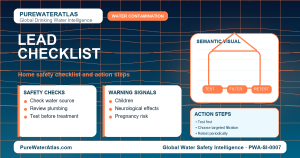
Introduction Concerns about lead exposure from household plumbing remain an … Read more

Water contamination is one of the most important threats to drinking water safety worldwide. Contaminants can enter water supplies through industrial activity, agricultural runoff, natural deposits, failing infrastructure, or inadequate sanitation systems. Understanding how contamination occurs is essential for protecting health and making informed decisions about water quality.
Water contamination happens when harmful substances, microorganisms, or particles are present in water at levels that may affect safety, taste, clarity, or long-term health. These contaminants may be chemical, biological, physical, or radioactive, and many are invisible without proper testing.
Contaminated water can cause short-term illness and long-term health problems depending on the type, concentration, and duration of exposure. Risks may include gastrointestinal disease, toxic exposure, organ stress, or chronic health effects. Safe drinking water depends on both detection and prevention.
Common contamination categories include heavy metals, pesticides, bacteria, viruses, parasites, sediments, microplastics, and radioactive substances. Each type of contaminant behaves differently and may require different treatment, filtration, or monitoring strategies.
Below, you will find detailed articles covering contamination sources, health risks, water testing, regulations, and treatment methods to help you better understand drinking water safety.
Explore related categories: Water Purification, Water Treatment Systems, Drinking Water Safety, Global Water Quality, Water Science, Water Microbiology.
Introduction Concerns about lead exposure from household plumbing remain an … Read more
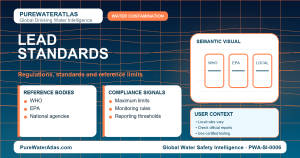
Introduction Lead contamination in drinking water remains one of the … Read more
Introduction Lead contamination in tap water remains a serious public … Read more
Introduction Concerns about drinking water usually focus on germs, lead, … Read more
Introduction Radioactive substances can enter drinking water naturally through geology … Read more
Introduction Questions about radioactive substances in drinking water often create … Read more
Introduction Lead in drinking water is a public health issue … Read more
Introduction Understanding lead in drinking water causes and sources is … Read more
Introduction Concerns about lead in drinking water health effects have … Read more
Introduction Concerns about lead in tap water have grown significantly … Read more