Waterborne Pathogens in Drinking Water: Home Safety Checklist
Introduction Safe drinking water is one of the most important … Read more

Main guide: Complete Water Microbiology Guide
Water microbiology focuses on microorganisms that can affect drinking water quality and public health. Bacteria, viruses, parasites, and other microbes can enter water through sewage contamination, poor sanitation, surface runoff, or failures in treatment and distribution systems.
Water microbiology is the study of microorganisms present in water, their behavior, their sources, and their impact on human health. It is a key part of understanding biological contamination in drinking water systems.
Microbial contamination can cause acute illness, outbreaks, and serious health risks, especially for children, older adults, and people with weakened immune systems. Proper testing and treatment are essential for controlling these hazards.
Common microbiological concerns include E. coli, coliform bacteria, Giardia, Cryptosporidium, viruses, and other pathogens associated with unsafe water sources or treatment failures.
Below, you will find detailed articles covering waterborne pathogens, contamination pathways, microbiological testing methods, and strategies for improving drinking water safety.
Explore related categories: Water Contamination, Water Purification, Water Treatment Systems, Drinking Water Safety, Global Water Quality, Water Science.
Introduction Safe drinking water is one of the most important … Read more
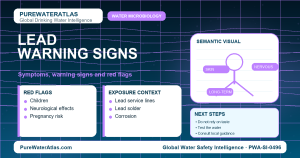
Introduction Safe drinking water is easy to take for granted … Read more
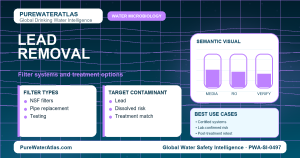
Introduction Safe drinking water is one of the foundations of … Read more
Introduction Concerns about microbes in water are not new, but … Read more