Introduction
Safe drinking water is one of the most important foundations of public health, yet microbial contamination remains a persistent concern in both developed and developing water systems. Understanding waterborne pathogens in drinking water health effects is essential for homeowners, facility managers, healthcare professionals, and public health officials alike. Even when water appears clear, tastes normal, and meets basic aesthetic expectations, it may still contain bacteria, viruses, protozoa, or other microorganisms capable of causing illness.
Waterborne disease has shaped sanitation policy for centuries, and modern treatment systems have dramatically reduced many severe outbreaks. However, risks have not disappeared. Aging infrastructure, treatment failures, source water contamination, private well neglect, extreme weather, biofilm formation, and distribution system breaches can all introduce or allow the survival of infectious organisms. In some cases, exposure causes only mild gastrointestinal discomfort. In others, it can lead to dehydration, organ complications, chronic illness, or severe disease in infants, older adults, and immunocompromised people.
This article explains what waterborne pathogens are, where they come from, how they affect health, how they are detected, and what prevention and treatment measures are most effective. It also examines waterborne pathogens in drinking water symptoms, waterborne pathogens in drinking water long term risks, waterborne pathogens in drinking water vulnerable groups, waterborne pathogens in drinking water exposure levels, and broader waterborne pathogens in drinking water medical concerns. For readers seeking broader background, additional information can be found in water microbiology resources and in this complete guide to waterborne pathogens in drinking water.
What It Is
Waterborne pathogens are disease-causing microorganisms that can be transmitted through contaminated drinking water. They include several major categories:
- Bacteria, such as Escherichia coli, Salmonella, Shigella, Campylobacter, and Legionella
- Viruses, such as norovirus, rotavirus, hepatitis A virus, and enteroviruses
- Protozoa, such as Giardia lamblia and Cryptosporidium parvum
- Other microorganisms, including certain parasites and opportunistic pathogens that may persist in plumbing systems
These organisms differ in size, structure, environmental persistence, and sensitivity to disinfection. Some are rapidly inactivated by chlorine, while others, especially certain protozoan cysts and oocysts, can survive standard treatment if filtration or disinfection barriers fail. Some microbes multiply mainly in human or animal hosts, while others can survive and sometimes grow in environmental reservoirs such as warm water systems, storage tanks, or building plumbing.
Contaminated drinking water becomes a health concern when pathogens are present in sufficient numbers, remain viable, and are ingested, inhaled in aerosolized droplets, or occasionally enter through other exposure routes. In most public health discussions, the primary concern is ingestion. However, exposure during showering, misting, or use of cooling systems can also be important for pathogens like Legionella.
Not every microorganism in water is harmful. Many microbes are naturally present in the environment and play beneficial ecological roles. The danger comes from pathogenic species or strains with the ability to infect humans and cause disease. Indicator organisms, such as total coliforms or E. coli, are often used in testing not because all coliforms are highly dangerous themselves, but because their presence may signal fecal contamination or treatment failure.
Pathogen-related illness depends on multiple factors:
- The type of organism present
- The number of organisms ingested, or infectious dose
- The duration and frequency of exposure
- The age and health status of the exposed person
- The effectiveness of treatment barriers and plumbing hygiene
In practical terms, this means two people exposed to the same water may experience very different outcomes. One may have no symptoms, while another develops severe diarrhea, fever, or life-threatening complications.
Main Causes or Sources
The presence of pathogens in drinking water usually reflects contamination somewhere between the source and the point of use. Common causes and sources include:
Fecal Contamination of Source Water
Human sewage and animal waste are among the most significant sources of waterborne pathogens. Heavy rainfall, agricultural runoff, failing septic systems, leaking sewer lines, and wastewater overflows can introduce fecal matter into rivers, lakes, reservoirs, and groundwater. Because many dangerous bacteria, viruses, and protozoa originate in the intestinal tracts of humans and animals, fecal contamination is a major warning sign.
Treatment Failures
Municipal water treatment systems rely on multiple barriers such as coagulation, sedimentation, filtration, and disinfection. If one or more steps are poorly operated, overwhelmed, or bypassed, microorganisms may survive. Filtration failures are especially concerning for hardy protozoa, while disinfection failures can allow bacteria and viruses to persist. Operational disruptions, power outages, chemical dosing problems, and inadequate maintenance can all increase risk.
Distribution System Problems
Even if water leaves the treatment plant in excellent condition, contamination can still occur during distribution. Leaks, pressure losses, water main breaks, cross-connections, dead-end lines, and deteriorating pipes may allow contaminated water or soil to enter the system. Biofilms inside pipes can also harbor microorganisms and protect them from disinfectants.
Private Wells and Small Systems
Private wells are especially vulnerable because they are not always subject to the same routine oversight as public systems. Shallow wells, damaged well caps, flooding, nearby septic systems, and poor construction can allow pathogens to enter groundwater supplies. Small water systems may also struggle with limited technical capacity, monitoring, or treatment consistency.
Premise Plumbing and Building Water Systems
Inside buildings, plumbing systems can become their own microbial environments. Stagnation, warm temperatures, low disinfectant residuals, scale, and biofilm growth can support opportunistic pathogens such as Legionella and non-tuberculous mycobacteria. Hospitals, hotels, long-term care facilities, and large residential complexes may face elevated concerns if water systems are poorly managed.
Natural Disasters and Extreme Weather
Floods, hurricanes, wildfires, and severe storms can disrupt treatment operations, damage infrastructure, and introduce sediment, sewage, and debris into water supplies. Climate-related changes can also worsen runoff, promote harmful microbial growth conditions, and stress aging water systems.
Readers interested in a deeper review of contamination pathways can explore this discussion of waterborne pathogens in drinking water causes and sources and related material in the water contamination category.
Health and Safety Implications
The health impact of contaminated drinking water ranges from mild and self-limited illness to severe infection requiring hospitalization. The exact outcome depends on the organism, dose, route of exposure, and host factors. Understanding waterborne pathogens in drinking water health effects requires looking at both immediate symptoms and broader medical concerns.
Short-Term Symptoms
Many waterborne infections affect the gastrointestinal tract. Typical waterborne pathogens in drinking water symptoms include:
- Diarrhea
- Nausea and vomiting
- Abdominal cramps
- Fever
- Loss of appetite
- Fatigue and weakness
- Dehydration
These symptoms may appear within hours or take several days to develop, depending on the pathogen. Viral agents such as norovirus may cause abrupt onset vomiting and diarrhea, while protozoal infections like giardiasis may develop more gradually and persist for weeks. Some bacterial infections also produce bloody diarrhea, high fever, or severe cramping.
Systemic and Severe Illness
Not all infections remain confined to the digestive tract. Certain pathogens can affect the liver, kidneys, lungs, nervous system, or bloodstream. For example:
- Hepatitis A virus can cause liver inflammation, jaundice, fatigue, and prolonged recovery.
- Legionella can cause severe pneumonia when inhaled in contaminated aerosols.
- Shiga toxin-producing E. coli can lead to hemolytic uremic syndrome, especially in children.
- Cryptosporidium can cause prolonged, debilitating diarrhea and dangerous dehydration, particularly in immunocompromised individuals.
Dehydration and Secondary Complications
One of the most immediate medical concerns in waterborne illness is dehydration. Repeated vomiting and diarrhea can rapidly cause fluid loss, electrolyte imbalance, dizziness, low blood pressure, and kidney stress. Young children and older adults may deteriorate quickly. In severe cases, hospitalization may be needed for intravenous fluids and monitoring.
Long-Term Risks
While many cases resolve without lasting harm, waterborne pathogens in drinking water long term risks should not be underestimated. Some infections are associated with prolonged or delayed consequences, such as:
- Post-infectious irritable bowel symptoms
- Reactive arthritis following certain bacterial infections
- Malabsorption and weight loss after persistent protozoal infection
- Chronic fatigue after severe gastrointestinal illness
- Kidney damage after toxin-mediated complications
- Long recovery periods in people with underlying disease
Long-term outcomes are not equally likely for all pathogens, but they are medically important because even a short period of contaminated water exposure can have consequences that continue long after the source has been corrected.
Exposure Levels and Infectious Dose
Waterborne pathogens in drinking water exposure levels strongly influence risk, but the relationship is not always simple. Some organisms have a very low infectious dose, meaning that ingestion of a small number of viable pathogens can cause illness. Others may require higher concentrations or repeated exposure. Risk also depends on whether the pathogen is protected within particles, biofilm fragments, or resistant life stages such as cysts or oocysts.
Exposure assessment in real-world water systems is challenging because contamination may be intermittent. A water sample taken after a contamination event may not capture the full magnitude of past exposure. This is one reason public health guidance often emphasizes precaution when indicators suggest system failure.
Vulnerable Groups
Waterborne pathogens in drinking water vulnerable groups include people who are more likely to become infected or more likely to experience severe disease. These groups include:
- Infants and young children
- Pregnant women
- Older adults
- People with weakened immune systems
- Organ transplant recipients
- People receiving chemotherapy
- Individuals with HIV/AIDS or other immune disorders
- Residents of hospitals or long-term care facilities
For these populations, even modest contamination can become a serious health event. Their greater vulnerability shapes clinical advice, boil-water recommendations, and building water management practices.
Broader Medical Concerns
Waterborne pathogens in drinking water medical concerns extend beyond individual symptoms. Outbreaks can strain healthcare systems, trigger school and workplace absences, and create serious public anxiety. Delayed diagnosis may occur because gastrointestinal symptoms can resemble foodborne illness, viral infections, or medication side effects. In healthcare settings, contaminated water can complicate infection control and pose risks to highly susceptible patients.
Testing and Detection
Detecting microbial contamination in drinking water requires a combination of routine monitoring, targeted testing, and interpretation by trained professionals. No single test can identify all pathogens under all conditions, so water quality programs use a layered approach.
Indicator Organisms
Routine compliance monitoring often relies on indicator organisms, especially total coliforms and E. coli. Their detection suggests fecal contamination, intrusion, or treatment problems. While indicator testing does not identify every specific pathogen, it is a practical and widely used early warning tool.
Culture-Based Methods
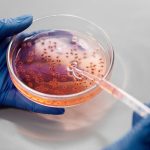
Traditional microbiological methods involve growing organisms on selective media. These methods can be highly useful for certain bacteria, but they may miss organisms that are difficult to culture or require specialized conditions. Culture methods also take time, which can delay response during a suspected contamination event.
Molecular Methods
Polymerase chain reaction, quantitative PCR, and related molecular tools can detect genetic material from specific pathogens more rapidly and with high sensitivity. These methods are especially valuable for viruses and protozoa that are hard to culture. However, they may detect nonviable organisms as well, so interpretation must consider whether the microorganisms are likely to be infectious.
Protozoa Testing
Testing for Giardia and Cryptosporidium often requires concentration of large water volumes followed by immunological or microscopic analysis. These tests are technically demanding and usually performed in specialized laboratories.
Sampling Challenges
Sampling strategy is critical. Microbial contamination may be sporadic, localized, or associated with specific operational events. A single negative sample does not always rule out intermittent risk. Testing may need to include:
- Source water
- Treated water leaving the plant
- Distribution system sites
- Storage facilities
- Premise plumbing points within buildings
Operational Monitoring
In addition to direct microbial testing, utilities monitor treatment performance indicators such as turbidity, disinfectant residual, filter integrity, pressure maintenance, and system upsets. These operational signals can reveal conditions under which pathogen breakthrough becomes more likely.
For a more detailed review of methods, see waterborne pathogens in drinking water testing and detection methods.
Prevention and Treatment
Preventing pathogen exposure is far more effective than treating widespread illness after contamination occurs. Protection depends on a multiple-barrier strategy from source water protection to final use.
Source Water Protection
Reducing contamination at the source is the first line of defense. Effective measures include watershed protection, proper sewage management, agricultural runoff control, septic system maintenance, and land-use planning that minimizes microbial pollution near water intakes and wells.
Water Treatment Barriers
Municipal treatment systems reduce pathogen risk through a sequence of control steps:
- Coagulation and flocculation to capture suspended material
- Sedimentation to remove particles
- Filtration to remove fine particulates and protozoa
- Disinfection using chlorine, chloramine, ozone, or ultraviolet treatment
No single barrier is perfect. The combination is what provides strong protection.
Distribution System Maintenance
Maintaining positive pressure, repairing leaks promptly, preventing cross-connections, flushing stagnant areas, and preserving disinfectant residuals are essential for limiting contamination after treatment. Asset management and pipe replacement are increasingly important as infrastructure ages.
Private Well Protection
Private well owners should test regularly, inspect the wellhead, maintain proper drainage, keep contamination sources away from the well, and disinfect after repairs or flooding. Wells should be professionally evaluated if there are recurring positive bacterial tests or unexplained gastrointestinal illness in the household.
Point-of-Use and Household Measures
When microbial contamination is suspected or confirmed, households may be advised to boil water before drinking, cooking, brushing teeth, or preparing infant formula. Certified point-of-use devices, such as certain filters, ultraviolet units, or reverse osmosis systems, can also reduce some microbial risks when correctly selected and maintained. More information on treatment technologies is available in the water purification category.
Boil Water Advisories
Boiling water is a widely recommended emergency measure because it can inactivate many pathogens. People must follow local health authority instructions carefully, including how long to boil and which household uses require boiled or alternative water. Ice, beverages made with tap water, and infant feeding practices may also need special attention.
Medical Treatment for Illness
Treatment depends on the organism and the severity of symptoms. Common management approaches include:
- Oral rehydration and fluid replacement
- Electrolyte support
- Rest and symptom monitoring
- Antiparasitic medications for specific protozoal infections
- Selected antibiotic therapy for certain bacterial infections when clinically appropriate
- Hospital care for severe dehydration, systemic illness, or complications
Antibiotics are not appropriate for every waterborne infection and can sometimes worsen outcomes in particular toxin-mediated illnesses. Medical evaluation is especially important when there is high fever, blood in stool, persistent vomiting, signs of dehydration, jaundice, breathing difficulty, or symptoms in high-risk individuals.
Building Water Management
Large buildings should use structured water management plans to reduce opportunistic pathogens, especially Legionella. This may involve temperature control, prevention of stagnation, routine monitoring, cleaning of storage systems, and maintenance of cooling towers and hot water systems.
Common Misconceptions
Misunderstandings about water safety can delay protective action. Several common misconceptions deserve clarification.
“Clear Water Is Safe Water”
Many dangerous pathogens are invisible to the naked eye. Water can look clean and still be microbiologically unsafe.
“Chlorine Eliminates Every Microbe Instantly”
Disinfection is highly effective when correctly applied, but some organisms are more resistant than others, and poor dosing, high turbidity, or contact-time failures can reduce protection.
“Only Developing Regions Face Waterborne Pathogen Risks”
Modern treatment has greatly improved safety in many countries, but outbreaks still occur in advanced water systems due to infrastructure failure, operational mistakes, natural disasters, or premise plumbing problems.
“A Single Negative Test Means the Problem Is Gone”
Microbial contamination can be intermittent. Follow-up testing, operational review, and corrective action are often necessary before declaring a system safe.
“Private Well Water Is Naturally Pure”
Groundwater can be well protected, but private wells are not immune to contamination. Nearby septic systems, surface intrusion, flooding, and improper construction can all introduce pathogens.
“Only Diarrhea Matters”
While gastrointestinal symptoms are common, waterborne pathogens can also cause liver disease, respiratory infection, kidney complications, and significant long-term health effects in susceptible people.
Regulations and Standards
Drinking water regulations are designed to reduce the risk of microbial contamination through treatment requirements, monitoring, corrective actions, and public notification. Regulatory frameworks vary by country, but they generally share common principles.
Microbial Standards
Most drinking water regulations establish limits or treatment goals for microbial indicators such as total coliforms and E. coli. They may also require specific treatment performance for viruses, bacteria, and protozoa, rather than direct routine monitoring for every pathogen.
Treatment Technique Requirements
Because direct pathogen testing is difficult and expensive, many rules focus on required treatment performance. These can include filtration standards, disinfection benchmarks, turbidity limits, and operational control requirements that together reduce pathogen risk.
Monitoring and Reporting
Public water systems are typically required to sample regularly, maintain records, investigate positive findings, and notify the public when standards are not met. Boil-water notices and consumer confidence reporting are important parts of risk communication.
Groundwater and Surface Water Oversight
Groundwater systems may have sanitary survey requirements, source assessments, and corrective action obligations if fecal indicators are detected. Surface water systems often face more extensive treatment requirements because surface waters are generally more vulnerable to direct contamination.
Building-Level Standards and Guidance
In addition to utility regulations, health agencies and professional organizations may publish guidance for healthcare facilities, hotels, schools, and other large buildings on managing opportunistic waterborne pathogens.
Regulations significantly reduce overall risk, but compliance does not eliminate every possibility of contamination. Ongoing maintenance, proper system operation, strong surveillance, and informed public response remain essential.
Conclusion
Water safety depends not only on chemical quality and appearance, but also on strong control of microbial hazards. The topic of waterborne pathogens in drinking water health effects encompasses a wide range of outcomes, from short-lived stomach upset to severe disease, dehydration, and lasting complications. Understanding the major sources of contamination, the meaning of exposure levels, the importance of routine testing, and the needs of vulnerable populations is critical for preventing illness.
The most effective protection comes from a multiple-barrier approach: safeguarding source water, maintaining treatment performance, preserving distribution integrity, managing building plumbing, and responding quickly to contamination signals. Medical attention should be sought when symptoms are severe, persistent, or affect high-risk individuals. Public education also matters, because misconceptions about clear water, chlorine, and private wells can lead to false reassurance.
As water systems face pressures from aging infrastructure, environmental change, and complex building plumbing conditions, awareness and vigilance remain essential. Continued attention to microbiological safety helps communities protect health, reduce outbreaks, and ensure that drinking water remains a reliable public health resource.
Read the full guide: Water Microbiology Guide
Explore more in this category: Water Microbiology Articles