Introduction
Safe drinking water is easy to take for granted until something seems off. A change in taste, a strange smell, recurring stomach illness, or a notice from a local utility can quickly raise concern about microbiological contamination. Understanding waterborne pathogens in drinking water warning signs is an important part of protecting household health, especially for infants, older adults, pregnant people, and anyone with a weakened immune system.
Waterborne pathogens are disease-causing microorganisms that can enter drinking water through sewage contamination, failing infrastructure, environmental runoff, biofilm growth, or inadequate treatment. They include bacteria, viruses, and parasites capable of causing illnesses that range from mild gastrointestinal discomfort to severe infections. While many people assume contaminated water will always look dirty or smell bad, pathogens often cannot be seen, tasted, or smelled at all. That is why knowing the full range of warning signs matters.
This article explains what these organisms are, where they come from, how they affect health, and how to identify possible red flags before a serious exposure occurs. It also covers waterborne pathogens in drinking water taste and odor concerns, waterborne pathogens in drinking water visible signs, waterborne pathogens in drinking water health symptoms, and waterborne pathogens in drinking water when to test situations. If you want broader background information, resources such as /category/water-microbiology/, /category/water-science/, and /category/water-contamination/ can provide additional context.
Because microorganisms behave differently from chemical contaminants, a careful approach is needed. A metallic taste may suggest plumbing corrosion rather than pathogens, while clear water can still contain harmful microbes. Learning the difference between direct warning signs, supporting clues, and confirmed evidence helps households make better decisions about testing, treatment, and medical follow-up.
What It Is
Waterborne pathogens are microorganisms present in water that can cause disease when consumed, inhaled in aerosols, or, in some cases, contacted through skin or mucous membranes. In drinking water discussions, the main groups of concern are bacteria, viruses, and protozoan parasites.
Major categories of pathogens
- Bacteria: Examples include Escherichia coli, Salmonella, Campylobacter, Shigella, and Legionella. Some are indicators of fecal contamination, while others can multiply in plumbing under favorable conditions.
- Viruses: Enteric viruses such as norovirus, rotavirus, hepatitis A, and enteroviruses can spread through contaminated water. They are often difficult to detect directly and may be present even when water appears normal.
- Protozoa: Organisms such as Giardia and Cryptosporidium are particularly important because some are resistant to common disinfection methods and can survive in the environment for extended periods.
Not every microorganism in water is harmful. Many microbes are naturally present in environmental water and never cause disease. The concern is with pathogens or indicator organisms that suggest sewage intrusion, poor source-water protection, treatment failure, or microbial regrowth within the distribution system or household plumbing.
In practical terms, discussions about waterborne pathogens in drinking water risk indicators often focus on both the microbes themselves and the conditions that allow them to enter or survive in water. These indicators may include coliform bacteria test results, low disinfectant residuals, pipe breaks, flooding, well damage, or unexplained illness among multiple people using the same water source.
It is also helpful to distinguish between contamination at the utility level and contamination inside a home or building. A municipal supply may leave the treatment plant meeting standards, yet pathogens or opportunistic microorganisms may still emerge later because of cross-connections, stagnant plumbing, warm water storage, or deteriorating pipes. For a broader overview, readers often benefit from materials like /waterborne-pathogens-in-drinking-water-complete-guide/.
Main Causes or Sources
Microbial contamination can arise from many points between the water source and the kitchen tap. Understanding these sources helps explain why some warning signs are obvious while others are subtle.
Fecal contamination
One of the most significant sources of pathogenic microorganisms is fecal matter from humans or animals. Sewage overflows, failing septic systems, agricultural runoff, livestock access to watersheds, and stormwater pollution can introduce bacteria, viruses, and parasites into source water. Wells are especially vulnerable if they are shallow, poorly sealed, or located near septic fields, manure storage areas, or flood-prone ground.
Treatment failures
Municipal systems rely on filtration, disinfection, and continuous monitoring. When treatment is interrupted or less effective than intended, pathogens may pass into finished water. Causes include equipment malfunction, inadequate chlorine contact time, filter breakthrough, operator errors, and sudden source-water changes during storms or algal events.
Distribution system problems
Even after treatment, water can become contaminated in the distribution network. Water main breaks, low-pressure events, pipeline repairs, and cross-connections with non-potable systems can allow microbes to enter. Biofilms that form on pipe surfaces may also shelter bacteria and protect them from disinfectants.
Private well vulnerabilities
Private wells are not regulated in the same way as public systems, so owners are responsible for maintenance and testing. Common vulnerabilities include:
- Damaged well caps or casing cracks
- Surface water pooling around the wellhead
- Nearby septic system failure
- Flooding after heavy rain or snowmelt
- Improper construction or abandoned wells nearby
Building plumbing and premise systems
Inside homes, schools, hospitals, and commercial buildings, plumbing conditions can support microbial growth. Stagnation, warm temperatures, low disinfectant levels, dead-end piping, and sediment in tanks or water heaters can promote opportunistic pathogens such as Legionella and non-tuberculous mycobacteria. These are often different from classic fecal pathogens but still pose serious health risks under certain conditions.
Environmental events
Extreme weather can sharply increase contamination risk. Floods can overwhelm wastewater systems and submerge wellheads. Drought can change source-water quality and concentrate pollutants. Wildfires can damage watersheds and infrastructure. Heavy rainfall can wash pathogens into rivers, lakes, and shallow aquifers. These are major waterborne pathogens in drinking water risk indicators because they often precede contamination events.
More source-specific background can be found in /waterborne-pathogens-in-drinking-water-causes-and-sources/.
Health and Safety Implications
The health impacts of pathogen exposure vary depending on the organism, the amount ingested, the route of exposure, and the individual’s vulnerability. Some people experience only temporary digestive upset, while others may develop dehydration, systemic infection, liver inflammation, or life-threatening complications.
Common health symptoms
Among the most recognized waterborne pathogens in drinking water health symptoms are gastrointestinal problems. These may include:
- Diarrhea
- Nausea
- Vomiting
- Stomach cramps
- Loss of appetite
- Fever
In some cases, symptoms may begin within hours. In others, they appear days later, making the connection to water less obvious. Viruses and protozoa can cause prolonged illness, and some bacterial infections lead to more serious complications such as bloody diarrhea, kidney problems, or reactive arthritis.
Symptoms beyond digestive illness
Not all water-related infections are limited to the digestive tract. Depending on the pathogen, additional symptoms may include:
- Fatigue and weakness
- Headache
- Jaundice in hepatitis A infection
- Respiratory symptoms from inhaling contaminated aerosols, especially with Legionella
- Skin or eye irritation in some exposure settings
If several household members develop similar symptoms after drinking or using the same water, that pattern can be an important warning sign. This does not prove contamination, but it is a strong reason to consider testing and medical advice.
High-risk groups
Certain populations are more vulnerable to severe outcomes from microbial contamination:
- Infants and young children
- Older adults
- Pregnant people
- People receiving chemotherapy
- Transplant recipients
- Individuals with HIV/AIDS or other immune suppression
- People with chronic liver, kidney, or gastrointestinal disease
For these groups, even low-level contamination can be more dangerous. Boil-water notices and positive bacterial tests should always be taken seriously.
Warning signs in the water itself
Consumers often look first for sensory clues. However, caution is needed when interpreting them.
Waterborne pathogens in drinking water taste and odor concerns can include musty, earthy, sewage-like, sulfur-like, or otherwise unusual smells and flavors. These may indicate organic contamination, stagnant conditions, or treatment problems, but they do not specifically confirm pathogens. Likewise, some pathogen-contaminated water has no unusual taste or odor at all.
Waterborne pathogens in drinking water visible signs may include cloudiness, sediment, slimy buildup, discoloration after plumbing disruptions, or debris entering the supply after flooding. Again, these are red flags rather than proof. Clear water may still carry viruses, bacteria, or parasites, while cloudy water may reflect minerals or harmless suspended particles.
For a deeper review of risks and outcomes, see /waterborne-pathogens-in-drinking-water-health-effects-and-risks/.
Testing and Detection
Because pathogens are often invisible and nonspecific symptoms can have many causes, testing is essential when contamination is suspected. The key question is not just whether water seems unusual, but waterborne pathogens in drinking water when to test and what tests to request.
When to test
Testing is strongly advisable under the following conditions:
- After flooding, heavy rain, or storm runoff affecting a private well
- After a boil-water notice or pressure loss event
- When a well cap, casing, or seal is damaged
- When sewage odors or septic problems occur nearby
- When multiple users experience similar gastrointestinal illness
- After plumbing repairs, cross-connection incidents, or long periods of stagnation
- If water develops unexplained taste, odor, or turbidity changes
- As part of routine annual private well monitoring
These situations are among the most practical waterborne pathogens in drinking water risk indicators. Waiting for clear illness or obvious discoloration can delay action.
Indicator organism testing
Most routine microbiological water testing does not begin by checking for every possible pathogen. Instead, laboratories often test for indicator organisms such as total coliforms and E. coli. These indicators help show whether the water system is vulnerable to contamination, especially fecal contamination.
- Total coliforms: Their presence suggests a pathway for contamination or poor sanitary integrity.
- E. coli: This is a stronger sign of fecal contamination and should be treated as an urgent concern.
A positive result does not always identify the exact pathogen present, but it indicates that the water may be unsafe and that follow-up action is needed.
Pathogen-specific tests
When circumstances warrant, more specialized testing may look for:
- Giardia and Cryptosporidium
- Enteric viruses
- Legionella in building water systems
- Heterotrophic plate counts or other operational indicators
These tests are usually more expensive, may require special sample handling, and are often guided by public health officials, water utilities, or environmental laboratories.
Interpreting taste, odor, and appearance
Consumers frequently ask whether bad taste or smell alone means pathogens are present. The answer is no. Waterborne pathogens in drinking water taste and odor changes may accompany contamination, but they can also result from harmless geosmin, sulfur compounds, minerals, iron bacteria, or chlorine fluctuations. Similarly, waterborne pathogens in drinking water visible signs such as cloudiness or sediment may indicate disturbance in the system rather than disease-causing microbes.
Still, sensory changes should not be ignored. While they are not diagnostic, they are useful triggers for further evaluation, especially when combined with recent flooding, boil-water notices, illness, or well damage.
Sampling best practices
To improve test accuracy:
- Use a certified laboratory and follow its sampling instructions exactly.
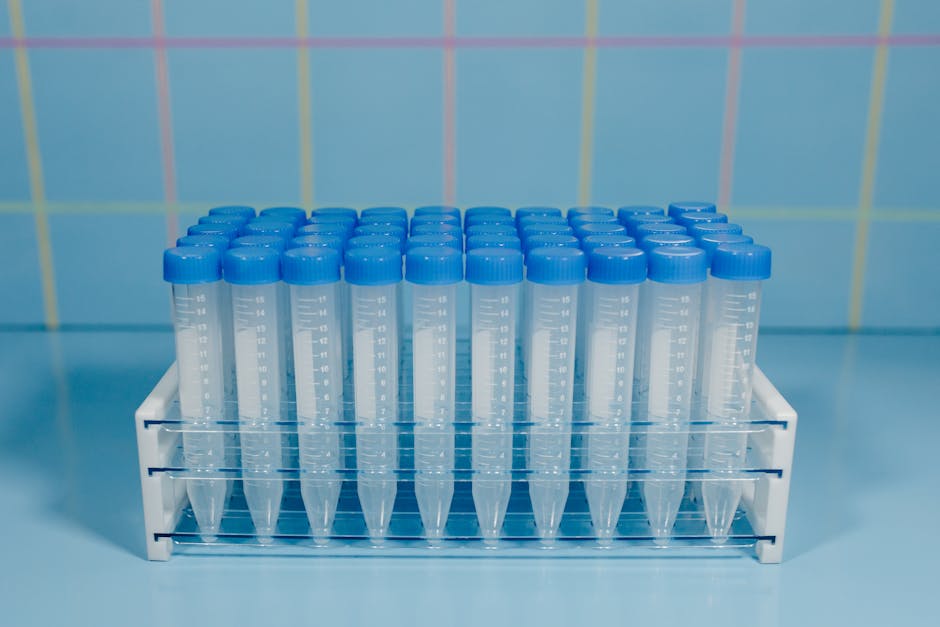
- Collect samples in sterile containers provided by the lab.
- Avoid touching the inside of the lid or bottle.
- Sample from the location recommended by the lab, often a cold-water tap.
- Deliver the sample promptly within the required holding time.
Improper collection can lead to false results and confusion. If contamination is suspected in a building plumbing system rather than at the source, sample location becomes even more important.
Prevention and Treatment
Preventing microbial contamination is more effective than reacting after illness occurs. Good source protection, proper infrastructure maintenance, appropriate disinfection, and regular testing all reduce risk.
For municipal water users
- Pay attention to consumer confidence reports and local water advisories.
- Take boil-water notices seriously and follow instructions for drinking, cooking, brushing teeth, and infant formula preparation.
- Flush taps as recommended after service interruptions or prolonged absence.
- Maintain household plumbing, especially if there are dead-end sections or older fixtures.
For private well owners
- Test at least annually for total coliforms and E. coli, and more often after high-risk events.
- Inspect the wellhead, cap, and casing regularly.
- Keep surface runoff, animal waste, fertilizers, and chemicals away from the well area.
- Ensure proper separation distances from septic systems and livestock areas.
- Disinfect and retest the well after repairs, flooding, or contamination events.
Point-of-use and whole-house treatment
Treatment options depend on the contamination type and setting. Common microbiological control methods include:
- Boiling: Highly effective in emergencies for most pathogens when done correctly.
- Ultraviolet disinfection: Effective against many microorganisms when water is clear and equipment is maintained.
- Reverse osmosis: Can reduce some microbial risks when part of a properly designed system.
- Absolute-rated filtration: Some filters are designed to remove cysts such as Giardia and Cryptosporidium.
- Chlorination or continuous disinfection: Often used for private wells with ongoing bacterial problems.
No treatment device should be selected based solely on marketing claims. It must match the actual water problem, be certified where applicable, and be maintained according to manufacturer instructions. A poorly maintained filter can become a contamination source itself.
Emergency response steps
If microbial contamination is suspected:
- Stop drinking the water until guidance is available.
- Use bottled water or boil water for drinking and food preparation if appropriate.
- Contact the water utility, local health department, or a certified lab.
- Arrange testing as soon as possible.
- Seek medical advice if significant symptoms are present, especially for high-risk individuals.
These steps are particularly important when there are combined red flags such as recent flooding, a sewage smell, positive coliform results, or a cluster of illness in the home.
Common Misconceptions
Misinformation about microbial water safety is common. Several misconceptions can lead households to underestimate risk or take ineffective action.
“If water looks clear, it must be safe.”
This is one of the most dangerous myths. Many pathogens are microscopic and produce no change in appearance. Clear water can still contain harmful bacteria, viruses, or parasites.
“Bad taste or odor always means pathogens.”
Not necessarily. Waterborne pathogens in drinking water taste and odor issues may coincide with contamination, but they can also result from minerals, sulfur compounds, algal byproducts, disinfectants, or plumbing materials. Sensory changes are warning clues, not proof.
“Chlorine smell means the water is contaminated.”
A chlorine odor often means disinfectant is present, not that the water is unsafe. In some cases, a strong smell reflects changes in treatment or reactions with organic matter, but it does not by itself confirm pathogens.
“One negative test means there is never a problem.”
Water quality can change over time. A single clean result does not protect against future flooding, infrastructure failure, seasonal runoff, or household plumbing changes. Ongoing monitoring is especially important for private wells.
“All bacteria in water are harmful.”
Many bacteria are harmless environmental organisms. The issue is whether pathogens or indicator organisms show that unsafe contamination pathways exist. Interpretation matters.
“Home remedies can reliably make any water safe.”
Not all improvised methods are effective. Letting water sit, adding flavorings, or using ordinary pitcher filters may not remove pathogens. Proper boiling, certified treatment devices, and verified disinfection methods are more dependable.
Regulations and Standards
Drinking water safety in many regions is governed by public health regulations designed to reduce microbial risk. Public water systems are typically required to monitor microbial indicators, maintain treatment performance, and notify consumers when standards are not met. Private wells, however, are often outside routine regulatory oversight, making owner vigilance essential.
Public water system oversight
Regulated water suppliers usually must:
- Monitor for coliform bacteria and other compliance indicators
- Maintain disinfectant residuals where required
- Meet treatment technique standards for pathogens such as Giardia, viruses, and Cryptosporidium
- Issue public notices or boil-water advisories during certain contamination events
- Document and correct treatment or distribution failures
Specific requirements vary by jurisdiction, but the overall goal is consistent: reduce the chance that disease-causing microorganisms reach consumers.
Indicator standards versus zero risk
It is important to understand that compliance does not mean zero microorganisms at all times. Instead, regulations establish monitoring frameworks, treatment barriers, and action thresholds intended to keep risk acceptably low. That is why operational lapses, weather events, and plumbing conditions still matter even in regulated systems.
Private well responsibility
For households on private wells, regulations often place most responsibility on the owner. That means understanding waterborne pathogens in drinking water when to test is crucial. Annual microbiological testing, post-flood testing, and testing after repairs are widely recommended even when no sensory problems are present.
Boil-water advisories and public notices
When utilities issue an advisory, it is because contamination is known or reasonably possible. Notices may result from:
- Positive microbial test results
- Loss of distribution pressure
- Treatment failure
- Main breaks or major repairs
- Natural disasters affecting source water or infrastructure
Ignoring these notices can expose consumers to preventable illness. The absence of visible dirt does not negate the advisory.
Conclusion
Recognizing waterborne pathogens in drinking water warning signs requires more than watching for murky water. True risk assessment involves combining sensory clues, environmental events, infrastructure conditions, health patterns, and laboratory evidence. Unusual taste or odor, cloudiness, slimy growth, flood exposure, well damage, septic problems, and clusters of stomach illness are all meaningful red flags, even though none alone can confirm contamination.
The most important takeaway is that pathogens are often invisible. Waterborne pathogens in drinking water visible signs may be absent, and waterborne pathogens in drinking water taste and odor changes may be misleading. That is why testing remains the best way to verify concerns. Knowing waterborne pathogens in drinking water when to test after storms, pressure losses, plumbing repairs, or illness can prevent prolonged exposure.
Households using private wells should be especially proactive, while municipal water users should stay informed about advisories and system issues. When symptoms suggest possible waterborne illness, especially among vulnerable individuals, medical attention and water testing should happen promptly.
In the end, safe drinking water depends on awareness, prevention, and timely action. Understanding waterborne pathogens in drinking water health symptoms and broader waterborne pathogens in drinking water risk indicators gives consumers a practical framework for protecting themselves and their communities.



Read the full guide: Water Microbiology Guide
Explore more in this category: Water Microbiology Articles