Introduction
Safe drinking water is one of the foundations of public health, yet microbial contamination remains a persistent concern in households, private wells, municipal systems, emergency settings, and rural communities around the world. Among the most important microbiological hazards are bacteria, viruses, and protozoa that can enter water supplies through human or animal waste, environmental runoff, failing infrastructure, or inadequate treatment. Understanding waterborne pathogens in drinking water testing is essential for identifying contamination early, reducing disease risk, and guiding corrective action.
Testing for microbial contaminants is more complex than many people assume. Unlike a simple chemical parameter such as hardness or pH, pathogens may be present in low numbers, unevenly distributed, difficult to culture, or indirect to measure. For that reason, water professionals often rely on a combination of screening indicators, targeted laboratory methods, field sampling protocols, and system-wide monitoring. Home users may also use basic kits, but these should be viewed as preliminary tools rather than a complete diagnostic approach.
This article explains what waterborne pathogens are, where they come from, why they matter, and how they are tested and detected. It also covers waterborne pathogens in drinking water home testing, waterborne pathogens in drinking water lab analysis, waterborne pathogens in drinking water sampling methods, waterborne pathogens in drinking water accuracy, and how to interpret waterborne pathogens in drinking water test results. For broader background, readers may also explore this complete guide and additional resources in water microbiology.
What It Is
Waterborne pathogens are disease-causing microorganisms that can be transmitted through contaminated drinking water. They include:
- Bacteria, such as Escherichia coli, Salmonella, Shigella, Campylobacter, and Legionella
- Viruses, such as norovirus, rotavirus, enteroviruses, hepatitis A virus, and adenoviruses
- Protozoa, such as Giardia lamblia and Cryptosporidium parvum
- Other microorganisms, including some opportunistic pathogens that thrive in plumbing systems under certain conditions
Not every microorganism in water is harmful. Natural water contains many harmless or beneficial microbes. The concern arises when pathogenic organisms are present at levels capable of causing illness, especially when water is consumed without sufficient treatment. In many cases, laboratories test for indicator organisms rather than directly testing for every pathogen. Coliform bacteria, fecal coliforms, and E. coli are commonly used indicators because their presence suggests fecal contamination and a greater likelihood that dangerous pathogens may also be present.
This distinction is important. A water sample can test positive for indicator bacteria without confirming a specific disease-causing organism, yet the result still signals a meaningful sanitary problem. Conversely, a sample can sometimes test negative even when contamination exists elsewhere in the system, particularly if sampling was limited or poorly timed. That is why a strong testing strategy combines proper collection methods with an understanding of source risks and system history.
Those seeking more detail on organism types, transmission pathways, and environmental behavior can review related information in water microbiology resources and the broader overview at this guide.
Main Causes or Sources
Microbial contamination of drinking water usually originates from fecal matter, environmental intrusion, or growth within the distribution or plumbing system. The most common sources include:
- Sewage contamination from leaks, overflows, or treatment failures
- Septic system problems, especially in rural areas and private well settings
- Agricultural runoff carrying manure, animal waste, and soil-borne microorganisms
- Stormwater and flood events that wash contaminants into surface water or shallow groundwater
- Well construction defects, such as cracked casings, poor sealing, or improper siting
- Cross-connections and backflow in plumbing systems
- Biofilm formation inside pipes, storage tanks, and fixtures
- Insufficient disinfection or treatment plant malfunction
Private wells are especially vulnerable because they are not continuously monitored in the same way as municipal systems. If a well is shallow, poorly protected, or located near septic fields, animal enclosures, or flood-prone areas, contamination risk increases significantly. Seasonal changes can also affect pathogen levels. Heavy rainfall may transport fecal material into source water, while drought can alter water chemistry and reduce dilution.
Municipal systems face different challenges. Even when source water is treated properly, contamination can occur through aging infrastructure, water main breaks, pressure loss, storage tank issues, or deterioration of residual disinfectant levels. Opportunistic pathogens such as Legionella are often linked more to building plumbing conditions than to source water itself.
Understanding these origin points helps explain why waterborne pathogens in drinking water sampling methods must be carefully designed. A sample taken from a kitchen tap may reflect local plumbing conditions, while a sample from a wellhead or treatment plant can reveal a different part of the contamination pathway. For a focused exploration of contamination pathways, see causes and sources of waterborne pathogens.
Health and Safety Implications
The health effects of microbial contamination range from mild gastrointestinal upset to severe dehydration, long-term complications, and life-threatening illness. Symptoms often include diarrhea, vomiting, abdominal cramps, fever, nausea, and fatigue. In some cases, infection may also affect the liver, kidneys, nervous system, or respiratory system, depending on the organism involved.
Risk depends on several factors:
- The type of pathogen present
- The concentration of the organism
- The amount of contaminated water consumed
- The age and health of the exposed person
- Whether the water was used for drinking, cooking, brushing teeth, or aerosol-producing activities
Some people are much more vulnerable than others. Infants, older adults, pregnant individuals, transplant recipients, chemotherapy patients, and people with weakened immune systems may develop severe disease from exposures that cause only minor symptoms in healthy adults. Protozoa such as Cryptosporidium can be particularly concerning because they are resistant to some common disinfectants and may cause prolonged illness.
Pathogens in water can also create indirect health risks. If contamination is not recognized quickly, households may continue using affected water for ice, infant formula, produce washing, and food preparation. In large systems, outbreaks can spread rapidly before laboratory confirmation is complete. This is why preventive monitoring and timely communication are central to water safety management.
Another important issue is that contaminated water does not always look, smell, or taste unusual. Clear water can still carry dangerous microorganisms. Relying only on appearance is therefore unsafe. If contamination is suspected after flooding, plumbing work, a boil water advisory, a positive coliform result, or unexplained gastrointestinal illness, professional assessment is warranted.
Further reading on disease outcomes and vulnerable populations is available at health effects and risks of waterborne pathogens.
Testing and Detection
Testing for pathogens in drinking water involves more than simply placing a strip into water and reading a color change. Microbiological detection is a structured process that includes defining the objective of the test, collecting the sample correctly, preserving it, choosing an appropriate analytical method, and interpreting results in context.
Why microbial testing is different from chemical testing
Chemical contaminants are often stable in a sample bottle and may be measured directly at predictable concentrations. Microorganisms behave differently. They may die off during transport, multiply in plumbing biofilms, clump together, or occur intermittently. Because of this, waterborne pathogens in drinking water accuracy depends heavily on sample timing, volume, handling, and laboratory method selection.
Indicator testing
In routine drinking water surveillance, laboratories commonly test for indicator organisms rather than trying to detect every possible pathogen. The most common indicators include:
- Total coliforms: a broad group used to assess sanitary integrity
- Fecal coliforms: a narrower group associated more closely with fecal contamination
- E. coli: a stronger indicator of recent fecal pollution
- Heterotrophic plate count organisms: used to evaluate general microbial growth, though not a direct measure of fecal contamination
If total coliforms are detected, follow-up testing may be required to determine whether the source is fecal and whether immediate corrective action is needed. A positive E. coli result is generally considered more urgent because it indicates a significant sanitary breach.
Culture-based methods
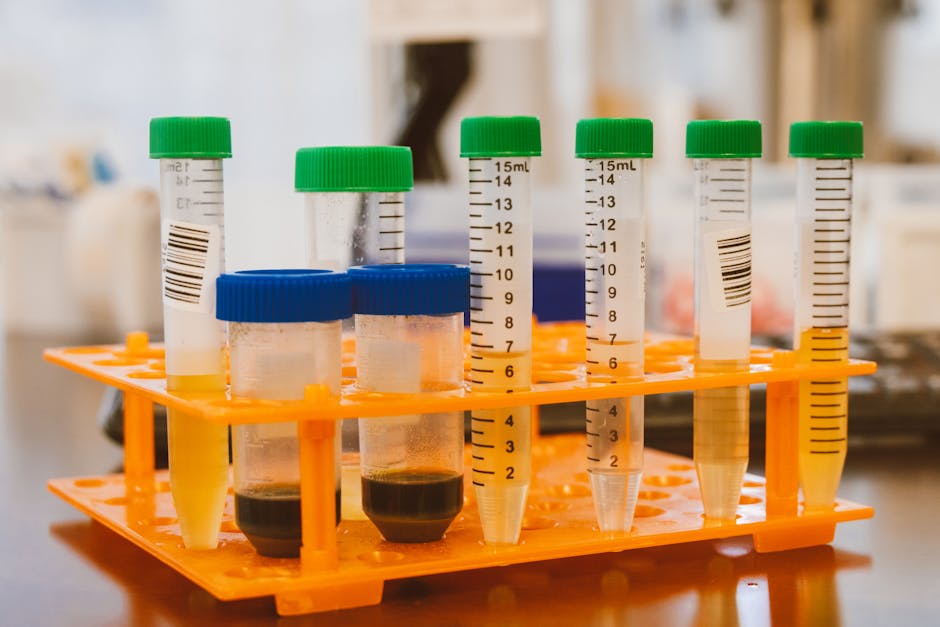
Traditional microbiological analysis often relies on culture methods. These involve incubating water samples in media that support the growth of target organisms or indicators. Common examples include membrane filtration, multiple-tube fermentation, and presence-absence tests.
These methods remain widely used because they are standardized, relatively cost-effective, and suitable for regulatory monitoring. However, they have limitations. Some pathogens are difficult or impossible to culture with routine methods, and culture results may take 18 to 48 hours or longer. That delay can matter during outbreak investigations or emergency response.
Molecular and rapid methods
Modern waterborne pathogens in drinking water lab analysis increasingly uses molecular tools such as polymerase chain reaction, often abbreviated PCR, and quantitative PCR. These methods detect genetic material from microorganisms and can identify specific pathogens more quickly and sensitively than some culture techniques.
Other advanced approaches include:
- Immunoassays for certain protozoa and microbial markers
- ATP-based screening for overall biological activity
- Flow cytometry for cell counting in research and specialized applications
- Sequencing methods for microbial community characterization and source tracking
While these tools are powerful, they also require expertise in interpretation. For example, PCR can detect DNA from organisms that are no longer viable, meaning detection does not always prove an active infection risk. Laboratories must therefore select methods that match the question being asked: regulatory compliance, outbreak investigation, treatment verification, or system troubleshooting.
Sampling methods and field practices
Waterborne pathogens in drinking water sampling methods are a major determinant of result quality. Poor sampling can produce false reassurance or false alarms. Standard best practices typically include:
- Using sterile sample containers supplied by the laboratory
- Avoiding contamination of bottle interiors and caps
- Selecting the correct sampling point based on the investigation goal
- Flushing or not flushing the tap according to the laboratory protocol
- Removing aerators if instructed
- Disinfecting the tap outlet when required
- Leaving appropriate headspace only if specified
- Keeping samples cool during transport
- Delivering samples within the laboratory holding time
Different situations require different sampling plans. A homeowner checking a private well may collect from an indoor tap after bypassing treatment equipment if the goal is to assess raw source quality. A utility may collect first-draw and post-flush samples at multiple points to distinguish source contamination from local plumbing issues. During an outbreak investigation, investigators may also collect source water, distributed water, storage tank samples, and environmental swabs.
Home testing
Waterborne pathogens in drinking water home testing kits are available for screening purposes. These often test for total coliforms and sometimes E. coli using presence-absence vials, color indicators, or simple incubator systems. Home tests can be useful for routine private well monitoring, post-repair checks, or preliminary evaluation after a contamination event.
However, home testing has important limitations:
- It usually covers only a narrow set of indicators
- It may not detect viruses or protozoa
- Improper collection or incubation can affect reliability
- It may provide only positive or negative results rather than a quantified concentration
- It does not replace certified laboratory testing when health decisions are involved
Home tests are best viewed as screening tools. If a result is positive, uncertain, or inconsistent with symptoms or site conditions, follow-up testing by a certified laboratory is strongly recommended.
Laboratory analysis
Waterborne pathogens in drinking water lab analysis provides the most dependable information for confirmation and risk assessment. Accredited laboratories follow validated methods, quality control procedures, and reporting protocols. They can also help determine whether testing should focus on indicators, specific bacteria, opportunistic pathogens, protozoa, or viral markers.
Laboratory professionals may recommend repeat sampling when:
- A positive result needs confirmation
- A sample was delayed in transit
- The sample source was unclear
- Contamination appears intermittent
- Corrective action has already been taken and effectiveness must be verified
Accuracy and limitations
Waterborne pathogens in drinking water accuracy is influenced by both analytical and real-world factors. Analytical accuracy concerns whether the method correctly identifies and measures the target organism. Real-world accuracy includes whether the sample truly represents the water being consumed.
Reasons test results may be misleading include:
- Contamination introduced during sampling
- Microbial die-off during shipping
- Insufficient sample volume
- Intermittent contamination events missed by one-time sampling
- Biofilm-related microbes not captured in a single grab sample
- Detection of nonviable organisms by molecular methods
Because of these challenges, one negative result does not always guarantee long-term safety, especially in vulnerable or unstable systems. Trend monitoring, repeat testing, and sanitary inspection are often necessary to build confidence.
Understanding test results
Waterborne pathogens in drinking water test results should always be interpreted alongside the sampling location, method used, and system context. Some common reporting formats include:
- Presence/absence for total coliforms or E. coli
- Colony-forming units per 100 milliliters for culture methods
- Most probable number per 100 milliliters for statistical estimation methods
- Gene copies or similar molecular units for PCR-based methods
A “not detected” result generally means the organism was not found above the detection limit of the test in that sample. It does not mean the organism is impossible elsewhere in the system. A “detected” result indicates the target or indicator was found and requires follow-up based on the organism, concentration, and water source. For private wells, any confirmed detection of E. coli should be treated as urgent and investigated immediately.
Prevention and Treatment
Testing identifies problems, but prevention is the more effective long-term strategy. The best approach depends on whether contamination originates at the source, during treatment, in distribution, or within building plumbing.
Source protection
- Maintain proper separation distances between wells and septic systems, livestock areas, and waste storage
- Inspect wells regularly for damaged caps, casing defects, and surface drainage issues
- Control stormwater and runoff around vulnerable water sources
- Protect surface water intakes from contamination where possible
Treatment options
Several treatment methods are used to control microbial hazards:
- Chlorination for broad disinfection and residual protection
- Ultraviolet disinfection for inactivation of many bacteria, viruses, and protozoa without adding chemicals
- Ozonation in some advanced systems
- Filtration, including absolute-rated filters designed to remove cysts and other microorganisms
- Boiling as an emergency household measure during advisories or suspected contamination events
Each method has strengths and limitations. For example, UV is effective only when water clarity is adequate and the unit is correctly maintained. Chlorine provides residual protection in distribution systems but may be less effective against some protozoa. Point-of-use devices can help at the tap, but they must be certified for microbiological reduction and maintained according to manufacturer instructions.
Households considering long-term solutions can review broader topics in water purification and water treatment systems.
After a positive test
If microbial contamination is confirmed, response steps may include:
- Stop using the water for drinking unless advised otherwise
- Follow boil water instructions where appropriate
- Inspect the source, well, or plumbing system for entry points
- Disinfect the well or affected plumbing if recommended
- Repair structural defects or treatment failures
- Retest after corrective action to confirm the problem is resolved
Corrective action should never end with a single disinfection event if the root cause remains unaddressed. Recurrent contamination often points to ongoing structural or sanitary deficiencies.
Common Misconceptions
Several misunderstandings can lead people to underestimate microbial risks or misuse testing data.
- “Clear water is safe water.” Many pathogens are invisible and do not affect taste or odor.
- “A negative home test means everything is fine.” Home kits are limited and may miss intermittent or non-target contamination.
- “If chlorine is present, pathogens cannot survive.” Some organisms are more resistant, and poor contact time or system conditions can reduce effectiveness.
- “One sample tells the whole story.” Microbial contamination can vary over time and location.
- “Only wells have pathogen problems.” Municipal systems and building plumbing can also experience microbial contamination.
- “All bacteria in water are dangerous.” Many microbes are harmless; testing focuses on indicators and specific health-relevant organisms.
Another frequent misconception is that test numbers can be interpreted without context. In reality, the significance of a result depends on the method used, the source type, whether the water is treated, and whether vulnerable individuals are present. This is why communication between the customer, laboratory, and qualified water professional is so valuable.
Regulations and Standards
Drinking water microbiological standards vary by country and jurisdiction, but most regulatory systems are built around the principle that fecal contamination indicators should not be present in finished drinking water. Public water systems are typically required to monitor microbiological quality on a routine schedule, maintain treatment performance, and respond rapidly to adverse results.
In many jurisdictions, regulatory frameworks cover:
- Routine total coliform or E. coli monitoring
- Treatment technique requirements for surface water systems
- Disinfection and filtration performance criteria
- Public notification when contamination is detected
- Repeat sampling and corrective action requirements
- Accreditation standards for certified laboratories
Private wells are often regulated far less strictly than public systems, which places more responsibility on owners. In practice, well owners should test regularly, especially for coliform bacteria and E. coli, and should test after flooding, repairs, prolonged vacancy, changes in taste or odor, or nearby septic failures.
Standards also affect how waterborne pathogens in drinking water test results are reported and acted upon. A laboratory report may include regulatory thresholds, advisory language, or follow-up recommendations, but end users should remember that not all health risks are captured by a single compliance sample. Regulations create a minimum framework; strong water safety management goes beyond minimum testing frequency and includes source protection, infrastructure maintenance, and responsive investigation.
Conclusion
Microbial contamination remains one of the most important drinking water hazards because it can cause illness quickly, spread through multiple exposure routes, and exist even when water looks completely normal. Effective waterborne pathogens in drinking water testing depends on more than choosing a test kit. It requires understanding likely sources, using sound sampling practices, selecting the right analytical method, and interpreting results with care.
For households, especially private well owners, waterborne pathogens in drinking water home testing can be a useful first step, but professional confirmation is often necessary. For utilities, institutions, and investigators, waterborne pathogens in drinking water lab analysis provides the rigor needed for compliance, diagnosis, and response. In all settings, waterborne pathogens in drinking water sampling methods strongly influence result quality, and waterborne pathogens in drinking water accuracy depends on both technical performance and proper field procedure.
Most importantly, waterborne pathogens in drinking water test results should lead to informed action. When contamination is identified early and the source is corrected, serious health consequences can often be prevented. Ongoing monitoring, preventive maintenance, and appropriate treatment remain the best defense against waterborne disease.
Readers who want to continue learning can explore water microbiology, review causes and sources, study health risks, and compare options in water purification and water treatment systems.



Read the full guide: Water Microbiology Guide
Explore more in this category: Water Microbiology Articles