Introduction
The municipal water treatment process removal of contaminants is one of the most important public health achievements of modern infrastructure. Every day, treatment plants take in raw water from rivers, lakes, reservoirs, and groundwater sources, then apply a sequence of physical, chemical, and biological steps to make that water safe for drinking, cooking, sanitation, and industrial use. Although many people only think about water when they turn on the tap, the systems behind that convenience are highly engineered and carefully regulated.
Understanding how treatment works helps communities make informed decisions about water quality, utility investment, household filtration, and risk management. It also clarifies why no single method can solve every problem. Different contaminants require different strategies, and the best municipal water treatment process treatment systems are designed as multiple barriers working together. These barriers may include screening, coagulation, sedimentation, filtration, disinfection, corrosion control, and distribution monitoring.
This article explains the major stages of treatment, the sources of contamination, the health and safety implications of poor-quality water, and the methods used to test, prevent, and reduce risks. It also reviews municipal water treatment process filtration methods, discusses municipal water treatment process maintenance needs, and examines municipal water treatment process effectiveness in real-world conditions. Readers looking for broader technical context may also explore this complete guide, along with related resources in water treatment systems and water science.
What It Is
The municipal water treatment process removal framework refers to the organized set of operations used by public water systems to eliminate or reduce contaminants to acceptable levels before water reaches consumers. These operations are not random or optional. They are selected based on source water quality, treatment goals, local regulations, seasonal changes, infrastructure limitations, and public health requirements.
In most systems, treatment begins with raw water intake. Surface water sources often contain suspended solids, natural organic matter, algae, microorganisms, and runoff-related pollutants. Groundwater may be clearer but can contain dissolved minerals, metals, or naturally occurring contaminants such as arsenic, manganese, or radionuclides. The purpose of treatment is to address these risks using several complementary barriers.
Core treatment stages
- Intake and screening: Removes large debris such as sticks, leaves, and trash.
- Coagulation and flocculation: Chemicals are added to destabilize fine particles, allowing them to clump together.
- Sedimentation or clarification: Heavier flocs settle out of the water.
- Filtration: Water passes through media such as sand, anthracite, granular activated carbon, or membranes.
- Disinfection: Chlorine, chloramine, ozone, or ultraviolet light is used to inactivate pathogens.
- Post-treatment: Includes pH adjustment, corrosion control, fluoridation where applicable, and residual disinfectant management.
Municipal water treatment process filtration methods are especially important because filtration acts as a major barrier against turbidity, protozoa, and other particulate-associated contaminants. Conventional media filtration is widely used, but some systems adopt advanced membrane technologies such as ultrafiltration, nanofiltration, or reverse osmosis when source water quality demands a higher level of control.
It is also important to recognize that treatment extends beyond the plant itself. A water utility must protect source water, maintain storage tanks, preserve disinfectant residuals in the distribution system, monitor pressure, and manage aging pipes. Therefore, the municipal water treatment process treatment systems include not just equipment inside a facility, but the entire source-to-tap network.
For readers interested in how contamination enters this system in the first place, additional background is available at causes and sources of water quality problems.
Main Causes or Sources
The need for municipal water treatment process removal comes from the wide range of contaminants that may be present in raw water. These contaminants vary by geography, season, climate, land use, industrial activity, agricultural practices, and infrastructure condition. Some are naturally occurring, while others are introduced by human activity.
Natural sources
- Sediment and turbidity: Rainfall, erosion, and storm events wash soil and particles into rivers and reservoirs.
- Natural organic matter: Decaying vegetation contributes organic compounds that can affect taste, color, odor, and disinfection byproduct formation.
- Microorganisms: Bacteria, viruses, Giardia, and Cryptosporidium may enter source waters through wildlife and environmental pathways.
- Dissolved minerals: Calcium, magnesium, iron, manganese, arsenic, and other minerals can occur naturally in groundwater.
Human-related sources
- Agricultural runoff: Fertilizers, pesticides, animal waste, and nutrients such as nitrate and phosphate can reach water bodies.
- Urban stormwater: Oil, grease, metals, road salts, plastics, and pathogens from developed areas may wash into source water.
- Industrial discharges: Chemical manufacturing, mining, and processing activities can introduce metals, solvents, or other pollutants.
- Wastewater impacts: Treated or untreated sewage can contribute nutrients, pharmaceuticals, endocrine-disrupting compounds, and microbes.
- Distribution system corrosion: Lead and copper can enter water after treatment if household plumbing or old service lines corrode.
Climate and seasonal conditions can intensify these problems. Heavy rain can sharply increase turbidity and microbial loading. Drought can concentrate dissolved contaminants. Warm temperatures may promote algal growth and cyanotoxin formation in reservoirs. Wildfire ash can alter source water chemistry and overwhelm conventional treatment if plants are not prepared.
One important lesson is that treatment plants are designed around expected source water conditions, but those conditions can change over time. When source quality degrades, utilities may need upgraded municipal water treatment process treatment systems, additional treatment barriers, or improved watershed protection measures.
To better understand the scientific context behind contaminant pathways, readers may explore material in water microbiology and related articles in water science.
Health and Safety Implications
The municipal water treatment process removal of contaminants is directly tied to health protection. When treatment fails, is incomplete, or is poorly matched to the contamination problem, waterborne disease outbreaks and chronic exposure risks can result. The health effects depend on the type, concentration, and duration of exposure to each contaminant.
Microbial risks
Pathogens are among the most urgent threats because they can cause illness quickly. Bacteria such as E. coli, viruses such as norovirus, and protozoa such as Giardia and Cryptosporidium can lead to diarrhea, vomiting, dehydration, fever, and severe complications in vulnerable individuals. Municipal systems use multiple barriers because no single disinfection or filtration step is enough under all conditions.
Protozoa are particularly significant because some are resistant to chlorine at typical doses. This is one reason municipal water treatment process filtration methods are so critical. Effective coagulation, sedimentation, and filtration reduce pathogen loading before final disinfection. Without that reduction, disinfectants may not provide adequate protection.
Chemical risks
Chemical contaminants often create longer-term concerns. For example:
- Lead: Can impair neurological development in children and contribute to cardiovascular and kidney problems in adults.
- Nitrate: Can interfere with oxygen transport in infants, causing methemoglobinemia.
- Arsenic: Associated with increased risks of cancer and cardiovascular effects after long-term exposure.
- Disinfection byproducts: Some byproducts formed when disinfectants react with natural organic matter are regulated because of potential long-term health concerns.
- Pesticides and industrial chemicals: May affect endocrine, reproductive, neurological, or organ function depending on the compound.
Operational and infrastructure risks
Even when treatment plant performance is strong, safety can be undermined in the distribution system. Loss of pressure can allow intrusion. Stagnation can reduce disinfectant residual and increase microbial regrowth. Corrosion can release metals. Poor storage tank maintenance can compromise finished water quality. This is why municipal water treatment process effectiveness must be assessed from source through delivery, not only at the treatment plant outlet.
Public health agencies focus especially on sensitive populations, including infants, pregnant individuals, older adults, immunocompromised people, and patients receiving dialysis. For these groups, contamination events can be more severe and require additional protective actions such as boil water advisories, alternative supplies, or point-of-use treatment.
More detail on exposure concerns can be found in health effects and risks related to water treatment issues.
Testing and Detection
No municipal system can function safely without reliable testing and detection. Monitoring allows utilities to understand source water quality, verify treatment performance, respond to changing conditions, and demonstrate regulatory compliance. Because water quality is dynamic, testing must occur at multiple points and frequencies.
Routine water quality parameters
- Turbidity: Indicates the presence of suspended particles and helps assess clarification and filtration performance.
- pH and alkalinity: Important for coagulation, corrosion control, and disinfection efficiency.
- Temperature: Influences chemical reactions and biological activity.
- Conductivity and total dissolved solids: Reflect dissolved mineral content.
- Residual disinfectant: Confirms that microbial protection is maintained in the distribution system.
Microbiological testing
Microbiological monitoring often includes total coliforms, E. coli, heterotrophic plate count, and in some settings more specialized pathogen testing. Direct testing for every possible pathogen is impractical, so utilities use indicator organisms and process control parameters to infer treatment performance. For example, low turbidity after filtration supports confidence that pathogen removal barriers are functioning properly.
Chemical testing
Municipal systems also test for regulated and emerging contaminants, including metals, nitrate, disinfection byproducts, volatile organic compounds, synthetic organic chemicals, and in some cases PFAS or cyanotoxins. Sampling plans are often based on historical data, contaminant vulnerability, and regulatory requirements.
Online instrumentation and laboratory analysis
Modern treatment plants combine continuous online sensors with periodic laboratory analysis. Online systems can track turbidity, chlorine residual, pH, oxidation-reduction potential, and particle counts in near real time. Laboratory methods provide precise confirmation for metals, organics, and microbiological indicators. Together, these tools support both immediate operational control and long-term planning.
Testing also informs decisions about municipal water treatment process best filters for a given utility. If the main challenge is turbidity and protozoa, dual-media filtration or membrane filtration may be appropriate. If taste, odor, and organic compounds are significant, granular activated carbon may be added. If dissolved salts or specific industrial contaminants are the issue, high-pressure membrane systems may be necessary.
Source water assessment and risk forecasting
Utilities increasingly use watershed monitoring, remote sensing, and predictive data analysis to anticipate problems before they reach the plant. Storm forecasts, algal bloom surveillance, and upstream spill reporting all help operators adjust treatment proactively. This approach improves municipal water treatment process effectiveness by reducing the chance that a plant is reacting too late to sudden changes in raw water quality.
Prevention and Treatment
Prevention and treatment are closely linked. The best strategy is not only to remove contaminants efficiently at the plant, but also to reduce contamination at the source and maintain water quality throughout distribution. In practice, successful municipal water treatment process removal relies on a multi-barrier approach.
Source water protection
Protecting watersheds and aquifers reduces treatment burden and improves resilience. Common strategies include land use controls, buffer zones, agricultural best management practices, industrial discharge oversight, stormwater management, and emergency spill response planning. Source protection is often more cost-effective than trying to treat every contaminant after it enters the raw water supply.
Conventional treatment systems
Conventional treatment remains the backbone of many utilities because it is reliable and scalable. Typical steps include coagulation, flocculation, sedimentation, filtration, and disinfection. This sequence is highly effective for turbidity reduction and broad microbial control when properly optimized.
Coagulants such as alum or ferric salts neutralize particle charges. During flocculation, gentle mixing forms larger particles that settle more easily. After sedimentation, filters remove remaining fine material. Final disinfection then inactivates microorganisms that pass through earlier stages.
Municipal water treatment process filtration methods
Filtration is one of the most important treatment barriers, and several options are used depending on water quality goals:
- Rapid sand filtration: Common in conventional plants; effective when combined with good coagulation and clarification.
- Dual-media or multimedia filtration: Uses layered media to improve particle removal and filter run times.
- Granular activated carbon filtration: Helps remove taste, odor, and some organic contaminants.
- Slow sand filtration: Uses biological activity and fine media; effective but requires more space and careful operation.
- Membrane filtration: Microfiltration and ultrafiltration provide strong particulate and microbial barriers; nanofiltration and reverse osmosis address smaller dissolved contaminants.
Choosing among these municipal water treatment process best filters depends on source water characteristics, target contaminants, energy use, operating skill, waste disposal needs, and cost. There is no universally best filter. The best option is the one that consistently meets treatment objectives under local conditions.
Disinfection options
- Chlorine: Widely used, provides residual protection in distribution, and is cost-effective.
- Chloramine: Often used for longer-lasting residuals, though it requires careful nitrification management.
- Ozone: Strong oxidant effective for taste, odor, and some difficult contaminants, but does not provide a lasting residual.
- Ultraviolet light: Effective against many microorganisms including chlorine-resistant protozoa, but also lacks residual protection.
Many plants combine methods, such as UV followed by chloramination, to gain both strong pathogen control and distribution system residual.
Advanced treatment systems
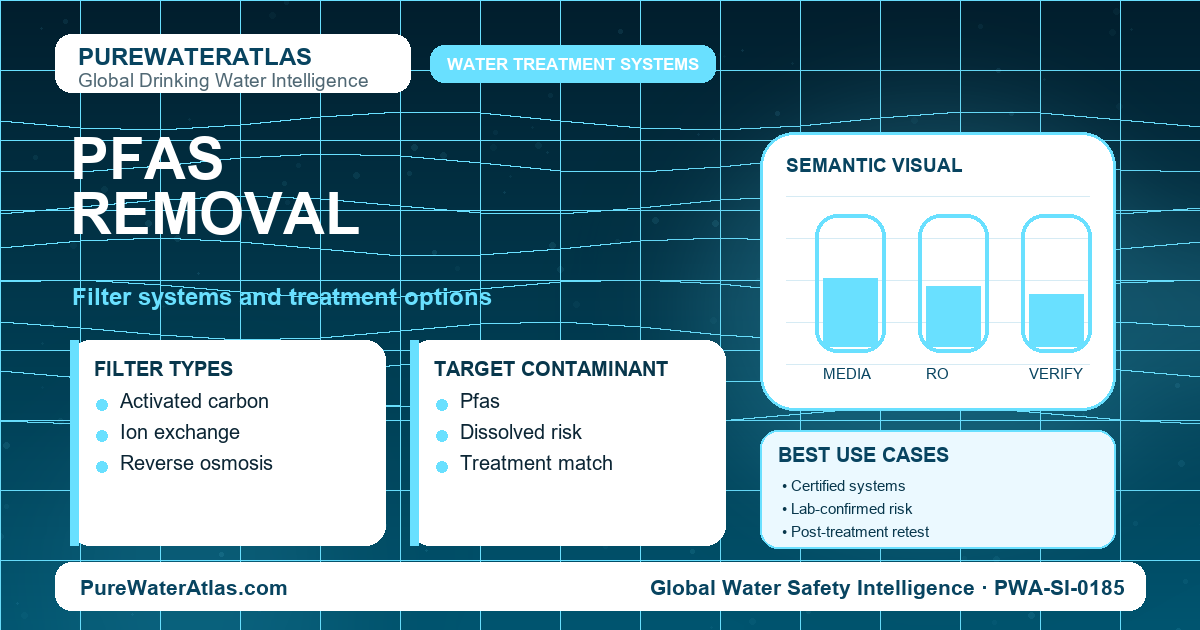
When conventional methods are not enough, utilities may add advanced oxidation, ion exchange, adsorption media, biologically active filtration, or reverse osmosis. These municipal water treatment process treatment systems are increasingly important where source waters contain PFAS, algal toxins, salinity, or industrial contaminants that are not fully controlled by traditional treatment.
Municipal water treatment process maintenance
Even the best design will underperform without proper maintenance. Municipal water treatment process maintenance includes calibrating instruments, inspecting pumps and valves, replacing or regenerating media, cleaning membranes, maintaining chemical feed systems, removing accumulated sludge, and preventing biofilm or corrosion issues in the distribution system. Operator training is equally important. A sophisticated plant cannot achieve consistent results if process control is poor.
Maintenance also extends to emergency preparedness. Utilities need backup power, chemical supply contingencies, cybersecurity protections, spare parts inventory, and response plans for contamination events or equipment failures. These steps are essential to preserving municipal water treatment process effectiveness during both routine operations and emergencies.
Common Misconceptions
Public understanding of drinking water treatment is often shaped by oversimplified claims. Correcting common misconceptions helps people evaluate water quality issues more realistically.
Misconception 1: Clear water is always safe water
Water can look perfectly clear while still containing pathogens, dissolved metals, nitrates, or industrial chemicals. Appearance alone is not a reliable safety indicator. This is why laboratory testing and process monitoring are indispensable.
Misconception 2: Chlorine alone makes water safe
Disinfection is crucial, but chlorine is only one part of the process. High turbidity or excessive organic matter can interfere with treatment performance and contribute to byproduct formation. Effective municipal water treatment process removal depends on upstream clarification and filtration, not just a disinfectant dose.
Misconception 3: All filters remove the same contaminants
Different filters serve different purposes. A basic sediment filter may reduce particles but not dissolved chemicals. Activated carbon may improve taste and reduce some organics but not hardness or nitrate. Reverse osmosis may remove a broad range of dissolved contaminants but has higher cost and waste stream considerations. The phrase municipal water treatment process best filters must always be interpreted in relation to the target contaminant.
Misconception 4: Once water leaves the plant, treatment is finished
Finished water can still be affected by pipe corrosion, storage issues, pressure loss, or residual disinfectant decay. Distribution management is part of the overall treatment system and can strongly affect delivered water quality.
Misconception 5: More treatment is always better
Over-treatment can create unnecessary cost, energy use, chemical consumption, and operational complexity. Effective treatment is not about using the most technology possible. It is about matching treatment barriers to the actual risk profile of the source water and distribution system.
Misconception 6: Household filters make municipal treatment unnecessary
Point-of-use devices can provide an additional barrier, but they are not substitutes for a functioning public treatment system. Municipal plants protect entire populations, manage microbial safety at scale, and maintain water quality for firefighting, sanitation, hospitals, and businesses. Household devices are supplementary and must also be maintained properly to work as intended.
Regulations and Standards
Municipal water treatment operates within a framework of regulations and technical standards intended to protect public health and ensure consistent utility performance. These rules vary by country, but most systems share common goals: define acceptable contaminant limits, require monitoring, establish treatment performance targets, and mandate public reporting.
Drinking water standards
Regulatory agencies typically establish maximum contaminant levels, treatment technique requirements, and operational monitoring obligations. These standards may cover microbiological contaminants, disinfectant residuals, turbidity, metals, nitrates, disinfection byproducts, radiological compounds, and selected organic chemicals. Utilities must demonstrate compliance through routine testing and documentation.
Treatment technique requirements
For some contaminants, regulators focus less on a single finished-water limit and more on required treatment performance. Surface water treatment rules, for example, often specify pathogen removal or inactivation goals and set turbidity thresholds as indicators of filter effectiveness. This reflects the reality that direct continuous testing for every pathogen is not feasible.
Corrosion control and distribution standards
Standards may also require corrosion control treatment to minimize lead and copper release from plumbing materials. Utilities must monitor water chemistry, optimize pH and alkalinity, and in some cases use corrosion inhibitors. Distribution system integrity, cross-connection control, and residual disinfectant monitoring are also part of public health protection.
Operator certification and reporting
Regulations generally require certified operators to manage treatment facilities. Training and credentialing help ensure that personnel understand chemistry, microbiology, hydraulics, process control, and emergency response. Utilities are often also required to issue consumer confidence reports or similar public disclosures summarizing source water, contaminants detected, compliance status, and key treatment information.
The role of standards organizations
Beyond government regulations, technical organizations publish standards for equipment, chemicals, testing methods, and treatment performance. These standards support consistency in municipal water treatment process treatment systems and help utilities compare technologies more objectively. They also improve procurement, validation, and long-term asset management.
Ultimately, regulations do not eliminate all risk, but they create a structured baseline for safety. Utilities that go beyond minimum compliance through better source protection, stronger maintenance, and proactive monitoring often achieve the greatest municipal water treatment process effectiveness.
Conclusion
The municipal water treatment process removal of contaminants is a layered public health system, not a single machine or chemical step. Safe drinking water depends on the combination of source protection, well-designed treatment barriers, effective municipal water treatment process filtration methods, reliable disinfection, strong distribution management, and disciplined municipal water treatment process maintenance. Each component contributes to the overall performance of the system.
Because water contamination sources are diverse and changing, no one-size-fits-all solution exists. The most successful municipal water treatment process treatment systems are tailored to local source water quality, regulatory expectations, infrastructure conditions, and community needs. They also evolve over time as new contaminants emerge, technologies improve, and environmental pressures change.
For utilities, engineers, students, and informed consumers, understanding these fundamentals makes it easier to interpret water quality reports, evaluate treatment upgrades, and distinguish between realistic solutions and oversimplified claims. In that sense, education is itself a protective barrier. When communities understand how treatment works, they are better prepared to support investments that sustain safe, reliable, and effective public water supplies.
Readers who want to continue exploring the topic can review resources on water treatment systems, the complete guide to municipal treatment, source-related issues at causes and sources, health considerations at health effects and risks, and broader topics in water science and water microbiology.
Read the full guide: Water Treatment Systems Guide
Explore more in this category: Water Treatment Systems Articles