
Introduction
Desalination has become an increasingly important part of modern water supply planning, especially in coastal regions, drought-prone areas, and locations where freshwater resources are limited or heavily stressed. By removing salts and other impurities from seawater or brackish water, desalination systems can create drinking water for homes, hospitals, schools, and industry. As more communities turn to this technology, public interest has grown around desalination water treatment plants health effects, including questions about water quality, chemical exposure, mineral balance, operational safety, and long-term environmental and public health consequences.
In general, desalinated water can be safe to drink when plants are well designed, properly operated, and closely regulated. However, like any large-scale water treatment process, desalination is not risk-free. Health concerns may arise from inadequate post-treatment, improper disinfection, contamination in distribution systems, membrane failures, chemical residues, byproducts, or poor monitoring practices. There are also broader indirect concerns, such as effects on marine ecosystems, concentrated brine disposal, and the energy demands associated with plant operation.
This article provides an educational overview of how desalination plants work, where possible health and safety issues can originate, what symptoms and medical concerns may be associated with problematic water quality, and how risks can be identified and reduced. Readers looking for broader background on treatment technologies may also find useful information in water treatment systems resources, while those seeking a full technical overview can explore this complete guide to desalination water treatment plants.
What It Is
Desalination is the process of removing dissolved salts, minerals, and other contaminants from saline water to make it suitable for drinking, irrigation, or industrial use. The two main methods used in desalination water treatment plants are membrane-based treatment, especially reverse osmosis, and thermal processes, such as multi-stage flash distillation or multi-effect distillation. Today, reverse osmosis is the most widely used approach because it is generally more energy-efficient than traditional thermal methods.
In a typical reverse osmosis desalination plant, source water is first collected from the ocean or from brackish groundwater. It then undergoes pretreatment to remove suspended particles, biological materials, and substances that could damage membranes. Next, the water is forced under pressure through semipermeable membranes that allow water molecules to pass while rejecting salts, many microbes, and numerous dissolved contaminants. After desalination, the water often requires post-treatment, including remineralization, pH adjustment, and disinfection, before it enters the public supply.
Understanding desalination water treatment plants health effects requires recognizing that the final water quality depends on the entire treatment chain rather than on salt removal alone. A desalination plant may produce water with very low salinity, but low salinity by itself does not guarantee ideal drinking water quality. Water chemistry must be stabilized, corrosivity controlled, and microbiological safety maintained. If these steps are neglected, the resulting water may contribute to infrastructure corrosion, unpleasant taste, mineral imbalance, or contaminant leaching from pipes and storage systems.
It is also important to distinguish direct health issues from indirect public health concerns. Direct concerns involve what consumers drink, inhale, or contact, including residual disinfectants, byproducts, metals, or microbes. Indirect concerns involve the surrounding environment, worker safety, nearby air quality, and ecosystem changes that may ultimately influence community health over time. Additional background on system types and plant configurations can be found through global water quality and desalination references.
Main Causes or Sources
Potential health-related issues associated with desalination plants usually do not come from the concept of desalination itself. Instead, they arise from specific sources within plant design, operation, maintenance, and water distribution. Understanding these sources is essential for evaluating desalination water treatment plants exposure levels and identifying meaningful risk pathways.
Inadequate Pretreatment
Pretreatment is designed to protect membranes and improve final water quality. If pretreatment is insufficient, suspended solids, algae, bacteria, or organic matter may enter downstream processes. This can lead to membrane fouling, reduced efficiency, increased chemical use, and instability in treated water quality. During harmful algal blooms, source water may contain toxins or elevated organic matter that complicates treatment and raises concerns about byproduct formation.
Membrane Failure or Reduced Performance
Reverse osmosis membranes are highly effective, but they are not infallible. Physical damage, seal failure, aging, or improper pressure conditions can reduce contaminant rejection. If performance declines and monitoring is weak, dissolved salts, boron, nitrate, or microbial contaminants may pass into finished water at higher-than-expected levels. While multiple barriers and routine testing usually detect these issues, lapses can increase public health risk.
Chemical Additives and Residues
Desalination plants use a variety of chemicals during treatment, such as coagulants, antiscalants, acids, alkalis, cleaning agents, and disinfectants. These chemicals serve important operational functions, but improper dosing or insufficient control may leave residues or contribute to treatment byproducts. For example, chlorination is essential for disinfection in many systems, yet excessive chlorine or reactions with organic matter can create disinfection byproducts that are subject to regulatory limits because of their potential long-term health significance.
Post-Treatment and Remineralization Problems
Desalinated water is often low in calcium, magnesium, and alkalinity. Without proper remineralization, water may become corrosive and can leach metals such as lead, copper, or nickel from pipes, fittings, solder, and plumbing fixtures. This issue is especially important in older buildings and mixed distribution systems. In discussions of desalination water treatment plants medical concerns, low-mineral water itself is less often the main issue than the secondary problem of corrosivity and resulting metal exposure.
Distribution System Contamination
Even if water leaves the plant in excellent condition, contamination can occur in storage tanks, reservoirs, pipelines, or household plumbing. Biofilm growth, pressure loss, infrastructure deterioration, and cross-connections may compromise safety. This means health effects sometimes attributed to desalination plants may actually originate in the distribution system rather than the desalination process.
Brine Disposal and Environmental Pathways
Desalination produces concentrated brine containing salts and, in some cases, treatment chemical residues. If brine disposal is poorly managed, it may affect local marine habitats, benthic organisms, fisheries, and nearby ecosystems. These environmental impacts can have indirect public health implications through food systems, livelihoods, recreation, and community well-being. Readers interested in source pathways can review causes and sources associated with desalination water treatment plants.
Air Emissions and Energy Use
Many desalination facilities rely on substantial energy inputs. When electricity comes from fossil fuels, there may be associated air pollutant emissions from power generation, including particulate matter, nitrogen oxides, sulfur dioxide, and greenhouse gases. These are not contaminants in the drinking water itself, but they are part of the broader health discussion around desalination infrastructure.
Health and Safety Implications
Most people who drink properly treated desalinated water will not experience harmful effects. Nonetheless, concerns about desalination water treatment plants symptoms, desalination water treatment plants long term risks, and desalination water treatment plants vulnerable groups are valid topics for public health education. The significance of any risk depends on contaminant type, concentration, exposure duration, water consumption patterns, and individual susceptibility.
Short-Term Health Effects
If desalinated water is inadequately treated or becomes contaminated after treatment, short-term effects may include:
- Gastrointestinal upset, such as nausea, vomiting, or diarrhea, if microbial contamination is present
- Unpleasant taste or odor that leads to reduced water intake and possible dehydration in sensitive individuals
- Mouth, throat, or skin irritation in cases involving unusual chemical imbalance or elevated disinfectant levels
- Headache or discomfort associated with poor palatability, although such symptoms are often nonspecific
These desalination water treatment plants symptoms are not unique to desalinated water and may also occur with other drinking water quality failures. Symptoms alone cannot identify the exact source of exposure, which is why testing and professional assessment are important.
Mineral Balance and Nutritional Questions
One common concern is whether desalinated water lacks beneficial minerals. Because reverse osmosis removes much of the original calcium and magnesium, post-treatment is often used to restore appropriate mineral content and stabilize the water. Drinking water is generally not the primary source of dietary minerals for most people, but water can make a meaningful contribution in some populations. Persistently low magnesium intake has been studied in relation to cardiovascular health, although the evidence is complex and not solely determined by desalinated water consumption. The most practical health takeaway is that remineralization supports both water stability and consumer acceptability.
Metal Leaching from Corrosive Water
When desalinated water is too low in alkalinity or hardness and is not properly conditioned, it may corrode plumbing materials. This can increase levels of:
- Lead
- Copper
- Nickel
- Iron
- Zinc
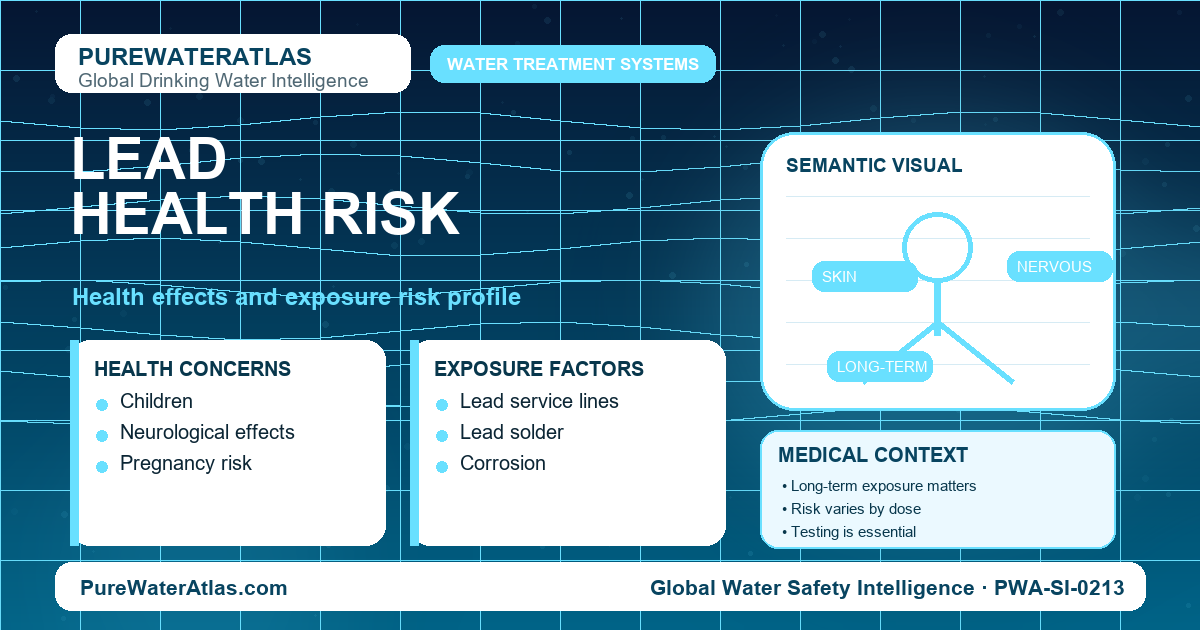
Lead is of particular concern because even low exposure can affect neurological development in children and contribute to cardiovascular and kidney problems in adults. Copper may cause stomach upset at elevated levels, while chronic exposure to certain metals may create additional health concerns. In many practical cases, the major health issue linked to desalinated water is not salt removal but insufficient stabilization of the finished water.
Disinfection Byproducts
Disinfection is crucial for preventing waterborne disease, but disinfectants can react with natural organic matter or bromide-related compounds to form byproducts. Depending on source water and treatment conditions, these may include trihalomethanes and haloacetic acids. Long-term exposure to elevated disinfection byproducts has been studied for possible links to cancer and reproductive effects, which is why these compounds are regulated in many countries. Plant operators must carefully balance microbial safety with byproduct control.
Boron and Other Trace Contaminants
Seawater contains boron, which can be challenging to remove completely with standard reverse osmosis under some operating conditions. Elevated boron intake can be a concern in certain health and agricultural contexts. Other trace contaminants may include residual organics, industrial pollutants in source water, or compounds introduced during treatment. The risk depends on the specific contaminant and the effectiveness of removal and monitoring.
Microbiological Risks
Reverse osmosis is highly effective against many microbes, but desalination plants still require strong microbiological control. Contamination can occur before membranes, after membranes, or within storage and distribution infrastructure. If barriers fail, exposure to bacteria, viruses, or protozoa may lead to acute illness. This is particularly important for immunocompromised individuals, infants, and older adults.
Long-Term Risks
Discussion of desalination water treatment plants long term risks usually focuses on chronic exposure to low levels of metals, chemical byproducts, or poorly balanced mineral content rather than on desalinated water itself as a category. Potential long-term issues may include:
- Neurological effects from lead exposure if corrosive water leaches metals from plumbing
- Kidney stress or other organ effects from persistent exposure to certain contaminants
- Possible increased cancer risk associated with elevated disinfection byproducts over long periods
- Ongoing taste and acceptability problems that discourage adequate hydration
- Indirect health effects related to environmental degradation, energy emissions, or ecosystem disruption
These risks are highly dependent on exposure conditions and should not be assumed to occur wherever desalination is used. Well-managed systems are designed specifically to prevent such outcomes.
Vulnerable Groups
Desalination water treatment plants vulnerable groups include people who may be more affected by contaminant exposure, water chemistry imbalance, or interruptions in safe water supply:
- Infants and young children, because of their developing bodies and higher water intake per body weight
- Pregnant people, due to concerns about fetal development and sensitivity to certain contaminants
- Older adults, who may have chronic illnesses or reduced physiological resilience
- People with kidney disease, hypertension, or compromised immune systems
- Hospital patients and medically fragile individuals who depend on consistently safe water
- Communities with aging plumbing systems that increase the chance of metal leaching
For these groups, preventive monitoring and communication are especially important.
Testing and Detection
Reliable testing is the foundation of public confidence and safety in desalination systems. Concerns about desalination water treatment plants exposure levels can only be addressed through systematic monitoring of source water, treatment performance, finished water, and distribution system quality. No single test can capture all risks, so a multi-parameter approach is necessary.
Operational Monitoring
Plant operators typically track key indicators continuously or at high frequency, including:
- Conductivity or salinity
- Pressure and flow across membranes
- Turbidity
- pH
- Oxidation-reduction conditions
- Residual disinfectant levels
- Temperature
Changes in these values can indicate membrane fouling, seal failure, dosing errors, contamination events, or distribution problems. Rapid detection helps prevent unsafe water from reaching consumers.
Chemical Testing
Laboratory analysis may include testing for:
- Major ions and total dissolved solids
- Calcium, magnesium, and alkalinity to assess remineralization
- Lead, copper, nickel, iron, and other metals
- Boron, nitrate, fluoride, and trace elements
- Disinfection byproducts such as trihalomethanes and haloacetic acids
- Residual treatment chemicals where relevant
These tests help determine whether finished water is both safe and chemically stable.
Microbiological Testing
Microbiological monitoring may involve coliform bacteria, E. coli indicators, heterotrophic plate counts, and in some cases more advanced pathogen surveillance. Even if desalination membranes are functioning properly, microbiological testing remains necessary because contamination can occur after desalination.
Corrosion and Distribution Assessment
To evaluate possible metal leaching, utilities often monitor corrosion control parameters and collect first-draw and flushed samples from representative buildings. Areas with older service lines or premise plumbing may require closer attention. Consumer complaints about metallic taste, blue-green staining, or cloudy water can also provide useful clues.
Exposure Interpretation
Desalination water treatment plants exposure levels should be interpreted using concentration data, frequency of exposure, route of exposure, and individual sensitivity. For most drinking water issues, ingestion is the main pathway. In some settings, inhalation of aerosols or dermal contact may also matter, though usually less than direct drinking exposure. Temporary detection of a substance does not automatically mean there is a serious health threat; risk depends on how much is present and for how long.
Readers who want a more technical review can refer to testing and detection methods for desalination water treatment plants. Broader public guidance is also available in drinking water safety materials.
Prevention and Treatment
Preventing health risks associated with desalination requires a multiple-barrier strategy that begins before water enters the plant and continues through final delivery to the consumer. Effective prevention addresses both engineering performance and public health oversight.
Source Water Management
Monitoring source water for algal blooms, industrial contamination, sewage influence, and seasonal changes helps operators adjust pretreatment and avoid unexpected treatment failures. Intake placement and design also matter, both for treatment efficiency and ecosystem protection.
Robust Pretreatment and Membrane Maintenance
Good pretreatment protects membrane integrity and reduces the chance of contaminant breakthrough. Regular cleaning, integrity testing, and membrane replacement are essential. Automated alarms and shutdown protocols can help prevent off-spec water from entering distribution.
Proper Remineralization and Stabilization
After desalination, water often needs:
- Calcium or magnesium addition
- Alkalinity adjustment
- pH correction
- Corrosion control treatment
These steps improve taste, reduce infrastructure damage, and minimize metal leaching. In many systems, this is one of the most important safeguards against downstream health problems.
Disinfection Control
Maintaining adequate disinfection while minimizing byproducts requires careful dosing, contact time management, and regular measurement of residual disinfectant. Operators may also use process optimization to reduce organic precursors before disinfection.
Distribution System Protection
Safe plant output can be compromised by poor distribution conditions. Utilities should maintain pipe integrity, prevent stagnation, inspect tanks, control biofilms, and respond quickly to pressure losses or main breaks. Household plumbing guidance may also be necessary in older buildings.
Public Health Response and Medical Evaluation
When communities suspect water-related illness, public health agencies typically investigate symptoms, timing, water quality data, and possible alternative sources. People who believe they have experienced harmful exposure should seek medical advice, especially if symptoms are persistent, severe, or involve young children, pregnancy, or underlying illness. Depending on the suspected contaminant, medical evaluation may include hydration assessment, gastrointestinal care, blood testing for metals, or broader clinical review.
From a public perspective, desalination water treatment plants medical concerns are best handled through documented testing and professional assessment rather than assumptions based on taste or rumor alone.
Household Measures
In some situations, consumers can reduce risk by:
- Reviewing local water quality reports
- Flushing taps after prolonged stagnation
- Using certified point-of-use filters when appropriate for specific contaminants
- Having home plumbing tested if lead or copper exposure is a concern
- Seeking alternate water supplies during advisories
However, household actions should supplement, not replace, utility-level control and regulatory compliance.
Common Misconceptions
Public understanding of desalination is often shaped by oversimplified claims. Clearing up common misconceptions helps people assess real risks more accurately.
“Desalinated water is automatically unsafe because it is processed.”
This is false. All public drinking water is processed to some extent. Desalinated water can be very safe when treatment and monitoring are done correctly.
“If the water tastes flat, it must be dangerous.”
Not necessarily. Taste can be influenced by mineral content and post-treatment chemistry. Flat taste may reflect low mineralization, but it does not by itself indicate a health hazard. Still, unusual taste should be investigated if it changes suddenly.
“Removing minerals makes water unhealthy for everyone.”
Desalination removes many minerals, but most essential nutrient intake comes from food. The more important issue is proper remineralization to stabilize water and protect plumbing. Health effects depend on overall diet, water chemistry, and exposure circumstances.
“Any symptoms after drinking water must come from the desalination plant.”
Symptoms such as nausea or headache are nonspecific and may have many causes. Distribution system issues, household plumbing, foodborne illness, viral infections, or unrelated medical conditions may be involved. Objective testing is needed.
“Desalination has no environmental health footprint because it creates new water.”
Also false. Desalination can improve water security, but it has environmental considerations, including energy demand, intake effects, and brine disposal. These indirect factors are part of the broader health discussion.
Regulations and Standards
Desalination plants are generally subject to the same drinking water standards that apply to other municipal water systems, along with additional engineering and environmental controls specific to desalination technology. Regulations vary by country and region, but the main goals are consistent: ensure microbiological safety, limit harmful chemicals, control treatment byproducts, maintain operational reliability, and protect environmental resources.
Finished Water Standards
Utilities are commonly required to meet standards or guidelines for:
- Microbial indicators
- Lead, copper, arsenic, nitrate, and other regulated chemicals
- Disinfection byproducts
- Residual disinfectant levels
- pH and corrosion control parameters
- Consumer notification and reporting requirements
For desalination systems, boron, bromide-related chemistry, and remineralization performance may receive additional attention because they are especially relevant to this treatment approach.
Operational and Validation Requirements
Many authorities require validation of membrane performance, routine integrity checks, alarm systems, preventive maintenance, and documented operator training. Plants may also need emergency response plans for membrane failure, contamination events, power outages, or natural disasters.
Environmental Oversight
Because desalination can affect marine and coastal environments, permits often cover intake structures, entrainment and impingement controls, brine discharge location, dilution methods, and ecological monitoring. Environmental regulation supports public health indirectly by helping preserve ecosystem function and limiting harmful side effects.
Transparency and Consumer Confidence
Public reporting is a key part of risk management. Communities should have access to water quality reports, notices of violations or advisories, and explanations of corrective actions. Transparent communication is especially important where desalination is new or controversial.
Conclusion
Concerns about desalination water treatment plants health effects are best approached with a balanced, evidence-based perspective. Desalination can provide a dependable drinking water source in areas facing drought, salinity intrusion, or limited freshwater availability. When plants are properly designed, carefully monitored, and supported by strong regulation, desalinated water can meet high safety standards and serve public health well.
The main risks do not usually come from desalination as an idea, but from specific failures or weak points: inadequate pretreatment, membrane problems, poor remineralization, corrosive finished water, disinfection byproducts, distribution system contamination, and environmental mismanagement. These factors shape possible desalination water treatment plants symptoms, influence desalination water treatment plants long term risks, and determine which desalination water treatment plants vulnerable groups may need the greatest protection.
For utilities, the priority is comprehensive testing, operational discipline, corrosion control, and transparent public reporting. For consumers, the best response is to rely on verified water quality information, understand that taste alone is not a diagnosis, and seek professional advice when significant exposure or illness is suspected. In short, desalination is neither a perfect solution nor an inherently dangerous one. Its health impact depends on how responsibly the technology is implemented, monitored, and governed over time.
Read the full guide: Water Treatment Systems Guide
Explore more in this category: Water Treatment Systems Articles