Introduction
Disinfection is one of the most important steps in modern drinking water protection. It has saved countless lives by reducing the spread of waterborne diseases such as cholera, typhoid, and dysentery. At the same time, many people have questions about disinfection water treatment systems health effects, especially when they notice changes in taste, odor, or skin comfort after using treated water. Understanding both the benefits and the possible risks of disinfection helps households, facility managers, and public health professionals make informed decisions.
Water treatment systems use disinfectants to inactivate or destroy harmful microorganisms, including bacteria, viruses, and protozoa. Common methods include chlorine, chloramine, ozone, and ultraviolet light. Each approach has strengths and limitations, and each may create different exposure pathways or byproducts. In most regulated systems, disinfection is essential because the immediate danger from untreated microbial contamination is usually much greater than the risk posed by properly controlled disinfectants.
However, the topic is not purely simple. People may experience short-term irritation, concerns about chemical byproducts, or worries about cumulative exposure over time. Questions often arise about disinfection water treatment systems symptoms, such as eye irritation, dry skin, or respiratory discomfort, and about disinfection water treatment systems long term risks, including whether prolonged exposure to certain byproducts can affect health. There is also growing public interest in disinfection water treatment systems vulnerable groups, such as infants, pregnant people, older adults, and individuals with weakened immune systems.
This article explains how water disinfection works, what can cause exposures, what symptoms and risks may be associated with various disinfection methods, how water is tested, and how health concerns can be minimized. Readers looking for broader background may also explore water treatment systems and more public health context in drinking water safety. For a wider perspective on regional and international issues, global water quality offers useful context.
What It Is
Disinfection in water treatment is the process of reducing or eliminating disease-causing microorganisms from water so it can be used more safely for drinking, cooking, bathing, and other daily needs. It differs from filtration, which physically removes particles and some pathogens, although the two processes often work together. Disinfection is meant to target biological hazards that may not be visible to the eye.
The most common disinfectants used in water treatment systems include:
- Chlorine: Widely used because it is effective, affordable, and leaves a residual that continues protecting water as it moves through pipes.
- Chloramine: Formed by combining chlorine and ammonia. It lasts longer in distribution systems and may reduce some byproducts associated with free chlorine.
- Ozone: A powerful oxidant that works quickly, but usually does not provide a long-lasting residual in pipes.
- Ultraviolet (UV) light: Inactivates microorganisms without adding chemicals, but does not leave residual protection in stored or distributed water.
- Chlorine dioxide: Used in some systems for specific treatment goals, including control of certain tastes, odors, and microbes.
Disinfection can be applied in municipal systems, private wells with point-of-entry devices, building water systems, hospitals, industrial settings, and emergency treatment situations. The exact method depends on source water quality, infrastructure, cost, and public health goals.
The phrase disinfection water treatment systems exposure levels refers to how much disinfectant or disinfection byproduct people may encounter through drinking, inhalation, or skin contact. Exposure levels depend on water chemistry, the type of disinfectant, system maintenance, pipe conditions, treatment dosage, temperature, and personal habits such as shower length and daily water consumption.
It is also important to distinguish between the disinfectant itself and the compounds that may form when that disinfectant reacts with natural organic matter, bromide, iodide, or other substances in source water. Some of the health discussion around water disinfection focuses less on the disinfectant and more on these resulting disinfection byproducts.
For a broader technical overview, readers may find it helpful to review this complete guide to disinfection in water treatment systems.
Main Causes or Sources
Potential health concerns related to water disinfection usually arise from one of four main sources: the disinfectant chemical itself, the byproducts formed during treatment, operational problems in the treatment system, or environmental and plumbing conditions that alter water quality after treatment.
Disinfectant Residuals
Chlorine and chloramine are intentionally kept at low residual levels in many drinking water systems to prevent microbial regrowth as water travels through pipes. These residuals are beneficial for public health, but when concentrations are too high or when individuals are especially sensitive, they may contribute to taste and odor complaints, skin dryness, eye irritation, or mucous membrane discomfort.
Disinfection Byproducts
When disinfectants react with naturally occurring organic material in water, they can create byproducts. Common examples include:
- Trihalomethanes (THMs)
- Haloacetic acids (HAAs)
- Chlorite and chlorate
- Bromate
- Nitrosamine compounds, including NDMA in some chloraminated systems
These compounds are not present in all systems at the same levels. Their formation depends on source water quality, organic matter concentration, bromide presence, pH, temperature, contact time, and disinfectant type and dose. Byproducts are often central to discussions of disinfection water treatment systems long term risks because some have been associated with increased health concerns when exposure is sustained over long periods.
Source Water Quality
Lakes, rivers, reservoirs, and groundwater sources differ significantly in chemistry. Surface waters often contain more organic matter, algae, and seasonal variation, increasing the likelihood of byproduct formation if treatment is not carefully managed. Groundwater may have lower organic content but can present different challenges such as iron, manganese, ammonia, or naturally occurring contaminants that affect disinfectant performance.
Distribution System Conditions
Even after water leaves a treatment plant, water quality can change inside the distribution system. Aging pipes, stagnant zones, biofilm buildup, pressure changes, and warm temperatures can all affect disinfectant stability. For example, a utility may increase disinfectant dose to maintain an adequate residual at the far ends of the network, potentially affecting taste, odor, or byproduct levels.
Building Plumbing and Point-of-Use Conditions
Water inside homes, schools, and hospitals can differ from water measured at the treatment plant. Long residence times in plumbing, hot water systems, and certain pipe materials may change disinfectant levels. Activities like showering, especially with hot water, can increase inhalation exposure to volatile compounds such as some THMs.
Improper Operation or Maintenance
Incorrect chemical dosing, poor calibration of equipment, inadequate monitoring, or delayed maintenance can lead to under-disinfection or over-disinfection. Under-disinfection poses immediate microbial danger, while over-disinfection may increase irritation or byproduct formation. Both are serious disinfection water treatment systems medical concerns from a public health standpoint.
Additional technical background on these pathways is available in causes and sources of disinfection issues in water treatment systems.
Health and Safety Implications
The health and safety implications of water disinfection must be understood in balance. The primary reason disinfection exists is to prevent infectious disease, and that benefit is substantial. Without effective disinfection, communities are at risk of acute outbreaks that can cause severe illness or death. At the same time, certain disinfectants and byproducts can contribute to discomfort or potential chronic risks when not well controlled.
Short-Term Symptoms and Acute Effects
Possible disinfection water treatment systems symptoms vary depending on the disinfectant involved, the route of exposure, and individual sensitivity. Some reported short-term effects may include:
- Unpleasant taste or chemical odor in drinking water
- Dry or itchy skin after bathing
- Eye irritation, especially after showering or swimming in heavily disinfected water
- Nose and throat irritation from inhaled vapors
- Mild respiratory discomfort in sensitive individuals
- Gastrointestinal upset if water contains unusual concentrations or if another water quality issue is present
Not all of these symptoms are caused by disinfection alone. In many cases, odor or irritation complaints may reflect high water temperature, poor bathroom ventilation, coexisting contaminants, or unrelated dermatologic or respiratory conditions. Still, noticeable changes in treated water should be evaluated rather than dismissed.
Skin, Eye, and Respiratory Concerns
Chlorine can be irritating at elevated levels, particularly during bathing or showering where warm water increases vapor release. Chloramine-related complaints may include taste and odor issues and irritation in some settings. People with asthma or chronic respiratory sensitivity may notice symptoms more readily in poorly ventilated areas. Eye and skin irritation are more commonly reported in recreational water environments, but household water can also contribute when disinfectant levels are atypical.
Long-Term Risks and Byproduct Exposure
The most discussed disinfection water treatment systems long term risks involve disinfection byproducts rather than properly maintained disinfectant residuals. Research has examined possible associations between long-term exposure to elevated levels of THMs, HAAs, bromate, and certain other byproducts and health outcomes such as:
- Increased cancer risk, especially bladder cancer, in some long-term epidemiological studies
- Potential reproductive or developmental concerns in specific exposure scenarios
- Oxidative stress or cellular effects suggested by toxicological studies for some compounds
These associations do not mean that all disinfected water is unsafe. Risk depends heavily on concentration, duration, individual susceptibility, and whether the water system remains within regulatory limits. Public health agencies generally conclude that the benefits of disinfection overwhelmingly outweigh the risks, while also requiring utilities to minimize byproducts as much as practical.
Exposure Pathways
People can be exposed through several routes:
- Ingestion: Drinking water, cooking, beverages made with tap water
- Inhalation: Breathing volatile compounds released during showering, bathing, or other water use
- Dermal contact: Skin exposure during bathing, handwashing, or occupational tasks
For many byproducts, inhalation and dermal absorption during showering can meaningfully contribute to total exposure, not just direct drinking. This is one reason exposure assessment must look beyond a single water sample from the kitchen sink.
Vulnerable Groups
Disinfection water treatment systems vulnerable groups deserve special attention because they may experience either greater exposure or greater sensitivity. These groups may include:
- Infants and young children: Smaller body size and developing organ systems can affect risk profiles.
- Pregnant individuals: Exposure assessment may be especially important when byproduct levels are elevated.
- Older adults: Existing health conditions can increase susceptibility to dehydration, irritation, or complications.
- Immunocompromised individuals: They face especially high danger if disinfection is inadequate and microbial contamination occurs.
- People with asthma or chronic respiratory disease: They may be more sensitive to inhaled irritants during showering.
- Patients undergoing dialysis: Water used for dialysis requires special treatment because chloramine can be dangerous in that setting.
- People keeping fish, amphibians, or certain medical devices: Chlorine and chloramine must often be removed for these uses.
Medical interpretation should always consider the alternative risk: inadequate disinfection can be far more dangerous for immunocompromised people than low regulated levels of disinfectant residuals.
Medical Concerns Requiring Prompt Attention
Some disinfection water treatment systems medical concerns warrant urgent action or professional consultation, including:
- Sudden strong chemical odor or taste changes across multiple taps
- Reports of widespread irritation in a building
- Symptoms after a utility treatment change or plumbing incident
- Water use in dialysis, laboratory, or neonatal care settings without appropriate controls
- Suspected contamination event or treatment system malfunction
If symptoms are severe, persistent, or affect many people in one location, both medical professionals and the water provider should be notified.
Testing and Detection
Testing is essential for understanding whether a water disinfection issue is present and how serious it may be. Effective testing combines chemical monitoring, microbiological analysis, operational review, and sometimes exposure investigation inside buildings.
Routine Water Utility Monitoring
Public water systems typically monitor disinfectant residuals and key byproducts on a defined schedule. Depending on the system, this may include measurements for free chlorine, total chlorine, chloramine, THMs, HAAs, bromate, chlorite, pH, turbidity, and microbial indicators. Results help utilities verify that water remains both microbiologically safe and chemically compliant.
Point-of-Use and Building Testing
Homeowners and facilities can also test water at specific locations. This can be useful when complaints are limited to a certain building or neighborhood. Tests may include:
- Free and total chlorine
- Chloramine
- pH and oxidation-reduction potential
- THMs and HAAs through certified laboratory analysis
- Temperature and stagnation-related measures
- Bacterial tests when under-disinfection is a concern
Interpreting Exposure Levels
Disinfection water treatment systems exposure levels cannot be judged by a single number alone. Important factors include:
- Average concentration over time
- Peak concentration events
- Location within the distribution system
- Seasonal changes
- Water use patterns such as long showers or high daily intake
- Special uses such as infant formula preparation or dialysis
A result that appears acceptable at the treatment plant may not reflect conditions in a distant building with aging plumbing or long water residence times. Conversely, a temporary taste complaint does not automatically indicate a dangerous health exposure.
When to Investigate Further
Further assessment may be warranted when:
- Water has a persistent bleach-like, medicinal, or unusual odor
- Residents report repeated irritation or discomfort
- A utility has changed disinfectants, such as switching from chlorine to chloramine
- There has been flooding, line repair, pressure loss, or plumbing disruption
- A sensitive setting such as a hospital or childcare facility is involved
Consumers should use certified laboratories and, where applicable, consult their water utility, local health department, or a qualified water treatment professional. More on this process can be found in testing and detection methods for disinfection in water treatment systems.
Prevention and Treatment
Managing health risks from water disinfection requires a balanced approach: maintain strong microbial protection while minimizing unnecessary chemical exposure and byproduct formation. Prevention starts at the treatment plant but also includes distribution systems, building plumbing, and household practices.
Optimize the Treatment Process
Utilities can reduce risk by carefully controlling disinfectant dose, contact time, pH, and precursor removal. Removing natural organic matter before disinfection often lowers byproduct formation significantly. Common strategies include enhanced coagulation, activated carbon, improved filtration, and source water protection.
Choose the Right Disinfection Method
No single method is perfect for every system. Chlorine provides a strong residual but can form THMs and HAAs. Chloramine provides longer-lasting residual protection and may lower some byproducts, but it can create nitrification concerns and is not suitable for all uses. UV and ozone can be very effective but often need a secondary residual disinfectant in distribution systems. The best choice depends on local water chemistry and infrastructure.
Maintain Distribution and Plumbing Systems
Regular flushing, pipe replacement, corrosion control, and storage tank maintenance help keep disinfectant levels stable and prevent microbial regrowth. In buildings, reducing water stagnation and maintaining hot water systems properly can also improve water quality.
Use Household Treatment Carefully
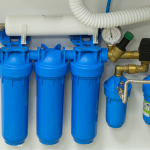
Some point-of-use devices can reduce chlorine, chloramine, or byproducts, but they must be selected carefully. Options may include:
- Activated carbon filters for chlorine and some organic byproducts
- Specialized carbon or catalytic carbon for chloramine reduction
- Reverse osmosis systems for a broader range of contaminants
- Shower filters, though effectiveness varies widely
Improperly maintained filters can become ineffective or even create microbial growth problems. Household treatment should not be used as a substitute for correcting a serious utility or plumbing issue.
Reduce Personal Exposure
People with sensitivity concerns may benefit from practical steps such as:
- Letting cold water run briefly after long stagnation periods
- Using cold water for drinking and cooking, then heating as needed
- Improving bathroom ventilation during showers
- Shortening very hot showers if inhalation irritation is a concern
- Using certified filters appropriate for the specific disinfectant present
Seek Medical and Technical Advice When Needed
If symptoms continue despite basic changes, consult a healthcare professional and request water quality information from the utility. In private well systems with disinfection units, system inspection is especially important because dosing and maintenance errors are more likely than in large municipal plants.
Common Misconceptions
Public discussion about water disinfection often includes misunderstandings that can lead to unnecessary fear or unsafe decisions. Correcting these misconceptions is important for sound risk communication.
Misconception: Any Chlorine Smell Means Water Is Dangerous
A noticeable chlorine odor does not automatically mean water is unsafe. Odor can occur at concentrations below harmful levels, and some people detect it more easily than others. However, sudden or unusually strong odor changes should still be investigated.
Misconception: Disinfected Water Is More Dangerous Than Untreated Water
This is one of the most harmful myths. Untreated water can transmit serious infectious disease. In nearly all public health scenarios, properly disinfected water is far safer than untreated water. The goal is not to eliminate disinfection, but to optimize it.
Misconception: Boiling Always Solves the Problem
Boiling can kill microbes, but it does not reliably remove all chemical byproducts and may concentrate some dissolved substances as water evaporates. Boiling is useful mainly for microbial contamination emergencies, not all chemical concerns.
Misconception: All Symptoms After Showering Are Caused by Disinfectants
Dry skin, red eyes, or breathing discomfort may have many causes, including soaps, heat, humidity, mold, poor ventilation, allergies, or preexisting skin and lung conditions. Water disinfectants may contribute, but they are not always the sole cause.
Misconception: Bottled Water Is Always Safer
Bottled water is not automatically safer than regulated tap water. Standards, source quality, storage conditions, and labeling accuracy vary. In many regions, public tap water is monitored more consistently than bottled water.
Misconception: Home Filters Remove Everything
No single household filter removes all contaminants. Some filters reduce chlorine well but do little for chloramine or specific byproducts. Consumers should check certifications and maintenance requirements before relying on a device.
Regulations and Standards
Water disinfection is governed by regulations designed to protect against both infectious disease and chemical overexposure. Regulatory frameworks differ by country, but most follow the same public health principle: maintain effective microbial control while limiting disinfectant residuals and byproducts to acceptable levels.
Drinking Water Standards
In many jurisdictions, regulators set maximum allowable levels for disinfectants and specific byproducts. These may include limits or targets for:
- Free chlorine residual
- Chloramine residual
- Total trihalomethanes
- Haloacetic acids
- Bromate
- Chlorite
Utilities must also meet microbiological goals, such as controlling coliform bacteria and demonstrating adequate disinfection performance against pathogens. This dual requirement reflects the need to manage both acute and chronic health concerns.
Risk-Benefit Approach
Regulators generally recognize that the immediate danger from pathogens is greater than the lower-probability chronic risks associated with regulated disinfection byproducts. As a result, standards are structured to avoid under-disinfection while still pushing systems to minimize byproducts through better treatment design and source control.
Monitoring, Reporting, and Public Communication
Water systems are usually required to perform routine testing, maintain records, and notify the public when standards are exceeded. Consumer confidence reports and annual water quality summaries often provide useful information on disinfectant types and byproduct levels. Reviewing these reports can help households understand local conditions before pursuing additional treatment.
Special Settings
Hospitals, dialysis centers, laboratories, and certain industrial facilities may follow stricter internal standards than ordinary residential systems because their users face higher sensitivity or specialized water requirements. In such settings, standard municipal disinfection alone may not be sufficient for safe operation.
Conclusion
Disinfection remains a cornerstone of safe water supply and one of the great achievements of public health. Concerns about disinfection water treatment systems health effects are valid and deserve careful, evidence-based attention, but they should be viewed in context. The purpose of disinfection is to prevent severe microbial disease, and in most cases its benefits are far greater than its risks.
At the same time, disinfectant residuals, disinfection byproducts, plumbing conditions, and operational problems can create short-term irritation or contribute to long-term concerns if not properly managed. Understanding disinfection water treatment systems symptoms, evaluating disinfection water treatment systems exposure levels, and identifying disinfection water treatment systems vulnerable groups are all important for protecting public health. Questions about disinfection water treatment systems medical concerns should be taken seriously, especially in sensitive environments or when symptoms affect multiple people.
The most effective response is not to reject disinfection, but to improve it through strong regulation, good system maintenance, proper testing, transparent communication, and targeted household measures when needed. With a balanced approach, communities can continue to receive the lifesaving benefits of disinfection while minimizing unnecessary health risks.
Read the full guide: Water Treatment Systems Guide
Explore more in this category: Water Treatment Systems Articles