Introduction
Contamination of drinking water by Escherichia coli, commonly called E. coli, is a serious public health concern because it signals that disease-causing microorganisms may be present in the water supply. For homeowners, building managers, farm operators, and small water system users, understanding e coli water contamination removal is essential for protecting health and maintaining confidence in water quality. While some strains of E. coli are harmless and normally live in the intestines of humans and animals, their presence in water usually indicates fecal contamination and the possible introduction of bacteria, viruses, and parasites that should not be there.
Educational guidance on this topic should begin with a simple but important point: no single approach fits every contaminated water source. The right response depends on whether contamination is temporary or ongoing, whether it affects a private well or a larger distribution system, and whether treatment is needed at the point of entry or only at the tap. Effective action usually combines source control, testing, disinfection, and long-term treatment design. Readers looking for foundational background may also find broader resources on water microbiology and drinking water safety useful for understanding how bacterial contamination fits into the larger picture of water quality management.
This article explains what E. coli contamination means, where it comes from, the risks it poses, how it is detected, and the most practical options for treatment and prevention. It also reviews e coli water contamination filtration methods, discusses e coli water contamination treatment systems, and clarifies how to compare e coli water contamination best filters based on performance, maintenance, and application. Because system performance depends heavily on upkeep, the discussion also addresses e coli water contamination maintenance and the real-world factors that affect e coli water contamination effectiveness.
What It Is
E. coli is a group of bacteria commonly found in the intestines of warm-blooded animals and humans. In water quality testing, E. coli is used as an indicator organism. That means laboratories and regulators often test for it not only because the bacterium itself can be dangerous, but because its presence strongly suggests contamination from fecal waste. If fecal material has entered the water, there is also a risk that other pathogens have entered along with it.
Not all E. coli strains cause illness. Many are harmless in the digestive system. However, some strains, such as shiga toxin-producing E. coli, can cause severe disease. More importantly in water safety, any positive finding of E. coli in drinking water is treated seriously because potable water should be free of fecal contamination. A positive result often triggers immediate recommendations such as boiling water, retesting, inspecting the source, and applying disinfection or corrective treatment.
From a practical perspective, E. coli contamination can occur in several types of water systems:
- Private wells drawing groundwater
- Springs and surface water supplies
- Cisterns and rainwater collection systems
- Rural distribution lines or storage tanks
- Municipal systems during failures, cross-connections, or main breaks
When discussing e coli water contamination removal, it is important to distinguish between short-term emergency measures and long-term corrective solutions. Emergency measures include boiling, shock chlorination, or temporary bottled water use. Long-term solutions include fixing sanitary defects, sealing wellheads, improving drainage, installing ultraviolet disinfection, maintaining chlorine residuals, and choosing treatment units certified for microbial reduction.
Those seeking a broad overview of the issue can review a more general resource at this complete guide to E. coli in water, which complements the more treatment-focused information presented here.
Main Causes or Sources
The main sources of E. coli in water are tied to the movement of fecal matter into water supplies. This can happen through direct introduction, surface runoff, structural failure, poor sanitation, or inadequate treatment. The specific source matters because effective correction depends on stopping contamination at its origin rather than only treating the water after the fact.
Human and Animal Waste Intrusion
The most common cause is contamination by sewage, septic waste, livestock manure, wildlife droppings, or pet waste. Heavy rainfall can wash these materials into streams, ponds, springs, and shallow groundwater. In agricultural regions, manure application on fields can contribute to contamination when runoff reaches vulnerable water sources.
Private Well Vulnerabilities
Private wells are especially at risk when construction is poor or maintenance is neglected. Common defects include:
- Cracked well casings
- Missing or damaged sanitary well caps
- Improper grading that allows water to pool near the wellhead
- Floodwater entering the well
- Shallow wells located near septic systems, barns, or drain fields
A well may test positive after storms, snowmelt, flooding, or nearby construction activity that changes drainage or disturbs soil. More on source pathways and contamination routes can be found in this guide to causes and sources.
Septic System Failures
Malfunctioning septic tanks and drain fields are a major contributor to bacterial contamination in rural settings. When systems are overloaded, poorly maintained, or too close to a well, untreated or partially treated sewage can enter groundwater. This risk increases in areas with high water tables, permeable soils, or aging infrastructure.
Surface Water Influence
Water supplies influenced by rivers, lakes, ponds, or springs are more exposed than deep protected groundwater. Surface water is frequently impacted by storm runoff, wildlife activity, upstream wastewater discharges, and recreational use. Without adequate treatment barriers, these sources can carry E. coli into drinking water systems.
Distribution System Problems
Even if the original source water is clean, contamination can occur later in the system. Main breaks, low pressure events, cross-connections, backflow incidents, and poorly maintained storage tanks can introduce bacteria into water after it has already been treated. This is one reason routine monitoring and operator oversight remain essential even in established systems.
Seasonal and Environmental Factors
Temperature, rainfall, flooding, and land use all influence contamination patterns. Intense rainfall can rapidly transport bacteria into wells and surface water intakes. Drought can alter groundwater flow and concentrate contaminants. Freezing and thawing may damage seals or expose weak points in infrastructure. As a result, a water source that appeared safe for years may suddenly become vulnerable.
Health and Safety Implications
The health significance of E. coli in drinking water goes beyond the bacterium itself. Because it indicates fecal contamination, it suggests that other pathogens may also be present. These may include Salmonella, Campylobacter, Shigella, viruses such as norovirus or hepatitis A, and protozoa such as Giardia and Cryptosporidium. For that reason, a positive E. coli result is treated as a direct drinking water safety issue.
Symptoms associated with ingestion of contaminated water may include:
- Diarrhea
- Abdominal cramps
- Nausea and vomiting
- Fever
- Fatigue and dehydration
In severe cases, some pathogenic E. coli strains can cause bloody diarrhea and kidney complications. Although severe outcomes are less common, they are most concerning for infants, older adults, pregnant individuals, and people with weakened immune systems.
Exposure can occur through more than direct drinking. People may also become ill by using contaminated water for:
- Brushing teeth
- Washing fruits and vegetables
- Making ice
- Preparing infant formula
- Cooking foods that absorb water
If contamination is suspected or confirmed, boiling water is a common immediate safety measure. Bringing water to a rolling boil for at least one minute, or longer at high elevation according to local guidance, can inactivate bacteria and many other pathogens. However, boiling is only a temporary measure and should not replace identification of the source and implementation of a durable treatment solution.
For a more focused discussion of illness concerns and vulnerable populations, readers may consult this resource on health effects and risks.
Testing and Detection
Testing is the foundation of any response to suspected contamination. Because E. coli cannot be detected by sight, taste, or smell, laboratory analysis is necessary. Water that appears clear and fresh may still contain dangerous bacteria. Likewise, cloudy or unpleasant water is not automatically contaminated with E. coli. Only proper sampling and testing can confirm microbial safety.
How E. coli Is Tested
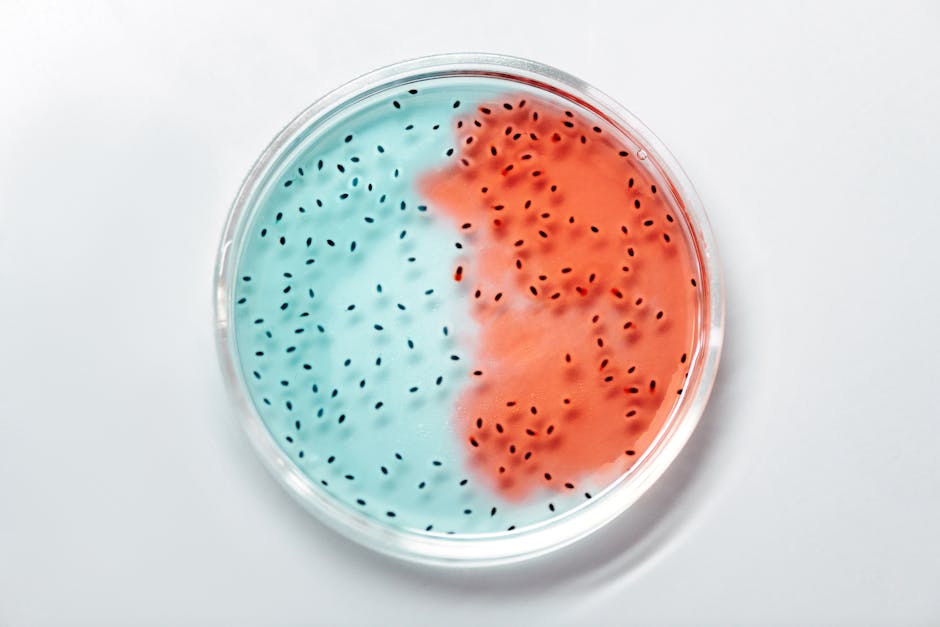
Most drinking water testing uses microbiological methods that identify total coliform bacteria and E. coli specifically. Total coliforms are a broader group of bacteria found in soil, vegetation, and fecal matter. Their presence can indicate that a water system is vulnerable or that sanitation barriers have failed. E. coli is more specific to fecal contamination and therefore carries greater health significance.
Common testing approaches include:
- Presence-absence tests
- Membrane filtration methods
- Defined substrate tests used by certified laboratories
- Portable field kits for screening, followed by lab confirmation when needed
Proper Sampling Matters
A poor sampling procedure can produce misleading results. Water samples should be collected in sterile containers, from a clean tap, without touching the inside of the lid or bottle. Aerators or faucet screens are often removed before sampling because they may harbor bacteria and distort the result. The sample should be kept cool and delivered promptly to a qualified laboratory within the required holding time.
When to Test
Routine and event-based testing are both important. Private well owners should consider testing at least annually for bacteria, and more often when risk factors are present. Additional testing is recommended:
- After flooding or major storms
- After well repairs or pump replacement
- When water changes in clarity, odor, or taste
- After septic failures nearby
- When household members experience unexplained gastrointestinal illness
- When a property is bought or sold
Interpreting Results
A result showing no E. coli detected is good, but one clean test does not guarantee future safety. Conditions can change. A positive result calls for follow-up action, not just repeat testing. The response usually includes confirming the result, inspecting the source, considering immediate disinfection, and identifying whether contamination is episodic or persistent.
Repeated positive tests suggest an ongoing structural or environmental problem. In that case, long-term e coli water contamination treatment systems may be necessary even after repairs are made. Monitoring after treatment installation is crucial to verify that the chosen approach is working consistently.
Prevention and Treatment
Prevention and treatment are most effective when used together. Preventing contamination means protecting the source, the infrastructure, and the surrounding environment. Treatment means adding one or more barriers that inactivate or remove microorganisms before the water is consumed. When discussing e coli water contamination removal, it is helpful to think in terms of a multiple-barrier strategy: keep contamination out, detect it quickly, and ensure treatment remains reliable over time.
Source Protection and Sanitary Corrections
The first step is often a sanitary survey or inspection of the water source and related infrastructure. This may include evaluating the well cap, casing, grout, drainage, nearby septic systems, animal access, and signs of surface water intrusion. Corrective actions may include:
- Repairing cracked or damaged well casing
- Installing a sanitary well cap
- Improving grading so water flows away from the wellhead
- Extending casing height above ground level
- Relocating contamination sources where feasible
- Repairing or replacing failing septic systems
- Securing storage tanks and vents against animal entry
These steps do not always eliminate the need for treatment, but they reduce the burden on treatment systems and improve long-term reliability.
Shock Chlorination
For wells and plumbing that have become contaminated, shock chlorination is a common short-term corrective measure. This involves introducing a strong chlorine solution into the well and distribution plumbing, allowing sufficient contact time, and then flushing the system. Shock chlorination can be useful after flooding, repairs, or a one-time contamination event.
However, it is not a guaranteed permanent solution. If the source of contamination remains, bacteria may return. Shock chlorination is best seen as part of an investigation, not the final answer in every case.
Continuous Disinfection Systems
When contamination risk is ongoing, continuous disinfection may be necessary. The two most common approaches are chlorination and ultraviolet disinfection.
Chlorination
Chlorination uses a metering pump or injection system to add chlorine to the water, followed by enough contact time for disinfection. In many systems, a retention tank is used so the chlorine has time to work before the water reaches the tap. Chlorination is effective against E. coli when properly dosed and maintained. It also leaves a residual disinfectant in the system, which helps protect against recontamination in plumbing.
Advantages of chlorination include:
- Strong microbial control when properly designed
- Residual protection in storage and piping
- Widely used and well understood technology
Limitations include taste and odor concerns, need for chemical handling, and the importance of correct dosing and contact time. Organic matter, iron, manganese, and other water characteristics may also influence performance.
Ultraviolet Disinfection
UV systems expose water to ultraviolet light that damages the DNA of microorganisms and prevents them from reproducing. UV is highly effective for bacteria such as E. coli when the system is properly sized and the water is clear enough for light to penetrate.
Advantages of UV include:
- No chemical addition to the water
- No change in taste or odor
- Fast and effective inactivation of bacteria
Limitations include the lack of residual protection and sensitivity to water quality conditions. If the water is turbid or contains particles, microbes may be shielded from the light. For that reason, prefiltration is often used ahead of UV units. UV lamps also require routine replacement and sleeve cleaning as part of e coli water contamination maintenance.
Filtration Methods
Many consumers ask about e coli water contamination filtration methods. Filtration can play several roles, but not all filters are designed to remove or inactivate bacteria. Understanding the difference is essential.
- Sediment filters remove particles, sand, rust, and debris, but by themselves they generally do not provide reliable bacterial removal.
- Carbon filters improve taste and odor and reduce some chemicals, but standard activated carbon alone is not a dependable barrier for E. coli.
- Microfiltration and ultrafiltration membranes can physically reduce bacteria when pore size and certification are appropriate.
- Reverse osmosis systems can provide strong contaminant reduction, including microbial reduction when intact and properly maintained, though they are often used as point-of-use systems and may not protect all water in the home.
- Ceramic filters may reduce bacteria if designed and certified for that purpose.
In practice, the most reliable strategies for microbial safety often combine filtration with disinfection. For example, sediment prefiltration plus UV is a common private well setup. In other cases, cartridge filtration may be paired with chlorination or membrane treatment depending on water quality conditions and household demand.
Choosing the Best Filters and Systems
When comparing e coli water contamination best filters, performance claims should always be examined carefully. The best option is not simply the most expensive product or the one with the finest-sounding filter media. It is the one that matches the water source, contamination risk, flow rate, household size, maintenance capacity, and installation location.
Important selection criteria include:
- Third-party certification for microbiological reduction or disinfection performance
- Required flow rate and peak household demand
- Compatibility with existing water chemistry and turbidity
- Whole-house versus point-of-use protection
- Ease of maintenance and availability of replacement parts
- Monitoring features such as alarms, intensity indicators, or chlorine residual testing
Consumers evaluating options may benefit from exploring broader resources on water treatment systems to understand how microbial control fits with other treatment goals such as sediment reduction, hardness control, or chemical contaminant removal.
Point-of-Use Versus Point-of-Entry
Point-of-use systems treat water at a single tap, usually the kitchen sink. Point-of-entry systems treat all water entering the building. If the concern is safe drinking and cooking water only, a point-of-use system may be sufficient in some settings. However, if contamination is widespread or there is concern about use for bathing, brushing teeth, or multiple taps, a whole-house solution is often more appropriate.
Maintenance and Ongoing Effectiveness
No treatment device remains effective without maintenance. This is one of the most important but often overlooked aspects of e coli water contamination effectiveness. Even a properly designed system can fail if lamps burn out, filters clog, cartridges are not replaced, chlorine pumps lose prime, or retention tanks are not cleaned.
Strong e coli water contamination maintenance practices include:
- Replacing UV lamps on schedule, even if they still glow
- Cleaning quartz sleeves in UV units
- Changing prefilters at recommended intervals
- Checking chlorine feed pumps, solution strength, and contact tanks
- Testing treated water routinely to verify microbial safety
- Inspecting the wellhead and source area regularly
- Keeping service records for all maintenance actions
Ultimately, the effectiveness of any treatment system should be measured not by marketing claims but by consistent sampling results and sound operation over time.
Common Misconceptions
Misunderstandings about microbial contamination can delay appropriate action. Several misconceptions appear frequently among property owners and water users.
If the Water Looks Clear, It Must Be Safe
This is false. E. coli cannot be seen with the naked eye. Clear water may still be microbiologically unsafe. Visual appearance is not a substitute for testing.
A Standard Carbon Filter Solves the Problem
Many people assume that any household filter will handle bacteria. In reality, standard carbon filters are designed mainly for taste, odor, and some chemical reduction. They should not be relied on for E. coli control unless the product is specifically designed and certified for microbiological performance.
One Shock Chlorination Fixes Everything Forever
Shock chlorination may temporarily disinfect a contaminated well or plumbing system, but it does not fix structural defects, poor drainage, or ongoing contamination sources. Recurring positives after shock treatment usually indicate a deeper problem.
Boiling Water Means the Water System Is Fine
Boiling is an emergency safety step, not a permanent treatment plan. It protects users in the short term while the underlying issue is investigated and corrected.
Only Rural Wells Have E. coli Problems
Private wells are a common setting for bacterial contamination, but municipal and commercial systems can also be affected during treatment failures, main breaks, cross-connections, or distribution system disruptions.
If a Test Is Negative Once, No More Testing Is Needed
Water quality can change over time. Seasonal conditions, flooding, nearby land use, infrastructure aging, and maintenance failures can all introduce contamination later. Ongoing monitoring is essential, especially for private water supplies.
Regulations and Standards
Regulatory requirements vary by country and jurisdiction, but the basic principle is widely consistent: drinking water should not contain E. coli. In public water systems, E. coli detection usually triggers immediate response obligations, public notification procedures, repeat sampling, and corrective actions. Private wells, however, are often not regulated to the same extent, which places more responsibility on the owner.
In the United States, public drinking water systems are regulated under federal and state frameworks that require routine microbial monitoring and action when coliform or E. coli results indicate contamination risk. Treatment technique requirements, operator responsibilities, and reporting obligations are designed to ensure prompt identification and correction of microbial hazards.
Third-party product standards also matter when selecting treatment equipment. Systems intended for microbial reduction or disinfection should ideally be certified under recognized performance standards by accredited organizations. This is especially important when comparing residential UV units, membrane systems, or specialty filters marketed for bacterial control.
For private well owners, the absence of formal regulation should not be mistaken for the absence of risk. In practice, owners should follow public health guidance that includes:
- Routine bacterial testing
- Prompt investigation of positive results
- Source protection and sanitary maintenance
- Use of appropriate treatment equipment when needed
- Periodic verification that treatment is functioning correctly
Best practice standards often go beyond minimum legal requirements. A system that merely meets basic expectations may still benefit from improvements in resilience, monitoring, and maintenance. This is especially true in areas affected by flooding, agricultural runoff, or aging private infrastructure.
Conclusion
E. coli in drinking water is not just a nuisance finding. It is a meaningful warning sign that fecal contamination may have entered the water system and that immediate attention is needed. Effective e coli water contamination removal depends on understanding the source of contamination, verifying it through proper testing, and selecting treatment methods that match the actual risk and operating conditions.
The most reliable approach combines source correction with properly selected treatment. Depending on the situation, that may involve sanitary well repairs, shock chlorination, continuous chlorination, UV disinfection, membrane filtration, or a multi-barrier system that includes both filtration and disinfection. When considering e coli water contamination treatment systems, buyers should focus on certified performance, suitability for the water source, realistic maintenance requirements, and ongoing verification by water testing.
Just as important, e coli water contamination filtration methods should be evaluated with care. Not all filters protect against bacteria, and even the e coli water contamination best filters will fail if they are poorly matched to the application or left unmaintained. Long-term success depends on strong e coli water contamination maintenance and routine follow-up sampling to confirm e coli water contamination effectiveness.
For anyone managing a private water source or reviewing treatment choices, education is a critical first step. Additional information on drinking water safety, water microbiology, and water treatment systems can help support informed, evidence-based decisions that protect household health and water reliability over the long term.
Read the full guide: Water Microbiology Guide
Explore more in this category: Water Microbiology Articles