Water science provides the foundation for understanding how water behaves, how contaminants interact with water systems, and how treatment processes improve safety. It explains the physical, chemical, and biological mechanisms that influence drinking water quality.
A strong understanding of water science helps individuals interpret test results, evaluate treatment systems, and make informed decisions about water safety. This guide introduces the key scientific principles behind drinking water quality.
What Is Water Science?
Water science is the study of the physical, chemical, and biological properties of water. It includes how water interacts with contaminants, how it is treated, and how it moves through natural and engineered systems.
👉 Explore scientific concepts:
Water Science
Why Water Science Matters
Understanding water science is essential for identifying contamination risks, selecting appropriate treatment methods, and interpreting water quality data.
Without scientific knowledge, it is difficult to understand why certain contaminants are present or how to remove them effectively.
👉 Learn more about drinking water safety:
Drinking Water Safety
Key Scientific Properties of Water
Water has several important properties that influence its behavior:
- Solubility (ability to dissolve substances)
- pH level (acidity or alkalinity)
- Hardness (mineral content)
- Turbidity (clarity and suspended particles)
These properties affect how contaminants behave and how treatment systems perform.
👉 Related articles:
- Safe Water for Babies and Children: Complete Guide
- PFAS in Drinking Water: Best Filters, Systems and Solutions
- Waterborne Pathogens in Drinking Water: Home Safety Checklist
- Countries with Unsafe Drinking Water: Home Safety Checklist
- Minerals in Drinking Water: Home Safety Checklist
- Lead in Drinking Water: Home Safety Checklist
- Radioactive Contaminants in Drinking Water: Home Safety Checklist
- Arsenic in Drinking Water: Home Safety Checklist
- PFAS in Drinking Water: Home Safety Checklist
- Microplastics in Drinking Water: Home Safety Checklist
- Drinking Water Safety for Households: FAQs and Common Questions
- Drinking Water Safety for Households: Best Filters, Systems and Solutions
- Drinking Water Safety for Households: Symptoms, Warning Signs and Red Flags
- Drinking Water Safety for Households: Home Safety Checklist
- Drinking Water Safety for Households: Regulations and Standards
- Drinking Water Safety for Households: Removal and Treatment Options
How Contaminants Interact with Water
Contaminants can dissolve, suspend, or react chemically in water. Their behavior depends on factors such as temperature, pH, and the presence of other substances.
Understanding these interactions helps determine how contaminants spread and how they can be removed.
👉 Learn more about contamination:
Water Contamination
Scientific Principles Behind Water Treatment
Water treatment relies on scientific processes such as:
- Filtration (removal of particles)
- Adsorption (binding of contaminants to surfaces)
- Disinfection (elimination of microorganisms)
- Chemical reactions (neutralization or transformation of substances)
These principles are applied in both household and large-scale systems.
👉 Explore treatment systems:
Water Treatment Systems
👉 Explore purification methods:
Water Purification
How Water Testing Works
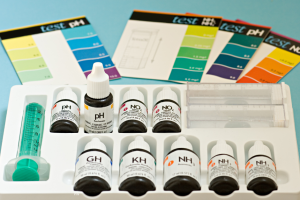
Water testing is based on scientific measurement of contaminants and water properties. It involves detecting chemical, biological, and physical parameters using specialized methods.
Common testing approaches include:
- Laboratory analysis
- Field testing kits
- Sensor-based monitoring
👉 Full testing guide:
Water Testing
Water Science Around the World
Scientific understanding of water quality varies across regions, influenced by research capacity, infrastructure, and environmental conditions.
Advancements in water science continue to improve global water safety and treatment technologies.
👉 Explore global water quality:
Global Water Quality
Related Drinking Water Topics
Key Takeaways
- Water science explains how water and contaminants interact
- Scientific principles guide water treatment and purification
- Understanding water properties helps interpret water quality
- Testing methods rely on scientific measurement
- Advances in water science improve global water safety
Final Thoughts
Water science is essential for understanding and managing drinking water quality. By learning the scientific principles behind contamination, treatment, and testing, individuals can make more informed decisions about water safety.
PureWaterAtlas provides in-depth explanations to help you better understand the science behind safe drinking water.
👉 Continue exploring:
Blog
👉 Explore scientific water concepts: Water Science Articles
Explore related topics
Water Science
Science-based articles explaining core concepts behind water quality and contamination.
Water Contamination
Key articles covering common contaminants, exposure pathways, and health implications.
Water Testing
Articles dedicated to water testing methods, detection tools, and result interpretation.