Introduction
Safe drinking water is one of the foundations of public health, yet microbial contamination remains a concern in both municipal and private water supplies. Among the most important issues is bacteria in drinking water removal, because harmful bacteria can enter water at the source, during distribution, or within household plumbing. While many bacteria are harmless, and some are naturally present in water environments, certain types can indicate fecal contamination or directly cause illness.
Understanding how bacterial contamination happens, how it is detected, and which treatment options work best can help homeowners, facility managers, and communities make informed decisions. Water quality problems are not always obvious. Clear, odorless water can still contain microorganisms, and contamination can vary over time depending on rainfall, infrastructure condition, source water vulnerability, and treatment performance.
This article explains the basics of bacterial contamination in drinking water, including common sources, health risks, testing methods, and practical control strategies. It also reviews bacteria in drinking water filtration methods, compares bacteria in drinking water treatment systems, discusses bacteria in drinking water best filters for different situations, and highlights why ongoing bacteria in drinking water maintenance is essential for long-term bacteria in drinking water effectiveness. For readers seeking broader background, helpful resources include water microbiology, water science, and this complete guide to bacteria in drinking water.
What It Is
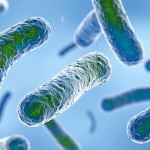
Bacteria are microscopic single-celled organisms found in soil, water, air, plants, animals, and the human body. In drinking water discussions, the term usually refers to bacterial contamination that may affect water safety. Not all bacteria in water are dangerous. In fact, many are naturally occurring environmental organisms that do not cause disease. The main concern is the presence of pathogenic bacteria or indicator bacteria that suggest contamination from sewage, animal waste, or other unsafe sources.
Water testing often focuses on indicator organisms such as total coliforms, fecal coliforms, and Escherichia coli (E. coli). These bacteria are used because they are easier to test for than every possible pathogen. Their presence can signal that disease-causing organisms may also be present. Total coliforms are a broad group of bacteria commonly found in the environment. They do not always indicate a health emergency, but they can suggest that the water system is vulnerable. E. coli, especially when found in treated drinking water, is a stronger indicator of fecal contamination and requires prompt attention.
Pathogenic bacteria that may contaminate drinking water include Salmonella, Shigella, Campylobacter, and certain strains of E. coli. Other bacteria, such as Legionella, can grow in building plumbing systems under specific conditions. Although Legionella is usually associated with inhalation of contaminated water droplets rather than drinking, its presence illustrates the broader issue of microbial growth within water systems.
It is also important to distinguish bacteria from other microbial contaminants. Drinking water can also contain viruses, protozoa, algae, and biofilm-associated microorganisms. Because of this, treatment plans should be based on a clear understanding of the specific contamination problem rather than assuming one method works for all microbes equally.
For a broader explanation of contamination types and risk indicators, readers may also explore this complete guide and related material in water microbiology.
Main Causes or Sources
Bacterial contamination can enter drinking water through many pathways. In general, contamination occurs when a water source or delivery system is exposed to fecal material, organic matter, untreated surface runoff, failing infrastructure, or conditions that allow microbial growth. The specific source depends on whether the water comes from a private well, spring, surface water intake, cistern, or municipal distribution network.
Contaminated source water
Wells, springs, lakes, rivers, and reservoirs can all be exposed to bacteria. Surface water sources are especially vulnerable because they are open to runoff from agricultural land, wildlife activity, septic system failures, and stormwater discharges. Groundwater from wells is often better protected naturally, but shallow, poorly constructed, or damaged wells can still be contaminated by nearby waste sources.
Septic system failure
One of the most common causes of bacterial contamination in private wells is a failing septic system. If wastewater is not properly treated and contained, bacteria can move through soil and reach groundwater. The risk is higher where wells and septic systems are too close together, soils are highly permeable, or the water table is shallow.
Agricultural and animal waste
Livestock operations, manure spreading, and runoff from agricultural land can introduce bacteria into both surface water and groundwater. Heavy rain or flooding can carry animal waste into streams, ponds, and recharge areas. Wildlife can also contribute contamination, especially in rural catchments and near uncovered storage systems.
Storms, flooding, and runoff
Extreme weather is a major driver of short-term contamination events. Flooding can overwhelm treatment systems, damage wellheads, submerge sanitary seals, and wash contaminants into water supplies. Runoff after intense rainfall can increase bacterial loads in source water dramatically, creating challenges for both municipal treatment plants and private users.
Distribution system failures
Even when water leaves a treatment plant in good condition, contamination can occur within the distribution system. Water main breaks, pressure loss, cross-connections, backflow incidents, aging pipes, and storage tank problems can allow bacteria to enter. Inadequate disinfectant residuals can also permit microbial survival or regrowth in the system.
Household plumbing and storage
Bacteria may colonize plumbing fixtures, dead-end pipe sections, water heaters, faucet aerators, and storage tanks. Biofilms can develop on pipe surfaces, especially when water stagnates or disinfectant levels are low. Private water storage systems, rainwater harvesting setups, and poorly maintained point-of-use devices can also become contamination sources if they are not cleaned and serviced regularly.
For additional discussion of contamination pathways, see causes and sources of bacteria in drinking water and related resources in global water quality.
Health and Safety Implications
The health significance of bacteria in drinking water depends on the type of bacteria present, the concentration, the duration of exposure, and the vulnerability of the person consuming the water. Some bacterial contamination causes no noticeable symptoms, while other exposures can result in acute gastrointestinal illness or serious infection.
Common symptoms linked to pathogenic bacterial contamination include:
- Diarrhea
- Nausea and vomiting
- Abdominal cramps
- Fever
- General weakness or dehydration
Most healthy adults recover from mild waterborne bacterial illness, but certain groups face higher risks. Infants, young children, older adults, pregnant individuals, and people with weakened immune systems are more vulnerable to severe outcomes. In these populations, contaminated water can lead to complications such as prolonged illness, hospitalization, or dangerous dehydration.
Indicator bacteria also matter even when they are not the direct cause of disease. For example, total coliforms may not themselves be highly harmful, but they can show that the integrity of a water system has been compromised. E. coli is especially important because it strongly suggests fecal contamination and the possible presence of pathogens from human or animal waste.
Beyond acute illness, bacterial contamination raises broader safety concerns. It may indicate infrastructure failure, treatment breakdown, source water vulnerability, or unsanitary conditions in storage and plumbing. When contamination is found, the response should not only focus on immediate disinfection but also on identifying the root cause and preventing recurrence.
In building systems, bacterial growth can also create risks beyond direct consumption. Organisms such as Legionella can proliferate in warm water systems and become hazardous through inhalation of aerosols. This highlights the need for comprehensive water management, especially in hospitals, hotels, schools, and large buildings.
More detail on illness pathways and exposure concerns can be found in health effects and risks of bacteria in drinking water.
Testing and Detection
Because bacteria cannot be seen with the naked eye, testing is essential. A water sample that looks clean may still be unsafe microbiologically. The best testing approach depends on whether the water source is private or public, whether contamination is suspected, and whether treatment equipment is already installed.
Common laboratory tests
The most widely used bacterial tests for drinking water include:
- Total coliform test: Screens for a broad group of indicator bacteria
- Fecal coliform test: Indicates contamination associated with warm-blooded animals
- E. coli test: A strong indicator of fecal contamination and urgent concern
- Heterotrophic plate count (HPC): Measures general bacterial population, often used operationally rather than as a direct health indicator
When testing should be done
Private well owners should test regularly, not only when there is an obvious problem. Annual bacterial testing is often considered a minimum, but more frequent testing may be appropriate after flooding, repairs, changes in taste or odor, nearby septic issues, or a positive test result. New wells, seasonal properties, and systems with a history of contamination should also be monitored carefully.
Municipal systems conduct routine regulatory sampling according to established schedules. However, building owners, schools, healthcare facilities, and industrial sites may need additional internal testing based on risk and system complexity.
Sampling matters
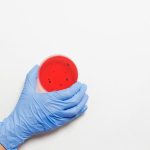
Accurate results depend on proper sample collection. Samples must be taken in sterile containers, often from a specific tap after following exact instructions. Contaminating the sample during collection can create false positives, while poor handling or transport can affect reliability. For this reason, laboratory guidance should be followed closely.
Interpreting results
A negative result for coliforms and E. coli is reassuring, but it reflects only the conditions at the time of sampling. Bacterial contamination may be intermittent. A positive result does not always mean widespread contamination, but it does mean follow-up is needed. Depending on the finding, the next steps may include repeat sampling, well inspection, shock chlorination, source protection measures, plumbing evaluation, or installation of continuous treatment.
Home test kits are available, but they vary in accuracy and usefulness. They may be helpful for screening, yet confirmation through a certified laboratory is generally the most reliable approach, especially when health decisions or regulatory compliance are involved.
Prevention and Treatment
Effective bacteria in drinking water removal depends on matching the treatment method to the contamination source, water chemistry, flow demand, and level of protection needed. The best strategy usually combines source protection, testing, physical barriers, disinfection, and routine upkeep. No treatment device can compensate indefinitely for a badly compromised water source or neglected system.
Source protection and prevention
Prevention is the first line of defense. Keeping contaminants out of the water supply is usually more reliable and cost-effective than removing them later. Key preventive actions include:
- Maintaining proper separation between wells and septic systems
- Ensuring wells have intact caps, sanitary seals, and proper grading
- Inspecting for cracks, flooding, or surface water entry points
- Protecting source water from runoff, manure, and chemical storage
- Repairing leaks and pressure issues in plumbing and distribution systems
- Reducing stagnation in storage tanks and rarely used pipes
Shock chlorination
Shock chlorination is often used after a positive bacterial test in a private well, especially after repairs or flooding. This involves introducing a strong chlorine solution into the well and plumbing system to disinfect surfaces and water. It can be useful as a corrective measure, but it is not always a permanent solution. If contamination is ongoing due to source vulnerability or structural problems, bacteria may return.
Continuous disinfection systems
For recurring contamination or higher-risk supplies, continuous treatment is often necessary. Common bacteria in drinking water treatment systems include:
- Ultraviolet (UV) disinfection
- Chlorination systems
- Ozonation
- Combined filtration and disinfection setups
Ultraviolet disinfection
UV systems are among the most popular options for bacterial control in residential settings. UV light damages microbial DNA, preventing bacteria from reproducing. Properly sized and maintained UV systems can be highly effective against bacteria, viruses, and some protozoa. However, UV does not remove particles, sediment, or chemical contaminants, and it does not provide a residual disinfectant in the pipes after treatment.
For UV to perform well, the water generally needs to be clear enough for light to penetrate. Pretreatment may be necessary if the water has turbidity, hardness scaling potential, iron, or manganese. When discussing bacteria in drinking water effectiveness, UV can be excellent, but only if water quality conditions and maintenance requirements are respected.
Chlorination
Chlorine is a well-established disinfectant used in both municipal and private systems. It can inactivate many bacteria and provides residual protection as water moves through plumbing. This residual is one reason chlorination remains important in larger systems. Chlorination can be applied through feed pumps, solution tanks, tablets in some specialty systems, or other dosing methods, often followed by retention time and optional carbon filtration to improve taste and odor.
Its effectiveness depends on dose, contact time, pH, temperature, and the amount of organic matter in the water. Chlorination may also lead to disinfection byproducts if source water contains certain precursors, so system design and monitoring matter.
Ozone and advanced methods
Ozone is a powerful oxidant and disinfectant used in some larger or specialized water treatment applications. It can be very effective microbiologically, but it is more complex and less common for small residential systems. Advanced systems may combine oxidation, filtration, and disinfection for greater overall control.
Bacteria in drinking water filtration methods
Filtration can support bacterial control, but it is important to understand what a filter can and cannot do. Standard sediment filters remove dirt, rust, and suspended particles, yet they do not reliably kill bacteria. Their main value is often pretreatment: they protect downstream disinfection equipment and improve UV performance by reducing turbidity.
Common bacteria in drinking water filtration methods include:
- Sediment filtration: Removes larger particles; not a stand-alone bacterial solution
- Absolute microfiltration or ultrafiltration: Can physically reduce bacteria depending on pore size and certification
- Activated carbon: Improves taste and odor but is not primarily a bacterial barrier unless part of a certified integrated system
- Reverse osmosis: Can reduce many contaminants, including some microorganisms, but usually treats only a single tap and requires proper maintenance
When selecting a system, look for third-party testing or certification showing the unit is intended for microbial reduction. Marketing language can be misleading. A “water purifier” or “filter” is not automatically appropriate for bacterial contamination unless its performance claims are clearly supported.
Bacteria in drinking water best filters
The phrase bacteria in drinking water best filters does not point to one universal product. The best option depends on the situation:
- For a private well with occasional bacterial contamination, a properly pretreated UV system is often one of the strongest choices for whole-house protection.
- For water with both turbidity and bacterial issues, sediment pretreatment combined with UV or chlorination may be better than filtration alone.
- For point-of-use treatment in emergencies or remote settings, microbiologically rated filters or purifiers may help, but household flow needs and certification should be verified.
- For municipal water with residual disinfection already present, a simple point-of-use device may be unnecessary unless there is a site-specific issue.
Maintenance and long-term performance
Bacteria in drinking water maintenance is critical. Even a high-quality system can fail if lamps burn out, filters clog, flow rates exceed design limits, chlorine feed systems drift out of calibration, or sleeves and chambers become fouled. Maintenance tasks may include:
- Replacing UV lamps on schedule
- Cleaning quartz sleeves and inspecting sensors
- Changing prefilters and cartridges at recommended intervals
- Checking chlorine solution levels and pump function
- Sanitizing storage tanks and plumbing when needed
- Retesting water routinely to confirm performance
In practical terms, bacteria in drinking water effectiveness is not just about the technology itself. It depends on source conditions, pretreatment, sizing, installation quality, operator knowledge, and consistent follow-up.
Common Misconceptions
Misunderstandings about water safety can lead people to underestimate microbial risks or choose ineffective treatment methods. Several myths appear frequently.
If water is clear, it is safe
This is false. Bacteria are microscopic and often do not change the appearance, taste, or smell of water. Only proper testing can confirm whether indicator bacteria are present.
Any filter removes bacteria
Not all filters are designed for microbial reduction. Basic sediment and carbon filters can improve appearance and taste while doing little or nothing to disinfect water. Some poorly maintained filters can even support bacterial growth in trapped organic matter.
Boiling and treatment systems are the same thing
Boiling is an effective short-term emergency method for killing many microorganisms, but it is not a practical permanent treatment solution for whole-house use. It also does not address recontamination in plumbing or improve source protection.
One successful disinfection solves the problem forever
Shock chlorination may temporarily eliminate bacteria, but if the source remains exposed, contamination can return. Structural repairs, source protection, and ongoing monitoring are often necessary.
Municipal water never has bacterial issues
Public water systems are heavily regulated and generally safe, but they are not immune to contamination incidents. Main breaks, treatment interruptions, distribution failures, and building plumbing problems can all create risk under certain conditions.
More disinfectant is always better
Excess chemical dosing can create taste issues, corrosion problems, or undesirable byproducts. Treatment must be properly designed, monitored, and balanced with water chemistry.
Regulations and Standards
Drinking water regulations vary by country and region, but most modern frameworks use microbiological standards based on indicator organisms and treatment performance requirements. In many jurisdictions, E. coli in treated drinking water is considered unacceptable and triggers immediate corrective action. Total coliform findings may lead to repeat sampling, system investigation, or treatment review depending on the system type and legal framework.
Public water systems are generally required to monitor routinely, maintain treatment barriers, document results, and notify users when standards are not met. Regulations may address source water protection, treatment technique requirements, disinfectant residuals, distribution integrity, and response protocols such as boil water advisories.
Private wells, however, are often less regulated than municipal supplies. In many places, the owner is responsible for testing, maintenance, and treatment decisions. This difference is important because private well users may assume their water is monitored by authorities when it is not. Education and regular testing are therefore especially important.
Product standards also matter when choosing treatment equipment. Reputable systems often undergo third-party certification or testing to verify claims related to microbial reduction, structural integrity, and material safety. Buyers should review certification details carefully rather than relying solely on advertising language.
Regulations continue to evolve in response to climate impacts, aging infrastructure, and new understanding of microbial risk. Broader context on water quality management can be found in global water quality and water science.
Conclusion
Bacterial contamination in drinking water is a serious issue, but it is also one that can be managed effectively with the right knowledge and tools. The key steps are understanding what the test results mean, identifying the contamination source, selecting appropriate bacteria in drinking water treatment systems, and maintaining those systems over time. No single device solves every problem, and successful bacteria in drinking water removal depends on a combination of prevention, monitoring, and properly matched treatment.
For some households, periodic testing and source protection may be enough. For others, recurring contamination calls for continuous disinfection such as UV or chlorination, often supported by pretreatment and regular service. When evaluating bacteria in drinking water filtration methods or comparing bacteria in drinking water best filters, it is essential to look beyond marketing claims and focus on certified performance, proper installation, and long-term bacteria in drinking water maintenance. Ultimately, the real measure of bacteria in drinking water effectiveness is not only whether a system works on paper, but whether it continues to protect health day after day.
Readers who want to continue learning can explore the complete guide to bacteria in drinking water, review causes and sources, examine health effects and risks, and browse related material in water microbiology, water science, and global water quality.
Read the full guide: Water Microbiology Guide
Explore more in this category: Water Microbiology Articles