
Introduction
Clean drinking water is often taken for granted, yet water quality can change significantly between the source, treatment plant, household plumbing, and the glass on a kitchen counter. When water becomes contaminated, the consequences range from unpleasant taste and odor to serious short-term and long-term illness. Understanding the health risks of contaminated water best filters can help households make informed decisions about testing, treatment, maintenance, and ongoing safety.
Water contamination is not a single problem with a single solution. Microorganisms, heavy metals, industrial chemicals, agricultural runoff, and byproducts of water disinfection can each create different hazards. Because these hazards vary, no filter type is universally ideal for every home or building. The best approach depends on what is actually present in the water, how much of it is there, and whether the issue affects drinking water only or the whole household supply.
This article explains what contaminated water is, where contamination comes from, how it affects health, how it is detected, and how major filtration and treatment options compare. It also covers practical topics such as maintenance, buying decisions, common myths, and relevant standards. For broader context, readers can also explore drinking water safety, a more comprehensive overview at this complete guide, source-specific information at causes and sources, and health-focused details at health effects and risks. Scientific background is also available in water science and water microbiology.
What It Is
Contaminated water is water that contains substances or organisms at levels that may make it unsafe, unhealthy, or unsuitable for drinking, cooking, bathing, or other daily uses. Contamination can be biological, chemical, physical, or radiological.
Major categories of water contamination
- Biological contaminants: bacteria, viruses, protozoa, and parasites such as E. coli, Giardia, and Cryptosporidium.
- Chemical contaminants: lead, arsenic, nitrate, pesticides, solvents, PFAS, chlorine byproducts, and industrial compounds.
- Physical contaminants: sediment, rust, suspended solids, and organic matter that may affect clarity and sometimes harbor microbes.
- Radiological contaminants: radon, uranium, and other radioactive substances that may occur naturally in some groundwater sources.
Not all contamination is visible. Water can look clear, smell normal, and still contain harmful substances. Likewise, bad-tasting water is not always dangerous, though taste and odor problems often signal the need for further testing.
The meaning of “safe water” also depends on use. Water that is acceptable for bathing may not be suitable for drinking. Water that passes a basic municipal standard may still contain contaminants that a medically vulnerable person, infant, or pregnant individual should avoid. This is why treatment choices should be based on evidence and risk rather than assumptions.
Main Causes or Sources
Water can become contaminated at the source, during treatment, in distribution systems, or inside a building’s plumbing. Understanding the source helps identify the most effective treatment strategy.
Natural sources
Some contaminants occur naturally in soil and rock. Groundwater may dissolve minerals and metals as it passes through underground formations. Arsenic, fluoride, uranium, manganese, sulfur compounds, and iron can all come from geological sources. While some minerals are harmless or even beneficial in small amounts, others may pose health concerns at elevated levels.
Agricultural runoff
Farms can contribute nitrates, phosphates, manure, pesticides, herbicides, and microbial pathogens to nearby water bodies and shallow groundwater. Nitrates are a particular concern for infants because high levels can interfere with oxygen transport in the blood.
Industrial and commercial pollution
Manufacturing sites, mining operations, landfills, dry cleaners, and chemical storage areas may release solvents, heavy metals, petroleum products, and persistent chemicals into soil and water. PFAS, sometimes called “forever chemicals,” have drawn attention because they can persist in the environment and may accumulate over time.
Municipal infrastructure and treatment issues
Public water systems treat water to meet regulatory standards, but contamination can still occur through aging pipes, treatment failures, main breaks, storage issues, or contamination events. Disinfectants such as chlorine are essential for controlling pathogens, yet they can also react with organic matter and form disinfection byproducts.
Household plumbing
Water that leaves a treatment plant in acceptable condition can still pick up contaminants inside a building. Corrosion of old plumbing can release lead, copper, iron, or other metals. Stagnant water in pipes, fixtures, or water heaters may encourage bacterial growth, especially if hot water temperatures are too low or fixtures are rarely used.
Private wells
Private wells are especially vulnerable because they are not routinely monitored by public utilities. Contamination may come from nearby septic systems, surface runoff, flooding, animal waste, agricultural inputs, or changes in groundwater chemistry. Homeowners with wells are responsible for testing and treatment.
Health and Safety Implications
The health effects of contaminated water depend on the contaminant type, concentration, exposure duration, and individual susceptibility. Some effects appear quickly, while others develop over years.
Microbial contamination risks
Bacteria, viruses, and parasites are among the most immediate dangers in water. They can cause gastrointestinal illness, including diarrhea, vomiting, cramps, fever, and dehydration. In severe cases, especially among infants, older adults, pregnant individuals, and immunocompromised people, waterborne illness can lead to hospitalization.
- E. coli and coliform-related concerns: may indicate fecal contamination and possible presence of pathogens.
- Giardia and Cryptosporidium: protozoa that can survive in the environment and cause persistent digestive symptoms.
- Viruses: such as norovirus or hepatitis A may spread through contaminated water under poor sanitation conditions.
Heavy metals and chronic exposure
Metals in drinking water can cause subtle but serious long-term harm. Lead is particularly dangerous because even low exposure may affect brain development in children and contribute to cardiovascular and kidney problems in adults. Arsenic has been linked to skin changes, vascular disease, and increased cancer risk with long-term exposure. Excess manganese may pose neurological concerns, especially for children.
Nitrate and infant risk
Nitrate contamination is a critical issue in agricultural areas and some private wells. In infants, high nitrate exposure can lead to methemoglobinemia, sometimes called “blue baby syndrome,” which reduces the blood’s ability to carry oxygen. Pregnant women and households preparing infant formula should be especially cautious with well water unless it has been tested.
Chemicals and emerging contaminants
Pesticides, industrial solvents, and PFAS may affect hormonal systems, liver function, immune response, and other body systems depending on the specific compound and exposure level. Many of these chemicals are colorless and odorless, which makes testing essential.
Disinfection byproducts
Municipal disinfection protects against acute disease outbreaks, but under some conditions, chlorine or other disinfectants can form byproducts such as trihalomethanes and haloacetic acids. These are typically regulated, but households with specific concerns may seek additional point-of-use treatment.
Indirect safety concerns
Even when contaminants do not cause obvious illness immediately, poor water quality can affect hydration, food preparation, infant feeding, medication use, and confidence in the water supply. Some households may turn to bottled water unnecessarily, increasing cost and waste, when targeted filtration could address the issue more effectively.
Testing and Detection
Testing is the foundation of safe and cost-effective water treatment. Buying a filter without knowing the problem can lead to wasted money and false reassurance.
How water is tested
Water testing may include laboratory analysis, utility water quality reports, field test kits, and in some cases professional site assessments. Public water systems usually provide annual consumer confidence reports, but these reports describe the system overall and may not reflect water quality at a specific tap in an older building.
What to test for
The right testing panel depends on the water source and local risks. Common parameters include:
- Coliform bacteria and E. coli
- Lead and copper
- Arsenic, iron, manganese, and other metals
- Nitrate and nitrite
- PFAS where relevant
- Pesticides and volatile organic compounds in vulnerable areas
- Hardness, pH, total dissolved solids, and sediment
When to test
- Private wells: at least annually for bacteria, nitrates, and other region-specific concerns.
- Homes with old plumbing: especially when lead service lines or lead solder may be present.
- After flooding, repairs, or unusual taste and odor changes: to rule out contamination events.
- Before buying treatment equipment: so the system matches the actual risk.
Interpreting results
A water test should be compared with health-based guidelines, local regulations, and product performance certifications. The presence of a contaminant does not automatically mean a crisis, but it does mean treatment options should be reviewed carefully. Conversely, a single clean test does not guarantee permanent safety, especially for wells or unstable plumbing conditions.
Prevention and Treatment
Effective water protection starts with source control and plumbing management, then adds targeted treatment when needed. The health risks of contaminated water treatment comparison is important because different technologies address different contaminants.
Basic prevention strategies
- Test water regularly, especially from private wells.
- Flush taps after water has been sitting in pipes for long periods.
- Replace corroded plumbing and identify lead service lines.
- Protect wells from flooding, runoff, and septic leakage.
- Maintain water heaters, storage tanks, and fixtures to reduce bacterial growth.
Carbon filters
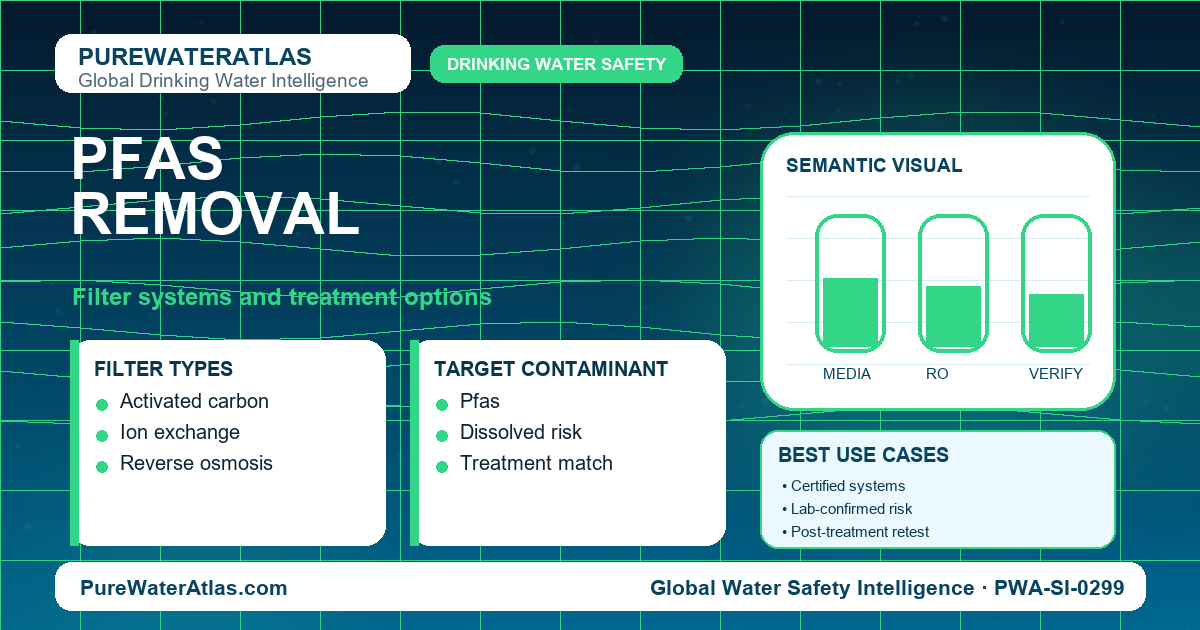
Health risks of contaminated water carbon filters are often discussed because activated carbon is one of the most common and accessible treatment options. Carbon filters can improve taste and odor and reduce many organic chemicals, chlorine, and some disinfection byproducts. They are available in pitcher filters, faucet-mounted devices, under-sink cartridges, and whole-house systems.
Best use cases:
- Chlorine taste and odor
- Some pesticides and volatile organic compounds
- Certain PFAS, depending on filter design and certification
- Improving overall palatability of municipally treated water
Limitations:
- Not reliable for dissolved salts, many metals, or nitrate unless specifically combined with other media
- Not a substitute for microbiological disinfection unless the product is certified for that purpose
- Performance declines if cartridges are not replaced on schedule
Activated carbon is often an excellent point-of-use option for households with treated municipal water that mainly needs improvement in taste, odor, and selected chemical reduction.
Reverse osmosis systems
Health risks of contaminated water reverse osmosis systems are frequently evaluated because reverse osmosis, or RO, can remove a broad range of dissolved contaminants. RO uses a semipermeable membrane to reduce many salts, metals, nitrates, fluoride, and some organic compounds. It is commonly installed under the sink and paired with prefilters and a storage tank.
Best use cases:
- Lead, arsenic, and other dissolved metals
- Nitrate and nitrite
- High total dissolved solids
- Broad-spectrum point-of-use drinking water treatment
Limitations:
- Produces wastewater during operation
- May remove beneficial minerals along with harmful ones
- Requires routine maintenance and membrane replacement
- Usually treats only one tap unless installed as a more complex whole-house system
For households with challenging well water or specific chemical contamination, RO is often among the best point-of-use options when properly sized and maintained.
Ultraviolet disinfection
UV systems use ultraviolet light to inactivate microorganisms. They are useful when the main risk is bacterial or viral contamination, especially in private wells. However, UV does not remove sediment, metals, chemicals, or dead microbial particles, so pretreatment is often needed.
Sediment filters
Sediment filters remove rust, sand, silt, and particulate matter. They are valuable as prefilters to protect other equipment and improve clarity, but they are not designed to remove dissolved contaminants. They should be viewed as one layer in a treatment train rather than a complete solution.
Ion exchange and water softening
Ion exchange systems are commonly used for hardness, but specialized resins can also target nitrate, uranium, or certain metals. Standard softeners are not all-purpose purifiers. They improve scale control and appliance life but do not replace treatment for bacteria or complex chemical contamination.
Distillation
Distillation boils water and condenses the steam, leaving many contaminants behind. It can be effective for certain dissolved substances, but it is slow, energy-intensive, and not always practical for large household demand.
Whole-house versus point-of-use treatment
A key part of the health risks of contaminated water buying guide is deciding where treatment should occur.
- Point-of-use systems: treat water at a specific tap, usually for drinking and cooking. Best for contaminants mainly relevant to ingestion.
- Whole-house systems: treat all incoming water. Best for sediment, sulfur odors, hardness, or contaminants that may affect bathing, laundry, or plumbing infrastructure.
In many homes, the best solution is a combination: for example, sediment filtration and UV at the main line plus RO at the kitchen sink.
How to choose the best filter
When evaluating the health risks of contaminated water best filters, focus on fit rather than marketing claims. A reliable buying process includes:
- Testing the water first
- Matching the filter to the contaminant
- Checking third-party certifications such as NSF/ANSI standards where applicable
- Confirming flow rate, capacity, and installation requirements
- Reviewing long-term replacement costs, not just purchase price
Filter maintenance matters
Health risks of contaminated water filter maintenance is a major issue because even a high-quality system can fail if neglected. Filters do not last indefinitely. Media becomes exhausted, membranes foul, and housings can accumulate biofilm if service intervals are ignored.
Good maintenance practices include:
- Replacing cartridges on the manufacturer’s schedule or sooner if water quality worsens
- Sanitizing housings during filter changes when recommended
- Monitoring pressure drop and flow changes
- Changing RO membranes and prefilters at proper intervals
- Replacing UV lamps annually or according to specifications
- Keeping written maintenance records
A neglected filter may stop removing contaminants effectively and, in some cases, can contribute to microbial growth. Maintenance is not optional; it is part of the treatment itself.
Common Misconceptions
If water is clear, it is safe
This is one of the most common myths. Many dangerous contaminants, including lead, nitrate, arsenic, and some pathogens, are invisible. Appearance alone cannot confirm safety.
Boiling water solves every contamination problem
Boiling is useful for emergency microbial concerns, but it does not remove metals, nitrates, PFAS, or most chemical pollutants. In some cases, boiling can actually concentrate dissolved contaminants as water evaporates.
All filters do the same job
Different filters are designed for different contaminants. A carbon pitcher filter may improve taste and remove some chlorine, but it will not necessarily address arsenic or nitrate. A reverse osmosis system may remove a much broader range of dissolved contaminants but may not be necessary for every household.
Municipal water never needs additional treatment
Public water systems are essential and generally well regulated, but local plumbing, taste concerns, lead service lines, and specific household health needs may justify additional point-of-use treatment.
More expensive always means better
Cost does not guarantee performance. The best system is the one that is certified or documented to reduce the specific contaminant of concern, is correctly installed, and is consistently maintained.
Regulations and Standards
Water safety is guided by national and local regulations, public health recommendations, and product testing standards. These frameworks help consumers understand what is monitored and what treatment devices can realistically do.
Public water standards
In many countries, public water systems must comply with legal limits for microbiological contaminants, metals, disinfection byproducts, and other substances. In the United States, for example, the Environmental Protection Agency sets enforceable standards for public water systems under the Safe Drinking Water Act. Utilities monitor and report many contaminants, though not every possible substance is regulated in the same way.
Private wells
Private wells often fall outside direct public utility regulation. That means owners are responsible for testing, maintenance, and treatment. This regulatory gap is one reason well owners should be proactive about annual testing and equipment upkeep.
Filter certification standards
When purchasing treatment systems, independent certification is valuable. NSF/ANSI standards commonly address categories such as aesthetic effects, lead reduction, cyst reduction, reverse osmosis performance, and other contaminant-specific claims. A product should ideally be certified for the exact reduction claim that matters to the user.
Why standards matter for buyers
Standards reduce uncertainty. They help distinguish proven treatment devices from vague marketing promises. For anyone following a health risks of contaminated water buying guide, certified performance, transparent testing data, and clear maintenance instructions should carry more weight than broad claims such as “purest water” or “complete protection.”
Conclusion
Contaminated water can pose immediate and long-term health threats, but effective protection is possible when households combine testing, source awareness, appropriate treatment, and regular maintenance. The most important lesson is that water treatment should be specific to the contaminants present. There is no universal device that solves every problem equally well in every setting.
For many municipal water users, activated carbon offers an affordable way to reduce chlorine, improve taste, and address some chemical concerns. For households facing dissolved metals, nitrate, or broader chemical contamination, reverse osmosis is often one of the strongest point-of-use solutions. Where microbes are the primary issue, ultraviolet disinfection or other microbiological treatment may be necessary. In more complex cases, layered treatment systems provide the best protection.
Anyone researching the health risks of contaminated water best filters should begin with a water test, compare technologies based on the actual results, verify independent certifications, and plan for the real cost of upkeep. Safe water is not just about buying equipment. It is about choosing the right equipment, installing it correctly, and maintaining it reliably over time.
With the right information and a practical strategy, households can significantly reduce exposure risks and improve confidence in the water they drink every day.
Read the full guide: Drinking Water Safety Guide
Explore more in this category: Drinking Water Safety Articles