
Introduction
Safe water is essential for life, yet millions of people worldwide are exposed to water that contains harmful biological, chemical, or physical contaminants. Understanding the health risks of contaminated water causes and sources is a critical step toward protecting households, schools, workplaces, and communities. Water may appear clear, taste normal, and still contain microorganisms, heavy metals, industrial chemicals, or other pollutants capable of causing both immediate illness and long-term disease.
Contaminated water can affect people through drinking, cooking, bathing, washing produce, preparing infant formula, and even inhaling aerosols generated by showers or cooling systems. The danger depends on the type and concentration of the contaminant, the duration of exposure, and the vulnerability of the exposed person. Infants, older adults, pregnant individuals, and people with weakened immune systems are often at the highest risk.
This article explains what contaminated water is, where it comes from, how it harms health, and how contamination can be identified and prevented. It also explores the health risks of contaminated water common sources, highlights major health risks of contaminated water risk factors, reviews health risks of contaminated water detection methods, and outlines practical approaches to health risks of contaminated water prevention. Readers seeking broader context may also find useful background in drinking water safety resources, the complete guide to contaminated water risks, and articles in water science.
What It Is
Contaminated water is water that contains substances or organisms that make it unsafe or less safe for human use. These contaminants may be naturally occurring or introduced through human activity. The contamination can be temporary, such as during flooding, or persistent, such as in areas with aging pipes or polluted groundwater.
Water contamination is typically grouped into several broad categories:
- Biological contaminants: Bacteria, viruses, protozoa, parasites, and algae.
- Chemical contaminants: Pesticides, fertilizers, solvents, petroleum products, disinfection byproducts, and industrial chemicals.
- Heavy metals and inorganic substances: Lead, arsenic, mercury, cadmium, nitrates, fluoride, and copper.
- Physical contaminants: Sediment, microplastics, and particulate matter that alter water clarity or carry other pollutants.
- Radiological contaminants: Radon, uranium, and radioactive elements that may enter groundwater from geological sources.
Not all contaminated water causes immediate symptoms. Some exposures lead to acute illness within hours or days, while others contribute to chronic conditions that emerge only after months or years. This is why contamination is a public health issue, not merely a taste or odor problem.
The degree of risk also depends on how the water is used. Drinking and cooking usually create the greatest exposure, but bathing, cleaning, and inhalation of water mist can also matter. For example, health risks of contaminated water household exposure can include swallowing water during bathing, using contaminated ice, preparing baby formula, or breathing in aerosolized bacteria from poorly maintained plumbing systems.
Water can become contaminated at any point along its journey:
- At the source, such as rivers, lakes, aquifers, or reservoirs
- During treatment, if treatment fails or is insufficient
- In distribution systems, due to pipe breaks, corrosion, or biofilm growth
- At the point of use, through storage tanks, faucets, filters, or household plumbing
Because contamination can occur at multiple stages, water safety requires both system-wide management and household awareness.
Main Causes or Sources
The health risks of contaminated water causes and sources are diverse and often interconnected. Pollution from agriculture, industry, poor sanitation, natural geology, and failing infrastructure all contribute to unsafe water supplies. In many settings, several sources act together, increasing total risk.
Microbial Contamination from Human and Animal Waste
One of the most common and dangerous causes of water contamination is fecal pollution. Human sewage, leaking septic systems, open defecation, livestock runoff, and wildlife waste can introduce pathogens into rivers, wells, and storage systems. These pathogens include E. coli, Salmonella, Shigella, Campylobacter, norovirus, hepatitis A, Giardia, and Cryptosporidium.
Fecal contamination is especially likely after heavy rainfall, flooding, sewer overflows, or breakdowns in sanitation systems. In rural areas, shallow wells located too close to septic systems or animal enclosures may be highly vulnerable.
Agricultural Runoff
Modern agriculture can affect water quality through the use of fertilizers, pesticides, herbicides, and manure. Rainfall or irrigation can wash these materials into streams, lakes, and groundwater. Nitrate contamination is a major concern, particularly in farming regions where fertilizers are used heavily. Elevated nitrates in drinking water are associated with serious health concerns, especially in infants.
Agricultural runoff can also contribute to algal blooms in lakes and reservoirs. Some algae produce toxins that may affect the liver, nervous system, or skin, and these toxins can complicate drinking water treatment.
Industrial and Commercial Pollution
Factories, mining operations, chemical plants, refineries, dry cleaners, and manufacturing facilities can release hazardous substances into the environment. These pollutants may include solvents, petroleum compounds, PFAS, heavy metals, acids, and other toxic chemicals. Some are spilled suddenly in accidents; others leak gradually from waste lagoons, landfills, or contaminated soil.
Industrial contamination may persist for years because some chemicals do not break down easily. Groundwater contamination is particularly difficult to detect and expensive to remediate once it spreads.
Corroded Plumbing and Aging Infrastructure
Even if water leaves a treatment plant in good condition, it may become contaminated while traveling through old pipes or household plumbing. Corrosion can release lead, copper, iron, and other materials into drinking water. This is a major issue in older buildings with lead service lines, lead solder, or brass fixtures containing lead.
Pipe breaks and pressure losses can also allow contaminants to enter the distribution system. Water storage tanks, dead-end pipes, and poorly maintained plumbing may encourage bacterial growth and biofilm formation.
Natural Geological Sources
Some contaminants occur naturally in rock and soil and can dissolve into groundwater. Arsenic, fluoride, manganese, uranium, and radon are examples. Natural contamination may be especially significant in private wells, where routine testing is often the owner’s responsibility.
Because these substances are naturally occurring, they may be overlooked. Yet long-term exposure can be harmful even when the water looks, smells, and tastes normal.
Stormwater, Flooding, and Extreme Weather
Climate-related events can worsen the health risks of contaminated water common sources. Floodwaters may carry sewage, fuel, pesticides, debris, and industrial waste into drinking water sources. Drought can concentrate contaminants in shrinking water supplies. Wildfires can alter watersheds and increase sediment, ash, and chemical runoff into reservoirs.
Extreme weather also places stress on treatment plants and distribution systems, increasing the chance of service interruptions and contamination incidents.
Improper Storage and Household Contamination
Contamination does not only happen at the municipal level. Water stored in unclean containers, rooftop tanks, or household cisterns may become unsafe. Point-of-use filters that are not maintained properly can also become breeding grounds for bacteria rather than barriers against contamination.
Examples of health risks of contaminated water household exposure include:
- Using unwashed refill containers for drinking water
- Storing water in open buckets that attract insects or dust
- Failing to replace water filters on schedule
- Using private wells without routine inspection and testing
- Cross-connections between potable water and non-potable systems
Health and Safety Implications
The effects of contaminated water range from mild gastrointestinal upset to severe infections, neurological injury, organ damage, developmental problems, and cancer. The seriousness of harm depends on the contaminant and the person exposed. Reviewing the health effects and risks of contaminated water can help place these impacts in a broader public health context.
Acute Infectious Illness
Microbial contamination often causes acute disease. Symptoms may include diarrhea, vomiting, abdominal cramps, fever, nausea, dehydration, and fatigue. For most healthy adults, some infections are self-limited, but for children, older adults, and immunocompromised individuals, they can become life-threatening.
Common waterborne illnesses include:
- Gastroenteritis caused by bacteria or viruses
- Giardiasis and cryptosporidiosis from protozoa
- Typhoid fever and cholera in areas with poor sanitation
- Hepatitis A through fecally contaminated water
Even short-term outbreaks can overwhelm local health systems and disrupt schools, workplaces, and food service operations.
Heavy Metal Toxicity
Heavy metals pose major long-term health concerns. Lead exposure is especially damaging for infants and children because it can impair brain development, reduce IQ, affect behavior, and contribute to learning problems. In adults, lead exposure is linked to high blood pressure, kidney damage, and reproductive issues.
Arsenic exposure over time is associated with skin lesions, cardiovascular disease, diabetes, and increased risk of certain cancers. Mercury and cadmium may affect the nervous system and kidneys. The danger of these contaminants is that they often produce no immediate warning signs.
Chemical Exposure and Chronic Disease
Chemical pollutants in water may interfere with hormones, damage organs, or raise the risk of chronic disease. Pesticides and industrial chemicals can affect the liver, kidneys, immune system, and nervous system. Some substances are suspected or known carcinogens.
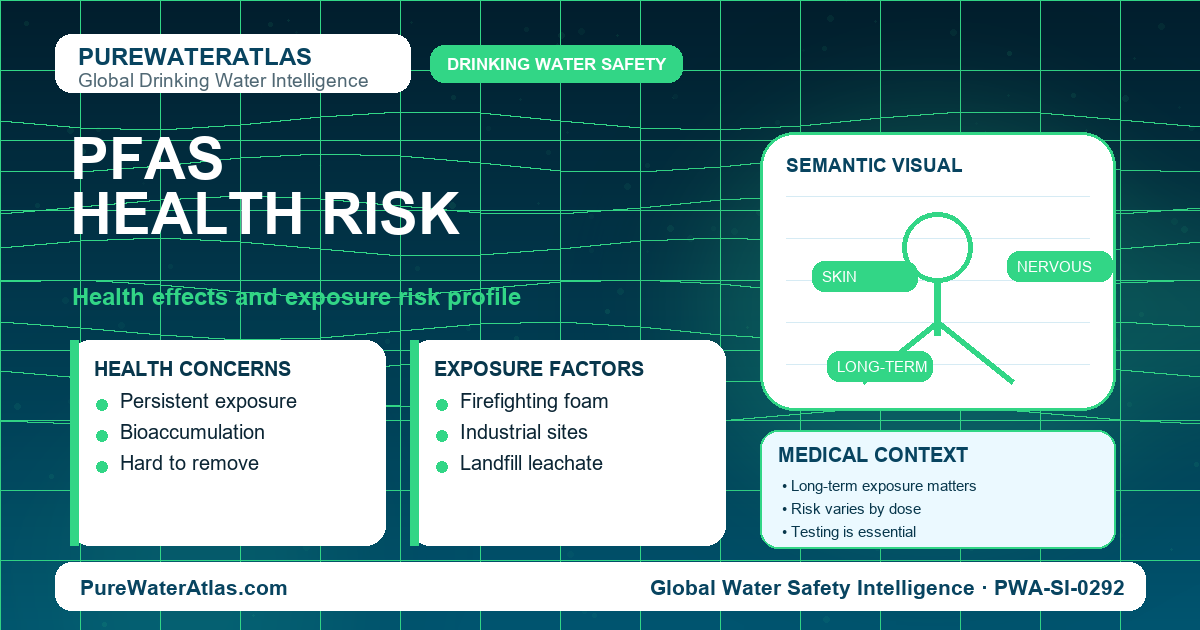
PFAS, often called “forever chemicals,” have become a growing concern due to their persistence in the environment and potential links to developmental effects, immune changes, cholesterol abnormalities, and certain cancers. Long-term exposure, even at relatively low levels, is an area of intense scientific and regulatory attention.
Nitrate and Infant Risk
Nitrate contamination in drinking water is particularly dangerous for infants. High nitrate levels can interfere with oxygen transport in the blood and contribute to methemoglobinemia, sometimes called “blue baby syndrome.” This condition can be serious or fatal if not recognized quickly.
Private wells in agricultural areas are often a concern, especially if tested infrequently. Pregnant individuals and families using formula should be especially cautious about water quality.
Skin, Eye, and Respiratory Effects
Contaminated water can also cause irritation beyond ingestion. Bathing or washing in polluted water may trigger skin rashes, eye irritation, or wound infections. Inhalation of contaminated aerosols can expose people to organisms such as Legionella, which can cause severe pneumonia.
This is why the health risks of contaminated water risk factors include not only what is in the water, but also how it is used and whether aerosols are generated in showers, spas, cooling towers, or decorative fountains.
Psychological and Community Impacts
Water contamination incidents also have social and mental health consequences. Residents may lose trust in public systems, experience anxiety about bathing or cooking, and face financial strain from purchasing bottled water or installing treatment systems. Schools, hospitals, and businesses may be forced to modify operations during advisories or outbreaks.
Thus, contaminated water is not only a medical problem but also an environmental, economic, and community resilience issue.
Testing and Detection
Because contamination is often invisible, health risks of contaminated water detection depends on systematic testing rather than appearance alone. Water that looks clean may still contain dangerous pathogens, lead, nitrates, or industrial chemicals. More detailed technical information is available in this guide to testing and detection methods.
Why Visual Inspection Is Not Enough
Cloudiness, unusual color, stains, odor, or taste may suggest a problem, but they are unreliable indicators. Some harmful contaminants have no obvious signs, while some unpleasant tastes are not serious health threats. Relying only on smell or clarity can create false reassurance.
Common Testing Approaches
Water testing may be performed by utilities, public health agencies, certified laboratories, or homeowners using approved kits for screening. Common analyses include:
- Microbial testing: Total coliforms, fecal coliforms, E. coli, and specific pathogens
- Chemical testing: Nitrates, pesticides, solvents, disinfection byproducts, and PFAS
- Metal testing: Lead, arsenic, copper, mercury, and manganese
- Physical parameters: pH, turbidity, conductivity, hardness, and total dissolved solids
- Radiological testing: Radon, uranium, and gross alpha or beta activity where relevant
Municipal Water Monitoring
Public water systems are generally required to test for regulated contaminants at defined intervals. The frequency depends on the contaminant, source type, population served, and previous results. Results are typically summarized in consumer confidence reports or equivalent public notices.
However, utility monitoring does not eliminate household risk. Contamination from lead plumbing, stagnant water, or building-specific systems may occur after the water leaves the main supply line.
Private Well Testing
Private wells are not usually regulated in the same way as municipal systems, making owner vigilance essential. Well owners should test regularly for bacteria, nitrates, and any contaminants known to occur locally, such as arsenic or uranium. Testing is especially important:
- When a well is newly installed
- After flooding or major repairs
- When water changes in taste, smell, or appearance
- When a household member develops recurring gastrointestinal illness
- When nearby land use changes, such as new farming or construction activity
Sampling Matters
Accurate detection depends on proper sample collection. Contaminants may vary by time of day, temperature, water use patterns, and whether the sample is taken from a tap, wellhead, or distribution line. For lead, first-draw samples after stagnation may reveal different risks than flushed samples. For bacteria, sterile collection procedures are critical.
Signs That Warrant Prompt Attention
Although not definitive, certain warning signs should prompt testing or expert review:
- Repeated gastrointestinal illness among household members
- Blue-green algae blooms near source water
- Rust-colored water or metallic taste
- Known industrial spill or flood event
- Unexplained plumbing corrosion or staining
- Boil water notices or sudden pressure loss
Prevention and Treatment
Health risks of contaminated water prevention requires action at multiple levels: watershed protection, infrastructure maintenance, effective treatment, household precautions, and public education. No single strategy fits every contaminant, so prevention should be based on source, exposure route, and local conditions.
Source Water Protection
The most effective approach is often preventing pollution before it reaches drinking water sources. Communities can reduce contamination by improving sewage treatment, controlling agricultural runoff, managing industrial waste responsibly, and protecting recharge areas around wells and aquifers.
Land-use planning matters. Keeping hazardous activities away from reservoirs, streams, and wellheads can significantly lower contamination risk.
Water Treatment Systems
Municipal treatment may include coagulation, filtration, sedimentation, disinfection, activated carbon, membrane systems, ion exchange, or advanced oxidation processes. The correct treatment depends on the contaminant. For example:
- Boiling can kill many pathogens but does not remove lead, nitrates, or most chemicals.
- Activated carbon may reduce certain organic chemicals and improve taste and odor.
- Reverse osmosis can reduce many dissolved contaminants, including some metals and nitrates.
- UV disinfection helps inactivate microorganisms but does not remove chemical pollutants.
- Distillation can remove many contaminants but may be slow and energy intensive.
Point-of-use and point-of-entry devices can be helpful, but they must be certified for the specific contaminant and maintained correctly. A filter that works for chlorine taste may not work for arsenic or bacteria.
Household Protection Measures
Reducing health risks of contaminated water household exposure often begins with simple practical steps:
- Use only tested safe water for drinking, cooking, brushing teeth, and infant formula
- Flush taps after long stagnation periods, especially in older buildings
- Clean and replace filters according to manufacturer instructions
- Store water in clean, covered, food-grade containers
- Disinfect wells and storage systems after flooding or repairs
- Do not assume boiling makes chemically contaminated water safe
Emergency Actions During Suspected Contamination
If contamination is suspected or confirmed, prompt action can reduce illness:
- Follow official boil water or do-not-drink advisories immediately
- Use bottled water or approved alternative supplies if advised
- Seek testing for affected taps, wells, or plumbing systems
- Contact local health departments or water utilities for guidance
- Have vulnerable household members evaluated promptly if symptoms appear
Medical and Public Health Response
Treatment of illness depends on the contaminant. Waterborne infections may require hydration, electrolyte replacement, antiparasitic medication, or antibiotics in selected cases. Heavy metal exposure may require blood testing, exposure removal, and in some cases chelation or other specialized care. Public health responses may include source investigation, advisories, emergency disinfection, alternate supply distribution, and environmental cleanup.
Common Misconceptions
Misunderstandings about water safety can increase exposure and delay action. Correcting these myths is an important part of prevention.
“Clear Water Is Safe Water”
This is one of the most widespread false assumptions. Many dangerous contaminants are invisible. Lead, arsenic, nitrates, viruses, and many industrial chemicals may be present even when water looks perfectly clean.
“Boiling Fixes Every Water Problem”
Boiling is effective against many pathogens, but it does not remove heavy metals or most chemical contaminants. In some cases, boiling can make contamination worse by concentrating dissolved substances as water evaporates.
“Municipal Water Is Always Risk-Free”
Public water systems are generally safer than untreated sources, but no system is immune to failures, infrastructure corrosion, source contamination, or treatment breakdowns. Water can also become contaminated within homes or buildings.
“Private Well Water Is Natural, So It Is Safer”
Private well water may be excellent, but it can also contain bacteria, arsenic, nitrates, or other contaminants without obvious warning signs. Unlike public systems, private wells often depend entirely on the owner for maintenance and testing.
“If No One Feels Sick, the Water Must Be Fine”
Many contaminants cause harm slowly. Chronic exposure to lead, arsenic, or PFAS may not produce immediate symptoms. Waiting for illness to appear is not an acceptable safety strategy.
Regulations and Standards
Water quality protection depends on a framework of laws, monitoring programs, enforcement mechanisms, and technical standards. These vary by country, but the general goal is to reduce the burden of disease associated with unsafe water and ensure the safety of public supplies. Broader international perspectives can be found in global water quality resources.
Public Drinking Water Standards
Most countries establish maximum allowable levels for selected contaminants in public water systems. These standards are based on health evidence, treatment feasibility, analytical capability, and risk management considerations. Regulated contaminants often include:
- Microbial indicators such as coliform bacteria
- Lead and copper
- Nitrates and nitrites
- Arsenic and other metals
- Disinfection byproducts
- Certain pesticides and industrial chemicals
Utilities are typically required to monitor water quality, maintain treatment performance, notify consumers of violations, and take corrective actions when standards are exceeded.
Guidelines for Emerging Contaminants
Scientific knowledge evolves, and regulations do not always keep pace with newly recognized threats. Emerging contaminants such as PFAS, microplastics, and some pharmaceutical residues are receiving increasing scrutiny. In many regions, advisory values or interim guidance may exist before enforceable standards are finalized.
Building Plumbing and Lead Control
Water regulations often intersect with building codes and plumbing standards. Lead control requires both source management and material standards for pipes, fixtures, solder, and service lines. Corrosion control treatment is also an important regulatory tool because it reduces the leaching of metals into finished water.
Private Wells and Regulatory Gaps
A major challenge in many countries is that private wells are not monitored under the same legal framework as public systems. This creates a gap between public regulation and private responsibility. Education, subsidized testing programs, and local health outreach are often necessary to address that gap.
Why Standards Matter
Regulations help convert scientific evidence into practical safeguards. They establish accountability, standardize testing, and provide a basis for enforcement and public communication. While standards cannot eliminate all risk, they are essential for prevention, transparency, and rapid response when contamination occurs.
Conclusion
The health risks of contaminated water causes and sources span microbial pollution, agricultural runoff, industrial chemicals, failing infrastructure, natural geology, and unsafe storage or plumbing conditions. These sources can lead to acute infections, toxic exposures, developmental harm, chronic disease, and broad community disruption. Because many contaminants are invisible, reliable protection depends on testing, monitoring, and informed prevention rather than appearance alone.
Understanding the health risks of contaminated water common sources and major health risks of contaminated water risk factors allows households and communities to take more effective action. Regular health risks of contaminated water detection efforts, especially for private wells and older plumbing systems, are critical. Equally important are practical health risks of contaminated water prevention measures such as source protection, proper treatment, infrastructure upgrades, and safer household practices to reduce health risks of contaminated water household exposure.
Clean water is not only a convenience but a foundational public health necessity. Continued investment in science, infrastructure, regulation, and education will remain essential to reducing preventable illness and protecting water supplies for future generations.
Read the full guide: Drinking Water Safety Guide
Explore more in this category: Drinking Water Safety Articles