
Introduction
Safe drinking water is one of the most important foundations of household health. People use it every day for drinking, preparing food, making infant formula, brushing teeth, washing produce, and taking medications. When water quality is poor, the effects can range from mild stomach upset to serious infections, chronic organ damage, or long-term developmental harm. Understanding drinking water safety for households health effects helps families make informed decisions about prevention, testing, treatment, and when to seek medical advice.
Water can become unsafe in many ways. It may contain bacteria, viruses, parasites, heavy metals, industrial chemicals, agricultural runoff, or byproducts formed during disinfection. Some hazards cause noticeable illness quickly, while others build up slowly and may not be recognized for years. A household may also face different risks depending on whether water comes from a municipal system, a private well, a rainwater collection system, or a small community source.
Because water contamination is not always visible, smellable, or detectable by taste, households should not rely on appearance alone. Clear water can still contain harmful microbes, lead, arsenic, nitrates, or synthetic chemicals. This is why routine education, periodic testing, and appropriate treatment matter so much. Readers looking for broader household guidance can explore drinking water safety resources and a more general overview in the complete guide to household drinking water safety.
This article explains what household drinking water safety means, where risks come from, the common and serious health effects linked to contaminated water, how contamination is detected, and what practical steps families can take to reduce harm. It also addresses drinking water safety for households symptoms, drinking water safety for households long term risks, concerns for drinking water safety for households vulnerable groups, and key questions about drinking water safety for households exposure levels and drinking water safety for households medical concerns.
What It Is
Household drinking water safety refers to whether water used for human consumption is free from contaminants at levels that could harm health. Safety involves more than basic cleanliness. It includes microbiological quality, chemical quality, physical characteristics, and the condition of the pipes, fixtures, storage systems, and treatment devices that deliver water within the home.
In practical terms, safe household water should be:
- Free from disease-causing microorganisms such as bacteria, viruses, and parasites
- Low in harmful chemicals such as lead, arsenic, nitrates, pesticides, and industrial pollutants
- Protected from contamination during storage, transport, and use
- Reliable enough for daily drinking, cooking, and hygiene needs
Water safety also depends on the source. Municipal water systems are usually monitored and treated under public health regulations, but contamination can still occur from source water pollution, treatment failures, aging pipes, low disinfectant residuals, or building plumbing. Private wells are especially important to monitor because owners are generally responsible for testing and maintenance. Wells can be affected by nearby septic systems, agricultural activity, mining, naturally occurring minerals, flooding, and structural deterioration.
Another key concept is that water risks are not all the same. Some contaminants mainly cause short-term gastrointestinal illness, while others are associated with cancer, reproductive harm, neurological injury, or cardiovascular disease. Some are most dangerous to infants and pregnant women; others are more concerning for people with kidney disease, weakened immune systems, or prolonged exposure over many years.
Household drinking water safety therefore combines environmental health, toxicology, infectious disease prevention, plumbing safety, and consumer awareness. It is not just about whether water meets a legal limit on paper, but whether real-world use in the home remains protective of health.
Main Causes or Sources
Contamination can happen at the water source, during treatment, in the distribution system, or inside the home itself. Knowing the likely causes helps households choose the right prevention and testing strategies. More detailed source information is available in this guide to causes and sources.
Microbial Contamination
Microorganisms are among the most immediate hazards in drinking water. These include:
- Bacteria such as E. coli, Salmonella, Campylobacter, and Legionella
- Viruses such as norovirus, hepatitis A, and enteroviruses
- Parasites such as Giardia and Cryptosporidium
These organisms may enter water through sewage leaks, animal waste, agricultural runoff, floodwater intrusion, malfunctioning septic systems, or poor sanitation. Private wells are particularly vulnerable after heavy rainfall or flooding. In buildings, Legionella can grow in warm water systems, especially when water stagnates or temperatures are not adequately controlled.
Heavy Metals and Minerals
Heavy metals may come from natural geology or from human-made infrastructure. Common examples include:
- Lead from old pipes, solder, and plumbing fixtures
- Arsenic from natural deposits and some industrial or agricultural sources
- Copper from corroding household plumbing
- Manganese and iron from geologic formations or plumbing issues
Lead is especially concerning because there is no known safe level of lead exposure in children. Arsenic is a major long-term concern in some groundwater regions because chronic exposure can increase the risk of cancer and other diseases.
Agricultural and Industrial Chemicals
Nitrates, pesticides, solvents, petroleum products, and industrial chemicals may contaminate drinking water through runoff, disposal, leaks, or groundwater infiltration. Nitrate contamination is often linked to fertilizers, manure, and septic systems. Pesticides may be present near agricultural zones. Industrial compounds can enter water from manufacturing sites, storage tanks, landfills, or fire-fighting foam use.
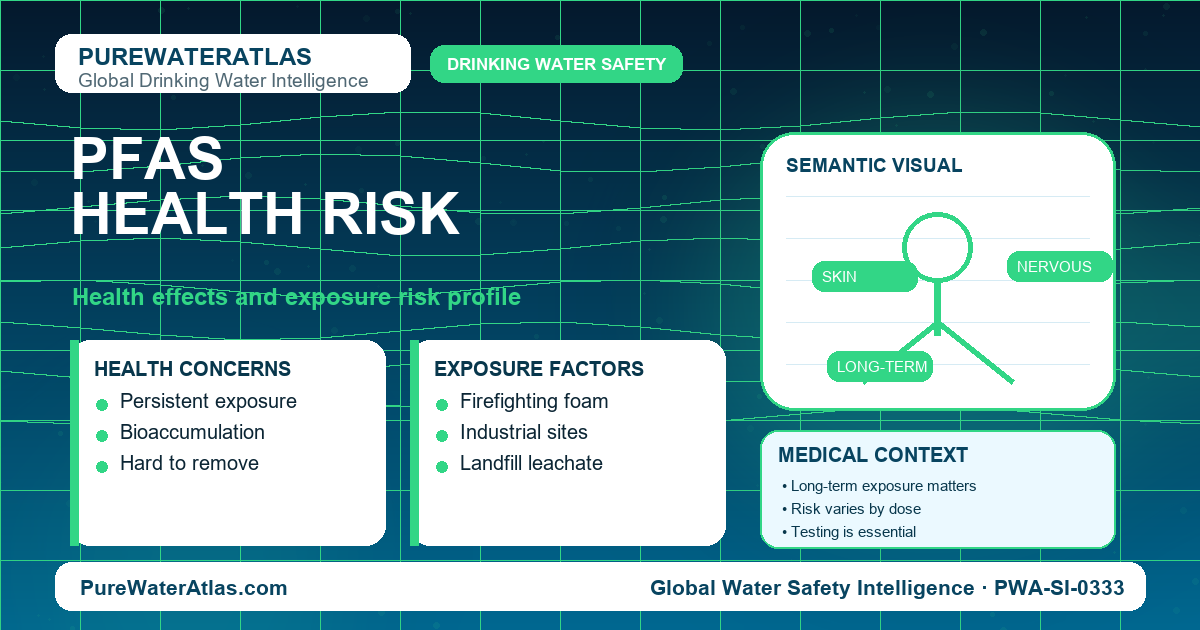
Some emerging contaminants, such as PFAS, pharmaceuticals, and endocrine-disrupting chemicals, have received increasing attention because of their persistence and potential health effects even at very low concentrations.
Disinfection Byproducts
Public water systems often disinfect water to kill pathogens, which is essential for safety. However, when disinfectants such as chlorine react with organic matter in water, they can form disinfection byproducts, including trihalomethanes and haloacetic acids. These compounds are regulated because long-term exposure above recommended levels may increase certain health risks.
Plumbing and Household Storage Problems
Even if water leaves the treatment plant in good condition, problems can arise inside the home. These include:
- Corrosion of old lead or copper pipes
- Biofilm growth in fixtures and low-use plumbing lines
- Poorly maintained water filters
- Contaminated water heaters or storage tanks
- Cross-connections and backflow from non-potable systems
Stagnant water can increase metal leaching and microbial growth. Households that have been vacant for days or weeks may need to flush plumbing before use.
Environmental Events
Floods, storms, wildfires, droughts, and infrastructure failures can all affect drinking water quality. Flooding may introduce sewage and chemicals. Wildfires can damage water systems and create contamination from smoke, ash, and burned materials. Drought can concentrate certain contaminants in source water. During emergencies, public boil-water notices and advisories should be followed carefully.
Health and Safety Implications
The health effects of contaminated drinking water depend on the type of contaminant, the amount ingested, the length of exposure, and the age and health of the person exposed. Some effects happen quickly, while others may only appear after years of repeated exposure. This is the core of drinking water safety for households health effects.
Short-Term Symptoms
Drinking water safety for households symptoms often vary by cause. Microbial contamination tends to produce acute illness, especially in the digestive system. Common symptoms include:
- Nausea
- Vomiting
- Diarrhea
- Stomach cramps
- Fever
- Dehydration
- Fatigue
For some infections, symptoms can be mild and self-limited. In others, especially among infants, older adults, and immunocompromised individuals, dehydration and infection can become serious quickly. Certain pathogens may also cause bloody diarrhea, liver inflammation, prolonged fatigue, or post-infectious complications.
Chemical contamination can also cause short-term symptoms, although this depends on the substance and dose. These may include headache, dizziness, unusual taste, throat irritation, nausea, or neurological symptoms. Very high exposures are uncommon in household settings but can occur during accidents, industrial contamination events, or severe well failures.
Long-Term Risks
Drinking water safety for households long term risks are especially important because many contaminated water exposures are silent. People may drink unsafe water for years without immediate illness. Chronic exposure to certain contaminants has been associated with:
- Developmental delays and reduced cognitive performance in children
- Kidney damage
- Liver injury
- High blood pressure and cardiovascular effects
- Thyroid disruption
- Bone and dental effects from excessive fluoride
- Skin lesions or pigmentation changes in arsenic exposure
- Increased risk of bladder, lung, skin, kidney, or colorectal cancers for some contaminants
- Reproductive and pregnancy complications
Lead is strongly associated with neurodevelopmental harm in children and can also affect adults through hypertension, kidney effects, and neurological symptoms. Arsenic exposure has been linked to skin changes, cardiovascular disease, diabetes, and several cancers. Nitrate is particularly dangerous for infants because it can interfere with oxygen transport in the blood. PFAS have been studied for links to cholesterol changes, immune effects, liver changes, thyroid disease, and certain cancers, though ongoing research continues to refine understanding of these risks.
Exposure Levels and Dose
Drinking water safety for households exposure levels matter because risk is determined not only by whether a contaminant is present, but by how much is present and how often it is consumed. A very low concentration may pose little practical risk, while repeated daily exposure above health-based thresholds can become dangerous over time.
Several factors influence dose:
- The concentration of the contaminant in water
- How much water a person drinks each day
- Whether contaminated water is also used in cooking or formula preparation
- Body size and age
- Duration of exposure, from days to decades
- Whether multiple contaminants are present together
Infants often have higher effective exposure because they consume more water relative to their body weight, especially if formula is mixed with tap water. People working in hot conditions may also consume more water and thus have higher intake of any contaminants present.
Vulnerable Groups
Drinking water safety for households vulnerable groups deserve special attention. These populations may experience harm at lower exposure levels or more severe outcomes from the same contamination:
- Infants and young children: vulnerable to nitrates, lead, microbes, and developmental toxicants
- Pregnant people and fetuses: vulnerable to certain chemicals, lead, nitrates, and infections
- Older adults: more likely to experience dehydration and complications from infections
- People with weakened immune systems: at higher risk from parasites, bacteria, and opportunistic pathogens
- People with kidney or liver disease: may be more sensitive to certain metals and chemicals
- People in low-resource settings: may face compounded risks due to infrastructure limits or delayed testing
Infants should never be given formula made with water known to exceed nitrate guidance. Likewise, any concern about lead in household plumbing should be addressed urgently when pregnant people or children are present.
Medical Concerns and When to Seek Help
Drinking water safety for households medical concerns arise when symptoms suggest waterborne illness or when testing reveals significant contamination. Medical evaluation may be appropriate if:
- Multiple household members develop gastrointestinal symptoms at the same time
- There is severe diarrhea, dehydration, bloody stool, or persistent vomiting
- An infant, older adult, pregnant person, or immunocompromised person has symptoms
- Known exposure to lead, arsenic, nitrates, or industrial chemicals has occurred
- A person develops unexplained neurological, skin, kidney, or chronic health issues with possible exposure history
Clinicians may recommend hydration, stool testing, blood lead testing, kidney function tests, or referral to public health authorities depending on the exposure. If a contamination event is confirmed, documenting the timeline of symptoms, water use, and test results can be valuable.
Testing and Detection
Because many contaminants cannot be seen or tasted, testing is the only reliable way to know what is in household water. Households can learn more about methods in this testing and detection guide.
Routine Water Testing
For private wells, routine testing is essential. At minimum, many experts recommend periodic testing for:
- Total coliform bacteria and E. coli
- Nitrates or nitrate-nitrogen
- pH and general mineral content
- Locally relevant contaminants such as arsenic, manganese, fluoride, pesticides, or PFAS
Municipal water users should review annual consumer confidence reports where available, but household-specific testing may still be necessary if there are old pipes, unusual tastes, local advisories, or vulnerable residents.
When to Test Immediately
Water should be tested promptly when:
- The household uses a private well and flooding has occurred
- Water suddenly changes in taste, smell, or color
- Renovation or plumbing work disturbs old pipes
- An infant will be using the water for formula
- A home has old plumbing materials associated with lead
- Nearby industrial, agricultural, or waste disposal activities raise concern
- Household illness suggests a waterborne source
Types of Tests
Different contaminants require different tests. Microbial tests detect indicator organisms or specific pathogens. Chemical analysis may be performed in certified laboratories for metals, nitrates, volatile organic compounds, pesticides, or PFAS. Some home test kits can be useful for screening, but laboratory testing is generally more accurate and is often necessary when health decisions depend on the result.
Households should also understand the difference between source testing and first-draw plumbing testing. For example, lead testing often uses a sample that has sat in the plumbing to assess whether corrosion is contributing contamination from household pipes or fixtures.
Interpreting Results
A test result should be interpreted using the applicable health-based standard or action level. One result alone may not tell the full story. Contamination can fluctuate by season, rainfall, plumbing use patterns, and source conditions. Repeat testing may be needed to confirm an issue or evaluate whether a treatment system is working properly.
If results are elevated, households should identify whether the contamination is coming from the source water, the distribution system, or household plumbing. Corrective actions differ depending on the source of the problem.
Prevention and Treatment
Prevention is always better than reacting after illness occurs. The most effective strategy depends on the contaminant involved and where it enters the water supply.
Source Protection
For private wells and small systems, protecting the source is critical. Good practices include:
- Maintaining proper distance between wells and septic systems
- Inspecting well caps and casing for damage
- Diverting surface runoff away from the wellhead
- Using fertilizers and pesticides carefully
- Preventing fuel, solvent, or chemical spills near water sources
After floods or severe storms, wells may need inspection, disinfection, and retesting before normal use resumes.
Household Plumbing Controls
If contamination comes from interior plumbing, households can reduce risk by:
- Replacing lead service lines, lead solder, and old fixtures where possible
- Flushing cold water lines after water has been sitting
- Using only cold water for drinking and cooking, especially for infant formula
- Cleaning aerators and maintaining fixtures
- Avoiding stagnation in unused plumbing branches
Boiling water does not remove lead, arsenic, nitrates, or many chemicals. In fact, boiling can sometimes concentrate certain dissolved contaminants as water evaporates.
Water Treatment Options
Different treatment methods address different problems. More information is available in water treatment systems resources. Common household treatment methods include:
- Boiling: useful for many microbial hazards during boil-water advisories
- Activated carbon filters: can reduce some chemicals, tastes, and odors, but not all contaminants
- Reverse osmosis: effective for many dissolved contaminants including lead, arsenic, nitrates, and some PFAS, depending on the system
- Ultraviolet disinfection: helps inactivate microorganisms if the water is adequately prefiltered
- Ion exchange and specialty media: used for nitrate, arsenic, hardness, and other specific concerns
No single filter removes everything. Households should select certified systems matched to the contaminant identified by testing and should maintain them according to manufacturer instructions. A neglected filter can become ineffective or even worsen water quality.
What to Do During a Contamination Event
If contamination is suspected or confirmed:
- Stop drinking the water until safety is verified
- Use bottled water or a confirmed safe alternative for drinking, cooking, and formula
- Follow public health guidance on boiling, flushing, or disinfection
- Test the water through a certified laboratory if needed
- Consult a qualified plumber, well contractor, or treatment professional for corrective action
- Seek medical advice if symptoms or known exposure warrant it
Treatment of Illness
Treatment depends on the health effect. Waterborne infections may require oral rehydration, supportive care, and sometimes targeted antimicrobial treatment. Heavy metal or chemical exposures may require exposure cessation, laboratory monitoring, specialist referral, or public health follow-up. The first step is always to remove or avoid the contaminated source.
Common Misconceptions
Several myths can lead households to underestimate risk.
“If the Water Looks Clear, It Is Safe”
Many dangerous contaminants are invisible. Lead, arsenic, nitrates, and many microbes may be present in clear water with no unusual taste or smell.
“Boiling Fixes All Water Problems”
Boiling is helpful for many microorganisms, but it does not remove heavy metals or most chemical pollutants. It is not a universal solution.
“Municipal Water Is Always Risk-Free”
Public water systems are generally safer because they are treated and monitored, but issues can still arise from infrastructure failure, source contamination, or household plumbing.
“Private Well Water Is More Natural, So It Is Safer”
Private well water can be excellent, but it is not automatically safe. Wells require regular testing and maintenance, and naturally occurring contaminants such as arsenic may be present even in remote areas.
“Filters Work Forever”
All treatment systems have limits. Filters and membranes need replacement, cleaning, and performance checks. Certification for a particular contaminant matters.
Regulations and Standards
Drinking water safety is guided by legal standards, public health goals, and technical recommendations. Public water systems are typically subject to national or regional regulations that define maximum contaminant levels, treatment requirements, monitoring schedules, and public notification rules.
These standards aim to reduce risk for the general population, but they may not eliminate every concern in every home. Some contaminants are newly recognized, some standards are updated over time, and household plumbing can create additional exposure even when the public system meets compliance requirements.
Private wells usually fall outside routine public system regulation, which means the homeowner is responsible for testing, maintenance, and corrective action. Local health departments, environmental agencies, and agricultural extension services often provide guidance on what to test for in a given region.
It is also helpful to distinguish between:
- Enforceable standards: legal limits used for compliance and public monitoring
- Health advisories or guidelines: non-enforceable values used to inform risk management
- Action levels: thresholds that trigger treatment or follow-up actions, such as those used for lead
Because water quality is a global issue, households may also benefit from broader context in global water quality resources, especially when comparing regional concerns such as arsenic belts, nitrate-intensive agricultural areas, or infrastructure-related contamination patterns.
Conclusion
Household drinking water safety is a daily health issue with both immediate and long-term significance. The most important lesson is that unsafe water is not always obvious. Microbes can trigger acute gastrointestinal illness, while chemicals and metals may contribute to subtle but serious drinking water safety for households health effects over months or years. Families should understand likely contamination sources, recognize possible drinking water safety for households symptoms, and take seriously the drinking water safety for households long term risks associated with chronic exposure.
Special care is needed for drinking water safety for households vulnerable groups, especially infants, pregnant people, older adults, and anyone with weakened immunity or chronic disease. Decisions should be guided by reliable testing, attention to drinking water safety for households exposure levels, and prompt response to drinking water safety for households medical concerns when symptoms or test results suggest a problem.
In practice, protecting health means combining source protection, regular testing, plumbing awareness, appropriate treatment systems, and informed use of public health advisories. When households know what to look for and how to act, they can significantly reduce risk and ensure that the water used every day truly supports health rather than threatening it.
Read the full guide: Drinking Water Safety Guide
Explore more in this category: Drinking Water Safety Articles