
Introduction
Water is essential for infant and child health, but not all water is equally safe. The topic of safe water for babies and children health effects is especially important because infants, toddlers, and young children are more sensitive than adults to contaminants in drinking water. Their bodies are smaller, their organs are still developing, and they may drink more water relative to body weight than older children or adults. Even low levels of certain contaminants can therefore have a greater impact during early life.
Safe water supports hydration, formula preparation, food preparation, hygiene, and overall growth. Unsafe water, by contrast, can expose children to microorganisms, chemicals, metals, and environmental pollutants that may cause immediate illness or contribute to developmental problems over time. In homes that rely on private wells, aging plumbing, stored water, or systems affected by flooding or infrastructure failure, the need for vigilance becomes even greater.
Parents and caregivers often ask practical questions: What makes water unsafe for babies? What symptoms should they watch for? Which children are most at risk? How much exposure is too much? These concerns fall under several related topics, including safe water for babies and children symptoms, safe water for babies and children long term risks, safe water for babies and children vulnerable groups, safe water for babies and children exposure levels, and safe water for babies and children medical concerns.
This article explains the major safety issues in a clear, evidence-based way. It covers what unsafe water means in practical terms, where contamination comes from, how exposure can affect children’s health, how water is tested, and what families can do to reduce risks. For readers seeking broader background, additional information can be found in this complete guide and in the broader drinking water safety category.
What It Is
“Safe water” for babies and children refers to water that is free from harmful levels of biological, chemical, and physical contaminants and is suitable for drinking, mixing infant formula, preparing food, brushing teeth, and other routine household uses. Safety depends not only on the water source itself, but also on how water is stored, distributed, and handled in the home.
Water can be considered unsafe when it contains:
- Microorganisms such as bacteria, viruses, and parasites that can cause gastrointestinal and systemic infections.
- Chemical contaminants such as nitrates, pesticides, industrial chemicals, or disinfectant byproducts.
- Metals and minerals such as lead, arsenic, manganese, or excessive fluoride.
- Physical contaminants such as sediment, corrosion particles, or debris, which may signal broader water quality issues.
For infants, even water that looks, smells, and tastes normal may still be unsafe. Many dangerous contaminants are invisible and do not change the appearance of the water. This is one reason why health professionals emphasize testing rather than relying on sensory judgment alone.
Another important point is that “safe” may vary by age and use. Water that may be acceptable for a healthy adult is not automatically ideal for a newborn. For example, infants under six months are particularly susceptible to nitrate exposure, and young children are more vulnerable to lead because of its effect on the developing brain and nervous system.
In practical terms, safe water for children means:
- Low or no pathogenic microbes
- No harmful concentrations of toxic metals
- Chemical levels below established health-based standards
- Reliable treatment and storage practices
- Appropriate use for infant feeding and food preparation
Water safety also intersects with broader environmental and microbiological science. Readers interested in the scientific basis of contamination pathways and risk assessment may benefit from resources in water science and water microbiology.
Main Causes or Sources
Unsafe water for babies and children can originate from multiple sources, and risk may be present in public water systems, private wells, household plumbing, emergency water supplies, or bottled water used improperly. Understanding the source of contamination is the first step toward prevention.
Microbial Contamination
Microbial contamination is one of the most urgent water safety concerns because it can cause rapid illness. Common sources include sewage leaks, animal waste runoff, stormwater intrusion, broken pipes, and inadequate disinfection. Organisms of concern may include E. coli, Salmonella, Campylobacter, norovirus, rotavirus, and parasites such as Giardia and Cryptosporidium.
Infants and young children can become dehydrated quickly from diarrhea and vomiting, making microbial contamination especially dangerous in this age group.
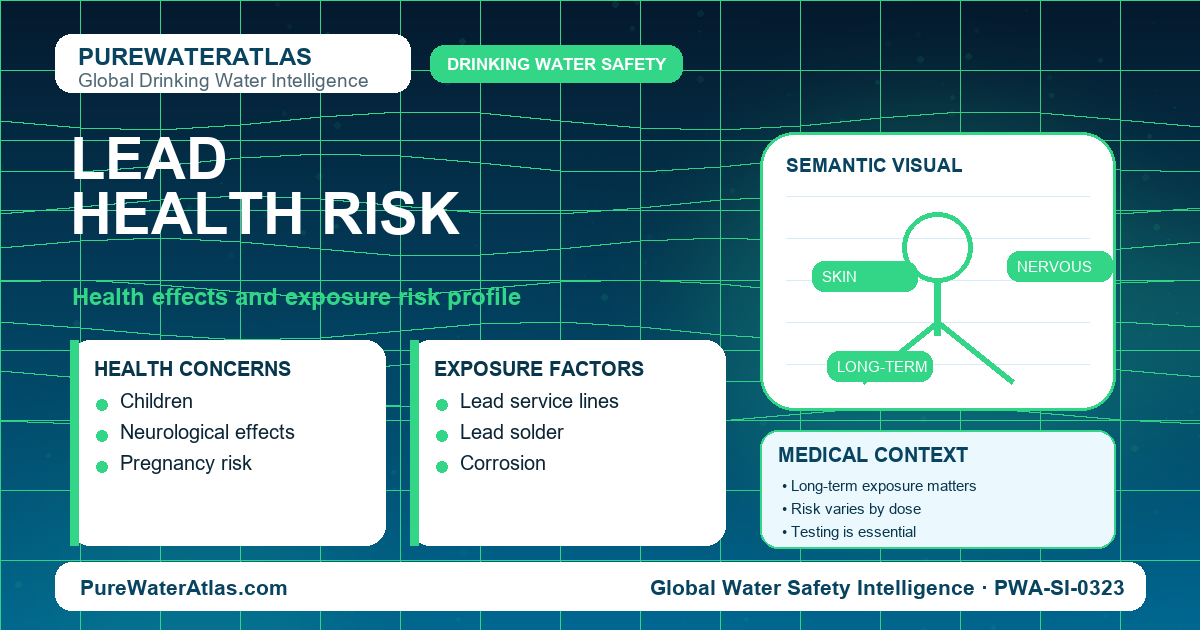
Lead from Plumbing
Lead usually enters water not from the source water itself, but from plumbing materials. Older homes may contain lead service lines, lead solder, or brass fixtures that release lead into standing water. This is particularly concerning when water is used for infant formula. Hot water should never be used for formula preparation if lead contamination is a concern, since heat can increase leaching from pipes.
Nitrates and Nitrites
Nitrates are often associated with agricultural runoff, fertilizers, manure, and septic system leakage. Private wells are at particular risk. Infants are highly vulnerable because nitrates can interfere with the blood’s ability to carry oxygen, a condition linked to methemoglobinemia, sometimes called “blue baby syndrome.”
Arsenic and Other Naturally Occurring Contaminants
Some contaminants occur naturally in groundwater due to local geology. Arsenic is one of the best-known examples. Other naturally occurring substances may include uranium, radon, manganese, or high mineral content. These substances may not cause obvious immediate symptoms but can present important safe water for babies and children long term risks if exposure continues.
Pesticides and Industrial Chemicals
Pesticides, solvents, fuel components, and industrial compounds may reach water supplies through agricultural use, spills, waste disposal, or contaminated groundwater. Depending on the substance, exposure may affect the nervous system, endocrine system, liver, kidneys, or development.
Fluoride Imbalance
Fluoride can be beneficial for dental health at appropriate levels, but excessive exposure during early childhood may contribute to dental fluorosis. The issue is not that fluoride is inherently harmful at standard levels, but that overexposure can occur when multiple sources combine, such as fluoridated water, formula prepared with fluoridated water, fluoride toothpaste, and supplements.
Household Storage and Handling Problems
Even treated water can become unsafe if handled improperly. Common problems include:
- Storing water in unclean containers
- Using baby bottles or formula equipment that are not adequately sanitized
- Allowing standing water to remain in systems after flooding or plumbing work
- Cross-contamination from hands, utensils, or surfaces
A fuller overview of contamination pathways is available in this causes and sources guide.
Health and Safety Implications
The health effects of unsafe water depend on the contaminant, dose, duration of exposure, and the child’s age and health status. Some effects appear quickly, while others may emerge only after months or years. When discussing safe water for babies and children health effects, it is helpful to separate short-term and long-term concerns.
Short-Term Health Effects
Acute exposure to contaminated water often presents as gastrointestinal or infection-related illness. Common safe water for babies and children symptoms may include:
- Diarrhea
- Vomiting
- Fever
- Abdominal pain or cramping
- Poor feeding
- Irritability
- Unusual sleepiness or lethargy
- Signs of dehydration such as dry mouth, fewer wet diapers, or sunken eyes
In babies, symptoms may be nonspecific. An infant may simply appear fussier than usual, feed poorly, or have decreased urine output. Because young children can deteriorate quickly, medical attention is warranted when symptoms are persistent, severe, or accompanied by dehydration, blood in stool, breathing changes, or reduced responsiveness.
Lead and Neurodevelopment
Lead is one of the most serious safe water for babies and children medical concerns because there is no known safe level of lead exposure in children. Even small amounts can affect learning, attention, behavior, and IQ. Exposure may not produce obvious immediate symptoms, which makes it especially dangerous. Over time, lead can contribute to developmental delays, hearing problems, and reduced academic performance.
Nitrate Toxicity in Infants
Nitrate exposure is most dangerous in very young infants, especially those under six months. In the body, nitrates can be converted to nitrites, which reduce the ability of hemoglobin to carry oxygen. Symptoms of significant exposure may include bluish skin coloration, difficulty breathing, unusual tiredness, and poor feeding. This is a medical emergency.
Arsenic and Chronic Exposure
Long-term exposure to arsenic in drinking water has been associated with increased risks to skin, cardiovascular health, immune function, and neurodevelopment. In children, chronic exposure raises concern because early-life environmental exposures may influence lifelong health trajectories. These are central examples of safe water for babies and children long term risks.
Microbial Illness and Growth
Repeated gastrointestinal infections can do more than cause temporary sickness. Frequent illness may interfere with nutrition, growth, and normal development. In settings where contamination is ongoing, children may experience recurrent diarrhea, poor weight gain, or broader health instability.
Kidney, Liver, and Endocrine Concerns
Certain chemicals and metals may affect organ systems even when symptoms are not immediately apparent. Depending on the contaminant, chronic exposure may be associated with:
- Kidney stress or reduced renal function
- Liver toxicity
- Hormonal or endocrine disruption
- Effects on bone and tooth development
- Changes in immune function
Exposure Levels and Why Children Differ from Adults
Safe water for babies and children exposure levels matter because children are not simply “small adults.” They drink more water per unit of body weight, have immature detoxification systems, and undergo rapid growth in the brain, bones, and organs. This means a contaminant dose that might seem minor in an adult can carry greater significance in a child.
Risk is influenced by:
- The concentration of the contaminant in water
- How often the water is consumed
- Whether the water is used for infant formula
- The child’s age and weight
- Existing health conditions or nutritional deficiencies
- Combined exposure from food, air, dust, or soil
Vulnerable Groups
Some children are more likely to be harmed by unsafe water than others. Key safe water for babies and children vulnerable groups include:
- Newborns and infants under six months
- Premature infants
- Children with weakened immune systems
- Children with kidney disease or metabolic disorders
- Children living in older homes with aging plumbing
- Families using private wells without regular testing
- Children in areas affected by floods, natural disasters, or infrastructure damage
For these groups, even modest contamination can be more serious, and preventive testing becomes especially important.
Testing and Detection
Because many contaminants cannot be seen or tasted, testing is the most reliable way to determine whether water is safe. Testing should be guided by the water source, local environmental conditions, housing age, and any known concerns about nearby agriculture, industry, or plumbing materials.
Public Water Systems
Municipal water systems are generally subject to routine monitoring and reporting. Families can review local water quality reports, often called Consumer Confidence Reports, to learn about detected contaminants, treatment practices, and compliance issues. However, these reports do not always reflect contamination that occurs inside the home plumbing system, such as lead leaching from household pipes.
Private Wells
Private wells are not typically monitored by municipal authorities, so responsibility for testing usually falls on the homeowner. Well water should be tested regularly, especially for bacteria, nitrates, and region-specific contaminants such as arsenic or manganese. Testing is also important after flooding, repairs, changes in taste or odor, or nearby construction or agricultural activity.
When to Test
Situations that commonly justify water testing include:
- Preparing formula for a newborn or infant
- Moving into an older home
- Using a private well
- After flood events or water main breaks
- If a child has unexplained gastrointestinal illness
- If there is known lead plumbing or recent plumbing disturbance
- If local public health officials issue an advisory
Common Testing Targets
Depending on local circumstances, testing may include:
- Total coliform bacteria and E. coli
- Lead and copper
- Nitrates and nitrites
- Arsenic
- Fluoride
- Manganese
- Pesticides or volatile organic compounds
- General water chemistry such as pH, hardness, and corrosion potential
Interpreting Results
Lab results should be interpreted against current health-based standards and local guidance. A result may be legally compliant yet still deserve discussion with a pediatrician, especially for infants or medically vulnerable children. Families should also understand that one test is a snapshot in time. Water quality can change seasonally or after weather, plumbing, or land-use changes.
Home Test Kits and Laboratory Testing
Home test kits can be useful for initial screening, but laboratory testing is generally more reliable for decision-making, especially when infants are involved. Certified laboratories can provide more accurate measurement and contaminant-specific analysis.
For a deeper overview of methods, sample collection, and result interpretation, see this testing and detection resource.
Prevention and Treatment
Preventing harmful exposure is often far easier than treating its consequences. The right strategy depends on whether the concern is microbial, chemical, or plumbing-related.
Use an Appropriate Water Source
For infants, especially those fed formula, use water from a source known to meet safety standards. If there is uncertainty about well water, plumbing, or contamination events, seek local public health guidance before using the water for infant feeding.
Address Plumbing-Related Risks
To reduce lead exposure from plumbing:
- Use cold water for drinking, cooking, and formula preparation
- Flush taps if water has been sitting in pipes for several hours
- Test water from the specific tap used for infant food or drink preparation
- Replace lead-containing plumbing components when possible
Install Proper Treatment Systems
Not all filters remove all contaminants. Families should choose treatment systems based on the specific contaminant identified. Examples include:
- Activated carbon for some organic chemicals and taste/odor issues
- Reverse osmosis for certain dissolved metals, nitrates, and other contaminants
- Distillation for some dissolved substances
- Ultraviolet disinfection for specific microbial control when water is otherwise clear
Treatment devices require maintenance, cartridge replacement, and performance verification. An improperly maintained filter can fail or even worsen microbiological risk.
Boiling Water: Helpful but Limited
Boiling can kill many pathogens, making it useful during some microbial contamination events or boil-water advisories. However, boiling does not remove lead, nitrates, arsenic, or many chemical contaminants. In fact, boiling can concentrate certain dissolved substances as water evaporates.
Safe Formula Preparation
Parents and caregivers should follow pediatric and public health guidance for formula preparation. Key principles include:
- Use water from a verified safe source
- Follow product instructions carefully
- Sanitize bottles and feeding equipment properly
- Store prepared formula safely and discard unused portions as recommended
Medical Evaluation After Suspected Exposure
If a child may have consumed contaminated water and develops symptoms, medical evaluation is appropriate. Clinicians may consider hydration status, stool testing, blood tests, or specific exposure screening such as blood lead testing. In some cases, local health departments can assist with exposure investigations.
Emergency Situations
After floods, natural disasters, or infrastructure failures, assume water may be unsafe until authorities confirm otherwise. During emergencies:
- Follow official boil-water or do-not-drink notices
- Use bottled or otherwise approved water for infant feeding
- Disinfect and clean storage containers before reuse
- Retest private wells after flooding or repairs
Common Misconceptions
Water safety for children is often misunderstood. Several common myths can lead to false reassurance or ineffective action.
“Clear Water Is Safe Water”
This is false. Many serious contaminants, including lead, nitrates, arsenic, and microbes, may be present in water that looks completely normal.
“Boiling Makes All Water Safe”
Boiling helps with many microbes, but it does not remove most metals or chemical contaminants. It should not be treated as a universal solution.
“Bottled Water Is Always Safer for Babies”
Not necessarily. Bottled water varies in composition and may not always be the ideal choice for every use. Some bottled waters contain minerals or fluoride levels that may not be preferred for routine infant formula preparation. Quality depends on brand, source, storage, and intended use.
“If Adults Feel Fine, the Water Must Be Fine for Kids”
Children can be affected at lower exposures than adults. Developmental vulnerability means the absence of adult symptoms does not guarantee pediatric safety.
“A Filter Pitcher Removes Everything”
No single household filter removes all contaminants. Filters must be chosen for the specific hazard and maintained correctly.
“Private Well Water Is Natural, So It Is Safe”
Natural does not always mean safe. Well water may contain bacteria, nitrates, arsenic, or other contaminants that require testing and, when necessary, treatment.
Regulations and Standards
Water safety standards are designed to reduce risk, but families should understand both their value and their limitations. Public water systems are generally regulated under national and regional frameworks that establish maximum contaminant levels, treatment techniques, monitoring schedules, and public notification requirements.
Health-Based Standards
Standards are typically developed using toxicology, epidemiology, exposure modeling, and feasibility considerations. They help determine acceptable levels for contaminants such as lead, arsenic, nitrates, and microbes. These standards are important public health tools, but they are not a guarantee of zero risk in every home or for every child.
Why Household Conditions Still Matter
Even when a municipal supply meets regulatory standards at the system level, contamination can still arise through:
- Lead service lines or older household plumbing
- Stagnant water in pipes
- Poorly maintained home treatment devices
- Improper water storage
This is why point-of-use testing may still be relevant for families with infants or homes built with older plumbing materials.
Private Wells and Regulatory Gaps
Private wells often fall outside the routine monitoring requirements that apply to public systems. This creates a major responsibility gap. Families using wells should not assume safety without regular testing and maintenance. For babies and young children, this issue is especially significant.
Pediatric Considerations
Regulatory standards are generally set to protect the population as a whole, including sensitive groups, but pediatricians and environmental health specialists may recommend extra caution for infants, pregnant women, and medically complex children. A level that meets legal requirements may still deserve closer review when infant formula is involved or when multiple exposure sources exist.
Role of Public Health Agencies
Public health agencies help by:
- Issuing water quality guidance and advisories
- Monitoring outbreaks and contamination events
- Supporting laboratory testing and environmental investigations
- Providing education on child-specific water risks
Families benefit most when they combine awareness of regulations with household-level precautions, particularly for infant feeding and private well use.
Conclusion
Protecting children from water-related hazards requires more than assuming that water is safe unless proven otherwise. The issue of safe water for babies and children health effects includes immediate concerns such as diarrhea, dehydration, and nitrate toxicity, as well as longer-term risks involving lead, arsenic, and other chronic exposures. Because children are biologically more vulnerable, prevention and early detection matter greatly.
Caregivers should pay close attention to water sources used for drinking and formula preparation, especially in homes with private wells, older plumbing, or recent flooding or repairs. When concerns arise, testing is the most reliable path forward. Understanding safe water for babies and children symptoms, recognizing safe water for babies and children vulnerable groups, and responding promptly to possible safe water for babies and children medical concerns can reduce harm and improve outcomes.
Safe water is a foundational part of child health. Informed families, appropriate testing, and practical prevention steps can greatly reduce exposure and support healthy development from infancy onward. For continued learning, readers can explore the drinking water safety section, the complete guide, and related resources on water science and water microbiology.
Read the full guide: Drinking Water Safety Guide
Explore more in this category: Drinking Water Safety Articles