
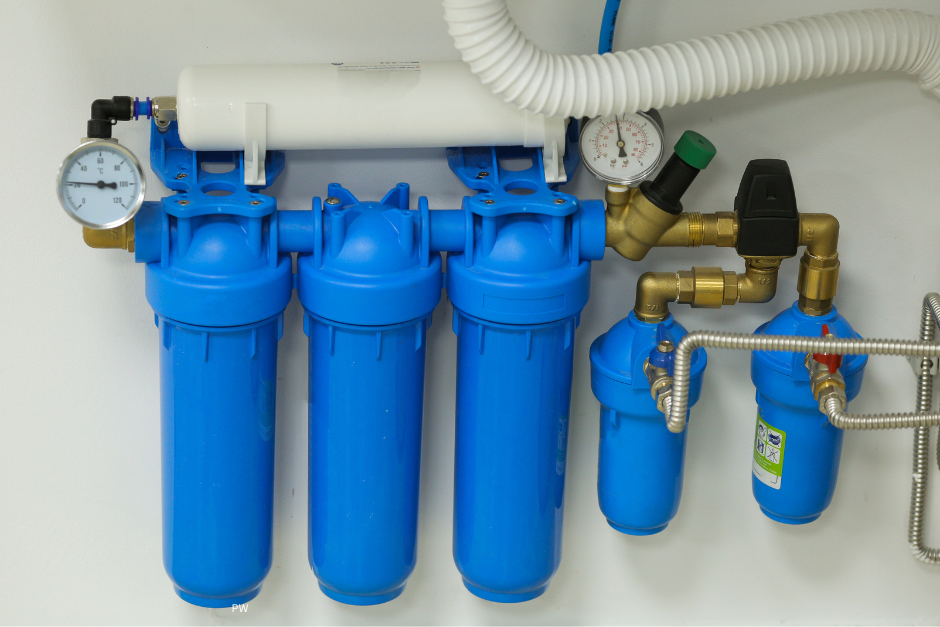
Under sink filtration systems are point-of-use water treatment devices installed below a kitchen or utility sink to improve the quality of water used for drinking, cooking, infant formula preparation, coffee, tea, ice, and food washing. They are popular because they treat water close to the tap, avoid bulky countertop equipment, and can be matched to specific water quality concerns such as chlorine taste, lead, volatile organic compounds, sediment, nitrate, arsenic, microplastics, or per- and polyfluoroalkyl substances.
A good under sink system is not simply a convenience appliance. It is part of a water safety decision. The safest choice depends on what is actually in the water, whether the home is supplied by a regulated public utility or a private well, the age and condition of plumbing, the household’s daily water demand, and the system’s verified performance. The same filter that improves taste may not remove nitrate. A reverse osmosis unit that reduces many dissolved contaminants may require prefiltration and regular membrane care. A carbon cartridge certified for chlorine reduction may not be certified for lead, arsenic, or microbial reduction.
This guide explains how under sink filtration systems work, which purification methods are used, what contaminants they can and cannot address, how to read certifications, and how to maintain a system without creating new risks. It is written for households, facilities managers, landlords, clinicians advising sensitive groups, and professionals who need a clear practical framework for point-of-use drinking water treatment.
What Are Under Sink Filtration Systems?
Under sink filtration systems are compact treatment assemblies connected to a cold-water supply line beneath a sink. Depending on the design, the treated water is delivered through the existing faucet, a separate dedicated faucet, or a three-way faucet that keeps filtered and unfiltered flows separate. Some units contain one cartridge; others combine sediment filtration, activated carbon, ion exchange media, ultrafiltration, or reverse osmosis in multiple stages.
The defining feature is location. Instead of treating water for the entire home, under sink systems treat a smaller flow at a specific point of use. This can be efficient because drinking and cooking water represent a fraction of total household water use. It also allows high-performance treatment, such as reverse osmosis, without the cost and wastewater volume that would come with treating every shower, toilet, and washing machine supply.
Under sink systems sit within the broader category of Water Treatment Systems. They are not always substitutes for whole-house treatment. For example, water with high iron, manganese, hydrogen sulfide, hardness, corrosivity, or microbial instability may require treatment before it reaches household plumbing. In other cases, a point-of-use filter is the most targeted and economical solution.
Why Point-of-Use Treatment Matters for Water Safety
Drinking water safety is shaped by source water, treatment at the utility or well, distribution piping, building plumbing, fixtures, storage, and user practices. Even when water leaves a treatment plant in compliance with standards, quality can change before it reaches a glass. Lead can leach from old service lines, solder, brass fixtures, or premise plumbing. Chlorine residual can decay in long distribution lines. Private wells can be affected by septic systems, agricultural runoff, naturally occurring arsenic, or seasonal microbial contamination.
The World Health Organization describes safe drinking water as water that does not represent a significant health risk over a lifetime of consumption, including different sensitivities across life stages. The U.S. Environmental Protection Agency regulates public drinking water systems in the United States, but private wells are generally the responsibility of the owner. For many households, under sink treatment is a final barrier between water in the plumbing and water consumed directly.
Point-of-use treatment can be especially valuable for infants, pregnant people, older adults, immunocompromised people, households with private wells, homes with known lead plumbing risk, and residents in areas with documented water quality advisories. It can also improve acceptability. If water smells or tastes unpleasant because of chlorine, chloramine, sulfur compounds, or organic matter, people may drink less water or rely heavily on bottled water. A properly selected under sink system can improve taste while reducing specific contaminants.
However, filtration should not create false confidence. A filter must be matched to the contaminant. Water testing should guide selection whenever health-related contaminants are suspected. A poorly maintained cartridge can become clogged, lose adsorption capacity, reduce flow, or support microbial growth on accumulated organic material. Good systems combine verified performance with a realistic maintenance plan.
Main Types of Under Sink Filtration Systems
Under sink filtration systems vary widely. The best choice depends on the contaminant profile, budget, space, desired flow rate, wastewater tolerance, and whether the home owner can install or service the unit. The most common categories are direct-connect carbon systems, multi-stage systems, reverse osmosis systems, ultrafiltration systems, and specialty media systems.
Single-Stage Carbon Filters
Single-stage under sink carbon filters usually contain activated carbon block or granular activated carbon. They are often installed inline on the cold-water supply and may feed the existing faucet or a dedicated filtered faucet. Carbon is effective for improving taste and odor, reducing chlorine, and reducing many organic chemicals when the carbon type, contact time, and certification are appropriate.
Carbon block filters can also physically reduce particulate matter and, when designed and certified for it, reduce lead, cysts, some pesticides, and certain volatile organic compounds. Their simplicity is a strength. They have relatively high flow, no wastewater stream, and lower maintenance complexity than reverse osmosis. Their limitation is that they do not broadly remove dissolved minerals, nitrate, many salts, fluoride, or all metals. Capacity also declines as adsorption sites become occupied.
Multi-Stage Carbon and Sediment Systems
Multi-stage under sink systems combine several cartridges. A typical arrangement might include a sediment prefilter, catalytic carbon for chlorine or chloramine, a carbon block for organic compounds and fine particulates, and a final polishing cartridge. Some systems add ion exchange resin for lead or hardness-related issues.
Multi-stage systems can provide better performance than a single cartridge when water contains sediment, disinfectant residual, and trace chemicals. The sediment stage protects downstream media from clogging. Catalytic carbon is often preferred where chloramine, rather than free chlorine, is used as a disinfectant. A certified lead-reduction cartridge may include carbon plus ion exchange or other sorptive media.
Reverse Osmosis Systems
Reverse osmosis, often shortened to RO, uses pressure to move water across a semi-permeable membrane. The membrane allows water molecules to pass while rejecting many dissolved ions and small molecules. Under sink RO systems often include sediment prefiltration, carbon prefiltration, the RO membrane, a storage tank or tankless high-flow design, and a post-carbon polishing filter.
RO is one of the most comprehensive household Water Purification Methods. It can reduce total dissolved solids, nitrate, arsenic in appropriate forms and configurations, fluoride, chromium, copper, lead, radium, sulfate, sodium, and many other dissolved contaminants. RO can also reduce some PFAS compounds when certified and maintained correctly.
RO is not perfect. It produces a concentrate stream that goes to the drain, although modern systems can be more efficient than older designs. It may reduce beneficial minerals along with contaminants, although minerals are not the primary dietary source for most people. It requires sufficient water pressure and routine cartridge and membrane replacement. If the storage tank or faucet is poorly maintained, post-treatment contamination is possible.
Ultrafiltration Systems
Ultrafiltration uses a membrane with pores typically small enough to remove suspended solids, bacteria, protozoa, and many colloids, while allowing dissolved minerals and salts to pass. Under sink ultrafiltration systems are attractive where microbial particle reduction and low wastewater are priorities. They do not usually reduce dissolved contaminants such as nitrate, fluoride, sodium, or many metals unless paired with other media.
For homes using microbiologically unsafe water, ultrafiltration may be part of a barrier approach, but it should be selected carefully. Virus removal is more difficult because viruses are smaller than bacteria and protozoa. Some ultrafiltration membranes reduce viruses under specific test conditions, but certification and system design matter. Private well users with confirmed microbial contamination should also correct the source problem when possible rather than relying only on a point-of-use device.
Specialty Media Systems
Some under sink filters use targeted media for specific contaminants: activated alumina for fluoride or arsenic, anion exchange for nitrate or perchlorate, cation exchange for lead or hardness-related metals, KDF media for certain redox reactions, or selective resins for PFAS. These systems can be highly useful, but they require careful matching to water chemistry.
For example, arsenic exists mainly as arsenite, arsenic III, and arsenate, arsenic V. Some media remove arsenate more effectively than arsenite, so oxidation or a different treatment approach may be needed. Nitrate removal by anion exchange can be affected by sulfate and other competing ions. Fluoride removal media may have pH constraints. Specialty systems should be selected after testing and verified by certification or independent data.
Contaminants Under Sink Filters Can Address
Under sink filtration systems are often marketed with broad claims, but contaminant reduction is specific. A system may reduce one contaminant well and have little effect on another. The following table summarizes common concerns and typical treatment options. It is a guide, not a substitute for system-specific certification or water testing.
| Water concern | Common sources | Under sink treatment options | Key caution |
|---|---|---|---|
| Chlorine taste and odor | Public water disinfection | Activated carbon, carbon block | Check capacity and flow rate; exhausted carbon stops adsorbing effectively. |
| Chloramine | Public water disinfection | Catalytic carbon, specialized carbon systems | Standard carbon may be less effective at short contact times. |
| Lead | Service lines, solder, brass fixtures, premise plumbing | Certified carbon block, ion exchange, RO | Use systems certified for lead reduction and replace cartridges on schedule. |
| Nitrate | Agricultural runoff, septic systems, fertilizers, wells | Reverse osmosis, anion exchange | Boiling does not remove nitrate and may concentrate it. |
| Arsenic | Natural geology, some groundwater sources | RO, activated alumina, specialized media | Speciation and pH affect removal; test before choosing treatment. |
| PFAS | Industrial sources, firefighting foams, contaminated groundwater | Certified activated carbon, RO, ion exchange | Performance varies by compound chain length and system design. |
| Microbial cysts | Surface water influence, inadequate treatment, wells | Certified cyst-rated carbon block, ultrafiltration, RO | Cyst reduction is not the same as full disinfection. |
| Bacteria | Private wells, plumbing biofilms, intrusion | Ultrafiltration, some RO systems, UV as add-on | Correct the source of contamination and verify with testing. |
| Fluoride | Naturally occurring or added in public water | RO, activated alumina | Carbon filters generally do not remove fluoride. |
| Hardness minerals | Calcium and magnesium in groundwater | RO for drinking water, limited specialty cartridges | Under sink systems do not protect whole-house appliances unless installed centrally. |
What Under Sink Systems Usually Do Not Solve
An under sink filter treats water at one location. It will not fix every household water problem. If water is corrosive and leaching metals throughout the building, a point-of-use system may protect drinking water at one tap, but it will not protect every fixture. If water has high iron or manganese, a kitchen filter may clog quickly while stains, odors, and appliance issues continue elsewhere. If a well is contaminated with bacteria because of a cracked casing, poor cap, flooding, or nearby septic influence, the source problem still needs attention.
Under sink systems also do not treat shower inhalation exposure from volatile chemicals unless the treated water serves that fixture, which it normally does not. Some contaminants can be inhaled or absorbed during bathing, depending on volatility and concentration. For these cases, whole-house treatment or source control may be more appropriate.
Another limitation is emergency use. During a boil water advisory, many standard under sink carbon filters are not adequate unless the manufacturer states the unit is designed and certified for microbiologically unsafe water. Boiling, approved disinfection, or an appropriately certified purifier may be needed. If a filter was exposed to contaminated water during an advisory, the cartridge may need replacement after the advisory is lifted.
How to Choose the Right System
Choosing among under sink filtration systems should begin with the water, not the product. Marketing language often emphasizes stages, gallons, or sleek housings, but the central question is simpler: what needs to be reduced, to what level, and with what evidence?
Start With Your Water Source
Public water users should review the local annual water quality report, often called a Consumer Confidence Report in the United States. This report lists regulated contaminants detected in the water supply and shows compliance status. It may not capture every building-specific issue, especially lead from premise plumbing. Homes built before modern lead restrictions, homes with unknown service line materials, and buildings with brass fixtures may need tap testing.
Private well users should test more broadly because there is no utility continuously monitoring finished water. Common well tests include total coliform bacteria, E. coli, nitrate, arsenic, pH, conductivity or total dissolved solids, hardness, iron, manganese, and sometimes uranium, radon, fluoride, sulfate, chloride, pesticides, or VOCs depending on local geology and land use. Regional health departments, agricultural extension services, certified laboratories, and hydrogeologic maps can help prioritize testing.
Test Before Treating Health-Related Contaminants
For taste and odor issues, a general carbon system may be reasonable if the water is otherwise known to be safe. For health-related contaminants, testing is essential. Lead, nitrate, arsenic, PFAS, chromium, uranium, and bacteria require different treatment strategies. Water that looks clear can still contain dissolved contaminants. Water that tastes unpleasant may not be unsafe. Sensory clues are useful but not reliable enough for health decisions.
PureWaterAtlas covers broader contaminant categories in the Water Contamination Guide, including chemical, microbial, radiological, and physical hazards. Use that type of framework to avoid buying a filter based only on a single symptom such as odor or staining.
Match Technology to Contaminants
If the main goal is better taste, chlorine reduction, and lower particulate matter, a certified carbon block system may be sufficient. If lead is the concern, choose a system certified for lead reduction under the relevant standard and verify that the rated capacity fits the household. If nitrate or fluoride is elevated, reverse osmosis is usually more appropriate than carbon. If bacteria are present in a private well, source correction, disinfection, and possibly membrane or UV treatment should be considered.
For PFAS, both activated carbon and RO can be effective, but performance depends on compound type, influent concentration, competing organic matter, and filter capacity. Certification for specific PFAS reduction is preferable to broad claims. For arsenic, treatment depends on speciation and water chemistry. RO may reduce arsenic, but specialized media or pretreatment may be needed for reliable performance in some wells.
Consider Flow Rate and Daily Demand
Flow rate affects whether a system is pleasant to use. A small cartridge may produce safe water but frustrate users if it takes too long to fill a pot. Direct-flow carbon systems often provide higher flow than tank-based RO systems, although tankless RO designs can provide improved performance if pressure and plumbing are suitable.
Estimate daily filtered water demand. A two-person household may use several liters per day for drinking and cooking. A family that prepares infant formula, cooks frequently, fills coffee machines, and makes ice may use much more. Rated capacity should be interpreted conservatively, especially when contaminant concentrations are high or water contains sediment and organic matter.
Check Space, Plumbing, and Drain Requirements
Under sink cabinets vary. RO systems with storage tanks need more space than slim carbon cartridges. Systems that connect to a dedicated faucet may require an existing sink hole or drilling through the sink or countertop. RO systems usually need a drain connection for concentrate water. Some units require an electrical outlet for pumps, monitoring displays, or UV lamps.
Before buying, inspect the cabinet for shutoff valve condition, supply line type, drain layout, garbage disposal clearance, and available mounting area. Old valves may leak when disturbed. In rental properties, permission may be required before drilling or modifying plumbing.
Certifications and Standards: How to Read Claims
Certification is one of the most practical ways to separate tested performance from marketing. In North America, NSF/ANSI standards are widely used for drinking water treatment units. Certification may be performed by NSF, the Water Quality Association, IAPMO, CSA, UL, or other accredited bodies. The label should specify both the standard and the exact contaminants reduced.
NSF/ANSI 42 is commonly associated with aesthetic effects such as chlorine taste and odor and particulate reduction. NSF/ANSI 53 covers health-related contaminant reduction, such as lead, cysts, some VOCs, and certain metals when specifically listed. NSF/ANSI 58 applies to reverse osmosis drinking water treatment systems. NSF/ANSI 401 addresses certain emerging compounds and incidental contaminants. Other standards may apply for microbiological purifiers, UV systems, or specific materials safety.
A product can be certified under a standard for one claim but not another. For example, a system may meet NSF/ANSI 42 for chlorine reduction but not NSF/ANSI 53 for lead. The performance data sheet should list rated capacity, reduction claims, influent and effluent concentrations under test conditions, flow rate, operating pressure, temperature range, and replacement schedule.
Look for precise wording. Terms such as “tested to NSF standards” are weaker than “certified by an accredited body to NSF/ANSI Standard 53 for lead reduction.” A proprietary laboratory report may be useful, but third-party certification carries more weight because it includes product evaluation, testing, and ongoing compliance requirements. For households making decisions about water safety, the details matter.
Installation: Practical Steps and Risks
Many under sink filtration systems are designed for do-it-yourself installation, but plumbing competence still matters. A typical installation involves turning off the cold-water supply, relieving pressure, installing a tee or adapter at the shutoff valve, mounting the filter head or bracket, connecting tubing, installing a faucet if required, flushing the cartridges, and checking for leaks. RO systems add steps for the storage tank, drain saddle or air-gap faucet, membrane installation, and sometimes a pressure pump.
The most common installation problems are cross-threaded fittings, over-tightened plastic components, kinked tubing, poorly seated push-fit connections, leaking drain saddles, and failure to flush carbon fines. A slow leak under a cabinet can damage flooring and create mold conditions. After installation, inspect the system while pressurized, dry all fittings, place a paper towel under connections for several hours, and recheck the next day.
Flush new cartridges according to the manufacturer’s instructions. Carbon filters often release fine black particles during initial flushing. RO membranes may require tank filling and draining before use to remove preservatives and stabilize taste. Do not drink water from a newly installed system until the specified flushing procedure is complete.
Some homes need a professional installer. This is especially true when shutoff valves are corroded, plumbing materials are old, the countertop requires drilling, local codes require specific backflow or air-gap provisions, or the system will be used in a commercial or multi-unit setting. Professional installation does not remove the need for maintenance, but it can reduce the risk of leaks and code violations.
Maintenance and Cartridge Replacement
Maintenance determines real-world performance. Every cartridge has a finite life. Carbon adsorption sites become occupied. Sediment filters clog. Ion exchange resin exhausts. RO membranes foul or scale. UV lamps lose intensity even if they still glow. If a system is not maintained, water quality can decline gradually without obvious warning.
Replacement intervals are usually given by time, volume, or both. A carbon filter may be rated for six months or a certain number of gallons, whichever comes first. High sediment, high chlorine, high organic matter, or high contaminant concentrations can shorten life. Low use can also matter because stagnant water in housings and tubing may develop taste issues or microbial growth.
Keep a written maintenance log. Record installation date, cartridge model, rated capacity, replacement date, any water test results, and unusual changes in taste, odor, pressure, or flow. Use manufacturer-approved replacement cartridges unless a compatible cartridge has equivalent certification. Substituting a cheaper uncertified cartridge can void reduction claims.
Sanitization may be recommended during cartridge changes, especially for RO systems with storage tanks. Follow manufacturer instructions and avoid mixing chemicals. If the system has been unused for an extended period, such as after a long vacation or property vacancy, flush it thoroughly and consider replacing cartridges. For seasonal homes, storage and restart procedures are particularly important.
Under Sink Reverse Osmosis: Benefits and Trade-Offs
Reverse osmosis deserves special attention because it is often the highest-performing under sink option for dissolved contaminants. It can reduce a broad spectrum of ions and small molecules that carbon alone cannot manage. For households with nitrate, fluoride, elevated total dissolved solids, certain metals, or specific industrial contaminants, RO may be the most practical point-of-use technology.
The trade-offs are manageable but real. RO systems need prefilters to protect the membrane from sediment and chlorine. They generate reject water, although the ratio varies widely. Older units may send several gallons to the drain for each gallon of treated water. Newer high-efficiency and permeate-pump systems may improve recovery. Tank-based systems can have slower refill rates. Tankless systems may need electricity and adequate pressure.
RO water often has lower mineral content and a slightly different taste. Some systems include remineralization cartridges to add calcium or magnesium for flavor and pH adjustment. Remineralization is mainly an aesthetic and corrosion-control feature at the point of use, not a medical requirement for most diets. People on medically prescribed sodium, potassium, or mineral restrictions should discuss drinking water changes with a qualified clinician if the water source or treatment system materially changes mineral intake.
RO membranes do not last forever. Scaling from hardness, fouling from iron or manganese, biofouling, and chlorine damage can reduce performance. A total dissolved solids meter can provide a rough indication of membrane rejection, but it does not confirm removal of every contaminant. For specific health contaminants, periodic laboratory testing of treated water is a better verification tool.
Microbial Risks and Biofilm Considerations
Most household users think of filters as devices that remove contaminants, but filters are also surfaces where particles and organic matter accumulate. If water sits stagnant in a cartridge or storage tank, microorganisms can attach and form biofilms. In public water with a disinfectant residual, this risk is usually controlled but not eliminated. In private wells without residual disinfectant, the risk can be higher.
Biofilm does not automatically mean water is unsafe, but it can cause taste, odor, slime, reduced flow, and bacterial regrowth. People with weakened immune systems should be especially cautious with stagnant point-of-use systems. Regular use, cartridge replacement, flushing after periods of non-use, and sanitation during service help reduce microbial concerns.
For deeper background on bacteria, viruses, protozoa, and household exposure pathways, see PureWaterAtlas coverage of Water Microbiology. The key practical message is that filtration and disinfection are not identical. A cyst-rated filter may reduce Giardia and Cryptosporidium-sized particles, but that does not mean it reliably removes viruses or disinfects contaminated water. A UV unit can inactivate microbes but will not remove nitrate, lead, or arsenic. Multi-barrier design is often needed when microbial risk is significant.
Public Water Versus Private Well Decisions
For public water customers, the first question is whether the concern originates in the utility supply, the distribution system, or the building. Chlorine taste, hardness, and trace disinfection byproducts may reflect the utility water. Lead often reflects the service line or premise plumbing. A certified under sink lead filter can be a sensible protective measure, particularly while lead service line replacement or plumbing changes are pending. Still, flushing practices and fixture selection may also matter.
For private well owners, under sink filtration should be part of a broader well stewardship plan. Wells should be located and constructed to prevent surface water intrusion, protected from flooding, inspected periodically, and tested at appropriate intervals. If total coliform or E. coli are detected, the well may require disinfection, repair, or investigation of contamination sources. A point-of-use filter can reduce exposure at one tap, but it should not mask an unsafe well system.
The USGS Water Science School provides useful background on groundwater, surface water, aquifers, and the natural processes that influence water quality. Local geology can explain why arsenic, uranium, fluoride, iron, manganese, or hardness is common in one region and rare in another. Treatment should reflect that local context.
Cost: Purchase Price, Operating Cost, and Value
The cost of under sink filtration systems ranges from modest to substantial. A basic single-stage carbon unit may cost relatively little and require inexpensive cartridge replacements. A certified lead-reduction or VOC-reduction system may cost more because of specialized media and testing. A multi-stage RO system typically has a higher purchase price and more replacement parts, including sediment filters, carbon filters, membranes, post-filters, and sometimes remineralization cartridges or pumps.
When comparing systems, calculate the cost per year rather than only the purchase price. Include cartridges, membranes, replacement tubing, sanitizer, potential professional installation, leak detectors, and water used for flushing or RO concentrate. Also consider avoided costs, such as bottled water purchases, refrigerator filter replacements, or repeated countertop pitcher filters.
Value depends on the problem solved. A low-cost chlorine taste filter can be excellent value for a household with safe but unpleasant water. It would be poor value if the actual risk is nitrate in a private well. A more expensive RO system may be justified if it reliably reduces several contaminants of concern and has manageable maintenance requirements. The cheapest system is not economical if it does not address the contaminant that matters.
Common Mistakes to Avoid
- Buying by stage count alone. More stages do not guarantee better water. Media quality, certification, contact time, and maintenance are more important than the number of cartridges.
- Assuming all carbon filters remove lead. Some carbon filters reduce lead; many do not. Look for explicit certification for lead reduction.
- Using taste as a safety test. Many hazardous contaminants have no taste, color, or odor at concerning levels.
- Ignoring private well testing. Well water can change with seasons, drought, flooding, nearby land use, or well integrity.
- Missing cartridge replacement dates. Expired filters may have reduced performance and can restrict flow.
- Installing RO without checking pressure. Low pressure can reduce production and efficiency. Some systems need booster pumps.
- Forgetting leak protection. A small under sink leak can cause costly damage. Consider a leak tray, water alarm, or automatic shutoff device.
- Confusing filtration with disinfection. Microbial risks require specific barriers and sometimes source correction.
When a Whole-House System May Be Better
Under sink systems are excellent for drinking and cooking water, but some problems are better addressed before water spreads through the home. Whole-house sediment filtration may be appropriate when particles clog multiple fixtures. Water softening or scale control may be useful where hardness damages appliances. Oxidation and filtration may be needed for iron, manganese, or hydrogen sulfide. Acid neutralization may be required where corrosive water threatens plumbing and metal release.
Whole-house treatment and under sink treatment can also work together. A well with iron and sediment may need central treatment to protect plumbing, followed by under sink RO for nitrate or arsenic. A public water customer may use whole-house carbon for chloramine reduction and an under sink certified filter for lead. The right configuration depends on risk, water chemistry, and use pattern. The PureWaterAtlas Water Treatment Systems category covers these options across point-of-use and point-of-entry designs.
How to Verify Performance After Installation
Verification is especially valuable when the system is intended to reduce a health-related contaminant. For aesthetic concerns, user acceptance and flow may be enough. For lead, nitrate, arsenic, PFAS, bacteria, or other health concerns, post-treatment testing provides evidence that the system is working under real household conditions.
Use a certified laboratory for regulated contaminants or when results will guide health decisions. Home test strips can be useful screening tools for some parameters, but they are not equal to laboratory methods. For lead, sampling protocol matters because first-draw and flushed samples can differ. For RO systems, a handheld total dissolved solids meter can help detect membrane failure, but it cannot measure lead, nitrate, arsenic, PFAS, or microbes directly.
Testing should be repeated after major maintenance, after a change in water source, after flooding or well repair, when taste or odor changes, or at intervals recommended by local health authorities. Keep results with the maintenance log. A small amount of recordkeeping can prevent years of uncertainty.
Best-Fit Recommendations by Scenario
For a household on regulated public water that mainly dislikes chlorine taste and odor, a certified activated carbon under sink filter is usually a practical first choice. It is compact, efficient, and simple to maintain. If the water utility uses chloramine, catalytic carbon may perform better than standard carbon.
For an older home with possible lead plumbing, choose a system certified for lead reduction. This may be a high-quality carbon block, an RO system, or a multi-stage system with lead-specific media. Use cold water for drinking and cooking, flush stagnant water when appropriate, and consider testing before and after installation.
For a private well with nitrate above health guidance, reverse osmosis or anion exchange is generally more suitable than carbon. Infants are particularly vulnerable to nitrate because of the risk of methemoglobinemia. Do not rely on boiling. Test treated water to confirm reduction.
For arsenic in groundwater, do not guess. Test arsenic concentration and, when possible, speciation. RO or specialized media may work, but performance depends on water chemistry. Professional input is often justified.
For microbial contamination, correct the source if possible. Shock chlorination, well repair, sanitary sealing, or ongoing disinfection may be needed. Under sink ultrafiltration, UV, or RO may provide additional barriers, but the system must be selected for the specific microbial risk and maintained carefully.
For broad uncertainty, begin with water testing and a conservative treatment plan. A multi-stage RO system certified for relevant claims can be a strong option when several dissolved contaminants are possible, but it should not be treated as universal protection against every hazard. Pair technology with evidence.
Final Guidance
Under sink filtration systems can meaningfully improve drinking water quality when they are selected, installed, and maintained with care. Their strength is targeted treatment: they place a final barrier at the tap where water is consumed. Their weakness is the same specificity. A filter designed for taste is not automatically a filter for nitrate, arsenic, PFAS, bacteria, or lead.
The best process is straightforward. Identify the water source. Review available water quality data. Test for contaminants that are plausible or health-relevant. Choose a technology certified for those contaminants. Install it correctly. Flush it as directed. Replace cartridges on schedule. Verify performance when health protection is the goal.
Good water treatment is not about owning the most complex device. It is about matching the right barrier to the right risk. For households and professionals comparing options, under sink systems deserve serious consideration as part of a practical, evidence-based approach to water safety, purification methods, and everyday drinking water protection.
FAQ
Do under sink filtration systems make water safe to drink?
They can, but only when the system is matched to the contaminants present and maintained correctly. A carbon filter certified for chlorine taste and odor may improve acceptability but may not remove nitrate, arsenic, fluoride, or microbes. For health-related concerns, test the water and choose a system certified for the specific contaminant.
Is reverse osmosis better than a carbon filter?
Reverse osmosis removes a broader range of dissolved contaminants, including many salts, nitrate, fluoride, and some metals. Carbon filters are often better for simple taste, odor, chlorine, and some organic chemical concerns, with higher flow and no wastewater. The better choice depends on the water problem. Many RO systems include carbon prefilters because the technologies complement each other.
How often should under sink filter cartridges be replaced?
Follow the manufacturer’s rated time or volume, whichever comes first. Many cartridges are replaced every six to twelve months, but high sediment, high chlorine, high organic matter, or high contaminant levels can shorten service life. Keep a maintenance log and do not rely only on taste as an indicator.
Can an under sink filter remove lead?
Some can. Look for explicit third-party certification for lead reduction, commonly under NSF/ANSI 53 or an applicable reverse osmosis standard. Lead reduction performance depends on the cartridge design, flow rate, water chemistry, and replacement schedule. If lead is a concern, test treated water to verify performance.
Do under sink filters remove bacteria and viruses?
Some membrane systems can reduce bacteria, and some certified filters can reduce cysts. Virus reduction is more demanding and requires specific certification or disinfection technology. Standard carbon filters should not be assumed to make microbiologically unsafe water safe. Private well users with bacterial contamination should investigate and correct the source.
Are under sink filtration systems worth the cost?
They are often worth the cost when they address a defined water quality problem and reduce reliance on bottled water or small pitcher filters. Value is highest when the system is certified for the household’s contaminants of concern and has affordable replacement parts. A low-cost system is not good value if it treats the wrong problem.
Can I install an under sink filtration system myself?
Many systems are designed for homeowner installation, especially simple carbon units. More complex RO systems, drilled faucet installations, old plumbing, commercial settings, or code-sensitive installations may justify a licensed plumber. After installation, check carefully for leaks and flush the system before drinking the water.
Should I test my water after installing a filter?
Yes, if the filter is intended to reduce a health-related contaminant such as lead, nitrate, arsenic, PFAS, or bacteria. Laboratory testing confirms real-world performance under your water conditions. For taste and odor improvements, formal testing may be less necessary, but maintenance records are still useful.
Read the full guide: Water Treatment Systems Guide
Explore more in this category: Water Treatment Systems Articles
1 thought on “Under Sink Filtration Systems: Complete Guide”