
Introduction
Access to safe drinking water is one of the most important foundations of public health, yet water quality problems remain a serious concern in many parts of the world. When people search for countries with unsafe drinking water warning signs, they are often trying to answer urgent questions: How can unsafe water be recognized? What changes in appearance, smell, or taste should raise concern? Which symptoms may suggest exposure to contaminated water? And when should a water source be tested immediately?
Unsafe drinking water does not always look dirty or smell bad. Some of the most harmful contaminants are completely invisible and may cause health problems only after repeated exposure. In other cases, warning signs are obvious, such as cloudy water, unusual discoloration, metallic taste, rotten-egg odor, or sudden illness after drinking from a local supply. Understanding these signs is especially important for travelers, aid workers, residents in rural communities, households using private wells, and families living in regions with aging water infrastructure.
This article explains the major indicators of unsafe water in an educational and practical way. It covers visible changes, taste and odor concerns, health symptoms, contamination sources, testing methods, prevention steps, and the regulatory standards used to define safe water. For readers looking for broader regional context, additional resources can be found in global water quality articles and in the complete guide to countries with unsafe drinking water.
The goal is not to label every water source in a country as dangerous, but to help readers recognize risk patterns and respond appropriately. Water safety can vary significantly within the same nation depending on local infrastructure, treatment quality, sanitation conditions, industrial activity, seasonal flooding, and source protection. Learning the red flags can help people make safer decisions and seek testing or treatment before a minor concern becomes a serious health issue.
What It Is
Unsafe drinking water is water that contains biological, chemical, physical, or radiological contaminants at levels that may harm human health. In discussions about countries with unsafe drinking water warning signs, the focus is usually on practical clues that suggest a supply may be contaminated, poorly treated, or vulnerable to pollution.
These warning signs generally fall into five broad categories:
- Visible signs: cloudiness, sediment, unusual color, oily sheen, floating particles, or staining.
- Taste and odor changes: metallic, salty, bitter, chemical, musty, moldy, sewage-like, or sulfur smells.
- Health symptoms: diarrhea, vomiting, stomach cramps, skin irritation, headaches, or longer-term health concerns after ongoing exposure.
- Environmental and infrastructure risk indicators: flooding, nearby sewage leaks, damaged pipes, poor sanitation, agricultural runoff, or industrial discharge.
- Testing triggers: events or observations that signal the need for laboratory analysis or immediate water quality screening.
It is important to understand that warning signs are indicators, not final proof. For example, cloudy water may result from harmless air bubbles, but it may also indicate suspended solids, microbial contamination, or filtration failure. Likewise, water can be crystal clear yet still contain arsenic, lead, nitrates, bacteria, or viruses. That is why countries with unsafe drinking water visible signs should be considered one part of a larger assessment rather than the only basis for judging safety.
The concept also applies differently depending on water source. Municipal tap water, tanker-delivered water, rainwater storage, bottled water, private wells, springs, rivers, and community standpipes each have different contamination risks. In some regions, the main concern is microbial contamination from inadequate sanitation. In others, the issue may be naturally occurring arsenic, industrial chemicals, heavy metals, pesticide residues, or intrusion from damaged distribution systems.
In short, unsafe drinking water is not a single problem. It is a broad public health issue involving contamination, treatment failure, source vulnerability, and poor monitoring. Recognizing warning signs helps identify where more careful evaluation is needed.
Main Causes or Sources
Unsafe drinking water can result from many overlapping factors. In countries with inconsistent treatment systems or limited infrastructure investment, multiple contamination pathways may affect the same community at once. Understanding these causes makes it easier to interpret countries with unsafe drinking water risk indicators and identify likely threats.
Microbial Contamination
One of the most common and immediate dangers is contamination by microorganisms such as bacteria, viruses, and parasites. These organisms often enter water through human or animal waste. Common sources include:
- Leaking sewage systems
- Open defecation or poor sanitation practices
- Floodwater carrying waste into wells and surface water
- Livestock access to streams, ponds, or shallow groundwater
- Inadequate chlorination or disinfection failure
Microbial contamination is strongly associated with diarrheal illness and outbreaks of diseases such as cholera, typhoid, dysentery, and hepatitis A. In many settings, the risk increases during rainy seasons, after storms, and where wastewater treatment is inadequate.
Chemical Contamination
Chemical pollutants may come from natural geology, agriculture, mining, industrial operations, or household waste disposal. Important examples include:
- Arsenic: often naturally occurring in groundwater in some regions
- Lead: typically from plumbing, solder, or corroded distribution systems
- Nitrates: frequently linked to fertilizer runoff, septic leakage, and agricultural activity
- Fluoride: beneficial at proper levels but harmful in excess
- Pesticides and herbicides: from agricultural runoff
- Industrial solvents and metals: from factories, waste dumping, or mining operations
Unlike microbial contamination, chemical contamination often has no immediate taste, smell, or visible clue. Long-term exposure may cause chronic health effects, making regular testing essential in high-risk regions. For more detail on contamination pathways, readers can explore causes and sources of unsafe drinking water.
Infrastructure Failure
Water treatment and distribution systems must operate consistently to protect public health. In many areas, however, infrastructure problems are a major cause of unsafe water. These include:
- Aging pipes that corrode or crack
- Intermittent water pressure that allows contaminants to enter pipelines
- Broken well caps or poorly constructed boreholes
- Damaged storage tanks
- Outdated or overloaded treatment plants
- Cross-connections between drinking water and wastewater systems
When pressure drops in a distribution network, contaminated water from surrounding soil or sewage can be drawn into the system. This is why even treated municipal water can become unsafe before it reaches the tap.
Natural and Environmental Factors
Geology, climate, and natural disasters also influence water safety. Some aquifers contain arsenic, iron, manganese, or fluoride naturally. Drought may concentrate contaminants, while floods may spread sewage, debris, chemicals, and pathogens into water sources. Earthquakes, hurricanes, and landslides can damage treatment systems and pipelines, creating sudden public health risks.
Storage and Household Handling
Even when water leaves the source in acceptable condition, it may become contaminated during transport or storage. Common household-level causes include:
- Using dirty containers
- Leaving storage containers uncovered
- Dipping hands or cups directly into stored water
- Mixing fresh water with older untreated water
- Storing water near chemicals or fuels
This is an important issue in places where people collect water from shared sources and store it at home for long periods.
Health and Safety Implications
The health effects of unsafe drinking water depend on the type of contaminant, the concentration, the duration of exposure, and the vulnerability of the individual. Infants, pregnant women, older adults, and people with weakened immune systems are often at the highest risk. When evaluating countries with unsafe drinking water health symptoms, it helps to distinguish between short-term and long-term effects.
Short-Term Symptoms
Acute illness often points to microbial contamination, although some chemical exposures can also cause immediate symptoms. Common short-term warning signs include:
- Diarrhea
- Nausea and vomiting
- Stomach cramps
- Fever
- Fatigue
- Dehydration
- Headaches
If several people in the same household or community become sick after using the same water source, contamination should be suspected and urgent testing or treatment should be considered.
Skin, Eye, and Sensory Irritation
Not all unsafe water problems begin with digestive illness. Water contaminated with chemicals, excess chlorine byproducts, industrial pollutants, or microbial growth may also cause:
- Skin itching or rashes after bathing
- Red or irritated eyes
- Dry or burning skin
- Unusual taste lingering in the mouth
- Odor that makes the water unpleasant or difficult to use
These signs are especially relevant in discussions of countries with unsafe drinking water taste and odor, since taste and smell changes often prompt people to investigate water quality problems before more serious symptoms appear.
Long-Term Health Risks
Chronic exposure to contaminated drinking water may lead to serious long-term outcomes. Depending on the contaminant, these can include:
- Developmental problems in children
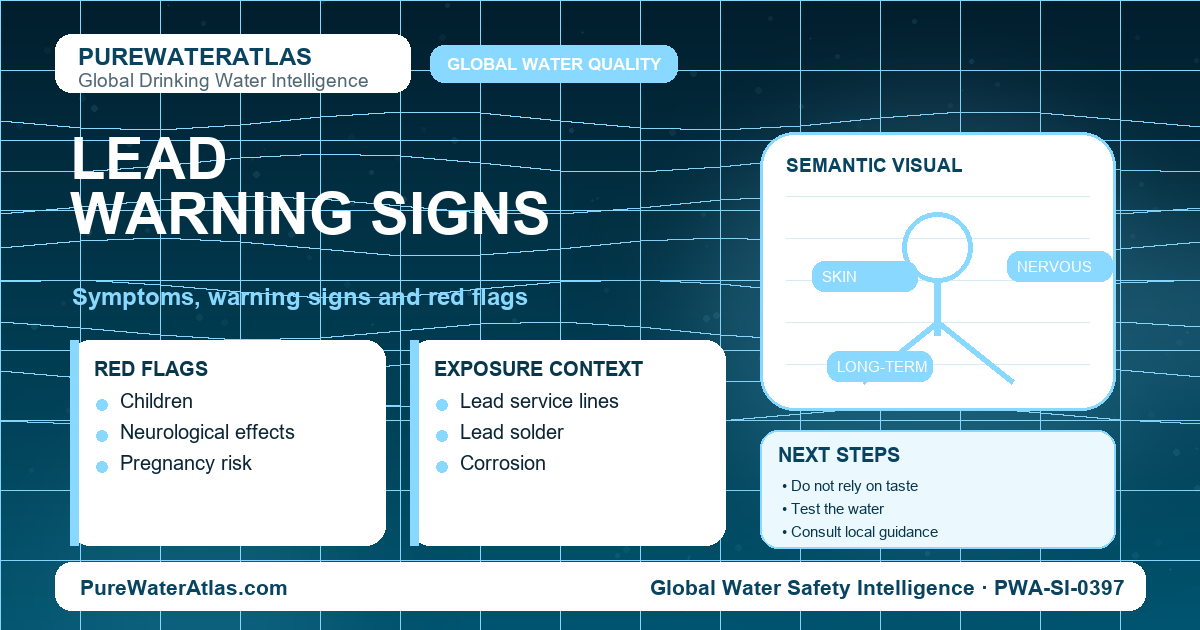
- Neurological effects from lead and some industrial chemicals
- Kidney and liver damage
- Dental or skeletal fluorosis from excessive fluoride
- Increased cancer risk from arsenic or certain organic chemicals
- Thyroid and metabolic impacts
- Reproductive and pregnancy-related complications
Nitrate contamination is particularly dangerous for infants because it can interfere with oxygen transport in the blood. Lead exposure is especially concerning for young children because even low levels can affect learning, behavior, and development.
Community-Level Impacts
Unsafe drinking water affects more than individual health. It can also lead to:
- School absenteeism due to waterborne illness
- Higher healthcare costs
- Reduced economic productivity
- Loss of trust in public services
- Greater reliance on expensive bottled or trucked water
For a deeper discussion of public health outcomes, see health effects and risks of unsafe drinking water.
Testing and Detection
Recognizing red flags is useful, but testing is what confirms whether a water source is safe. A major part of understanding countries with unsafe drinking water when to test is knowing that testing should occur both routinely and in response to warning events.
Visible Signs That Should Trigger Testing
Some of the clearest countries with unsafe drinking water visible signs include:
- Cloudy or turbid water
- Brown, yellow, red, green, or black discoloration
- Floating particles or sediment
- Oily or shiny film on the surface
- Unusual staining on sinks, laundry, or fixtures
- Slime or biofilm in containers, filters, or taps
These signs may indicate suspended solids, corrosion, algae, iron or manganese, pipe disturbance, or contamination entering the source or distribution system.
Taste and Odor Warning Signs
Changes in taste and smell are also important indicators. Examples include:
- Rotten egg smell: often linked to hydrogen sulfide or sulfur bacteria
- Metallic taste: may suggest iron, manganese, copper, or corrosion-related metals
- Salty taste: can indicate salinity intrusion or dissolved minerals
- Musty or earthy odor: may come from algae or organic matter
- Bleach or chemical odor: can reflect treatment issues or contamination
- Sewage-like smell: requires urgent attention due to possible wastewater contamination
While odor alone does not identify the exact contaminant, it is one of the most practical early warning tools available to consumers.
When to Test Immediately
Testing should be arranged as soon as possible if any of the following occur:
- Flooding near a well, spring, or water storage area
- Nearby sewage spill or septic system failure
- Construction, pipe repair, or loss of water pressure
- Sudden change in taste, odor, or color
- Repeated gastrointestinal illness in the household
- Known industrial accident or chemical release nearby
- New infant in a household using well water
- Agricultural runoff entering a source after heavy rain
Common Testing Methods
Water testing can range from simple field kits to detailed laboratory analysis. Common approaches include:
- Microbial tests: coliform bacteria, E. coli, and other pathogen indicators
- Chemical tests: lead, arsenic, nitrates, fluoride, pesticides, and other contaminants
- Physical measurements: turbidity, conductivity, pH, temperature, dissolved solids
- Residual disinfectant testing: chlorine levels in treated systems
Field test kits can be useful for screening, but laboratory testing is usually needed for accurate confirmation, especially for heavy metals and trace chemicals.
Limits of Observation Alone
One of the most important principles in water safety is that clean-looking water is not necessarily safe. Arsenic, lead, nitrates, and many pathogens may be present without obvious appearance changes. Conversely, some visible changes may be aesthetic rather than dangerous. This is why observation should be treated as a prompt for verification, not a substitute for testing.
Prevention and Treatment
Preventing exposure to contaminated water requires action at both the system level and the household level. The right strategy depends on whether the problem is microbial, chemical, physical, or related to storage and handling.
Source Protection
The best prevention begins before water reaches the tap. Source protection measures include:
- Keeping wells properly sealed and elevated
- Protecting springs from animal and surface runoff intrusion
- Maintaining sanitary setbacks from latrines, septic tanks, and waste dumps
- Reducing industrial discharge into waterways
- Managing agricultural runoff through buffer zones and proper fertilizer application
Treatment Methods for Microbial Risks
When pathogens are the main concern, effective treatment options may include:
- Boiling
- Chlorination
- Ultraviolet disinfection
- Ceramic or membrane filtration designed for microbial removal
- Properly managed municipal treatment systems
Boiling is useful in emergencies, but it does not remove heavy metals or many chemical contaminants. This is a critical distinction in public education.
Treatment Methods for Chemical Risks
Chemical contamination often requires more specialized solutions. Depending on the contaminant, options may include:
- Reverse osmosis
- Activated carbon for certain organic compounds and taste/odor issues
- Ion exchange
- Distillation
- Adsorptive media for arsenic or fluoride
- Corrosion control in municipal systems to reduce metal leaching
No single filter removes every contaminant. Choosing an appropriate system requires knowing the water quality problem first. Readers interested in practical solutions can explore resources in water purification and water treatment systems.
Safe Storage and Handling
Household storage practices are essential, especially where water is collected from a communal source. Good practices include:
- Using clean, food-grade containers
- Keeping storage containers covered
- Pouring rather than dipping into stored water
- Cleaning containers regularly
- Separating treated water from untreated water
Travel and Household Precautions
In higher-risk settings, people can reduce exposure by:
- Drinking water from a verified safe source
- Using certified portable filters where appropriate
- Avoiding ice of uncertain origin
- Brushing teeth with treated or bottled water if local safety is uncertain
- Monitoring local boil-water notices and public health advisories
Common Misconceptions
Many unsafe water exposures occur because people rely on assumptions that are not scientifically reliable. Correcting these misconceptions is an important part of public health education.
If Water Is Clear, It Is Safe
This is false. Many harmful contaminants are invisible. Clear water may still contain bacteria, viruses, arsenic, nitrates, lead, or dissolved chemicals.
If Water Smells Like Chlorine, It Must Be Dangerous
Not necessarily. A chlorine smell may indicate disinfection is present, which can be protective. However, an excessively strong chemical odor may suggest treatment imbalance or contamination. The context matters.
Boiling Solves Every Water Problem
Boiling is highly effective against many pathogens, but it does not remove most metals, salts, or chemical pollutants. In some situations, boiling can even concentrate certain dissolved contaminants as water evaporates.
Natural Spring Water Is Always Safe
This is another common myth. Springs can be contaminated by surface runoff, wildlife, livestock waste, nearby sanitation problems, or natural chemical contamination from surrounding rock and soil.
Bottled Water Is Always Safer Than Tap Water
Not always. Bottled water quality depends on source, storage, packaging integrity, and regulation. In some places it is safer than local tap water, but it should not be assumed automatically safe without reliable sourcing.
Bad Taste Means Water Is Harmful, and Good Taste Means It Is Safe
Taste can be a useful warning sign, but it is not a complete safety measure. Some safe water has a strong mineral taste, and some dangerous water has no unusual taste at all.
Regulations and Standards
Water safety standards are typically based on health-protective guidelines set by national regulators and international organizations. While standards vary by country, they usually address microbiological quality, chemical contaminants, physical characteristics, and monitoring requirements.
International Guidance
The World Health Organization provides widely used guidelines for drinking-water quality. These guidelines help governments establish national standards and identify acceptable limits for pathogens, chemicals, and operational indicators. They are especially important in regions building or updating regulatory frameworks.
National Standards and Enforcement
Many countries have their own drinking water standards, but enforcement capacity differs greatly. Some systems have strong routine monitoring, public reporting, and rapid response mechanisms. Others may face challenges such as:
- Limited laboratory capacity
- Insufficient funding for monitoring
- Weak rural infrastructure oversight
- Inconsistent enforcement in remote communities
- Poor maintenance of treatment and distribution systems
This is why country-level statistics alone do not always capture local risk. Urban centers may have treated networks, while rural communities rely on untreated wells or surface water. Even within cities, informal settlements may face very different water quality conditions than nearby regulated neighborhoods.
Key Parameters Commonly Regulated
Typical water quality regulations include limits or targets for:
- E. coli and total coliform bacteria
- Turbidity
- Residual chlorine in treated systems
- Arsenic
- Lead
- Nitrates and nitrites
- Fluoride
- Pesticides and industrial chemicals
- pH and corrosivity-related parameters
Why Standards Matter for Warning Signs
Warning signs become more meaningful when paired with standards. For example, rusty color may suggest iron, but a laboratory result determines whether the level is merely aesthetic or part of a larger corrosion problem involving metals and infrastructure. A sulfur odor may be unpleasant yet not always highly dangerous, whereas a nitrate result above regulatory limits may pose serious infant health risks without any obvious sensory clue.
In practical terms, regulations provide the benchmark, while warning signs provide the early alert.
Conclusion
Understanding countries with unsafe drinking water warning signs is essential for making informed decisions about health and safety. The most important lesson is that unsafe water may reveal itself in several ways: visible changes such as cloudiness or discoloration, taste and odor problems such as metallic or sewage-like smells, illness patterns within a household, and environmental risk indicators such as flooding, broken pipes, poor sanitation, or nearby industrial activity.
At the same time, the absence of visible or sensory problems does not guarantee safety. Many of the most harmful contaminants are invisible and require proper testing to detect. That is why suspicious changes, health symptoms, and known risk events should trigger water quality testing rather than guesswork.
An effective response combines awareness, testing, treatment, and prevention. Safe storage, appropriate filtration, disinfection, source protection, and strong public water management all play a role. Whether the concern is microbial contamination, chemical exposure, or infrastructure failure, early recognition and timely action can significantly reduce health risks.
For anyone comparing conditions across regions, it is helpful to remember that water safety can vary widely within the same country. Local infrastructure, monitoring capacity, sanitation systems, and environmental pressures matter just as much as national averages. The most reliable approach is to use warning signs as prompts for investigation, confirm concerns with testing, and choose treatment methods based on the actual contaminants present.
Read the full guide: Global Water Quality Guide
Explore more in this category: Global Water Quality Articles