Introduction
Understanding e coli water contamination regulations is essential for anyone responsible for drinking water safety, wastewater oversight, food production, agriculture, environmental health, or building water systems. Escherichia coli, commonly called E. coli, is one of the most recognized microbial indicators in water quality management. While many strains of E. coli are harmless and normally live in the intestines of humans and animals, its presence in water often signals fecal contamination and the possible presence of other harmful pathogens.
Because of that role as an indicator organism, E. coli is central to modern water monitoring programs. Regulators, utilities, laboratories, and public health agencies use E. coli testing to judge whether water is microbiologically safe, whether treatment systems are working properly, and whether corrective action is needed. This article explains how contamination happens, why it matters, how it is measured, and how major regulatory frameworks approach safe water management. Readers looking for broader background can also explore water microbiology and a more comprehensive overview in this complete guide to E. coli in water.
The topic is especially important because people often assume all water risks are chemical, visible, or easy to identify by taste or smell. In reality, microbial contamination can occur even in water that looks clean. That is why e coli water contamination compliance depends on routine testing, treatment verification, source protection, infrastructure maintenance, and clear public health rules. Across the world, agencies such as the U.S. Environmental Protection Agency, the World Health Organization, and national drinking water authorities have developed frameworks to reduce the risk of disease transmission through water.
This article provides an educational, authoritative explanation of what E. coli contamination means, what causes it, what health consequences may follow, how detection works, and how regulatory standards guide action. It also clarifies the difference between legal requirements, guideline values, operational targets, and practical e coli water contamination safe limits in different water contexts.
What It Is
E. coli is a bacterium that belongs to the coliform group and is found in the digestive tracts of warm-blooded animals. In water quality science, it is widely used as an indicator of fecal contamination. This means that if E. coli is detected in a water sample, there is a meaningful chance that feces have entered the water and that disease-causing microorganisms such as viruses, bacteria, or protozoa may also be present.
Not all E. coli strains are dangerous. Most are harmless and are part of normal intestinal flora. However, certain pathogenic strains, such as shiga toxin-producing E. coli, can cause severe illness. Even when the specific strain in water is not itself pathogenic, its presence is still a warning sign that the water may be microbiologically unsafe.
Regulatory programs focus on E. coli because it offers several practical advantages:
- It is strongly associated with fecal pollution.
- It is easier and faster to test for than many pathogens.
- Its presence can indicate treatment failure or source contamination.
- It supports routine monitoring across drinking water, recreational water, groundwater, and source water systems.
In drinking water, the ideal standard is usually that E. coli should not be present at all in a specified sample volume, commonly 100 milliliters. In other contexts, such as recreational waters, irrigation waters, or environmental waters, acceptable levels may be expressed differently using geometric means, statistical thresholds, or risk-based categories.
It is also helpful to distinguish E. coli from total coliforms. Total coliforms are a broader group of bacteria found in soil, vegetation, and water as well as feces. Their presence may indicate distribution system vulnerability or general sanitary issues, but they are less specific than E. coli as a marker of fecal contamination. For public health decision-making, E. coli is generally the more critical signal.
Main Causes or Sources
E. coli enters water through fecal matter from humans, livestock, wildlife, pets, or sewage. The exact route depends on the water source, land use, climate, sanitation conditions, and condition of infrastructure. A detailed discussion is available in this guide to causes and sources, but the main pathways are summarized below.
Sewage Leaks and Wastewater Overflows
One of the most direct sources of contamination is untreated or partially treated sewage. Broken sewer lines, leaking septic systems, combined sewer overflows, and treatment plant failures can release fecal bacteria into rivers, lakes, aquifers, and even drinking water distribution systems. During storms, older infrastructure may become overwhelmed, allowing contaminated water to bypass normal treatment barriers.
Agricultural Runoff
Farms can contribute significant microbial loading to nearby water bodies. Animal manure used as fertilizer, livestock access to streams, manure lagoons, and runoff from feedlots can all transport E. coli into surface waters. Heavy rain often amplifies this risk by washing fecal material from land into drainage channels, ponds, reservoirs, and groundwater recharge areas.
Wildlife and Natural Background Sources
Birds, deer, rodents, and other wild animals can introduce E. coli into source waters. While wildlife-related contamination may be less concentrated than raw sewage, it can still affect untreated water sources, especially in small reservoirs, roof-collected rainwater systems, and shallow wells.
Failing Private Wells
Private wells can become contaminated when they are poorly constructed, improperly sealed, located too close to septic systems, or affected by floodwater. Shallow wells are especially vulnerable. Unlike public systems, private wells are not always covered by the same mandatory monitoring requirements, so owners must be proactive about testing and maintenance.
Stormwater and Flooding
Rainfall and flood events are major contributors to microbial contamination. They can mobilize animal waste, overflow sewage systems, inundate wellheads, and disturb sediments that contain bacteria. Climate variability and extreme weather are making this pathway increasingly relevant to water safety planning.
Distribution System Intrusion
Even if water leaves a treatment plant clean, contamination can still occur in the distribution network. Low pressure events, pipe breaks, cross-connections, storage tank issues, and poor maintenance can allow contaminated water or debris to enter the system. Detection of E. coli in distributed drinking water may therefore indicate post-treatment contamination rather than a source water problem alone.
Health and Safety Implications
The public health significance of E. coli in water lies in two related issues: some strains are directly pathogenic, and all confirmed fecal contamination suggests the possible presence of other harmful microorganisms. This is why regulators treat E. coli findings seriously, especially in potable water supplies. More background is available in this overview of health effects and risks.
Possible Health Effects
Exposure to contaminated water can lead to gastrointestinal illness, including diarrhea, abdominal cramps, nausea, vomiting, and fever. In more severe cases, especially involving pathogenic strains, infection may lead to dehydration, bloody diarrhea, kidney complications, or hospitalization. Young children, older adults, pregnant individuals, and people with weakened immune systems are at higher risk.
Beyond E. coli itself, fecal contamination can indicate the potential presence of pathogens such as:
- Salmonella
- Shigella
- Campylobacter
- Norovirus and other enteric viruses
- Giardia
- Cryptosporidium
Why Regulators Use a Zero-Tolerance Approach in Drinking Water
For treated drinking water, the regulatory expectation is typically extremely strict because even small amounts of fecal contamination may signal a barrier failure. In this setting, discussions of e coli water contamination safe limits often simplify to a practical public health message: E. coli should not be detectable in the defined drinking water sample volume. This does not mean every non-detect result proves absolute sterility, but it reflects a protective standard for routine monitoring.
Acute Risk Versus Chronic Risk
Microbial contamination is often an acute risk rather than a long-term cumulative one. A single contamination event can rapidly cause illness if contaminated water is consumed. This is different from many chemical contaminants, where risk may develop from long-term exposure. As a result, E. coli regulations emphasize immediate response, confirmatory sampling, boil water advisories, disinfection review, and rapid corrective action.
Testing and Detection
Reliable detection is the foundation of e coli water contamination compliance. Without regular sampling and validated laboratory methods, utilities and health authorities cannot determine whether water remains safe or whether water rules are being met.
Common Testing Methods
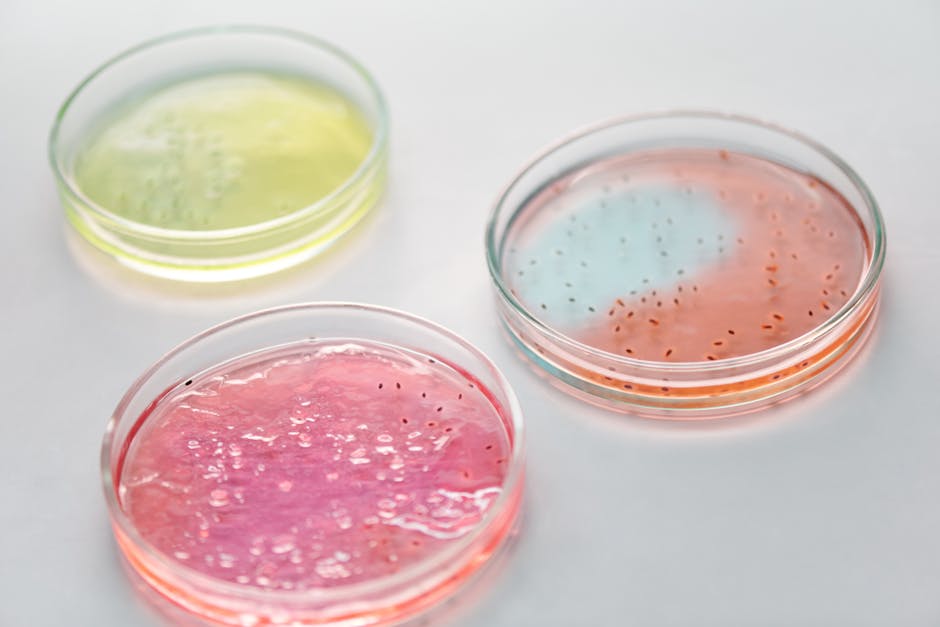
Laboratories use several established methods to detect E. coli in water. These may include culture-based tests, enzyme-substrate methods, membrane filtration, defined substrate technology, and most probable number techniques. The choice depends on the regulatory framework, sample type, laboratory capacity, and desired turnaround time.
Most methods report results as presence or absence in a given sample volume, or as colony-forming units or most probable number per 100 milliliters. For drinking water, presence-absence testing in 100 mL is common. Recreational and environmental monitoring may use concentration-based reporting.
Sampling Strategy Matters
Test results are only as useful as the sampling plan behind them. Good programs define:
- Where samples are taken
- How often sampling occurs
- How samples are collected and preserved
- What follow-up samples are required after a detection
- How seasonal or weather-related factors affect risk
Public water systems usually monitor treated water at multiple points in the distribution network, not just at the treatment plant. This helps identify localized contamination, pressure-related intrusion, or storage problems.
Interpreting Results
A positive E. coli result does not always mean a large outbreak is underway, but it does require urgent attention. Interpretation typically considers:
- Whether the sample was from source water, treated water, or distribution water
- Whether repeat samples confirm contamination
- Whether total coliform positives are also increasing
- Whether there have been treatment upsets, storms, pipe breaks, or pressure losses
- Whether disinfection residuals are adequate
Regulations often require repeat monitoring, public notification, and formal assessment if E. coli is detected in a regulated drinking water system. This is because E. coli is not merely a technical parameter; it is a public health trigger.
Prevention and Treatment
Preventing contamination is more effective than responding after people become ill. A strong water safety program combines source protection, treatment barriers, system integrity, monitoring, and emergency planning.
Source Water Protection
Reducing fecal contamination at the source is a first line of defense. Effective measures include:
- Protecting watersheds and wellhead areas
- Managing livestock access to streams
- Improving manure storage and land application practices
- Maintaining septic systems and sewer infrastructure
- Controlling stormwater flows and runoff pathways
Water Treatment Barriers
In public drinking water systems, microbial safety usually depends on multiple treatment barriers. These may include coagulation, flocculation, sedimentation, filtration, and disinfection. Common disinfectants include chlorine, chloramine, ozone, and ultraviolet light, depending on system design.
No single barrier should be relied upon in isolation. If source water quality deteriorates or one treatment step underperforms, other barriers help maintain safety. This multiple-barrier philosophy is central to both modern regulations and risk management.
Distribution System Management
Utilities must also maintain pressure, prevent cross-connections, inspect storage tanks, repair leaks promptly, and sustain disinfectant residuals where applicable. These actions help prevent microbial regrowth or intrusion after treatment.
Household and Emergency Measures
When contamination is suspected or confirmed, short-term protective actions may include:
- Boiling water before drinking, cooking, brushing teeth, or washing produce
- Using certified point-of-use treatment devices designed for microbial removal
- Disinfecting private wells after flooding or repairs
- Following local public health advisories closely
Private well owners should test regularly, especially after flooding, construction, changes in taste or odor, or nearby septic problems. Those seeking more resources on potable water protection may find useful material under drinking water safety.
Common Misconceptions
Misunderstandings about E. coli in water can lead to poor decisions, delayed responses, or false confidence. Several misconceptions appear frequently in public discussions and even in operational settings.
Misconception 1: Clear Water Is Safe Water
Water can look, taste, and smell normal while still containing harmful bacteria. Microbial contamination is often invisible. Visual clarity is not a substitute for testing.
Misconception 2: Any E. coli Detection Means the Test Must Be Wrong
False positives can occur in rare cases through sampling or laboratory error, but they cannot be assumed. Regulations typically require confirmation and investigation precisely because a positive result may reflect a real public health risk.
Misconception 3: Chlorine Always Solves the Problem Instantly
Disinfection is highly effective when correctly applied, but it does not replace source control, filtration where needed, or infrastructure integrity. If contamination is entering the system continuously, simply adding more disinfectant may not address the root cause.
Misconception 4: There Is One Universal Standard for All Water Types
Different water uses are governed by different criteria. Drinking water, recreational water, agricultural water, wastewater reuse, and environmental monitoring do not all use the same numerical thresholds. That is why e coli water contamination water rules must be understood in context.
Misconception 5: E. coli Standards Only Apply to Large Utilities
While legal obligations vary, the public health principles apply broadly. Schools, food facilities, campgrounds, healthcare sites, agricultural operators, and private well owners all benefit from understanding contamination risks and response protocols.
Regulations and Standards
This is the central area where science, public health, and law intersect. e coli water contamination regulations are designed to prevent disease by setting expectations for monitoring, treatment performance, corrective action, and public communication. These rules vary by country and water use, but several common themes appear across systems.
How Standards Are Structured
Water standards usually involve one or more of the following:
- Maximum contaminant limits or treatment technique requirements for drinking water
- Presence-absence standards in specified sample volumes
- Indicator-based monitoring requirements for routine compliance
- Risk-based guideline values for recreational or environmental waters
- Corrective action triggers when contamination is detected
- Public notification requirements for health-related exceedances
Importantly, standards are not just numbers. They also define how samples are collected, how often they must be taken, what analytical methods are approved, what constitutes a violation, and what response is required.
U.S. EPA Approach
Discussion of e coli water contamination epa standards usually centers on the federal drinking water rules implemented under the Safe Drinking Water Act. In the United States, E. coli is regulated as a key indicator of fecal contamination in public water systems. The regulatory framework has evolved over time, especially through total coliform and revised coliform rules.
In practical terms, the EPA approach for drinking water expects E. coli to be absent in routine compliance samples. When a sample tests positive for total coliform, follow-up testing is required, and if E. coli is detected in a repeat sample or under specified triggering conditions, the result becomes a serious compliance and public health matter.
Key features of the U.S. framework include:
- Routine monitoring based on system size and type
- Repeat sampling after positive findings
- Assessment requirements to identify sanitary defects
- Mandatory corrective actions
- Public notice obligations for violations presenting potential acute risk
The EPA also addresses microbial risk in source water and treatment through rules for surface water treatment, groundwater protection, and treatment technique requirements. These rules recognize that direct pathogen monitoring is not always practical at compliance scale, so indicator organisms and barrier performance remain central.
WHO Guidance
e coli water contamination who guidelines are highly influential around the world, especially where national regulatory frameworks are developing or being updated. The World Health Organization uses a risk-based approach in its Guidelines for Drinking-water Quality. For drinking water, WHO guidance generally treats E. coli or thermotolerant coliform bacteria as the most important indicator of fecal contamination, with a target of no detectable E. coli in 100 mL of water intended for drinking.
WHO guidance differs from some national legal codes because it is primarily a global public health framework rather than a single enforceable law. It emphasizes:
- Health-based targets
- Water safety plans
- Multiple-barrier protection
- Preventive risk management from catchment to consumer
- Operational monitoring as well as verification testing
This risk management model has been widely adopted internationally because it recognizes that testing alone cannot guarantee safety. Preventive control of the whole water supply system is essential.
Safe Limits and Why Context Matters
Questions about e coli water contamination safe limits often arise because people encounter different numerical values in different documents. The answer depends on the type of water and intended use.
- Drinking water: Typically no detectable E. coli in 100 mL.
- Recreational water: Acceptable levels are usually higher than for drinking water and are based on illness risk models, statistical thresholds, and multiple samples over time.
- Agricultural water: Criteria may vary depending on crop type, irrigation method, and whether produce is likely to be consumed raw.
- Wastewater and reclaimed water: Limits may be set according to intended reuse and treatment level.
Because of these differences, comparing one water type to another can be misleading. A level considered unacceptable in finished drinking water might be handled differently in recreational monitoring or wastewater reuse programs. The strictest expectations apply to water intended for direct human consumption.
Compliance and Enforcement
e coli water contamination compliance involves more than obtaining a clean test result. It includes ongoing fulfillment of all applicable regulatory duties, such as:
- Using approved sampling procedures
- Meeting monitoring frequency requirements
- Using certified laboratories where required
- Reporting results on time
- Investigating positive samples
- Correcting sanitary defects
- Issuing consumer notifications when mandated
- Documenting remedial actions and verification results
Compliance failures can arise even if a contamination event is short-lived, because regulations are designed to ensure rapid detection and response. Enforcement may include notices of violation, administrative orders, mandated improvements, penalties, or intensified oversight.
Examples of Water Rules Beyond Drinking Water
The broader field of e coli water contamination water rules includes standards for beaches, shellfish waters, agricultural operations, wastewater discharges, and reclaimed water systems. These rules may be set by environmental agencies, health departments, agriculture ministries, or regional authorities.
For example, recreational water programs often use E. coli as an indicator for fecal pollution at freshwater beaches. Instead of a strict zero-detection standard, they may use geometric mean criteria and statistical threshold values because exposure patterns and risk assumptions differ from those of drinking water. Agricultural water standards may focus on pre-harvest water used on produce, recognizing that contaminated water can transfer pathogens to food.
Global approaches vary considerably due to differences in infrastructure, climate, source water types, sanitation systems, and regulatory capacity. Readers interested in broader international issues can review resources on global water quality.
Why Regulations Continue to Evolve
Standards change over time as science improves. Regulators consider new evidence on pathogen risk, climate-related impacts, treatment technologies, source water vulnerability, and disease outbreaks. They also refine analytical methods and data interpretation. As a result, organizations responsible for water quality should monitor updates rather than relying on outdated assumptions.
Current trends in regulation and guidance include:
- Greater use of risk-based water safety planning
- More attention to extreme weather and resilience
- Improved microbial source tracking methods
- Closer integration of watershed management and utility operations
- Stronger expectations for transparency and public communication
Conclusion
E. coli remains one of the most important indicators in water quality protection because it provides a practical warning of fecal contamination and possible pathogen presence. Understanding e coli water contamination regulations requires looking beyond a single test result to the broader system of monitoring, prevention, treatment, response, and accountability that protects public health.
Across major frameworks, the core message is consistent. Drinking water should be free of detectable E. coli, contamination events must be investigated immediately, and water safety depends on multiple barriers from source to tap. Whether one is reviewing e coli water contamination epa standards, comparing e coli water contamination who guidelines, or evaluating local e coli water contamination water rules, the essential principle is the same: fecal contamination in drinking water is a serious signal that requires action.
For utilities, regulators, facility operators, and private owners alike, successful e coli water contamination compliance depends on regular testing, sound infrastructure, validated treatment, and rapid corrective measures. In practical public health terms, the safest approach is preventive: protect source water, maintain treatment systems, monitor consistently, and respond quickly to any sign of contamination.
With stronger awareness and better implementation of standards, communities can reduce microbial risk and maintain safer water systems for households, institutions, and the environment.
Read the full guide: Water Microbiology Guide
Explore more in this category: Water Microbiology Articles