Water testing and analysis are essential for determining whether drinking water is safe and free from harmful contaminants. Many pollutants are invisible, odorless, and tasteless, making testing the only reliable way to assess water quality.
Understanding how to test water, what to look for, and how to interpret results allows individuals to make informed decisions about drinking water safety. This guide provides a complete overview of water testing methods and analysis.
What Is Water Testing?
Water testing is the process of analyzing water samples to detect chemical, biological, and physical contaminants. It helps determine whether water meets safety standards and is suitable for drinking and everyday use.
👉 Explore testing topics:
Water Testing
Why Water Testing Matters
Even if water looks clean, it may still contain harmful substances. Regular testing helps identify contamination early and prevent exposure to health risks.
Testing is especially important for private wells, older plumbing systems, and areas with known contamination risks.
👉 Learn more about drinking water safety:
Drinking Water Safety
Types of Water Testing Methods
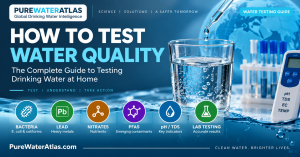
There are different ways to test water depending on the level of accuracy required:
- Laboratory testing (most accurate and detailed)
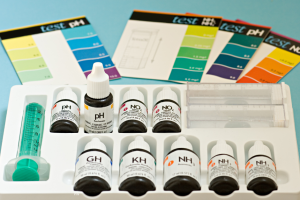
- Home testing kits (quick and convenient)
- Digital sensors and monitoring systems
Each method has advantages and limitations depending on the situation.
👉 Related articles:
- Solar Water Purification: Testing and Detection Methods
- Minerals in Drinking Water: Testing and Detection Methods
- Advanced Oxidation Processes for Water Treatment: Testing and Detection Methods
- Arsenic in Drinking Water: Testing and Detection Methods
- Waterborne Pathogens in Drinking Water: Testing and Detection Methods
- Countries with Unsafe Drinking Water: Testing and Detection Methods
- Water Quality by Country: Testing and Detection Methods
- PFAS in Drinking Water: Testing and Detection Methods
- Heavy Metals in Drinking Water: Testing and Detection Methods
- Biofilms in Water Pipes: Testing and Detection Methods
What Can Water Testing Detect?
Water testing can identify a wide range of contaminants, including:
- Chemical contaminants (lead, arsenic, nitrates)
- Biological contaminants (bacteria, viruses, parasites)
- Physical parameters (turbidity, sediment)
- Water properties (pH, hardness, dissolved solids)
Understanding what to test for is essential for accurate results.
👉 Learn more about contamination:
Drinking Water Safety
How to Interpret Water Test Results
Interpreting test results requires understanding acceptable levels and safety standards. Results are often compared against regulatory guidelines to determine whether water is safe.
Key aspects include:
- Maximum contaminant levels
- Presence of indicator organisms
- Chemical concentration thresholds
How to Choose the Right Testing Method
Choosing the right testing method depends on:
- Type of water source (well, municipal)
- Suspected contaminants
- Budget and frequency of testing
- Required level of accuracy
Proper selection ensures reliable and meaningful results.
How Water Testing Connects to Treatment
Testing is the first step before choosing any purification or treatment method. Without testing, it is difficult to select the right solution.
👉 Explore purification methods:
Water Purification
👉 Explore treatment systems:
Water Treatment Systems
Water Testing Around the World
Water testing practices vary globally depending on infrastructure, regulation, and access to laboratory facilities.
In some regions, testing is routine and regulated, while in others, access to reliable testing may be limited.
👉 Explore global water quality:
Global Water Quality
Related Drinking Water Topics
Key Takeaways
- Water testing is essential for identifying invisible contaminants
- Different testing methods offer varying levels of accuracy
- Understanding results is crucial for making safe decisions
- Testing should be done regularly, especially for private water sources
- Testing helps determine the appropriate treatment solution
Final Thoughts
Water testing is the foundation of safe drinking water management. By regularly testing your water and understanding the results, you can take proactive steps to protect your health and ensure water quality.
PureWaterAtlas provides detailed resources to help you understand testing methods, interpret results, and choose the best solutions for your water.
👉 Continue exploring:
Blog
👉 Explore all detailed testing articles: Water Testing Articles
Explore related topics
Water Testing
Articles dedicated to water testing methods, detection tools, and result interpretation.

Drinking Water Safety
Practical articles to help readers understand whether their water is safe and what warning signs to watch for.
Water Contamination
Key articles covering common contaminants, exposure pathways, and health implications.