Boiling water is one of the oldest and most widely trusted household water safety measures. It is simple, low-cost, and effective against many disease-causing microorganisms when done correctly. For families, travelers, field workers, disaster responders, and municipal officials, boiling remains a practical line of defense when treated drinking water may be unsafe or when a boil water advisory has been issued.
This boiling water safety guide looks beyond a single instruction such as “boil your water.” The safety value of boiling depends on why the water is unsafe, where the water comes from, how it is stored, the elevation of the location, and whether the concern is microbial contamination or chemical pollution. Boiling is excellent for reducing risks from bacteria, viruses, and protozoa. It is not a complete purification method for lead, arsenic, nitrate, PFAS, pesticides, petroleum compounds, salt, or many industrial contaminants. In some chemical contamination scenarios, boiling can make water less safe by concentrating non-volatile contaminants as water evaporates.
The country and city context matters. A large city with continuous chlorinated supply has a different risk profile than a district with intermittent water service, a rural community using shallow wells, a coastal city affected by saltwater intrusion, or a mountain village relying on untreated surface water. This article provides a practical framework for deciding when boiling is appropriate, when additional treatment or bottled water is needed, and how households can interpret local conditions without guessing.
For broader background on household water risks, municipal treatment, and contaminant categories, see the PureWaterAtlas pillar guide to Drinking Water Safety. This article focuses specifically on boiling as a safety intervention and how its usefulness changes across countries and cities.
What Boiling Water Actually Does
Boiling is a heat disinfection method. When water reaches a rolling boil, heat damages essential structures in microorganisms, including proteins, membranes, enzymes, and genetic material. This makes many pathogens unable to reproduce or cause infection. In practical drinking water safety, boiling is used mainly to control microbial hazards.
The main microbial groups addressed by boiling include bacteria such as Escherichia coli, Salmonella, Shigella, and Vibrio cholerae; viruses such as norovirus, rotavirus, hepatitis A virus, and enteroviruses; and protozoan parasites such as Giardia and Cryptosporidium. Some organisms are more heat resistant than others, but a rolling boil provides a strong safety margin when the water has been brought fully to boiling and then cooled and stored hygienically.
Boiling is not the same as filtration. It does not physically remove sediment, metals, salts, or most dissolved chemicals. It also does not remove dead microorganisms from the water. From a health perspective, dead microorganisms are usually not the concern; viable infectious organisms are. But if the water contains heavy turbidity, organic matter, fuel residues, cyanotoxins, or high mineral contamination, boiling alone may not produce safe drinking water.
Authorities such as the World Health Organization and the U.S. Environmental Protection Agency treat microbial contamination as a central cause of unsafe drinking water worldwide. Boiling is therefore most valuable when the main hazard is fecal contamination, loss of disinfection, pipe intrusion, floodwater exposure, or uncertain microbiological quality.
How Long to Boil Water for Safety
For most household situations, bring clear water to a full rolling boil for at least one minute. At high elevations, where water boils at a lower temperature because air pressure is reduced, a longer boil is commonly recommended. A practical rule is to boil for three minutes above about 2,000 meters, or 6,500 feet, elevation. This additional time provides a safety margin where the boiling temperature is lower.
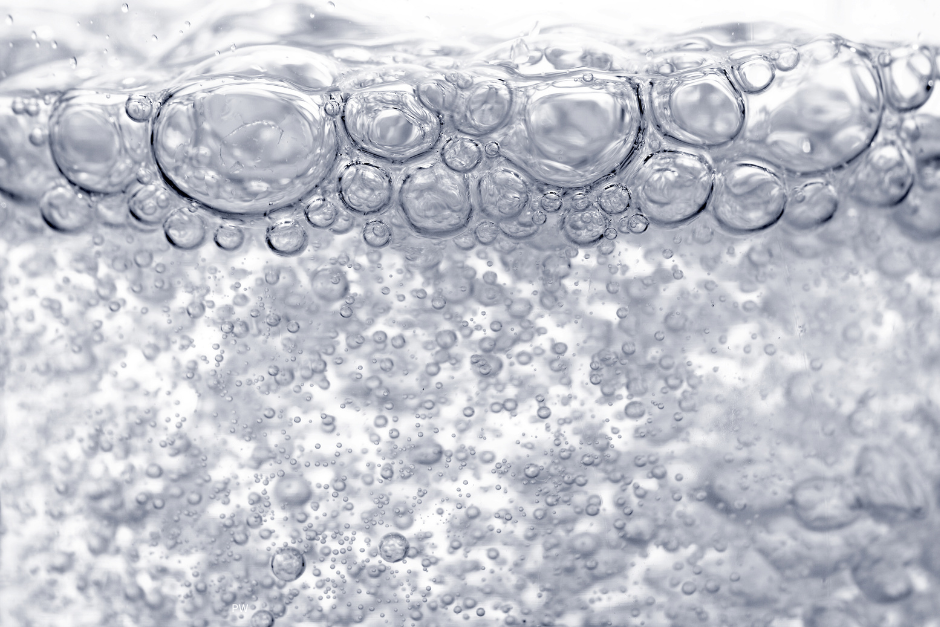
A rolling boil means large bubbles are rising continuously and vigorously from the bottom of the pot. Small bubbles forming on the sides of a pan, steaming water, or water that is hot but not boiling should not be treated as adequate disinfection. The entire volume should reach a rolling boil. After boiling, allow the water to cool naturally in a covered, clean container. Do not add ice made from untreated water.
If the water is visibly cloudy, muddy, or contains floating material, boiling should be preceded by settling and filtration through a clean cloth, coffee filter, or other prefilter. This does not make the water chemically safe, but it reduces particles that can shelter microorganisms and improves taste and appearance. When available, a proper sediment filter is better than improvised cloth filtration.
Boiled water can be recontaminated after treatment. Use clean utensils, disinfected storage containers, and a lid. If possible, pour water rather than dipping cups into the container. In households with infants, older adults, pregnant people, or immunocompromised individuals, post-boil handling is as critical as the boiling step itself.
When Boiling Is the Right Response
Boiling is usually an appropriate response when the main risk is biological contamination. This includes boil water advisories caused by water main breaks, low pressure events, treatment plant failures, flooding, confirmed detection of fecal indicator bacteria, suspected sewage intrusion, or loss of chlorination. It is also useful for travelers staying in places where tap water may be microbiologically unsafe and for rural households using untreated surface water or shallow groundwater.
In cities with normally reliable water treatment, a boil advisory is often temporary and targeted. A water main break, pressure loss, or repair can allow contaminated water to enter distribution pipes. Even if the treatment plant produces safe water, distribution system problems can create local risk. Boiling addresses that short-term microbial risk until the utility confirms that water quality has been restored.
In areas with intermittent water service, boiling may be needed more frequently. When pipes are depressurized for hours each day, contaminated water from soil, drains, or leaking sewers can be drawn into cracks and joints. Storage tanks and rooftop cisterns can also become contaminated if they are not cleaned or sealed. In these settings, boiling may be part of a routine household safety plan rather than a rare emergency action.
Boiling is also useful where water is collected from springs, rivers, lakes, rainwater tanks, or community standpipes and there is no reliable final disinfectant. However, the effectiveness of boiling depends on the contaminant profile. Water from a clear mountain stream can carry protozoa from animal feces. Water from a flood-affected well can carry bacteria and sewage organisms. Water from a mining region may carry metals that boiling cannot remove.
When Boiling Is Not Enough
The most serious misunderstanding about boiling is the belief that it makes any water safe. It does not. Boiling is a microbial safety method, not a universal purification method. If the water is contaminated with lead, arsenic, nitrate, fluoride at excessive levels, PFAS, many pesticides, industrial solvents, petroleum products, salt, or radioactive materials, boiling is not the correct primary treatment.
Some chemicals remain in the water as steam escapes. When water evaporates, the concentration of non-volatile contaminants can rise. For example, boiling water with high nitrate, arsenic, lead, or salt can slightly increase their concentration in the remaining water. This is why authorities often advise against boiling when chemical contamination is suspected. In such cases, use bottled water from a safe source, an appropriate certified treatment system, or an alternative supply identified by local health officials.
Boiling can reduce some volatile compounds and disinfectant residuals because they may evaporate, but this is not a reliable safety strategy. Volatile organic compounds differ in behavior, and boiling can also release vapors into indoor air. If water smells strongly of gasoline, solvents, fuel, sewage mixed with chemicals, or unknown industrial substances, do not boil it for drinking unless a competent public health authority has specifically advised that boiling is safe.
For households concerned about metals, nitrate, PFAS, pesticides, or other chemical contaminants, laboratory testing is the correct starting point. PureWaterAtlas provides a detailed Water Testing Guide that explains which tests match which risks. For treatment options beyond boiling, including activated carbon, reverse osmosis, distillation, ultraviolet treatment, and ion exchange, see Water Purification Methods.
Country and City Risk Factors That Change Boiling Advice
Boiling advice cannot be interpreted without local context. Two households may both ask whether tap water should be boiled, but the answer may differ if one lives in a continuously supplied chlorinated city system and the other relies on a rooftop tank filled during intermittent supply. A third household using a private well near agricultural land may face nitrate risk that boiling cannot solve.
The following factors shape how boiling fits into water safety planning across countries and cities.
Continuity of Water Supply
Continuous pressurized supply protects water quality by keeping treated water moving outward through the distribution network. Intermittent supply creates periods of low or negative pressure. During these periods, contaminated water can enter through pipe cracks, illegal connections, or damaged joints. Many cities in water-stressed regions use intermittent supply, sometimes by neighborhood rotation. In such systems, boiling may reduce microbial risk at the point of use, but it does not fix the underlying distribution problem.
Quality of Distribution Infrastructure
A modern treatment plant cannot fully protect consumers if distribution pipes are old, leaking, cross-connected, or exposed to sewage intrusion. Cities with aging infrastructure may issue boil advisories after main breaks or pressure drops. In lower-resource urban districts, the same distribution vulnerabilities may occur without rapid public notification. Households should pay attention to water pressure changes, discoloration, nearby pipe repairs, and official notices.
Household Storage Practices
In many cities, water is stored in roof tanks, basement tanks, drums, or household containers. Storage can protect against supply interruptions, but it creates new contamination routes. Open containers, dirty lids, biofilm, sediment, insects, rodents, and infrequent cleaning can undermine the quality of water that was safe when delivered. Boiling can disinfect water after storage, but containers used after boiling must also be clean.
Source Water Type
Groundwater, surface water, desalinated water, rainwater, and blended supplies have different risks. Groundwater may be microbiologically stable but vulnerable to arsenic, fluoride, nitrate, salinity, or industrial contamination. Surface water is more exposed to fecal contamination, algal toxins, storm runoff, and turbidity. Desalinated water requires careful remineralization and distribution control. Rainwater may be microbiologically contaminated by roofs, gutters, birds, and storage tanks. Boiling addresses only part of this risk profile.
Regulation, Monitoring, and Public Communication
Water safety depends not only on treatment technology but on monitoring and communication. Countries with strong regulatory systems often publish water quality reports, issue rapid advisories, and require corrective actions. In other regions, monitoring may be limited or data may be difficult for households to access. The absence of an advisory does not always mean the absence of risk. For international comparisons and regional patterns, the PureWaterAtlas overview of Global Water Quality provides additional context.
City and Country Scenario Analysis
The table below is not a ranking of cities. It is a practical analysis of common water safety contexts found in different country and city types. Many cities contain multiple realities at once: a central district with excellent piped water, informal settlements with intermittent access, high-rise buildings with neglected tanks, and peri-urban areas using private wells. The safest decision comes from combining official local information with the risk category that best matches the household situation.
| Country or city context | Typical water safety situation | When boiling helps | When boiling is not enough | Practical household response |
|---|---|---|---|---|
| High-income cities with continuous treated supply, such as many parts of New York, London, Tokyo, Copenhagen, Sydney, Toronto, or Singapore | Municipal water is usually treated, disinfected, monitored, and delivered under pressure. Temporary risks may occur from main breaks, flooding, or building plumbing issues. | Boiling is useful during official boil advisories, after pressure loss, or when instructed by local authorities. | Boiling does not solve lead from building plumbing, chemical spills, or contamination from neglected private storage tanks. | Follow advisories precisely. For lead or building plumbing concerns, use testing and certified filtration rather than boiling. |
| Large cities with intermittent supply, common in parts of South Asia, Latin America, Africa, and the Middle East | Water may be treated at the plant but can be recontaminated in pipes or storage tanks during low-pressure periods. | Boiling helps reduce microbial risk from distribution intrusion and household storage contamination. | It will not remove industrial chemicals, nitrate, arsenic, salt, or metals that may be present in source water or pipes. | Boil water for drinking and food preparation when microbial quality is uncertain; also maintain tanks and test for local chemical risks. |
| Tourist districts in countries where visitors are advised not to drink tap water | Local residents may have adapted household practices, while visitors may be exposed through tap water, ice, raw foods, and brushing teeth. | Boiling is effective for making microbiologically uncertain water safer in hotels, rentals, guesthouses, and field settings. | Boiling cannot correct chemical contamination or unsafe storage containers. It also cannot make contaminated ice safe after the fact. | Use boiled or sealed water for drinking, brushing teeth, and infant formula. Avoid ice if the source is uncertain. |
| Rural private wells in the United States, Canada, Europe, Australia, and similar settings | Many wells are not regulated like municipal systems. Risks vary by geology, agriculture, septic systems, flooding, and well construction. | Boiling helps after flooding, suspected bacterial contamination, or a positive total coliform or E. coli test while corrective action is underway. | Boiling does not remove arsenic, nitrate, uranium, radon, pesticides, hardness, salinity, or fuel contamination. | Test wells periodically for microbial indicators and local chemicals. Use boiling only for microbial emergencies. |
| Flood-affected cities and towns | Floodwater can contaminate wells, treatment plants, storage tanks, and distribution networks with sewage, debris, fuel, and chemicals. | Boiling can reduce microbial hazards if the water is not chemically contaminated and authorities advise boiling. | Water contaminated by fuel, solvents, agricultural chemicals, or industrial waste should not be made safe by boiling. | Follow emergency public health instructions. Use bottled or tanker water if chemical contamination is suspected. |
| Mining, industrial, or naturally high-arsenic groundwater regions | Water may contain metals or metalloids from geology or industrial activity. Microbial quality may be acceptable while chemical risk remains high. | Boiling may help only if there is also microbial contamination. | Boiling does not remove arsenic, lead, cadmium, mercury, chromium, or other persistent inorganic contaminants. | Use laboratory testing and appropriate treatment such as reverse osmosis, adsorption media, ion exchange, or safe alternative sources. |
| Remote camps, field stations, mountain villages, and trekking routes | Water may come from streams, springs, snowmelt, lakes, or rainwater. It may look clean but contain animal fecal contamination. | Boiling is highly useful for pathogens, especially where filtration devices are not available or may fail. | Boiling does not remove chemical contaminants from mining areas, agricultural runoff, volcanic geology, or saline sources. | Use prefiltration for cloudy water, then boil. In known chemical risk areas, carry safe water or use advanced treatment matched to the contaminant. |
Boiling Water in High-Income Urban Systems
In cities with advanced treatment and continuous pressure, routine boiling is usually unnecessary unless a specific advisory is issued or building-level contamination is suspected. These cities often use multiple barriers: protected source waters, filtration, disinfection, corrosion control, distribution monitoring, and public reporting. The residual disinfectant in the pipe network helps suppress microbial regrowth and provides a signal that the water has remained within controlled conditions.
However, high-income cities still issue boil water advisories. Water main breaks, storm damage, pressure loss, treatment failures, backflow events, and confirmed microbial detections can all trigger advisories. In such cases, the advisory is not a sign that the entire system is permanently unsafe. It is a targeted risk control measure used while samples are collected and repairs are verified.
Residents should not ignore a boil advisory because the water “usually tastes fine.” Microbial contamination may not change the taste, color, or smell of water. During an advisory, boiled or otherwise safely treated water should be used for drinking, food preparation, brushing teeth, preparing infant formula, making ice, and washing produce that will be eaten raw. Tap water may often still be used for bathing and laundry, but avoid swallowing it and follow local instructions for infants, wounds, and immunocompromised individuals.
High-income urban systems also illustrate a key limitation: boiling is not a lead solution. Lead usually enters water through service lines, solder, brass fixtures, or building plumbing. Boiling lead-contaminated water does not remove lead and may increase its concentration slightly. If a household is concerned about lead, the response should be flushing, certified lead-reduction filtration, service line replacement, and laboratory testing, not boiling.
Boiling Water in Intermittent Supply Cities
Intermittent water supply is one of the most important reasons boiling remains common in urban households. In many cities, water arrives for limited hours each day or only on certain days. Families store water in tanks, buckets, rooftop reservoirs, underground cisterns, or apartment containers. This creates multiple points where contamination can occur after municipal treatment.
Low or negative pressure allows intrusion into pipes. When supply resumes, the first water may carry sediment, biofilm, or contaminants mobilized during the pressure change. Storage tanks may collect dust, insects, fecal contamination from birds or rodents, and microbial growth. If a tank is connected to a building plumbing system, contamination may affect all taps in the structure.
In these cities, boiling can be a rational everyday practice for drinking and cooking water, especially for infants, older adults, pregnant people, and people with weakened immune systems. Still, boiling should be paired with storage hygiene. Tanks should be covered, cleaned on a schedule, protected from animals, and inspected for cracks or cross-connections. Water should be withdrawn with clean taps or ladles rather than hands or dirty cups.
Households should also learn whether local groundwater or source water has chemical concerns. In some regions, the same city may face microbial intrusion in distribution and arsenic, fluoride, nitrate, or salinity in source waters. Boiling addresses the first problem, not the second. A combined approach may require boiling plus a certified filter or safe delivered water, depending on test results.
Boiling Water for Travelers
Travel water safety is not only about the quality of the municipal water supply. It also includes hotel plumbing, storage tanks, restaurant practices, ice production, raw produce washing, and personal habits. A traveler may become ill from ice made with untreated water, salad washed in contaminated water, or brushing teeth with unsafe tap water even if they drink bottled water at meals.
Boiling is a dependable option in rentals, guesthouses, rural lodges, research stations, and long-term stays where bottled water is expensive or creates waste. Bring water to a rolling boil, cool it in a clean covered container, and use it for drinking, brushing teeth, preparing oral rehydration solution, and washing foods that will not be cooked. Electric kettles can be useful, but some automatic kettles shut off soon after boiling begins. If the kettle reliably reaches a full rolling boil, it can be appropriate for clear water; if not, use a pot.
Travelers should be cautious with claims such as “locals drink it.” Local residents may use filters, boil at home, have partial immunity to some organisms, or avoid specific sources. Visitors may be more susceptible to gastrointestinal illness. The risk also varies within a city. A five-star hotel, a street stall, a rural homestay, and a mountain camp can have different water handling conditions.
For short trips in areas with uncertain tap water, the practical hierarchy is straightforward: use sealed water from a reputable source when available; boil clear water when sealed water is not available; avoid ice of uncertain origin; eat foods cooked hot; and use proper hand hygiene. For longer stays, consider testing, a certified treatment device, and a storage plan.
Boiling Water After Floods, Storms, and Disasters
After disasters, water safety can change quickly. Floods can inundate wells, overwhelm sewage systems, damage treatment plants, and introduce debris into distribution networks. Earthquakes can break pipes and create cross-connections. Power outages can interrupt pumping and disinfection. Wildfires can damage water infrastructure and create chemical concerns from burned materials and pressure losses.
Boiling is often recommended after disasters because microbial contamination is common. Yet disaster water is also more likely to contain chemical hazards. Floodwater may carry fuel, pesticides, solvents, industrial chemicals, heavy metals, and sewage. Wildfire-affected systems may face volatile organic compounds from damaged plastic pipes or contaminated distribution components. In those cases, boiling may not be safe as the only treatment and may increase inhalation exposure to some volatile compounds.
The safest disaster response is to follow local emergency management and water utility instructions. If the notice says “boil water,” boiling is the advised microbial control. If the notice says “do not drink,” “do not use,” or warns of chemical contamination, boiling is not sufficient. These phrases are not interchangeable. A “do not use” order can mean the water should not be used even for bathing or washing, depending on the contaminant.
Private well owners should be especially cautious after flooding. A flooded well should be considered unsafe until inspected, disinfected, and tested. Boiling may be used temporarily for microbial risk if there is no evidence of chemical contamination, but it is not a substitute for well rehabilitation and laboratory analysis. The USGS Water Science School provides useful background on groundwater, surface water, and how water moves through the environment.
Boiling Water for Infants, Formula, and Vulnerable People
Infants, older adults, pregnant people, transplant recipients, chemotherapy patients, and people with certain immune conditions face higher risk from waterborne pathogens. For these groups, caution during advisories and uncertain water conditions is justified. Boiled water should be used for drinking, preparing infant formula, brushing teeth, and washing items that contact the mouth when a microbial advisory is in effect.
For infant formula, follow pediatric and public health guidance in the local jurisdiction. In general, water used for formula should be safe from both microbial and chemical hazards. Boiling can control many microorganisms in water, but it does not remove nitrate, lead, arsenic, or other chemicals that are especially concerning for infants. Private well water used for infant formula should be tested for nitrate and microbial indicators, among other locally relevant contaminants.
Boiled water must be cooled safely before use. Burns are a real household hazard. Keep hot water away from children, use stable containers, and label water that is cooling. Once cooled, store it covered and use it within a reasonable period. If there is doubt about container cleanliness, disinfect or replace the container before storing treated water.
In healthcare settings, dialysis, wound care, respiratory equipment, and immunocompromised patient care require stricter protocols than ordinary household boiling. Facilities should follow regulated water management plans and professional infection control guidance. Household boiling is not a substitute for medical-grade water treatment where sterile or highly controlled water is required.
Boiling Compared With Other Purification Methods
Boiling is best understood as one tool within a broader water safety system. It is strong for microbial disinfection, widely accessible, and does not require replacement cartridges or electricity if fuel is available. Its weaknesses are energy use, time, burn risk, no residual disinfectant, no chemical removal, and possible recontamination after cooling.
Filtration methods vary widely. A simple sediment filter improves clarity but may not remove pathogens. Microfiltration and ultrafiltration can remove many bacteria and protozoa but may not remove viruses unless designed for that purpose. Activated carbon can reduce chlorine taste, some organic chemicals, and certain PFAS compounds depending on design and certification, but it is not a universal microbial barrier. Reverse osmosis can reduce many dissolved contaminants, including nitrate, arsenic species under appropriate conditions, salts, and some PFAS, but it requires maintenance and may not disinfect unless combined with other steps.
Ultraviolet treatment can inactivate many microorganisms if water is clear and the UV dose is adequate. It does not remove chemicals and provides no residual protection after treatment. Chlorine or chlorine dioxide disinfection can be effective against many pathogens and can leave a residual, but performance depends on dose, contact time, water temperature, pH, turbidity, and organism type. Protozoan cysts such as Cryptosporidium are more resistant to chlorine than many bacteria and viruses.
Distillation, like boiling, uses phase change, but it captures and condenses steam rather than simply heating water for disinfection. Distillation can reduce many dissolved inorganic contaminants, though volatile compounds may require additional controls. Household distillers are slower and require energy. For many homes, the most protective system is not one method but a sequence: source protection, sediment removal, appropriate filtration, disinfection, and safe storage.
Readers who want to understand why different contaminants require different treatment barriers can explore the PureWaterAtlas Water Science resource. This is especially useful when a household is choosing between boiling, UV, carbon filtration, reverse osmosis, or a combination system.
Step-by-Step: How to Boil Water Safely
- Check the reason for concern. If the issue is a boil advisory, pressure loss, suspected fecal contamination, or untreated surface water, boiling is likely useful. If the issue is chemical contamination, fuel odor, industrial spill, blue-green algal toxin, saltwater intrusion, lead, nitrate, or arsenic, seek another safe source or appropriate treatment.
- Use the clearest water available. If water is cloudy, let particles settle and pour the clearer water through a clean cloth, coffee filter, or sediment filter before boiling.
- Bring water to a full rolling boil. Heat until large bubbles rise vigorously and continuously.
- Maintain boiling for the correct time. Boil for at least one minute in most locations. At high elevations, boil for three minutes.
- Cool water safely. Keep the container covered. Do not add untreated ice or mix with unboiled water.
- Store in a clean container. Use a disinfected bottle, pitcher, or covered vessel. Pour rather than dip when possible.
- Use boiled water for high-risk uses. During advisories, use it for drinking, brushing teeth, preparing formula, making ice, washing raw produce, and preparing foods that will not be cooked.
- Discard unsafe ice and beverages. Ice made before or during contamination may remain unsafe. Beverages mixed with unsafe water should not be consumed.
Common Mistakes That Reduce Safety
One common mistake is stopping the heating process when steam appears. Steam can rise from hot water well before a rolling boil. Another is boiling for a few seconds and assuming that is enough in all conditions. A full rolling boil for the recommended time gives a stronger margin of safety, especially when heat distribution is uneven or the water volume is large.
A second mistake is boiling chemically contaminated water. If a community notice warns of a chemical spill, fuel contamination, nitrate exceedance, arsenic, lead, PFAS, harmful algal toxins, or “do not use” conditions, boiling should not be treated as a fix. The correct action is to use an alternative safe supply or a treatment system certified for that contaminant.
A third mistake is recontamination. Boiled water poured into a dirty jug, scooped with a contaminated cup, or stored uncovered in a dusty kitchen may become unsafe again. This is especially common where households boil once per day and store water for many hours. Clean storage is part of the treatment process.
A fourth mistake is ignoring building plumbing. In apartment towers, schools, hotels, hospitals, and offices, water may pass through storage tanks, pressure systems, old pipes, and fixtures before reaching the tap. Municipal water quality reports may not reflect building-level problems. If water quality changes after building repairs, pressure changes, tank cleaning, or long stagnation, additional investigation may be needed.
How to Interpret Boil Water Advisories
A boil water advisory is usually issued because there is known or potential microbial risk. It does not always mean pathogens have been confirmed in every tap. Utilities often issue advisories as a precaution after events that could allow contamination. The advisory should specify the affected area, the reason, the actions required, and when it is lifted.
During an advisory, use boiled or otherwise safe water for drinking, oral hygiene, food preparation, washing raw foods, making ice, and preparing beverages. Throw away ice from automatic ice makers, and clean the ice bin after the advisory is lifted if instructed. Run and flush appliances such as refrigerator water dispensers according to manufacturer and utility guidance.
When an advisory is lifted, it means the utility or authority has completed the required corrective actions and testing. Households may still need to flush taps, replace filters, clean aerators, discard old ice, and sanitize appliances. If the advisory involved building plumbing or a private system, follow site-specific instructions rather than assuming all fixtures are immediately back to normal.
The language of notices matters. “Boil water” means boiling is the recommended treatment for drinking purposes. “Do not drink” means boiling may not make the water safe to drink. “Do not use” is more severe and may restrict bathing, washing, or any contact. If the notice is unclear, contact the water utility, health department, building manager, or emergency authority.
Practical Country and City Decision Framework
A household can make better water safety decisions by asking five questions. First, is the water from a regulated municipal system, a private well, a tanker, a surface source, rainwater, or stored household supply? Second, is there an official advisory or recent event such as flooding, pipe repair, low pressure, or unusual taste and odor? Third, is the suspected hazard microbial, chemical, or unknown? Fourth, are vulnerable people using the water? Fifth, is there a reliable alternative supply or tested treatment system available?
If the suspected hazard is microbial and the water has no signs of chemical contamination, boiling is often the fastest protective action. If the suspected hazard is chemical, boiling is usually the wrong action. If the hazard is unknown after a flood, industrial accident, wildfire, or spill, avoid using the water for drinking until authorities clarify the risk. If no authority is available, choose the safest alternative source and arrange testing where possible.
For city residents, local water quality reports, utility alerts, and public health notices should be the first source of current guidance. For private wells, the owner is usually responsible for testing and maintenance. For travelers, official travel health resources, local residents with technical knowledge, and direct observation of water handling can help, but uncertainty should be treated conservatively.
PureWaterAtlas maintains a dedicated Drinking Water Safety category for readers comparing household risks, advisories, treatment options, and testing decisions. The central lesson is consistent: match the treatment method to the contaminant. Boiling is powerful when the target is infection risk, but water safety requires knowing what problem is being solved.
FAQ
Does boiling water make it completely safe to drink?
No. Boiling is highly effective for many bacteria, viruses, and protozoa, but it does not remove many chemical contaminants. It should not be relied on for lead, arsenic, nitrate, PFAS, pesticides, fuel, industrial solvents, salt, or harmful algal toxins. If the contamination source is chemical or unknown, use an alternative safe source or treatment matched to the contaminant.
How long should I boil water during a boil advisory?
Bring the water to a full rolling boil for at least one minute. At high elevations, use three minutes as a practical safety margin. After boiling, cool the water in a clean covered container and avoid recontamination.
Can I boil tap water to remove lead?
No. Boiling does not remove lead. Because some water evaporates during boiling, lead concentration can increase slightly in the remaining water. Use certified lead-reduction filters, flushing practices, service line replacement, and laboratory testing instead.
Is boiled water better than bottled water?
It depends on the risk. For microbial contamination, properly boiled water can be very safe if stored hygienically. For chemical contamination, bottled water from a reputable safe source may be better. Bottled water quality also depends on source, regulation, storage, and handling.
Can I use an electric kettle to make water safe?
An electric kettle can be suitable if it brings all the water to a full rolling boil. Some kettles shut off quickly, so users should confirm that vigorous boiling occurs. For high-elevation locations or uncertain kettle performance, boiling in a pot may provide more control.
Should I boil water for brushing teeth during travel?
If tap water is not considered safe to drink, use boiled, bottled, or otherwise safely treated water for brushing teeth. Small amounts of swallowed contaminated water can still cause illness, especially for travelers not accustomed to local water conditions.
Can boiling remove chlorine taste?
Boiling can reduce some chlorine taste and odor because chlorine can dissipate with heat and aeration. That does not mean boiling is a complete purification method. Chlorine taste is usually an aesthetic issue, while chemical and microbial safety require separate evaluation.
What should I do if water smells like gasoline or chemicals?
Do not boil it for drinking unless local health authorities specifically instruct you to do so. Chemical odors may indicate volatile or industrial contaminants. Use a safe alternative supply and contact the water utility, health department, or emergency authority for guidance.
Bottom Line
Boiling is one of the most reliable emergency water safety practices for microbial contamination. It is especially valuable during boil advisories, travel in areas with uncertain tap water, intermittent supply, disaster response, and use of untreated surface water. A full rolling boil, followed by clean storage, can greatly reduce the risk of waterborne infection.
Its limits are just as important. Boiling does not remove many chemicals, metals, salts, or persistent pollutants. In country and city analysis, the right advice depends on infrastructure, source water, storage, regulation, recent events, and the likely contaminant. The safest approach is not to ask whether boiling is “good” or “bad,” but whether it matches the hazard. When the hazard is microbial, boiling is a strong tool. When the hazard is chemical, testing, alternative water, and targeted purification methods are needed.
Read the full guide: Drinking Water Safety Guide
Explore more in this category: Drinking Water Safety Articles