Heavy Metals Water Testing: Complete Guide
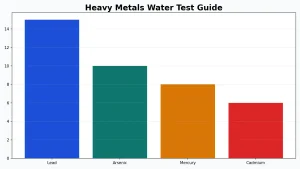
Heavy metals in drinking water are a serious public health concern because they can be tasteless, odorless, and invisible even when present at levels that … Read more
Water testing is essential for determining whether drinking water is safe and free from harmful contaminants. Since many pollutants are invisible, testing is the only reliable way to assess water quality and identify potential health risks.
This guide explores how water testing works, what parameters to analyze, and how to interpret results to ensure safe drinking water.
Water testing involves analyzing water samples to detect chemical, biological, and physical contaminants. It helps determine whether water meets safety standards and is suitable for drinking and daily use.
Even clear and odorless water may contain harmful substances. Regular testing helps detect contamination early and prevent exposure to potential health risks.
Different testing methods are used depending on the level of analysis required:
Water testing can identify a wide range of contaminants, including chemicals, microorganisms, heavy metals, and physical impurities that may affect safety and quality.
Below, you will find detailed articles covering testing methods, parameters, interpretation of results, and practical ways to assess drinking water quality.
Explore related categories: Water Contamination, Water Purification, Water Treatment Systems, Drinking Water Safety, Global Water Quality, Water Science, Water Microbiology.
👉 Learn more about water safety:
Drinking Water Safety
👉 Understand contamination risks:
Water Contamination
Main guide: Complete Water Testing Guide
Heavy metals in drinking water are a serious public health concern because they can be tasteless, odorless, and invisible even when present at levels that … Read more
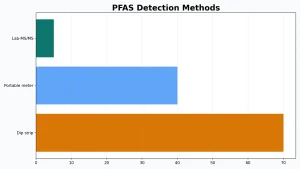
PFAS water testing has become a central topic in drinking water science because these chemicals behave differently from many traditional contaminants. Per- and polyfluoroalkyl substances, … Read more
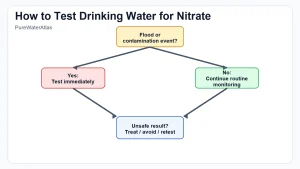
Nitrate water testing is one of the most important parts of evaluating drinking water safety, especially for private wells, rural households, and any water supply … Read more
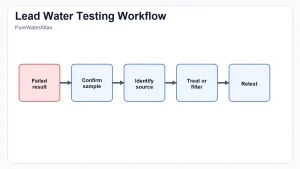
Lead in drinking water is a public health issue that demands careful attention because even low-level exposure can be harmful, especially for infants, children, and … Read more
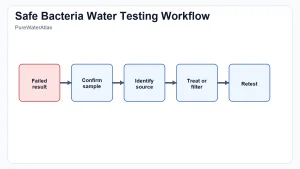
Bacteria water testing is one of the most important parts of protecting drinking water quality. Unlike many chemical contaminants, bacteria can indicate a direct sanitary … Read more
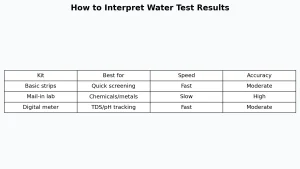
Reading a laboratory report for tap water, well water, or filtered water can feel deceptively simple. Numbers appear precise, units look familiar, and many reports … Read more
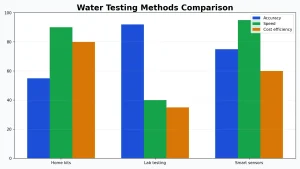
Understanding modern water testing methods is essential for anyone who wants reliable information about drinking water quality. Households, schools, landlords, rural well owners, facility managers, … Read more
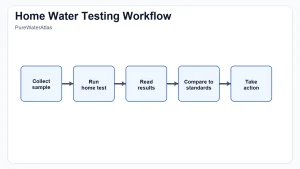
Water testing at home is one of the most practical ways to learn what is actually coming out of your tap, well, filter, refrigerator dispenser, … Read more