
Introduction
For many households, tap water is a routine part of daily life. It is used for drinking, cooking, making infant formula, brushing teeth, preparing beverages, and washing produce. Because it is so common, people often assume that if water comes out of the faucet, it must be safe. In many places that assumption is reasonable most of the time, but it is not always correct. Water quality can change because of treatment failures, aging plumbing, local contamination events, pressure loss, seasonal changes, or private well problems. That is why understanding is tap water safe to drink warning signs is an important part of protecting household health.
Knowing what to look for does not mean people should panic every time water tastes different or appears slightly cloudy. Many changes are harmless and temporary. Air bubbles, mineral content, or routine disinfection can affect the look, taste, or smell of water without making it dangerous. However, some changes may indicate a need for caution, testing, or immediate action. Learning to distinguish between minor variations and meaningful red flags helps households make informed decisions.
This article explains the basic indicators that may suggest a tap water problem, including taste and odor changes, visible signs, health symptoms, environmental risk factors, and situations where laboratory testing is advisable. It also covers practical prevention steps, treatment options, and the role of public standards. Readers looking for broader background can explore additional resources in drinking water safety, review a general overview at this complete guide, and learn more about the science behind contamination in water science.
The central question is not simply whether tap water is usually safe, but how to recognize when it may not be. By understanding is tap water safe to drink risk indicators, households can respond appropriately and reduce unnecessary exposure to contaminants.
What It Is
When people ask whether tap water is safe to drink, they are really asking whether the water is free from contaminants at levels that could harm health. Safe drinking water should be microbiologically sound, chemically acceptable, and suitable for regular household use. It should not contain disease-causing organisms, dangerous amounts of toxic metals, high concentrations of harmful chemicals, or physical contamination that signals a system problem.
The phrase is tap water safe to drink warning signs refers to clues that suggest the water may need closer evaluation. These clues may be obvious, such as brown water, a sewage-like smell, or sediment in a glass. They may also be indirect, such as frequent gastrointestinal illness in the household, recent flood damage, a boil-water notice, or corrosion in old plumbing. Warning signs do not always confirm contamination, but they can indicate that testing, treatment, or expert advice is needed.
Water safety concerns generally fall into several broad categories:
- Microbiological contamination, including bacteria, viruses, and parasites that may cause acute illness.
- Chemical contamination, such as lead, arsenic, nitrate, pesticides, industrial compounds, or disinfection byproducts.
- Physical and aesthetic problems, including discoloration, cloudiness, scale, sediment, unusual taste, and unusual odor.
- Infrastructure-related issues, such as corrosion, pipe breaks, cross-connections, and low-pressure events.
Public water systems and private wells have different risk profiles. Municipal systems are typically monitored and regulated, but contamination can still occur within distribution lines or household plumbing. Private wells are not subject to the same routine government oversight in many places, which means the owner is usually responsible for testing and maintenance. For a deeper review of contamination pathways, see causes and sources of tap water safety issues.
In practical terms, a warning sign is anything that departs from what is normal for the water supply and raises a reasonable concern about health or potability. Some warning signs require immediate action, such as a confirmed contamination advisory. Others simply signal that water should be tested.
Main Causes or Sources
Tap water problems can begin at the source, during treatment, within the distribution system, or inside a building. Understanding these sources makes it easier to interpret is tap water safe to drink visible signs, odor changes, and health effects.
Source Water Contamination
Rivers, lakes, reservoirs, and groundwater aquifers can all become contaminated. Agricultural runoff may introduce nitrate, manure, fertilizers, and pesticides. Industrial activity can release solvents, metals, or persistent chemicals. Urban runoff can carry oils, road salts, and other pollutants. Natural geology can also contribute arsenic, fluoride, iron, manganese, sulfur, or radionuclides.
Source water contamination does not always reach household taps at harmful levels because treatment systems are designed to reduce many pollutants. Still, treatment has limits, and sudden changes in source quality can create risks.
Treatment and Disinfection Problems
Municipal treatment facilities typically use filtration and disinfection to control microbial contamination. If treatment is inadequate because of equipment malfunction, process failure, overwhelming turbidity, or operator error, pathogens may pass through. In some cases, disinfection itself can create a taste or odor that is noticeable but not necessarily unsafe. Chlorine-like smells often reflect normal treatment, though a strong or unusual change may still warrant inquiry.
Distribution System Failures
Water that leaves a treatment plant in good condition can still be compromised before it reaches a home. Distribution systems may experience:
- Water main breaks
- Pressure loss
- Backflow or cross-connections
- Biofilm buildup in pipes
- Intrusion of contaminated water during repairs
Low pressure is especially concerning because it can allow contaminated material to enter through cracks or faulty joints. Notices to boil water often follow this type of event.
Household Plumbing and Building Conditions
Some drinking water problems begin inside the home. Old service lines, lead solder, brass fixtures, corroded galvanized pipes, water heaters, and premise plumbing can all affect water quality. Water that sits in pipes overnight may dissolve more metals, especially in corrosive conditions. This is one reason first-draw water may differ from flushed water.
Buildings with low occupancy can also develop stagnation problems. Schools, offices, and seasonal homes may experience elevated metals, reduced disinfectant levels, and microbial growth in stagnant plumbing.
Private Well Vulnerabilities
Private wells can be affected by septic systems, animal waste, surface runoff, flooding, shallow construction, poor casing integrity, and nearby chemical storage. Because well water is often untreated unless the owner installs treatment equipment, contamination may go unnoticed without routine testing.
Global patterns in water contamination vary, and regional concerns can differ greatly depending on geology, infrastructure, climate, and sanitation systems. Readers interested in broader context can review resources in global water quality.
Health and Safety Implications
The consequences of unsafe drinking water depend on the type of contaminant, the dose, the duration of exposure, and the vulnerability of the person exposed. Infants, pregnant women, older adults, and people with weakened immune systems are often at higher risk. Understanding is tap water safe to drink health symptoms is helpful, but symptoms alone cannot identify the specific contaminant.
Short-Term Symptoms
Microbial contamination often causes the most immediate symptoms. Possible short-term effects include:
- Nausea
- Vomiting
- Diarrhea
- Abdominal cramps
- Fever
- Fatigue
These symptoms can resemble food poisoning or viral illness, so water-related disease may be overlooked, especially if multiple family members become sick over several days. If symptoms appear after known water system disruptions, flooding, or well contamination, water should be considered a possible source.
Chemical Exposure Concerns
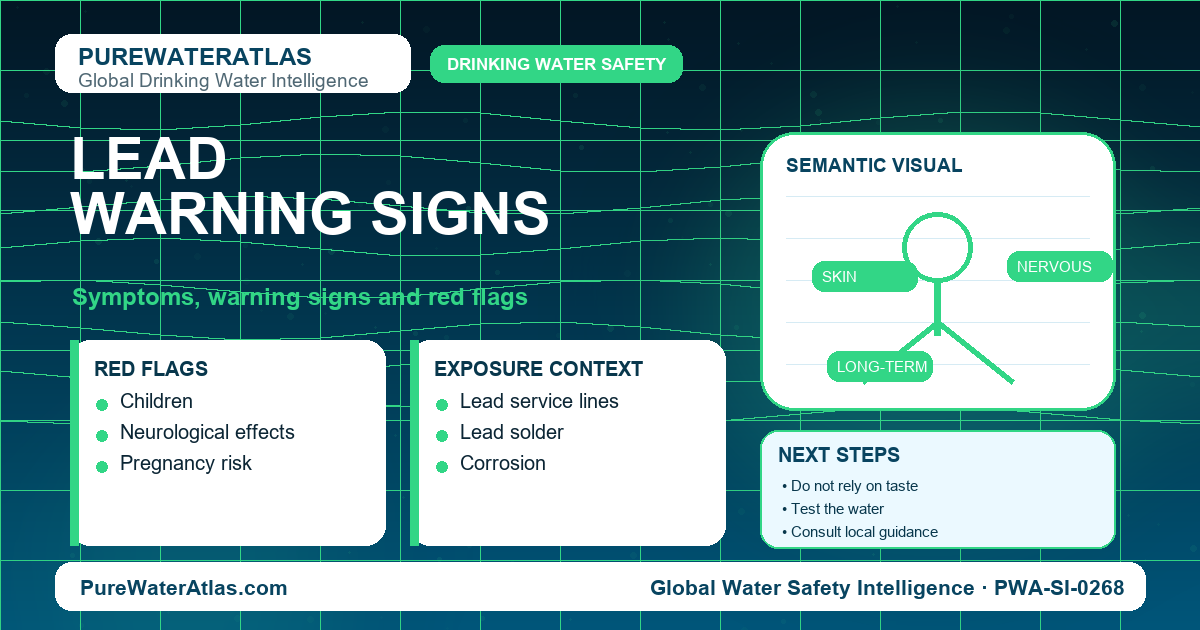
Chemical contaminants often do not cause immediate obvious symptoms. This is one reason clear, normal-tasting water can still be unsafe. Lead exposure, for example, may occur without any detectable taste, smell, or appearance change. Over time, lead can affect neurological development in children and contribute to cardiovascular and kidney issues in adults. Nitrate can be dangerous for infants because it can reduce the blood’s ability to carry oxygen. Arsenic is associated with long-term health risks including certain cancers and cardiovascular effects.
Other contaminants may affect the liver, kidneys, endocrine system, or reproductive health, depending on the chemical and exposure level. Long-term exposure is often the main concern for these substances.
Skin, Eye, and Respiratory Clues
Although drinking is the primary route of concern, poor water quality may sometimes produce other household clues. Some individuals notice skin irritation after bathing, eye irritation, or worsening eczema-like symptoms. These effects are not specific and can also have unrelated causes, but if they occur alongside changes in water odor, color, or plumbing conditions, the water supply deserves closer evaluation.
Special Risk Groups
Certain populations should respond more cautiously to possible water issues:
- Infants, especially when water is used for formula preparation
- Pregnant women, due to fetal sensitivity to some contaminants
- Immunocompromised individuals, who may be more vulnerable to pathogens
- Older adults, who may have greater sensitivity to dehydration and infection
If a household includes these groups, even minor warning signs may justify temporary use of bottled or appropriately treated water until testing or official guidance is available.
More detail on exposure pathways and outcomes is available at health effects and risks of tap water contamination.
Testing and Detection
One of the most important questions households ask is is tap water safe to drink when to test. The answer depends on the type of water supply, recent events, and the warning signs observed. Taste, smell, and appearance can provide useful clues, but they are not reliable enough to confirm safety. Testing is the only way to verify many contaminants.
Taste and Odor Changes
Concerns about is tap water safe to drink taste and odor are common because changes are easy to notice. Some examples include:
- Chlorine or bleach smell: often related to disinfection and not necessarily dangerous at normal levels
- Rotten egg smell: may indicate hydrogen sulfide, sulfur bacteria, or plumbing-related issues
- Musty or earthy taste: can be associated with algae-related compounds or biofilm
- Metallic taste: may suggest corrosion, iron, manganese, copper, or zinc
- Sewage-like odor: a serious warning sign that requires prompt investigation
Important caution: many dangerous contaminants have no taste or odor at all. Lead, nitrate, and some industrial chemicals may be completely undetectable without laboratory analysis.
Visible Signs
Questions about is tap water safe to drink visible signs often involve color, clarity, or particles. Common examples include:
- Brown, red, or orange water: often related to rust, iron, disturbed sediment, or corrosion
- Blue-green staining: can signal copper corrosion
- Black particles: may come from deteriorating rubber components, manganese, or pipe scale
- Cloudy water: sometimes harmless air bubbles, but can also indicate suspended solids
- Oily sheen: may indicate contamination and should be taken seriously
- Sediment in a glass: suggests physical contamination or disturbed deposits
Cloudiness that clears from bottom to top after a few minutes is often just dissolved air. Persistent turbidity, however, should not be ignored, especially after storms, repairs, or well disturbances.
Situations That Call for Testing
Households should strongly consider testing in the following situations:
- After flooding, heavy storm runoff, or wildfire impacts
- After a boil-water notice, pressure loss, or water main break
- When water develops a new persistent taste, smell, or color
- When moving into a home with a private well
- When an infant will consume well water or water from an older home
- When plumbing contains lead service lines, lead solder, or old fixtures
- When nearby land use includes agriculture, septic systems, or industrial activity
- When unexplained recurring gastrointestinal illness affects the household
What to Test For
The test menu should match the suspected risk. Common analyses include:
- Total coliform and E. coli for microbial contamination
- Lead and copper for plumbing-related metal exposure
- Nitrate and nitrite for agricultural or septic influence
- Arsenic in regions with known geologic risk
- Iron, manganese, hardness, and pH for common household water quality issues
- Volatile organic compounds or pesticides where local risk factors exist
How to Test Properly
Testing should ideally be done through a certified laboratory or a reputable program recommended by local health or environmental authorities. Sampling instructions matter. For lead, first-draw samples may be required. For bacteria, sterile collection technique is essential. Improper sampling can produce misleading results.
Home test kits can be useful for screening certain parameters, but they should not replace certified laboratory testing when health protection decisions are involved.
Prevention and Treatment
Preventing drinking water problems is usually more effective than reacting after illness or contamination occurs. The right strategy depends on whether the home uses a public water system or a private well, and whether the concern is microbial, chemical, or plumbing-related.
Practical Prevention Steps
- Stay informed about local utility notices and annual water quality reports.
- Flush taps after water has been sitting for long periods, especially in older homes.
- Use cold water for drinking and cooking, since hot water can dissolve metals more readily.
- Maintain private wells, well caps, and surrounding drainage areas.
- Keep hazardous chemicals, fuels, and waste away from wells and plumbing areas.
- Test private well water routinely, even if there are no obvious warning signs.
- Inspect plumbing if there is recurring discoloration, corrosion, or metallic taste.
What to Do if Warning Signs Appear
If clear warning signs develop, take a cautious approach:
- Check whether neighbors have the same problem.
- Contact the local water utility or health department.
- Do not assume boiling fixes every issue; boiling helps with microbes but not most metals or chemicals.
- Use bottled water or verified safe alternative water if contamination is suspected.
- Arrange appropriate testing as soon as possible.
Treatment Options
No single treatment method solves every water quality problem. Choosing the wrong device can create a false sense of security. Common options include:
- Activated carbon filters: can improve taste and odor and reduce some chemicals, but effectiveness varies by contaminant.
- Reverse osmosis systems: can reduce many dissolved contaminants including some metals and salts.
- Ultraviolet disinfection: useful against microorganisms when water is otherwise adequately clear.
- Water softeners: address hardness but do not make microbiologically unsafe water safe to drink.
- Oxidation and filtration systems: often used for iron, manganese, and sulfur issues.
Treatment devices should be selected based on test results, certified performance claims, and maintenance requirements. Filters that are not replaced on schedule may become ineffective or even contribute to water quality problems.
Boiling and Emergency Measures
Boiling is an important emergency tool for suspected microbial contamination, but it has limits. It does not remove lead, nitrate, pesticides, or many industrial chemicals. In fact, boiling can concentrate some dissolved contaminants as water evaporates. People should follow official boil-water instructions exactly and seek contaminant-specific guidance when chemicals are suspected.
Common Misconceptions
Misunderstandings about water safety can lead people either to ignore real risks or to overreact to harmless changes. Clarifying these myths helps households interpret is tap water safe to drink risk indicators more accurately.
If Water Looks Clear, It Must Be Safe
This is false. Many harmful contaminants are invisible. Lead, nitrate, arsenic, and numerous chemicals can be present in clear water with no noticeable taste or smell. Appearance alone cannot confirm safety.
Bad-Tasting Water Is Always Dangerous
Not necessarily. Minerals, disinfectants, and naturally occurring compounds can affect flavor without creating a serious health risk. Aesthetic changes deserve attention, but they should be evaluated in context rather than treated as automatic proof of contamination.
Boiling Water Makes It Safe in Every Situation
This is one of the most common misconceptions. Boiling can inactivate many pathogens, but it does not remove heavy metals or many chemicals. For some contaminants, it may make the concentration higher.
Bottled Water Is Always Safer Than Tap Water
Not automatically. Bottled water quality depends on the source, treatment, storage, and handling. In many places, regulated tap water is highly reliable. The better question is whether the specific tap water supply shows warning signs or test results that justify an alternative.
Only Old Homes Have Water Quality Problems
Older homes have special risks such as lead and corrosion, but newer buildings are not immune. Construction issues, low occupancy, plastic plumbing interactions, nearby contamination sources, and utility events can also affect newer properties.
If Neighbors Are Fine, My Water Must Be Fine Too
Not always. A water issue may be specific to one building, one service line, or one well. Household plumbing can create localized contamination even when the broader neighborhood supply meets standards.
Regulations and Standards
Drinking water safety is guided by regulations, monitoring requirements, treatment protocols, and contaminant limits established by national or regional authorities. Public water systems are typically required to monitor specific contaminants, maintain treatment processes, and notify the public when serious violations occur. These rules greatly improve population-level safety, but they do not eliminate every risk.
Public Water Systems
Utilities generally must comply with standards for microbiological quality, disinfectant levels, metals, and many chemical contaminants. They also must respond to distribution failures and issue advisories when conditions could threaten public health. Consumer confidence reports or similar annual summaries can provide useful information about detected contaminants, treatment methods, and source water.
Limits of Regulation
Regulations are essential, but they have boundaries:
- Not every possible contaminant is monitored all the time.
- Sampling may occur at scheduled intervals rather than continuously for every parameter.
- Water can change after it leaves the treatment plant.
- Household plumbing conditions may create risks beyond utility control.
This is why awareness of is tap water safe to drink warning signs remains important even in highly regulated systems.
Private Wells and Owner Responsibility
Private wells often fall outside routine public drinking water regulation. In these cases, the homeowner is typically responsible for testing, maintenance, and treatment. That makes education especially important. Routine microbial testing, periodic chemical screening, and inspection after major weather events are key parts of responsible well management.
Why Standards Matter
Standards provide benchmarks for action. They help determine when contamination is merely aesthetic and when it presents a health concern. They also guide treatment design, public notification, and remediation efforts. Still, standards should be paired with household awareness, proper maintenance, and targeted testing when risk indicators appear.
Conclusion
For most people, tap water safety is not an all-or-nothing issue but a matter of recognizing patterns, responding to evidence, and understanding limitations. The most useful approach is to pay attention to meaningful changes in water taste, odor, clarity, color, and household health patterns, while remembering that some serious contaminants produce no obvious clues at all.
The question of is tap water safe to drink warning signs can be answered best by combining observation with testing. Warning signs include persistent unusual smells, metallic or sewage-like taste, discoloration, sediment, pressure loss, post-flood changes, recurring illness, and known plumbing or environmental risk factors. These do not always mean the water is dangerous, but they do mean the situation should not be dismissed.
If there is one key takeaway, it is this: trust evidence over assumptions. If water quality changes suddenly, if health symptoms cluster around water use, or if the home has known is tap water safe to drink risk indicators, seek accurate information, use appropriate interim precautions, and test the water through reliable methods. A clear glass of water can be safe, but safety is best confirmed through knowledge, maintenance, and science-based action.
For further reading, readers can explore drinking water safety, the complete guide to tap water safety, causes and sources, health effects and risks, broader information on global water quality, and technical background in water science.
Read the full guide: Drinking Water Safety Guide
Explore more in this category: Drinking Water Safety Articles