
Introduction
Safe household water is one of the most important foundations of public health. People use it every day for drinking, cooking, washing produce, making infant formula, brushing teeth, and preparing beverages. Because water is so familiar, it is easy to assume that clear, odorless water is always safe. In reality, drinking water quality can change because of source contamination, plumbing issues, treatment failures, aging infrastructure, or private well problems. That is why understanding a practical drinking water safety standards home safety checklist matters for every household.
Water safety standards exist to reduce harmful exposure to biological, chemical, and physical contaminants. These standards guide treatment facilities, distribution systems, inspectors, and property owners. Yet standards alone do not guarantee safety at the tap. Homeowners, tenants, landlords, and facility managers also need to recognize warning signs, arrange timely testing, maintain plumbing and treatment devices, and respond quickly when conditions change.
This article explains what drinking water safety standards mean in a home context, where contamination often begins, how risks affect health, and which inspection and testing steps support safer water use. It also provides practical guidance on prevention, treatment, and routine upkeep. Readers looking for broader background can explore drinking water safety resources and a more comprehensive overview at this complete guide.
A useful home safety checklist is not just a list of tasks. It is a way to think systematically about water sources, plumbing materials, fixtures, storage, filtration, and changes in taste, odor, or appearance. When combined with reliable information and periodic household testing, this approach helps reduce uncertainty and supports safer decisions for daily use.
What It Is
Drinking water safety standards are the rules, benchmarks, and best practices used to determine whether water is suitable for human consumption. In public systems, these standards are typically based on legal contaminant limits, treatment requirements, monitoring schedules, and reporting obligations. At home, they translate into a set of practical actions: knowing your water source, understanding your plumbing, checking for risk indicators, and using appropriate testing and treatment when needed.
A home safety checklist built around these standards usually focuses on five areas:
- Source awareness: identifying whether water comes from a municipal supply, private well, rainwater system, cistern, or another source.
- Visual and sensory observation: noticing changes in color, cloudiness, smell, taste, staining, or sediment.
- Plumbing and fixture review: checking pipes, water heaters, faucets, filters, and storage systems for age, corrosion, and maintenance needs.
- Routine testing: using certified laboratory analysis or approved kits to screen for common contaminants.
- Response planning: knowing what to do when a problem is detected, such as flushing, disinfection, treatment upgrades, repair, or contacting local authorities.
For many households, the phrase drinking water safety standards inspection refers to a structured review of these conditions. That inspection may be informal, such as a homeowner checking fixtures and reviewing annual water quality reports, or formal, such as a well inspection, plumbing assessment, or laboratory test following a contamination event.
A strong household checklist often includes questions such as:
- Do you know whether your home has lead service lines, galvanized pipes, copper piping with lead solder, or plastic plumbing?
- Has the water’s taste, smell, or appearance changed recently?
- Are there nearby contamination sources such as septic systems, agricultural runoff, industrial sites, or flood-prone areas?
- When was the last time the home’s water was tested?
- Are treatment devices installed, and if so, are they maintained on schedule?
- Has the home experienced plumbing repairs, low pressure, stagnation, or long vacancy periods?
These questions bring standards into everyday practice. They help households move from passive reliance on water supply systems to active stewardship of their own tap water quality.
Main Causes or Sources
Contamination can enter drinking water at the source, during treatment, in the distribution network, or inside a home’s plumbing. Understanding causes and pathways is essential for effective prevention. A more detailed review of source issues is available at causes and sources and in related material under water contamination.
Natural Sources
Some contaminants occur naturally in soil, rock, and groundwater. These may include arsenic, manganese, iron, sulfur compounds, radon, fluoride, and hardness minerals such as calcium and magnesium. Not all naturally occurring substances are harmful at typical levels, but some can exceed recommended limits and create chronic health concerns.
Microbial Contamination
Bacteria, viruses, and parasites are among the most urgent drinking water hazards. Common pathways include sewage leaks, failing septic systems, animal waste runoff, floodwater intrusion, and inadequate disinfection. Private wells are particularly vulnerable because they do not receive continuous municipal treatment. Microbial contamination may not always change the look or taste of water, which makes testing critical.
Chemical Pollution
Chemical contaminants may enter water from agriculture, industry, road runoff, fuel storage, landfills, firefighting foam, household products, or improper disposal of chemicals. Examples include nitrates, pesticides, volatile organic compounds, solvents, petroleum products, heavy metals, and PFAS. Some chemicals pose risks after long-term exposure even at low concentrations.
Corrosion and Household Plumbing
One of the most common home-based sources of concern is internal plumbing. Water that is acidic or otherwise corrosive can dissolve metals from pipes, fittings, valves, and fixtures. Lead is a major concern in older homes or buildings with old service lines or legacy solder. Copper, nickel, zinc, and iron can also leach into water under certain conditions. This is why a home checklist should include pipe age, material, and any evidence of corrosion.
Water Stagnation
When water sits for long periods in pipes, storage tanks, appliances, or unused fixtures, contamination risk can increase. Stagnation can elevate metal leaching, allow bacterial growth, and affect taste or odor. This often becomes an issue after vacations, seasonal occupancy, property vacancies, or rarely used bathrooms and sinks.
Distribution System Problems
Even if source water is treated correctly, contamination can occur in the broader distribution system. Main breaks, pressure loss, cross-connections, biofilm growth, and treatment disruptions can allow unwanted substances into the supply. Homes at the end of distribution lines or in older neighborhoods may experience more sediment or variable disinfectant levels.
Environmental Events
Flooding, wildfires, storms, drought, and extreme temperature shifts can all affect water safety. Floods may introduce microbes and chemicals. Wildfires can damage infrastructure and create contamination concerns from ash, sediment, and damaged plastic components. Drought can concentrate contaminants and alter source water chemistry. A home checklist should be updated after major environmental events.
Common Risk Signs at Home
Recognizing drinking water safety standards risk signs helps households act early. Warning signs include:
- Cloudy, rusty, yellow, blue-green, or black water
- Metallic, bitter, salty, earthy, or chemical taste
- Rotten egg, musty, gasoline-like, or bleach-like odor
- Blue-green staining, reddish stains, or scale buildup on fixtures
- Visible sediment or particles in tap water
- Frequent gastrointestinal illness without an obvious cause
- Recent plumbing work, water main repair, or pressure drop
- Flooding, septic backup, or nearby chemical spill
These signs do not always prove a serious hazard, but they should never be ignored.
Health and Safety Implications
The health effects of unsafe drinking water depend on the contaminant, exposure level, exposure duration, and the age and health status of the person exposed. Vulnerable groups include infants, pregnant people, older adults, and individuals with weakened immune systems. For deeper discussion, readers can see health effects and risks.
Short-Term Health Risks
Microbial contamination can cause rapid illness. Symptoms may include nausea, vomiting, diarrhea, stomach cramps, and fever. Pathogens such as E. coli, Giardia, Cryptosporidium, and norovirus can be especially dangerous in children, older adults, and immunocompromised individuals. In severe cases, dehydration and complications may require medical treatment.
Chemical spills or acute exposure to unusually high levels of contaminants can also cause short-term symptoms, such as headache, irritation, dizziness, or gastrointestinal distress. However, many chemicals are harder to detect because their harmful effects may not appear immediately.
Long-Term Health Risks
Chronic exposure to contaminants can contribute to serious health concerns over time. Examples include:
- Lead: developmental harm in children, learning and behavior problems, and cardiovascular or kidney effects in adults
- Arsenic: increased risk of skin, bladder, and lung cancer, as well as cardiovascular effects
- Nitrates: serious risks for infants, including reduced oxygen delivery in the blood
- PFAS: associations with immune, metabolic, reproductive, and cancer-related concerns
- Disinfection byproducts: potential long-term cancer and reproductive risks at elevated exposure levels
- Copper: gastrointestinal effects and, at high levels, liver or kidney concerns
Household Safety Beyond Drinking
Water safety is not limited to direct consumption. Unsafe water may affect food preparation, infant formula mixing, washing fruits and vegetables, brushing teeth, and making ice. In some cases, inhalation and skin exposure also matter. For example, aerosolized contaminated water in showers or humidifiers may create additional risk pathways for certain organisms.
Effects on Home Systems
Poor water quality can damage appliances and plumbing, increasing both safety and maintenance issues. Sediment can clog fixtures. Hard water can reduce efficiency in heaters and dishwashers. Corrosive water can shorten pipe life and increase metal leaching. Sulfur compounds and iron bacteria can foul plumbing and create persistent odor problems. These operational effects often signal deeper water quality issues that deserve attention.
Testing and Detection
No home checklist is complete without a plan for drinking water safety standards household testing. Testing turns observations into evidence and helps determine whether corrective action is needed. Even homes connected to public systems may benefit from targeted testing, especially where old plumbing, discoloration, unusual taste, or high-risk populations are involved.
Start With the Water Source
If your home uses a municipal supply, review the utility’s annual water quality report and local advisories. This provides useful background but does not replace tap-specific testing for in-home plumbing issues such as lead or copper. If your home relies on a private well, the responsibility for testing falls largely on the owner.
What to Test For
Testing priorities vary by location, water source, and household conditions, but common targets include:
- Total coliform bacteria and E. coli
- Lead and copper
- Nitrate and nitrite
- Arsenic
- pH, hardness, alkalinity, and corrosivity indicators
- Iron, manganese, sulfur, and sediment
- PFAS where regional risk is known or suspected
- Volatile organic compounds if near industrial, fuel, or solvent sources
When to Test
A practical drinking water safety standards inspection schedule includes testing at key times:
- When moving into a new home
- Annually for basic well safety screening, especially bacteria and nitrates
- After flooding, wildfire, storm damage, or long vacancy
- After plumbing repairs, well servicing, or treatment changes
- When taste, odor, color, or clarity changes
- When a pregnant person, infant, or medically vulnerable individual lives in the home
Lab Testing vs. Home Test Kits
Home test kits can be useful for quick screening, but certified laboratory testing is generally more reliable for health-related decisions. Lab analysis provides more accurate measurement, lower detection limits, and clearer interpretation for many contaminants. Test kits may be appropriate for checking pH, hardness, chlorine, or simple indicators, but they should not always be relied upon as the only method for serious concerns.
Sampling Matters
Results can be misleading if sampling is done incorrectly. Follow all instructions carefully. For lead testing, first-draw samples may be required because they better represent water that has sat in contact with plumbing. For bacteria tests, sterile containers and strict timing are critical. If in doubt, work with a certified lab or qualified water professional.
Interpreting Results
Water test reports can appear technical, but a few principles help:
- Compare results with applicable health-based standards or guideline values.
- Distinguish between aesthetic concerns, such as staining or taste, and health concerns, such as lead or bacteria.
- Consider patterns over time, not only a single result.
- If a health-related contaminant exceeds a standard, identify the source before choosing treatment.
Detection should always lead to a response plan. Testing without action does not improve safety.
Prevention and Treatment
Effective water safety depends on a combination of source protection, proper plumbing practices, routine maintenance, and appropriate treatment. These are the core drinking water safety standards protection steps that make a home checklist useful in daily life.
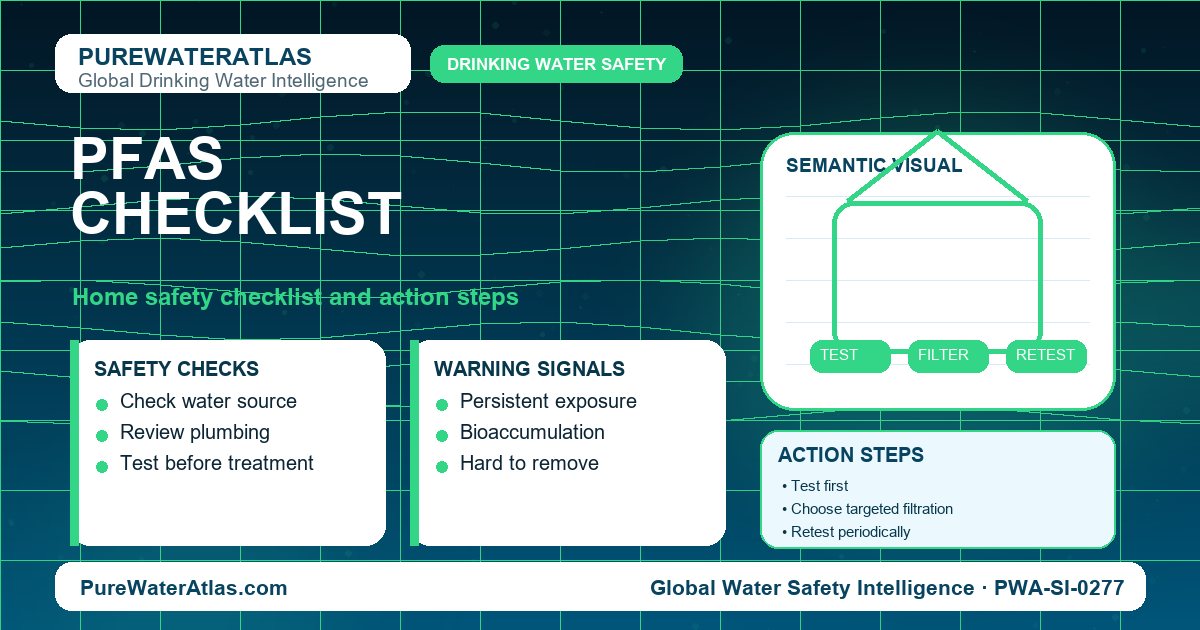
Basic Home Safety Checklist
- Identify your water source and understand local risk factors.
- Review annual water quality information if on a public system.
- Test private well water regularly and after major events.
- Check pipe materials and learn whether lead components may be present.
- Flush taps after periods of non-use, especially before drinking or cooking.
- Use only cold water for drinking, cooking, and infant formula preparation.
- Maintain water heaters, pressure tanks, softeners, and filters on schedule.
- Keep well caps secure and drainage directed away from wells.
- Inspect for leaks, corrosion, stains, and unusual odors.
- Respond promptly to advisories, boil notices, or sudden changes in water quality.
Flushing and Stagnation Control
If water has been sitting in pipes for several hours or longer, running the tap can help reduce certain contaminants, especially those associated with plumbing contact. The amount of flushing needed depends on the size of the home and plumbing layout. This is a useful step after travel, overnight stagnation in high-risk settings, or infrequently used fixtures.
Lead Risk Reduction
Homes with older plumbing should take extra precautions. Use cold water for consumption, clean faucet aerators regularly, and consider lead-specific testing. If lead is found, long-term solutions may include replacing fixtures, interior plumbing, or service lines. Certified point-of-use filters can provide interim protection when properly selected and maintained.
Microbial Protection
If bacteria are detected, the right response may include shock chlorination for a well, plumbing disinfection, repair of well casing or caps, septic corrections, or installation of a disinfection system such as ultraviolet treatment. Boiling water may be recommended in some situations, but it is usually a temporary response rather than a complete fix.
Treatment Options
Treatment should be matched to the contaminant:
- Activated carbon: useful for some organic chemicals, taste, and odor issues
- Reverse osmosis: effective for many dissolved contaminants including some metals and salts
- Ion exchange: used for hardness, nitrate, and some specific contaminants depending on system design
- Oxidation and filtration: often used for iron, manganese, and sulfur issues
- UV disinfection: targets microorganisms when water is otherwise suitably clear
- Distillation: useful for certain dissolved contaminants but may be slower and less practical for large volumes
Readers exploring system options may find relevant information in water purification resources.
Maintenance Tips for Ongoing Safety
Good treatment devices can fail if they are neglected. Reliable drinking water safety standards maintenance tips include:
- Replace cartridges, membranes, and media according to manufacturer instructions.
- Sanitize filter housings and storage tanks as recommended.
- Track installation and service dates on a household schedule.
- Inspect bypass valves, seals, and connections for leaks or damage.
- Retest water after installing treatment to confirm performance.
- Do not assume a filter treats every contaminant; verify certifications and use limitations.
Maintenance is especially important because expired or overloaded filters can become ineffective and may even worsen water quality in some cases.
Common Misconceptions
Misinformation can lead households to underestimate real risks or spend money on ineffective solutions. Several myths deserve correction.
If Water Looks Clean, It Must Be Safe
Many dangerous contaminants are invisible. Lead, nitrates, PFAS, and many microbes may not change taste, smell, or color. Clear water is not proof of safe water.
Boiling Solves All Water Problems
Boiling can kill many microorganisms, but it does not remove lead, nitrates, PFAS, or many chemical contaminants. In some cases, boiling may even concentrate dissolved substances as water evaporates.
All Filters Work the Same Way
Different filters target different problems. A basic carbon pitcher may improve taste but not remove all health-related contaminants. A device should be selected based on the specific contaminant and verified certifications.
Municipal Water Never Needs Home Testing
Public water systems follow regulations, but water can still pick up contaminants in the home’s own plumbing. Tap testing can be valuable for lead, copper, and localized issues.
Private Wells Are Safe if They Have Always Been Fine
Well water quality can change over time because of weather, nearby land use, septic problems, or shifting groundwater conditions. Past safety does not guarantee current safety.
Soft Water Means Healthy Water
Water softeners address hardness but do not necessarily remove microbes, lead, nitrates, or organic chemicals. Softness is not a complete safety indicator.
Regulations and Standards
Water regulations vary by country and jurisdiction, but the basic purpose is the same: to establish contaminant limits, treatment expectations, monitoring frequency, and consumer communication requirements. These standards are usually strongest for public water systems, while private wells often remain largely the owner’s responsibility.
Public Water Systems
Public suppliers are typically required to test for specified contaminants, maintain treatment processes, and notify users when standards are exceeded. They may also issue boil water advisories, annual reports, and violation notices. These systems are regulated under national and local frameworks designed to protect population health.
Private Wells and Household Responsibility
Private wells often fall outside routine public monitoring. That means the homeowner must arrange testing, maintenance, and corrective action. A responsible checklist for private supplies should include annual microbial testing, periodic chemical testing, wellhead inspection, septic separation review, and response planning after storms or flooding.
Health-Based vs. Aesthetic Standards
Not every standard addresses the same type of problem. Some are health-based, meaning they are intended to prevent illness. Others are aesthetic or operational, relating to taste, color, odor, staining, scaling, or plumbing damage. Both matter at home, but health-based concerns should always be prioritized first.
Certifications and Product Standards
When choosing treatment equipment, households should look for independently tested and certified products. Certifications can show that a device has been evaluated for structural integrity, material safety, and contaminant reduction claims. This helps prevent reliance on unsupported marketing promises.
How Standards Support a Home Checklist
Standards are most useful when converted into practical habits. For example:
- Monitoring rules support routine household testing schedules.
- Contaminant limits help interpret laboratory reports.
- Plumbing safety guidance informs replacement and flushing practices.
- Advisory systems help households respond quickly to emergencies.
In this way, regulations are not distant technical rules. They provide the framework that makes an effective drinking water safety standards home safety checklist possible and meaningful.
Conclusion
Safe drinking water at home depends on more than trust in the tap. It requires awareness, observation, testing, maintenance, and informed action. A strong household checklist begins with understanding the water source, continues with inspection of plumbing and fixtures, and includes regular testing for contaminants that cannot be seen or tasted. It also recognizes that risk can change over time because of corrosion, environmental events, land use, aging infrastructure, or treatment device neglect.
The most effective approach is preventive rather than reactive. Learn the likely hazards in your area. Pay attention to drinking water safety standards risk signs. Schedule routine drinking water safety standards household testing. Use practical drinking water safety standards protection steps such as flushing stagnant water, maintaining filters, and addressing plumbing concerns early. Follow reliable drinking water safety standards maintenance tips so treatment systems continue to work as intended. And when concerns arise, treat a drinking water safety standards inspection as an essential part of protecting your household, not an optional extra.
Water quality is not a one-time issue. It is an ongoing home health responsibility. With a systematic checklist and a clear understanding of standards, households can make better decisions, reduce exposure risks, and support safer daily living.
Read the full guide: Drinking Water Safety Guide
Explore more in this category: Drinking Water Safety Articles