
Introduction
Clean drinking water is one of the most important public health achievements in modern history, yet contamination remains a persistent global concern. Understanding the health risks of contaminated water regulations is essential for households, water utilities, healthcare professionals, property managers, and policymakers alike. Water can become contaminated by microorganisms, heavy metals, industrial chemicals, agricultural runoff, aging infrastructure, and even naturally occurring minerals at unsafe concentrations. When these hazards enter drinking water supplies, they can contribute to acute illness, long-term disease, and serious community-wide safety problems.
Regulations and standards exist because contaminated water is not only an environmental issue but also a medical, economic, and social one. The purpose of water rules is to establish measurable limits, define testing requirements, require corrective action, and protect the public from preventable harm. Different agencies and organizations around the world contribute to this framework. In the United States, the Environmental Protection Agency plays a central role in setting enforceable drinking water standards, while the World Health Organization provides widely used international guidance that informs national policy in many countries.
This article explains what contaminated water is, where it comes from, how it affects human health, how it is identified, and how it can be prevented or treated. It also examines the legal and technical framework behind health risks of contaminated water EPA standards, health risks of contaminated water WHO guidelines, and the practical meaning of health risks of contaminated water safe limits. For broader background, readers may also explore drinking water safety and this complete guide to contaminated water risks.
What It Is
Contaminated water is water that contains physical, chemical, biological, or radiological substances at levels that may harm human health or make the water unsuitable for drinking, cooking, hygiene, or food preparation. Contamination may be visible, such as cloudy water or sediment, but dangerous contamination is often invisible, odorless, and tasteless. That is why standards and monitoring systems are so important.
Water contamination generally falls into several major categories:
- Biological contamination: bacteria, viruses, parasites, and other pathogens such as E. coli, Salmonella, Giardia, and Cryptosporidium.
- Chemical contamination: pesticides, solvents, industrial compounds, nitrates, disinfection byproducts, PFAS, and household chemicals.
- Heavy metals and minerals: lead, arsenic, mercury, cadmium, copper, and excessive fluoride.
- Physical contamination: sediment, rust, microplastics, and suspended particles that can affect water quality and interfere with treatment.
- Radiological contamination: radionuclides such as uranium, radium, and radon in certain geological areas.
The health effects of contamination depend on the contaminant type, concentration, duration of exposure, route of exposure, and the vulnerability of the person exposed. Infants, pregnant women, older adults, and people with weakened immune systems are often at greater risk. Some contaminants cause immediate gastrointestinal symptoms, while others increase the likelihood of neurological damage, developmental problems, organ injury, or cancer over many years.
Not all unsafe water is highly polluted in appearance. A glass of water may look perfectly clear and still contain dangerous lead, nitrates, or disease-causing microbes. This is why discussions about health risks of contaminated water compliance focus not only on obvious pollution events but also on routine testing, documentation, treatment performance, and infrastructure maintenance.
Main Causes or Sources
Contaminated water can originate from natural processes, human activity, or failures in treatment and distribution systems. In many cases, multiple sources combine to create a public health risk. A detailed overview is available in causes and sources of contaminated water, but the main contributors are summarized below.
Agricultural Runoff
Farming can introduce fertilizers, nitrates, phosphates, pesticides, herbicides, animal waste, and pathogens into nearby rivers, lakes, and groundwater. Runoff after rainfall is especially significant. Elevated nitrate levels are a major concern in agricultural regions and can be dangerous for infants, particularly due to the risk of methemoglobinemia, or “blue baby syndrome.”
Industrial Discharges
Factories, mining operations, refineries, and manufacturing facilities may release heavy metals, solvents, petroleum products, and persistent organic pollutants into water sources. Even when legal discharge permits exist, accidental spills, storage failures, and poor waste management can result in major contamination events. Some contaminants can remain in the environment for years and accumulate in soil, sediments, and food chains.
Sewage and Wastewater Failures
Leaks, overflows, failing septic systems, and inadequate wastewater treatment can contaminate water with bacteria, viruses, and parasites. Flooding often worsens this problem by spreading fecal contamination into wells, reservoirs, and municipal systems. In low-resource settings, poor sanitation infrastructure remains one of the leading causes of waterborne disease.
Aging Pipes and Distribution Systems
Even when water leaves a treatment plant in compliance with standards, it may become contaminated in transit. Corroding pipes can release lead, copper, iron, and other materials into drinking water. Older service lines and household plumbing are major sources of lead exposure in some communities. Biofilms inside pipes can also support microbial growth when disinfectant levels drop.
Naturally Occurring Contaminants
Not all contamination is caused by pollution. Geological formations may naturally release arsenic, fluoride, manganese, uranium, or radium into groundwater. These substances may be harmless at low levels but dangerous above established thresholds. Natural contamination is especially relevant for private wells, which may not be tested as frequently as public systems.
Stormwater, Flooding, and Climate Pressures
Extreme weather can overwhelm treatment systems, mobilize pollutants, erode protective infrastructure, and introduce microbial and chemical contaminants into raw water supplies. Climate change can intensify droughts, floods, and warm-water conditions that promote algal blooms. Harmful cyanobacterial blooms can release toxins that affect both drinking water and recreational water safety.
Household and Local Sources
Improper disposal of paint, cleaners, medications, oils, and other chemicals can affect local water resources. Household plumbing, storage tanks, and poorly maintained filters can also create problems within a single building even if the broader municipal supply is safe.
Health and Safety Implications
The health impact of contaminated water ranges from mild short-term discomfort to severe disease, permanent disability, and death. A deeper discussion can be found in health effects and risks of contaminated water, but the main implications include both infectious and non-infectious outcomes.
Short-Term Health Effects
Acute exposure to pathogens can cause diarrhea, vomiting, nausea, abdominal cramps, fever, and dehydration. In some cases, especially among infants, elderly adults, or immunocompromised individuals, waterborne illness can become life-threatening. Outbreaks linked to microbial contamination often spread quickly through communities if water advisories are delayed or ignored.
Long-Term Health Effects
Chemical contaminants may not cause immediate symptoms, but prolonged exposure can lead to chronic disease. Examples include:
- Lead: developmental delays, learning problems, reduced IQ in children, hypertension, and kidney effects in adults.
- Arsenic: skin lesions, cardiovascular disease, diabetes risk, and increased risk of several cancers.
- Nitrates: infant oxygen transport problems and possible broader metabolic concerns with long-term exposure.
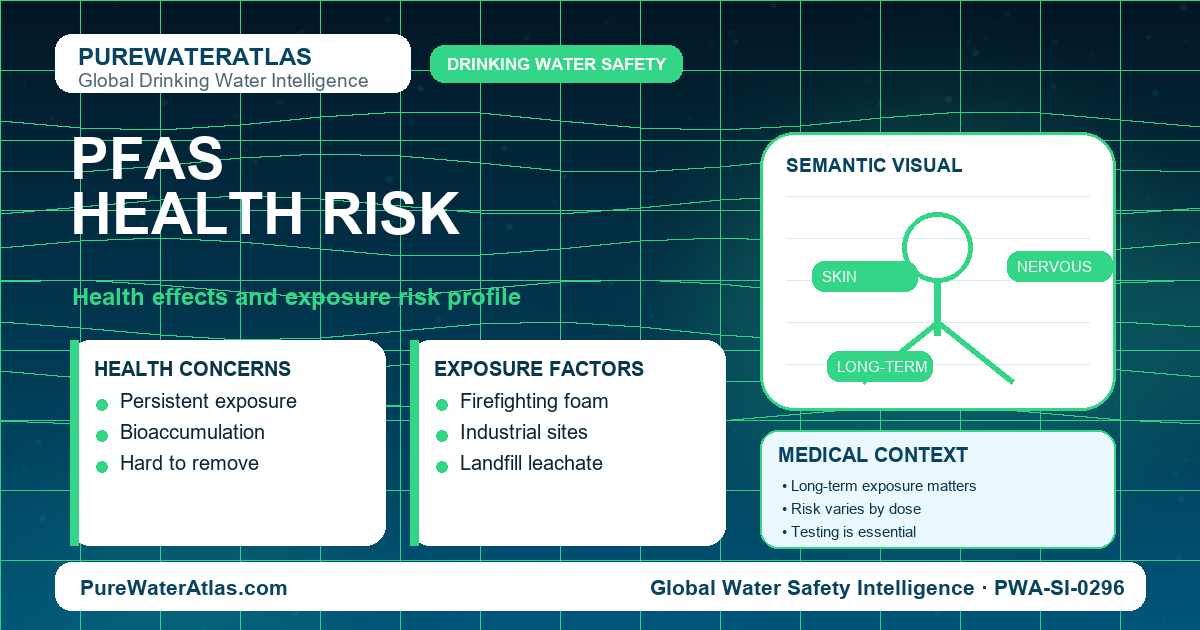
- PFAS: associations with immune effects, cholesterol changes, developmental concerns, and some cancers.
- Disinfection byproducts: potential links to bladder cancer and reproductive concerns at elevated long-term exposure levels.
- Mercury and other metals: neurological, kidney, and developmental harm.
Special Risks for Vulnerable Populations
Regulatory standards are often designed with sensitive populations in mind because the same contaminant does not affect all people equally. Infants drink more water relative to body weight than adults. Pregnant individuals may face risks that affect fetal development. People receiving chemotherapy, living with HIV, or taking immune-suppressing medications can be especially vulnerable to pathogens that healthy adults might survive more easily.
Indirect Safety Consequences
Unsafe water can also create non-medical harms. Schools may close, healthcare systems may see sudden increases in patient demand, food service operations may be disrupted, and public trust in essential institutions may decline. Households may face major expenses for bottled water, filtration, repairs, or medical treatment. These broader effects are one reason health risks of contaminated water water rules are treated as critical public protections rather than optional guidelines.
Testing and Detection
Because many contaminants cannot be detected by sight, smell, or taste, testing is the foundation of water safety. Monitoring helps determine whether water meets legal standards, whether treatment systems are performing properly, and whether corrective action is needed. Testing approaches differ depending on whether the water source is a large municipal system, a school, a healthcare facility, or a private well.
Routine Laboratory Analysis
Certified laboratories analyze water samples for microbiological, chemical, and physical parameters. Common tests include total coliforms, E. coli, lead, copper, arsenic, nitrates, volatile organic compounds, pesticides, pH, turbidity, and disinfection residuals. Public systems follow schedules established by law, while private well owners generally must arrange testing themselves.
Indicator Organisms and Microbial Testing
Because testing for every pathogen is impractical, water systems often monitor indicator organisms such as total coliforms and E. coli. Their presence suggests fecal contamination or treatment failure. Turbidity is another key metric because cloudy water can shield microorganisms from disinfectants and signal filtration problems.
Chemical Monitoring and Risk-Based Testing
Chemical testing may be conducted on source water, treated water, or water collected at customer taps. Some substances are tested frequently due to common occurrence or acute health risk, while others are monitored on a rotating schedule based on known local risks. Lead and copper monitoring often focuses on household taps because contamination commonly occurs in plumbing rather than at the treatment plant.
Consumer Notification and Public Reporting
An effective safety system includes not only testing but also communication. Public water systems are typically required to notify consumers when violations occur, when boil-water advisories are issued, or when specific contaminants exceed allowable levels. Annual water quality reports help residents understand what was tested, what was detected, and whether the system was in compliance.
Private Wells and Building-Level Testing
Private wells do not always fall under the same regulatory framework as public systems, yet they can face serious contamination risks. Well owners should test regularly for bacteria, nitrates, pH, and regionally relevant contaminants such as arsenic, fluoride, or uranium. Buildings with older plumbing should also consider lead testing, especially if children are present.
Readers interested in treatment solutions after detection may find useful information in water purification and water treatment systems.
Prevention and Treatment
The safest approach to contaminated water is prevention first, followed by effective treatment and continuous oversight. Public health protection works best when contamination is controlled at the source, removed during treatment, and prevented from re-entering the system through infrastructure failures.
Source Water Protection
Protecting rivers, lakes, reservoirs, and aquifers reduces treatment burden and lowers health risk. Common strategies include controlling industrial discharge, limiting agricultural runoff, managing stormwater, protecting wetlands, monitoring mining activity, and establishing land-use restrictions near drinking water sources.
Municipal Treatment Processes
Most public systems use multiple treatment barriers. These may include coagulation, flocculation, sedimentation, filtration, and disinfection with chlorine, chloramine, ozone, or ultraviolet light. Advanced systems may also use activated carbon, membrane filtration, ion exchange, or reverse osmosis to target difficult contaminants.
Point-of-Use and Point-of-Entry Treatment
In homes and buildings, treatment options depend on the contaminant involved:
- Activated carbon: useful for many organic chemicals, taste, odor, and some byproducts.
- Reverse osmosis: effective for many dissolved solids, metals, nitrates, and some synthetic chemicals.
- Ultraviolet disinfection: useful against microorganisms when water is sufficiently clear.
- Water softeners or ion exchange: applicable for hardness and some metals, depending on system design.
- Specialized certified filters: designed for lead, PFAS, arsenic, or other specific contaminants.
It is important to match the treatment method to the contaminant. A filter that improves taste may do little to remove lead or kill microbes. Certification, installation quality, and ongoing maintenance are critical.
Infrastructure Improvements
Replacing lead service lines, repairing leaks, maintaining pressure, upgrading storage tanks, and modernizing monitoring systems are among the most effective long-term prevention measures. Distribution systems are often the weak link between treatment and consumption, so infrastructure investment is a direct public health measure.
Emergency Measures
When contamination is suspected or confirmed, short-term protective measures may include boil-water advisories, bottled water distribution, flushing instructions, temporary disinfection adjustments, closure of contaminated wells, and rapid public communication. These actions are not substitutes for permanent correction, but they can reduce immediate exposure.
Common Misconceptions
Misunderstandings about water safety can delay protective action and increase exposure. Several misconceptions are especially common.
“Clear Water Is Safe Water”
This is false. Many dangerous contaminants are invisible. Lead, arsenic, nitrates, and many pathogens may be present even when water looks normal.
“Boiling Solves Every Water Problem”
Boiling can kill many microbes, but it does not remove heavy metals, nitrates, PFAS, or most chemical pollutants. In some cases, boiling can actually concentrate certain dissolved contaminants as water evaporates.
“Only Developing Regions Face Serious Water Contamination”
Water contamination occurs in high-income and low-income settings alike. Aging infrastructure, industrial legacy pollution, agricultural runoff, and climate-related events create risks in every region.
“If Water Meets Standards, It Contains Zero Contaminants”
Compliance does not necessarily mean absolute purity. It means contaminant levels are below established legal or guideline thresholds considered protective based on current science, technology, and risk assessment. This distinction is central to understanding health risks of contaminated water safe limits.
“Private Wells Are Naturally Cleaner Than Public Water”
Some private wells are excellent, but others contain bacteria, arsenic, nitrates, or radionuclides without the owner realizing it. Unlike public systems, private wells often lack routine mandated oversight.
“Household Filters Last Indefinitely”
Filters require replacement according to manufacturer instructions. An expired or poorly maintained filter may become ineffective and, in some cases, worsen water quality.
Regulations and Standards
Water regulations translate health science into enforceable protections. They define maximum allowable concentrations, treatment techniques, monitoring schedules, reporting duties, and response requirements. This framework is essential to reducing the burden of waterborne disease and toxic exposure.
The Purpose of Water Standards
Standards are designed to keep contaminant exposure below levels associated with unacceptable risk. They also create consistency across utilities and provide a basis for enforcement. In practical terms, standards answer several key questions:
- Which contaminants must be monitored?
- How often must testing occur?
- What concentrations are considered acceptable?
- What actions are required if limits are exceeded?
- How and when must the public be notified?
EPA Standards in the United States
In the United States, the Safe Drinking Water Act authorizes the Environmental Protection Agency to establish national standards for public drinking water systems. These standards include enforceable maximum contaminant levels for certain substances and treatment technique requirements for others. State agencies often implement and enforce these rules under EPA oversight.
When discussing health risks of contaminated water EPA standards, several concepts are especially important:
- Maximum Contaminant Level (MCL): the highest level of a contaminant legally allowed in public drinking water.
- Maximum Contaminant Level Goal (MCLG): a non-enforceable health-based goal set at a level with no known or expected risk, often lower than the MCL.
- Treatment Technique (TT): a required process for reducing contaminants when direct measurement or a single numerical limit is not sufficient.
- Action Level: a concentration that triggers specific required actions, such as corrosion control or public education, as in lead and copper rules.
EPA standards balance health protection with analytical feasibility, treatment capability, and implementation practicality. This does not mean the standards are arbitrary; rather, they are built from toxicology, epidemiology, engineering, and policy considerations. The standards are also revised over time as scientific evidence develops.
WHO Guidelines and International Frameworks
The World Health Organization publishes guidelines for drinking-water quality that are used globally as a scientific reference. Unlike national laws, WHO guidance is not automatically enforceable, but it strongly influences public health policy, especially in countries developing or updating water quality regulations. For many readers, understanding health risks of contaminated water WHO guidelines helps place local water rules in a broader international context.
WHO guidelines emphasize risk management across the full water supply chain, from source protection to treatment to distribution to household storage. A key concept is the Water Safety Plan, a preventive approach that identifies hazards, critical control points, and operational monitoring needs. This system recognizes that end-point testing alone is not enough; continuous risk management is required.
Safe Limits and Risk-Based Thresholds
The phrase health risks of contaminated water safe limits refers to the concentration thresholds regulators or health organizations consider tolerable under specified conditions. These limits are based on available evidence regarding dose, duration, uncertainty, and sensitive populations. They may differ between jurisdictions because of different legal frameworks, policy choices, treatment feasibility, or updates in scientific review.
Safe limits should not be misunderstood as a guarantee that any exposure is ideal. For some contaminants, especially carcinogens or lead, the safest level from a purely health perspective may be zero or as close to zero as feasible. Regulatory limits may therefore reflect both health goals and practical constraints in monitoring and treatment.
Compliance, Monitoring, and Enforcement
Health risks of contaminated water compliance refers to whether a water system follows all applicable requirements, including sampling schedules, treatment procedures, recordkeeping, public notification, operator certification, and contaminant limits. Compliance is broader than passing a single test. A system may violate regulations by failing to monitor properly, by exceeding an action level, or by neglecting timely public communication.
Enforcement tools may include notices of violation, mandatory corrective actions, fines, operational restrictions, and in serious cases legal action. Effective compliance programs protect not only consumers but also utilities by identifying emerging issues before they become crises.
Common Types of Water Rules
Across jurisdictions, health risks of contaminated water water rules often include the following categories:
- Microbial rules: designed to control pathogens through filtration, disinfection, and microbial monitoring.
- Chemical contaminant rules: limits for metals, nitrates, solvents, pesticides, and emerging contaminants.
- Lead and corrosion control rules: focused on plumbing-related contamination and protective treatment.
- Surface water and groundwater rules: tailored to source-specific risks and treatment barriers.
- Public notification rules: requiring timely alerts when health risks or violations occur.
- Consumer confidence reporting: annual disclosure of water quality information.
Why Standards Continue to Evolve
Water regulation is not static. New contaminants emerge, laboratory methods improve, health studies reveal subtler effects, and climate pressures change exposure patterns. PFAS is one recent example of a contaminant group that has gained major regulatory attention as evidence of health impact has expanded. Similarly, increased concern about lead in schools and childcare settings has prompted stronger oversight and targeted testing initiatives.
As science advances, governments and public health institutions may revise limits, add contaminants to monitoring programs, or adopt stronger treatment requirements. This ongoing process is necessary because the goal of regulation is not merely historical compliance but current and future health protection.
Conclusion
Water contamination is a serious public health issue with consequences that range from gastrointestinal illness to neurological injury, developmental harm, chronic disease, and cancer. Because many hazardous contaminants cannot be seen or tasted, safety depends on more than personal judgment. It depends on strong systems of source protection, testing, treatment, infrastructure maintenance, transparent communication, and enforceable standards.
Understanding the health risks of contaminated water regulations helps consumers make informed decisions and hold institutions accountable. EPA standards in the United States provide a legal framework for public water protection, while WHO guidance offers a globally influential model for risk-based management. Together, these systems show why health risks of contaminated water EPA standards, health risks of contaminated water WHO guidelines, health risks of contaminated water safe limits, health risks of contaminated water compliance, and health risks of contaminated water water rules are all essential concepts in safeguarding health.
For readers seeking more educational resources, explore drinking water safety, the complete guide to contaminated water risks, causes and sources, health effects and risks, water purification, and water treatment systems.
Read the full guide: Drinking Water Safety Guide
Explore more in this category: Drinking Water Safety Articles