
Introduction
For many households, tap water is the most convenient and affordable source of drinking water. Yet a common question remains: is tap water safe to drink testing enough to confirm that water is truly safe at the point of use? The answer is more complex than a simple yes or no. Municipal treatment systems, private plumbing, environmental contamination, and household storage conditions can all influence water quality by the time water reaches a glass.
Understanding how water is tested helps consumers move beyond assumptions based on taste, odor, or appearance. Clear water is not always safe, and unpleasant-tasting water is not always dangerous. Safety depends on whether harmful contaminants are present, at what levels, and for how long exposure occurs. That is why testing and detection methods are central to informed decision-making.
This article explains how tap water safety is evaluated, what contaminants are commonly measured, and how different testing approaches compare. It also covers sampling, accuracy, interpretation of findings, and the role of both home kits and professional laboratories. Readers looking for broader background can also explore drinking water safety resources and a more general overview at this complete guide.
By learning the strengths and limits of different methods, homeowners, renters, facility managers, and public health professionals can better understand what test results mean and when further action is needed.
What It Is
Tap water safety refers to whether water delivered through a plumbing system is suitable for drinking, cooking, and other household uses without causing unacceptable health risks. Safety is assessed by measuring biological, chemical, and physical characteristics of water and comparing them with health-based guidelines or regulatory standards.
When people ask whether tap water is safe, they are often asking several questions at once:
- Is the water free from disease-causing microorganisms?
- Are metals such as lead, copper, or arsenic present at harmful levels?
- Are industrial chemicals, pesticides, or disinfection byproducts a concern?
- Does the home’s plumbing change water quality after it leaves the utility?
- Can simple testing methods reliably identify problems?
Tap water safety is not determined by one single test. Instead, it involves a combination of source-water monitoring, treatment verification, distribution system management, and, when needed, point-of-use sampling. This is why is tap water safe to drink home testing and is tap water safe to drink lab analysis often serve different purposes. Home testing may provide fast screening for selected parameters, while laboratory analysis is typically needed to confirm low-level contaminants or complex chemical profiles.
Water quality is also dynamic. Seasonal runoff, heavy rainfall, construction activity, pipe corrosion, changes in treatment processes, and stagnation in household plumbing can all alter results. A water sample represents conditions at the time and place of sampling, which makes proper collection and interpretation essential.
For additional discussion of contamination pathways, see causes and sources of tap water contamination and related material in water contamination resources.
Main Causes or Sources
Potential tap water contamination can originate from the water source, treatment failures, the distribution network, or building plumbing. Identifying the likely source helps determine which tests are most useful.
Source Water Contamination
Water drawn from rivers, lakes, reservoirs, or groundwater aquifers can be affected by natural and human-made inputs. Common examples include:
- Agricultural runoff carrying fertilizers, nitrates, pesticides, and animal waste
- Industrial discharge introducing solvents, metals, or persistent chemicals
- Stormwater runoff transporting oil, sediment, and urban pollutants
- Natural geologic sources of arsenic, manganese, iron, fluoride, or radionuclides
- Septic system leakage affecting nearby wells or vulnerable groundwater zones
Treatment and Distribution Issues
Municipal treatment plants are designed to remove or reduce many contaminants, but no system is flawless. Problems may arise when treatment barriers are overwhelmed or infrastructure is compromised.
- Inadequate disinfection can allow microorganisms to persist
- Filter breakthrough can increase turbidity and microbial risk
- Pipe breaks and pressure loss can permit contamination intrusions
- Biofilms in distribution systems can affect microbial stability
- Chemical reactions in the system can create disinfection byproducts
Building and Household Plumbing
Even if water leaves the utility in compliance with standards, it may change within a building. Plumbing-related issues are a major reason that targeted testing is often recommended.
- Lead service lines or lead-containing fixtures can elevate lead levels
- Copper pipes can contribute copper under corrosive conditions
- Low water use can increase stagnation and metal leaching
- Water heaters and premise plumbing can support Legionella growth under some conditions
- Private wells may lack ongoing treatment and routine monitoring
These source categories matter because is tap water safe to drink sampling methods should be matched to the suspected problem. A flushed sample may be useful for one question, while a first-draw sample is more appropriate for another, especially for lead and copper evaluations.
Health and Safety Implications
The health significance of tap water contamination depends on the type of contaminant, concentration, duration of exposure, and the susceptibility of the person consuming the water. Infants, pregnant people, older adults, and immunocompromised individuals may face greater risks from specific contaminants.
Microbiological Risks
Pathogens in drinking water can cause acute illness, often affecting the gastrointestinal tract. Bacteria, viruses, and protozoa may enter water through sewage contamination, animal waste, or failures in treatment and distribution. Common indicators such as total coliforms and E. coli are used to assess sanitary quality, but they do not detect every pathogen directly.
Microbiological contamination may lead to symptoms such as diarrhea, vomiting, fever, and dehydration. In high-risk populations, the consequences can be more severe. Readers interested in this area can explore water microbiology resources.
Chemical Risks
Chemical contaminants may cause either short-term or long-term health effects. Some substances have immediate effects at high levels, while others are associated with chronic exposure over months or years.
- Lead: Harmful to neurological development, especially in children
- Nitrate: Particularly dangerous for infants because of its effect on oxygen transport
- Arsenic: Linked to chronic health risks including certain cancers
- Copper: Can cause gastrointestinal symptoms at elevated concentrations
- Disinfection byproducts: Associated with long-term health concerns at sustained high exposure
- PFAS and other emerging contaminants: Under increasing scrutiny due to persistence and potential health effects
Physical and Aesthetic Indicators
Color, odor, and taste matter to consumers, but they are not reliable safety indicators on their own. Cloudiness may suggest suspended solids or treatment problems. Rotten-egg odor may indicate hydrogen sulfide. Metallic taste can point to corrosion. However, many harmful contaminants are tasteless, odorless, and invisible.
This is why relying only on sensory judgment is not enough. When concerns arise, testing provides objective data. For a broader discussion of risk, visit health effects and risks of tap water contamination.
Testing and Detection
Testing is the most practical way to evaluate water quality at a specific location. Different methods answer different questions, and the best approach depends on whether the goal is routine screening, troubleshooting, regulatory compliance, or confirmation of a suspected exposure.
Key Parameters Commonly Tested
Water testing may include some or all of the following:
- Microbiological indicators: total coliforms, E. coli, heterotrophic plate counts
- Metals: lead, copper, arsenic, iron, manganese
- General chemistry: pH, alkalinity, hardness, total dissolved solids, conductivity
- Nutrients: nitrate, nitrite, ammonia
- Disinfection-related measures: free chlorine, total chlorine, chloramine, disinfection byproducts
- Organic chemicals: pesticides, solvents, volatile organic compounds
- Emerging contaminants: PFAS, pharmaceuticals, specialty industrial compounds
Home Testing Methods
Is tap water safe to drink home testing usually refers to consumer kits such as dip strips, reagent vials, color-comparison tests, and handheld meters. These tools can be useful for fast screening and routine checks.
Common home tests include:
- pH strips or meters
- Hardness test strips
- Nitrate or nitrite colorimetric kits
- Chlorine test strips or drops
- Total dissolved solids meters
- Basic bacteria screening kits, often requiring incubation
Home tests offer several advantages:
- Immediate or same-day results
- Low cost compared with laboratory panels
- Convenience for repeated monitoring
- Useful for tracking changes after filter installation or plumbing work
However, their limitations are important:
- Lower sensitivity for many contaminants
- Potential user error during sample collection or color interpretation
- Limited contaminant coverage
- Difficulty distinguishing low but significant concentrations
- Less legal or regulatory weight than certified laboratory data
In many cases, home kits are best viewed as screening tools rather than definitive assessments of safety.
Laboratory Analysis
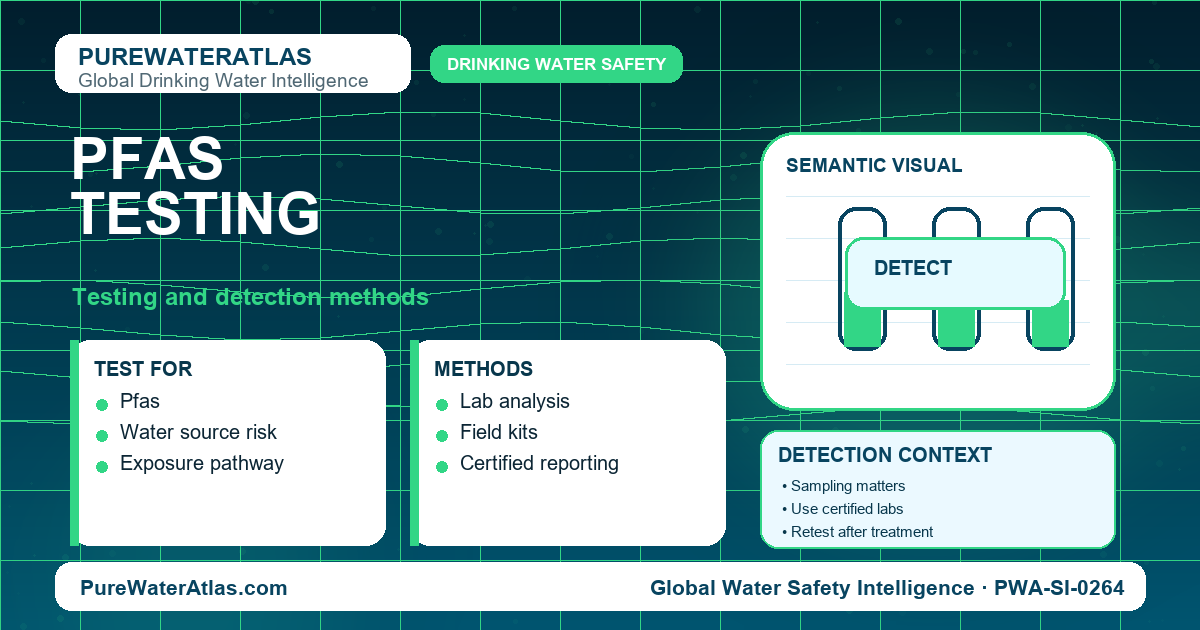
Is tap water safe to drink lab analysis is the preferred option when precision matters, when a contaminant of concern is highly toxic at low levels, or when results may inform health decisions or remediation. Certified laboratories use validated methods, quality controls, calibration standards, and instrument-based detection systems such as:
- ICP-MS or atomic absorption for metals
- Ion chromatography for anions like nitrate and fluoride
- Gas chromatography or liquid chromatography for organic compounds
- Membrane filtration or defined substrate methods for microbiological indicators
- Specialized methods for PFAS and other emerging contaminants
Laboratory testing provides stronger confidence because it generally offers:
- Lower detection limits
- Better contaminant specificity
- Formal quality assurance and quality control
- Documented methods and chain of custody when needed
- Reports suitable for comparison with regulations and advisory levels
Sampling Methods
Is tap water safe to drink sampling methods are critically important because poor sampling can produce misleading results. The sample should reflect the question being asked.
First-Draw Sampling
First-draw samples are collected after water has sat undisturbed in plumbing, often for several hours. This method is commonly used to evaluate contaminants that leach from plumbing materials, especially lead and copper. Because water has had time to contact pipes and fixtures, the sample may represent worst-case household exposure during the first use of the day.
Flushed Sampling
Flushed samples are collected after allowing water to run for a specified time. They can help assess water coming from the main line or identify whether contamination is likely originating inside household plumbing. Comparing first-draw and flushed results can be particularly informative.
Random Daytime and Targeted Sampling
Some programs use random daytime samples to estimate typical consumer exposure under ordinary use patterns. Targeted sampling may focus on homes with known lead service lines, schools, healthcare facilities, or buildings with older plumbing.
Microbiological Sampling Considerations
For bacteria testing, sterile containers are essential. Aerators may need to be removed, and contamination from hands, sink surfaces, or nonsterile equipment must be avoided. For chlorine residual testing, timing matters because disinfectant levels can change quickly after collection.
Accuracy and Reliability
Is tap water safe to drink accuracy depends on several interacting factors:
- The analytical method used
- The skill of the person collecting the sample
- The cleanliness and suitability of sampling containers
- Holding time before analysis
- Proper storage temperature during transport
- Whether the method’s detection limit is low enough for the health concern
A highly accurate instrument cannot compensate for a poorly collected sample. Similarly, a correctly collected sample may still fail to answer the right question if the wrong parameter was tested. For example, testing only total dissolved solids will not reveal lead or bacteria contamination.
Interpreting Test Results
Is tap water safe to drink test results should always be interpreted in context. A report typically includes the analyte name, measured concentration, units, detection limit, and sometimes an applicable standard or guideline. Important questions to ask include:
- Was the contaminant detected above the reporting limit?
- How does the result compare with local or national standards?
- Was the sample first-draw, flushed, or otherwise targeted?
- Does the result reflect a one-time event or a persistent pattern?
- Does the household include high-risk occupants who may require more conservative action?
Single test results should be treated cautiously, especially if the value is near a threshold or if collection conditions were unusual. Repeat testing may be appropriate to confirm findings, establish trends, or evaluate the effectiveness of corrective actions.
When to Choose Home Testing vs Lab Testing
- Use home testing for basic screening, routine checks, filter monitoring, and quick troubleshooting of simple parameters such as chlorine, hardness, or pH.
- Use lab analysis for lead, arsenic, nitrate, bacteria confirmation, VOCs, PFAS, and any situation involving infants, pregnancy, medically vulnerable individuals, or possible regulatory concerns.
- Use both when home screening suggests a problem that requires confirmation and detailed characterization.
Prevention and Treatment
Testing identifies problems, but prevention and treatment reduce risk. The most effective response depends on the contaminant source and whether the issue lies in the utility supply, building plumbing, or a private water system.
Preventive Measures
- Review annual consumer confidence reports when available
- Test private wells regularly for bacteria, nitrate, and region-specific contaminants
- Flush taps after prolonged stagnation, especially in older buildings
- Use only cold water for drinking and cooking, since hot water can increase metal leaching
- Maintain water heaters and premise plumbing to reduce microbial growth risk
- Replace known lead-containing plumbing components where possible
Point-of-Use and Point-of-Entry Treatment
Treatment options vary by contaminant:
- Activated carbon: useful for chlorine, taste, odor, and some organic chemicals
- Reverse osmosis: effective for many dissolved contaminants including nitrate, arsenic, and certain metals
- Ion exchange: often used for water softening and some contaminant removal
- UV disinfection: targets microorganisms but does not remove chemicals
- Distillation: removes many dissolved substances but may be energy intensive
- Specialized certified filters: designed for lead, PFAS, cysts, or other specific contaminants
Filters should be selected based on verified performance certifications and maintained according to manufacturer instructions. A neglected treatment device can lose effectiveness or even worsen water quality in some situations.
Follow-Up Monitoring
After installing treatment or replacing plumbing, retesting is essential. Follow-up monitoring confirms whether the intervention worked and whether performance is stable over time. For seasonal or intermittent issues, repeated testing across the year may be necessary.
Common Misconceptions
Misunderstandings about water quality can lead to false reassurance or unnecessary alarm. Several misconceptions are especially common.
If Water Looks Clear, It Must Be Safe
Many harmful contaminants, including lead, nitrate, and some microbes, may be present without changing the appearance of water. Visual clarity alone cannot confirm safety.
Bottled Water Is Always Safer Than Tap Water
Bottled water is not automatically safer in every circumstance. Quality depends on the source, treatment, storage conditions, and oversight. In some areas, properly managed tap water is subject to more frequent and transparent monitoring than bottled products.
One Negative Test Means Water Is Permanently Safe
Water quality can change over time. A satisfactory result today does not guarantee the same result after flooding, plumbing alterations, seasonal source changes, or distribution system disturbances.
Home Kits Can Detect Everything
Consumer kits can be useful, but they do not provide universal coverage. Many low-level contaminants require laboratory instrumentation for dependable detection.
Boiling Water Solves All Problems
Boiling can inactivate many microorganisms, but it does not remove heavy metals, nitrate, PFAS, or most dissolved chemicals. In some cases, boiling can concentrate nonvolatile contaminants as water evaporates.
Regulations and Standards
Tap water safety is guided by regulatory limits, health advisories, and technical standards. These frameworks differ by country and jurisdiction, but they generally define acceptable contaminant levels, monitoring requirements, treatment expectations, and reporting obligations.
Public Water Systems
Municipal and other public systems are typically required to monitor for specific contaminants at defined frequencies. They may need to maintain disinfectant residuals, meet microbiological standards, control corrosion, and notify consumers when violations occur. Public reporting helps residents understand the quality of the water entering the distribution system.
Private Wells and Small Systems
Private wells often fall outside the same routine regulatory oversight applied to public water systems. In these cases, the owner is usually responsible for testing, maintenance, and treatment. This makes proactive screening especially important for well users.
Standards vs Guidelines
Not every contaminant has an enforceable standard. Some substances are governed by advisory levels or health-based guidelines rather than binding limits. Emerging contaminants may be under active scientific review, and recommendations can change as evidence evolves.
Why Standards Matter for Interpretation
Without a benchmark, numbers can be hard to interpret. Laboratory reports are most useful when compared with applicable standards or expert guidance. Still, even compliance with standards does not eliminate all risk in every context, especially for highly sensitive populations or in cases of multiple contaminants acting together.
Conclusion
Determining whether tap water is safe requires more than a glance, a taste, or a general assumption about the local supply. Effective is tap water safe to drink testing involves understanding what contaminants may be present, selecting appropriate sampling methods, using the right analytical tools, and interpreting findings in context.
Is tap water safe to drink home testing can be valuable for quick screening and routine monitoring, but is tap water safe to drink lab analysis is often necessary for definitive answers about metals, microbes, and trace chemicals. The quality of is tap water safe to drink sampling methods strongly influences reliability, and is tap water safe to drink accuracy depends on both proper collection and appropriate analysis. Most importantly, is tap water safe to drink test results should guide practical action, whether that means further testing, plumbing changes, filtration, or consultation with local health or water professionals.
When approached carefully, testing is one of the best tools available for protecting household water quality. It turns uncertainty into evidence and helps ensure that decisions about drinking water are based on measured facts rather than assumptions.
Read the full guide: Drinking Water Safety Guide
Explore more in this category: Drinking Water Safety Articles