
Introduction
Safe drinking water is one of the most basic requirements for a healthy home, yet many households assume their water is safe simply because it looks clear, tastes normal, or comes from a municipal supply. In reality, water quality can change as it travels from its original source through treatment plants, distribution systems, private wells, and household plumbing. That is why home water testing for safety removal is such an important topic. Testing identifies what may be present in the water, and removal or treatment strategies help reduce those contaminants to safer levels.
Homeowners and renters alike benefit from understanding how testing, filtration, and treatment work together. Testing alone does not improve water quality, and installing treatment equipment without testing can lead to poor results, wasted money, or a false sense of security. The most effective approach is to identify likely contaminants, confirm them through testing, and then choose targeted treatment options based on the test results and the household’s specific water use patterns.
Concerns about water safety may involve microbes such as bacteria, dissolved chemicals such as nitrate, heavy metals such as lead, naturally occurring minerals, byproducts of disinfection, pesticides, or emerging contaminants. Different issues require different solutions. A sediment filter, for example, can remove visible particles but will not disinfect water. Activated carbon may reduce chlorine and improve taste, but it is not the right tool for every dissolved contaminant. Reverse osmosis, ion exchange, ultraviolet disinfection, distillation, and oxidation systems all have strengths and limitations.
This article explains what home water safety testing and removal involve, where contamination comes from, why it matters for health, how testing is performed, and which treatment systems are commonly used. It also covers home water testing for safety filtration methods, how to compare home water testing for safety treatment systems, what to consider when selecting home water testing for safety best filters, and why home water testing for safety maintenance is essential to long-term home water testing for safety effectiveness.
For readers seeking broader background, related resources on drinking water safety, a complete guide to home water testing, common causes and sources, and health effects and risks can provide additional context. Information about available water treatment systems and wider global water quality issues is also useful when comparing local concerns with broader trends.
What It Is
Home water testing for safety refers to the process of evaluating household water for contaminants, physical characteristics, and chemical properties that may affect health, plumbing, taste, odor, or usability. The goal is to determine whether the water is safe to drink, cook with, bathe in, and use for other domestic purposes. Removal refers to the reduction or elimination of identified contaminants through appropriate treatment or filtration systems.
Testing may involve basic screening for common indicators such as pH, hardness, iron, chlorine, nitrate, bacteria, and total dissolved solids, or more advanced laboratory analysis for lead, arsenic, volatile organic compounds, pesticides, disinfection byproducts, fluoride, uranium, radon, or per- and polyfluoroalkyl substances. The level of testing needed depends on the source of the water, the age of the home, local environmental conditions, and any known water quality concerns.
Water quality management in the home usually includes three connected steps:
- Assessment: Understanding the water source, plumbing materials, local risks, and symptoms such as staining, odor, cloudiness, or recurring gastrointestinal illness.
- Testing: Using a certified laboratory, approved field kit, or utility data to confirm whether contaminants are present and in what concentration.
- Treatment: Installing point-of-use or point-of-entry equipment designed to address the contaminants found in testing.
Point-of-use systems treat water at a single tap, often the kitchen sink or refrigerator dispenser. Point-of-entry systems treat all water entering the house. Depending on the issue, a home may need one type or both. For example, a whole-house sediment and carbon system may improve overall water quality, while a reverse osmosis unit at the kitchen sink may be added for drinking water.
The phrase home water testing for safety removal emphasizes that testing and treatment are inseparable. A treatment system should be chosen because it addresses a known problem, not simply because it is popular or heavily advertised. An effective strategy is evidence-based, tailored to the home, and verified through follow-up testing.
Main Causes or Sources
Water contamination can originate from natural geology, environmental pollution, aging infrastructure, plumbing materials, treatment processes, or problems within the home itself. Identifying the likely source helps narrow down what to test for and which treatment methods may be most appropriate.
Natural Sources
Some contaminants occur naturally in groundwater and surface water. These can include arsenic, manganese, iron, sulfur compounds, uranium, radon, fluoride, and hardness-causing minerals such as calcium and magnesium. Private well owners are especially likely to encounter naturally occurring contaminants, because untreated groundwater chemistry varies greatly from one location to another.
Agricultural Runoff
Farms and rural landscapes may contribute nitrate, nitrite, pesticides, herbicides, and microbial contamination from fertilizers, manure, and animal operations. Shallow wells and homes near cropland are often at increased risk, particularly after heavy rain or flooding.
Industrial and Commercial Activities
Factories, landfills, fuel storage facilities, dry cleaners, airports, and manufacturing sites may release solvents, metals, petroleum compounds, or persistent synthetic chemicals into the environment. These substances can migrate into groundwater or surface water sources and may require specialized testing beyond standard homeowner kits.
Municipal Treatment and Distribution Issues
Public water systems are regulated and monitored, but problems can still occur. Main breaks, pressure loss, inadequate disinfection, old pipes, and biofilm in distribution systems can affect water quality. Disinfection byproducts may form when chlorine reacts with organic matter. In some communities, treatment changes can also alter how corrosive the water is, increasing the risk of metals leaching from pipes.
Household Plumbing
Even when water leaves the treatment plant in compliance with standards, it may pick up contaminants inside the home. Lead service lines, brass fixtures, copper pipes, galvanized plumbing, solder, and aging water heaters can all influence water quality. This is one reason why first-draw water testing, especially after water has been sitting overnight, is important for metals such as lead and copper.
Private Wells
Wells face unique risks because the homeowner is typically responsible for monitoring and maintenance. Cracked well caps, poor surface drainage, nearby septic systems, flooding, shallow well construction, and inadequate setbacks from contamination sources can all lead to unsafe water. Well water quality can also change over time, so one good test result does not guarantee permanent safety.
Household Storage and Fixtures
Ice makers, refrigerator lines, faucet aerators, filters that are not replaced on schedule, and poorly maintained water softeners can contribute to localized water quality issues. In some cases, contamination is not in the source water itself but in biofilm or residue that develops inside household equipment.
Health and Safety Implications
The health effects of unsafe water depend on the contaminant, concentration, duration of exposure, and the age and health status of the person exposed. Infants, young children, pregnant women, older adults, and people with weakened immune systems are often more vulnerable to waterborne risks.
Microbial Risks
Bacteria, viruses, and parasites can cause acute illness, often with symptoms such as nausea, vomiting, diarrhea, cramps, fever, and dehydration. Contaminated well water is a common concern after flooding, septic failure, or structural damage to the well. Even short-term exposure can be serious, especially for vulnerable individuals.
Heavy Metals
Lead is among the most concerning contaminants in household water because even low-level exposure can affect child development, learning, behavior, and cardiovascular health. Copper may cause gastrointestinal symptoms at elevated levels and can indicate corrosive water conditions. Arsenic, depending on the concentration and duration of exposure, is linked to increased cancer risk and other long-term health effects.
Nitrate and Nitrite
These contaminants are particularly dangerous for infants because they can interfere with the blood’s ability to carry oxygen, leading to a condition often called blue baby syndrome. Homes with private wells in agricultural regions should pay close attention to nitrate testing.
Chemical Contaminants
Volatile organic compounds, pesticides, industrial solvents, and disinfection byproducts can have various health effects, ranging from irritation and organ stress to increased long-term cancer risk. Some contaminants are associated more with chronic exposure than with immediate symptoms, making regular testing especially important because a household may not notice obvious warning signs.
Aesthetic Problems That Signal Safety Issues
Bad taste, metallic flavor, sulfur odor, cloudiness, orange staining, blue-green stains, or black particles do not always indicate a direct health threat, but they should not be ignored. Aesthetic changes can signal corrosion, microbial growth, sediment intrusion, manganese, iron, or other issues that justify further testing.
Because the health impact of water contamination can range from mild discomfort to serious long-term consequences, testing should be viewed as preventive health protection rather than an optional household upgrade.
Testing and Detection
Testing is the foundation of informed water treatment. Without accurate testing, it is impossible to know which contaminants are present, whether they exceed health-based or operational thresholds, or whether a chosen system is performing as expected.
When to Test
- When moving into a new home
- If the home uses a private well
- After flooding, plumbing work, or a well repair
- When water changes in taste, odor, color, or clarity
- If infants, pregnant women, or medically vulnerable people live in the home
- When local advisories identify contamination concerns
- Before and after installing treatment equipment
What to Test For
The right panel depends on the water source and risk factors. Common test targets include:
- Microbiological: total coliform, E. coli
- Metals: lead, copper, arsenic, iron, manganese
- Nutrients: nitrate, nitrite
- General chemistry: pH, hardness, alkalinity, total dissolved solids
- Disinfection-related: chlorine, chloramine, disinfection byproducts
- Organic chemicals: VOCs, pesticides, herbicides
- Special contaminants: PFAS, uranium, radon, fluoride
Home Kits vs. Certified Laboratory Testing
Basic home kits can be useful for initial screening, particularly for pH, hardness, chlorine, nitrate, or general water characteristics. However, they are often limited in sensitivity and scope. Certified laboratory testing is usually the better choice for health-relevant contaminants such as lead, arsenic, bacteria, VOCs, and PFAS. A laboratory report provides numerical results that can be compared against health guidelines and treatment specifications.
Sampling Matters
A water test is only as good as the sample collected. Different contaminants require different collection methods. For example, a first-draw lead sample captures water that has been sitting in pipes and is often used to assess metal leaching from plumbing. Bacteria sampling typically requires a sterile bottle and careful handling to avoid contamination. Some chemicals require preservation, refrigeration, or rapid shipment to the laboratory.
Interpreting Results
Test reports can be confusing because they may use technical units such as milligrams per liter, micrograms per liter, parts per million, or parts per billion. Results should be compared to applicable standards, health advisories, or secondary guidelines. Not all contaminants have the same type of limit. Some standards are legally enforceable for public systems, while others are non-enforceable guidance values related to taste, odor, or appearance.
For households deciding on treatment, interpretation should focus on three questions:
- Which contaminants are actually present?
- Are they above health-based or practical concern levels?
- Which treatment methods are certified or documented to reduce them?
Verification After Treatment
One of the most overlooked parts of home water testing for safety effectiveness is follow-up testing. A system should not be assumed to work indefinitely just because it worked at installation. Performance can change due to cartridge exhaustion, membrane fouling, flow rate changes, improper maintenance, or changes in incoming water quality. Testing after installation and at routine intervals helps confirm real-world removal.
Prevention and Treatment
Prevention starts with reducing contamination risks where possible and choosing treatment systems based on evidence rather than guesswork. The best approach depends on the source water, contaminant profile, household size, budget, and maintenance capacity.
Preventive Measures
- Test water regularly, especially for private wells
- Maintain wells, well caps, and sanitary seals
- Protect wells from runoff, flooding, and nearby contamination sources
- Flush taps after periods of stagnation when lead or copper is a concern
- Replace old plumbing components that contain lead
- Follow boil-water advisories and local public health guidance
- Service water heaters, softeners, and household fixtures appropriately
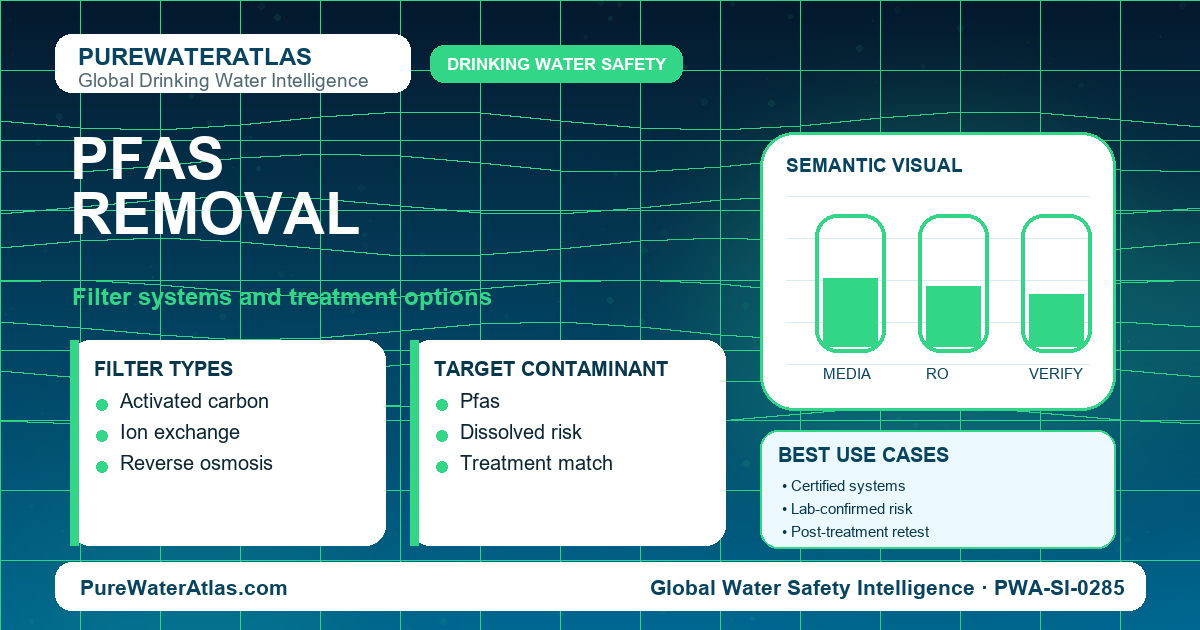
Home Water Testing for Safety Filtration Methods
Different contaminants require different filtration or treatment methods. Understanding these categories helps households avoid mismatched systems.
Sediment Filtration
Sediment filters remove sand, silt, rust, and suspended particles. They are often used as pre-filters to protect other equipment. While important for water clarity and system performance, sediment filters do not remove dissolved contaminants or disinfect water.
Activated Carbon
Carbon filters are widely used to reduce chlorine, chloramine in some designs, taste and odor compounds, and certain organic chemicals. They are common in pitcher filters, faucet units, refrigerator filters, under-sink systems, and whole-house systems. Carbon can be very effective for aesthetic improvement and some chemical reduction, but it does not address every issue. Its performance depends on contact time, carbon type, contaminant type, and maintenance schedule.
Reverse Osmosis
Reverse osmosis systems force water through a semi-permeable membrane and can reduce many dissolved contaminants, including nitrate, arsenic, fluoride, sodium, and some metals. They are often used at the kitchen sink for drinking and cooking water. RO systems usually include pre-filters and post-filters and may waste some water during operation. They require regular maintenance to remain effective.
Ion Exchange
Ion exchange is commonly used in water softeners to remove calcium and magnesium, which cause hardness. Specialized ion exchange media may also reduce nitrate or certain metals. However, standard softeners do not solve microbial contamination or many organic chemical problems.
Ultraviolet Disinfection
UV systems inactivate many microorganisms by damaging their genetic material. They can be highly effective when properly sized and maintained, but they do not remove sediment, chemicals, or heavy metals. Water should usually be clear enough for UV light to penetrate effectively.
Distillation
Distillation heats water to produce vapor, then condenses the vapor back into liquid. It can reduce many minerals and contaminants, though some volatile compounds require additional controls. Distillers can be effective but may be slower and more energy-intensive than some alternatives.
Oxidation and Specialized Media
Iron, manganese, sulfur, and certain other contaminants may require oxidation followed by filtration, or specialized catalytic media. These systems are often used in whole-house applications where staining, odor, and fouling are major concerns.
Home Water Testing for Safety Treatment Systems
Choosing among home water testing for safety treatment systems involves balancing contaminant reduction needs, certification, installation requirements, and maintenance complexity.
- Pitcher and countertop filters: convenient for basic improvement, but usually limited in flow rate and contaminant scope.
- Faucet-mounted filters: useful for chlorine, taste, and some lead reduction if certified for that purpose.
- Under-sink systems: often provide more robust treatment, including carbon block and reverse osmosis configurations.
- Refrigerator filters: convenient but not a substitute for targeted treatment when serious contaminants are present.
- Whole-house systems: appropriate when contaminants affect all household water, such as sediment, sulfur, hardness, or some microbial concerns combined with pre-treatment.
Home Water Testing for Safety Best Filters
There is no single answer to the question of home water testing for safety best filters. The best filter is the one certified or proven to reduce the specific contaminants found in the home’s water. In general, households should look for:
- Third-party certification to recognized performance standards
- Clear documentation of which contaminants are reduced
- Capacity ratings and realistic service life information
- Compatibility with the home’s water pressure and flow needs
- Availability and cost of replacement parts
- Simple maintenance procedures the household will actually follow
For lead, a certified lead-reduction filter may be sufficient at a drinking-water tap in some situations. For nitrate or arsenic, reverse osmosis may be more appropriate. For bacterial contamination in a whole-house well system, disinfection and source correction are often necessary. For hardness alone, a softener may be suitable, but it will not address unrelated contaminants.
Home Water Testing for Safety Maintenance
Home water testing for safety maintenance is one of the most important determinants of long-term performance. Even excellent equipment fails if filters are not changed, UV lamps are not replaced, tanks are not sanitized, or pre-filters are ignored. Maintenance tasks may include:
- Replacing filter cartridges on schedule
- Changing RO membranes as needed
- Cleaning housings and storage tanks
- Replacing UV lamps and checking quartz sleeves
- Regenerating and servicing ion exchange systems
- Monitoring pressure drops or flow changes
- Retesting treated water periodically
Poor maintenance can do more than reduce removal performance. In some cases, neglected systems can become sites of microbial growth or release trapped contaminants back into the water. Households should keep a maintenance log and follow manufacturer instructions carefully.
Home Water Testing for Safety Effectiveness
True home water testing for safety effectiveness depends on matching treatment to the contaminant, ensuring proper installation, maintaining the system, and verifying results through testing. Effectiveness is not just about the technology itself. It also depends on water chemistry, flow rate, contact time, temperature, and user behavior. A highly rated system can underperform if installed incorrectly or operated outside its design limits.
The most reliable practice is to test before treatment, install a system designed for the identified issue, and test again after installation and at regular intervals. That cycle turns treatment from a guess into a measured safety strategy.
Common Misconceptions
Many water safety decisions are shaped by assumptions that are incomplete or incorrect. Addressing these misconceptions can help households make better choices.
If Water Looks Clean, It Is Safe
Many dangerous contaminants are invisible and have no taste or odor. Lead, nitrate, arsenic, and certain industrial chemicals may be present even when water appears perfectly normal.
Municipal Water Never Needs Home Testing
Public water systems are monitored, but household plumbing can still introduce contaminants such as lead and copper. Localized issues, service line conditions, and in-home fixtures can affect what comes out of the tap.
One Filter Solves Everything
No single filter removes every contaminant. Systems are designed for specific classes of problems, which is why testing is necessary before selecting treatment.
Bottled Water Is Always Safer
Bottled water is not automatically safer than properly treated tap water. It may also be costly, less regulated in practical consumer understanding, and inconvenient during long-term use. In many cases, targeted home treatment is more consistent and economical.
Filters Work Until Water Tastes Bad
Filter exhaustion often occurs before noticeable taste changes. Some contaminants have no flavor, so relying on taste is not a reliable maintenance signal.
Water Softeners Purify Water
Softeners address hardness but do not disinfect water or remove many toxic contaminants. They are treatment tools for a specific problem, not complete purification systems.
Regulations and Standards
Understanding the regulatory framework helps households interpret water reports and choose treatment systems more confidently.
Public Water Standards
In many countries, including the United States, public drinking water systems must meet legally enforceable standards for specific contaminants. These standards are intended to protect public health and require routine monitoring, reporting, and corrective action when limits are exceeded.
Private Wells
Private wells are typically not regulated in the same way as public water systems. That means the homeowner is responsible for testing, system upkeep, and deciding on treatment. This regulatory gap is one reason private well users should be proactive about water safety.
Primary and Secondary Standards
Primary standards are health-based and address contaminants that can cause illness or long-term health effects. Secondary standards are generally related to taste, odor, staining, color, or other aesthetic issues. While secondary concerns may seem less urgent, they can still signal operational problems or interfere with household water use.
Product Certification
When comparing treatment options, households should look for independent third-party certification that verifies contaminant reduction claims. Certification is especially valuable because marketing language can be broad or vague. A product labeled as a purifier or premium filter may not necessarily be certified for the contaminant that matters most in a specific home.
Local Guidance Matters
Regulations provide a baseline, but local public health agencies, water utilities, extension services, and certified laboratories often provide more practical guidance for regional issues. For example, some regions face elevated arsenic, others have chronic nitrate concerns, and some urban areas have aging lead service lines. A household treatment plan should align with local risk patterns as well as national standards.
Conclusion
Protecting household water quality requires more than assumptions or generalized advice. The most effective strategy is to treat water safety as a process: identify likely risks, confirm them through testing, choose treatment that targets the actual contaminants present, and maintain the system so performance continues over time. This is the core idea behind home water testing for safety removal.
Whether the concern is lead from aging plumbing, bacteria in a private well, nitrate from agricultural runoff, or unpleasant chlorine taste from municipal supply, the right solution depends on accurate information. Home water testing for safety filtration methods and home water testing for safety treatment systems vary widely in what they can and cannot do. The home water testing for safety best filters are not the most expensive or most advertised products, but the ones that are properly matched to the problem, certified for the target contaminant, and maintained correctly.
Long-term success also depends on home water testing for safety maintenance and verification. Filters clog, media become exhausted, membranes foul, and water conditions change. Ongoing monitoring is essential to ensure home water testing for safety effectiveness in real household conditions.
For any household seeking safer water, testing is the starting point, treatment is the response, and maintenance is the guarantee that protection continues. By combining all three, homeowners can make informed decisions that support health, safety, and confidence in every glass of water.
Read the full guide: Drinking Water Safety Guide
Explore more in this category: Drinking Water Safety Articles