Drinking water safety is one of the most critical public health concerns worldwide. While many regions benefit from advanced treatment systems and strict regulations, others face ongoing risks related to contamination, infrastructure, and environmental factors.
Understanding whether your water is safe to drink requires more than visual inspection. It involves knowing potential contaminants, how water is treated, how it is tested, and what standards apply. This guide provides a complete overview of drinking water safety, helping you make informed decisions about your water quality.
What Is Drinking Water Safety?
Drinking water safety refers to the condition in which water is free from harmful levels of contaminants and safe for human consumption. Safe water should not pose short-term or long-term health risks and should meet established quality standards.
👉 Explore the broader topic of water safety:
Drinking Water Safety
Why Drinking Water Safety Matters
Access to safe drinking water directly impacts health, economic stability, and quality of life. Unsafe water can lead to widespread health issues, from mild gastrointestinal illness to severe long-term diseases.
In many parts of the world, water safety is influenced by infrastructure, environmental conditions, and public health policies.
👉 Learn how contamination affects safety:
Water Contamination
Types of Drinking Water Risks
Drinking water can be affected by different types of risks, including:
- Chemical contamination (lead, arsenic, pesticides)
- Biological contamination (bacteria, viruses, parasites)
- Physical contamination (sediments, particles)
- Radioactive contamination (naturally occurring elements)
Each type of contamination behaves differently and requires specific monitoring and treatment approaches.
👉 Explore contamination categories:
Water Contamination
👉 Related articles:
- Is Tap Water Safe to Drink: Health Effects and Risks
- Is Tap Water Safe to Drink: Complete Guide
- Is Tap Water Safe to Drink: Removal and Treatment Options
- Is Tap Water Safe to Drink: Home Safety Checklist
- Is Tap Water Safe to Drink: FAQs and Common Questions
- Heavy Metals in Drinking Water: Regulations and Standards
- Heavy Metals in Drinking Water: Testing and Detection Methods
- Microplastics in Drinking Water: Best Filters, Systems and Solutions
- Microplastics in Drinking Water: Home Safety Checklist
- Microplastics in Drinking Water: Regulations and Standards
- Microplastics in Drinking Water: Removal and Treatment Options
- Microplastics in Drinking Water: Complete Guide
- Nitrate Contamination in Drinking Water: Regulations and Standards
- Nitrate Contamination in Drinking Water: Removal and Treatment Options
- Nitrate Contamination in Drinking Water: Testing and Detection Methods
- Arsenic in Drinking Water: Health Effects and Risks
- Arsenic in Drinking Water: Complete Guide
- Lead in Drinking Water: FAQs and Common Questions
- Radioactive Contaminants in Drinking Water: Home Safety Checklist
- Radioactive Contaminants in Drinking Water: Best Filters, Systems and Solutions
- Radioactive Contaminants in Drinking Water: FAQs and Common Questions
- Water Quality by Country: Complete Guide
- Water Quality by Country: Testing and Detection Methods
- Countries with Unsafe Drinking Water: Causes and Sources
- Countries with Unsafe Drinking Water: Complete Guide
- Countries with Safe Drinking Water: FAQs and Common Questions
- Countries with Safe Drinking Water: Regulations and Standards
- Countries with Safe Drinking Water: Removal and Treatment Options
- Countries with Safe Drinking Water: Health Effects and Risks
- Countries with Safe Drinking Water: Causes and Sources
- Countries with Safe Drinking Water: Complete Guide
Health Risks of Unsafe Drinking Water
Exposure to unsafe drinking water can result in both immediate and long-term health effects.
Short-term risks include:
- Gastrointestinal illness
- Infections caused by bacteria or viruses
Long-term exposure may lead to:
- Organ damage
- Neurological disorders
- Increased cancer risk
👉 Learn more about microbial risks:
Water Microbiology
Solutions and Treatment Methods
Ensuring drinking water safety often requires treatment and purification. The appropriate solution depends on the type of contamination present.
Common treatment methods include:
- Filtration systems
- Reverse osmosis
- UV purification
- Boiling
Each method targets specific contaminants and may be used alone or in combination.
👉 Explore purification methods:
Water Purification
👉 Explore treatment systems:
Water Treatment Systems
How to Test and Monitor Drinking Water
Testing is essential to determine whether water is safe. Since many contaminants are invisible, laboratory or home testing is often required.
Common testing approaches include:
- Laboratory analysis
- Home testing kits
- Municipal water quality reports
👉 Full testing guide:
Water Testing
Drinking Water Safety Around the World
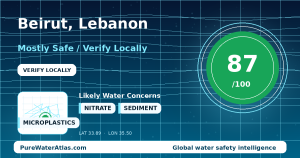
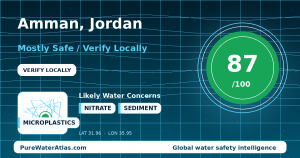
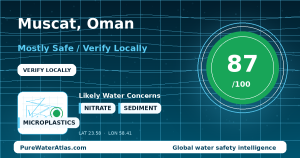
Water safety varies significantly across regions. While some countries maintain strict regulatory standards, others face challenges due to limited infrastructure or environmental pressures.
Factors influencing global water safety include:
- Government regulations
- Water treatment capacity
- Environmental pollution
- Climate conditions
👉 Explore global water quality:
Global Water Quality
Related Drinking Water Topics
Key Takeaways
- Drinking water safety depends on contamination levels, treatment, and regulation
- Many risks are invisible and require testing to detect
- Different contaminants require different treatment methods
- Water safety varies significantly across regions
- Proper knowledge and monitoring are essential for protection
Final Thoughts
Drinking water safety is not something to assume—it must be understood and verified. By learning about contaminants, testing methods, and treatment solutions, you can take control of your water quality and reduce potential health risks.
PureWaterAtlas provides detailed insights into water safety, helping you navigate complex information and find reliable answers.
👉 Continue exploring:
Blog
👉 Explore all safety-related articles: Drinking Water Safety Articles
Explore related topics
Drinking Water Safety
Practical articles to help readers understand whether their water is safe and what warning signs to watch for.
Water Contamination
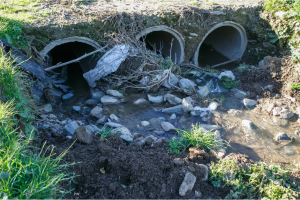
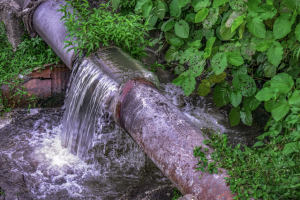
Key articles covering common contaminants, exposure pathways, and health implications.
Global Water Quality
Country and location-based articles exploring how safe drinking water varies around the world.