Introduction
For many households, tap water is the most convenient and affordable source of daily drinking water. Yet a common question remains: is tap water safe to drink removal an issue that every home should evaluate, or are public treatment systems already enough? The answer depends on where the water comes from, how it is treated before it reaches the faucet, the condition of local infrastructure, and whether contaminants are entering the water after municipal treatment. Understanding these factors helps consumers make informed decisions about when additional filtration or treatment is useful, what systems are appropriate, and how to maintain them for reliable performance.
In many communities, municipal tap water meets legal standards and is generally safe for the average healthy adult. However, “safe” does not always mean free of all contaminants, tastes, odors, or emerging substances of concern. It also does not guarantee that water quality is identical in every building. Aging pipes, plumbing materials, well-water conditions, seasonal runoff, industrial activities, and treatment limitations can all affect what comes out of a household tap. That is why people often research broader guidance on drinking water safety before choosing a filter or treatment system.
This article explains what tap water safety really means, where contaminants can come from, how to test for problems, and which removal and treatment options may help. It also reviews drinking water safety topics, including filtration methods, treatment systems, maintenance needs, and the effectiveness of common water purification technologies. The goal is not to create unnecessary alarm, but to provide a practical, evidence-based framework for evaluating water in a home, school, apartment, or workplace.
What It Is
When people ask whether tap water is safe to drink, they are usually asking several different questions at once. They may be asking whether the water is free of disease-causing organisms, whether it contains chemicals above recommended limits, whether it has unpleasant taste or odor, or whether long-term exposure to low levels of contaminants could be a concern. The phrase “is tap water safe to drink removal” refers to the set of steps used to reduce or eliminate substances that may affect water quality, safety, or acceptability.
Tap water usually comes from one of two main sources: surface water, such as rivers, lakes, and reservoirs; or groundwater, such as wells and aquifers. Before it reaches consumers, municipal water often undergoes several treatment steps that may include coagulation, sedimentation, filtration, and disinfection. These processes are designed to remove particles, microbes, and some chemical contaminants. Even so, no treatment approach removes every possible substance under all conditions.
Household water quality concerns generally fall into the following categories:
- Microbiological contaminants: bacteria, viruses, and parasites
- Inorganic contaminants: lead, arsenic, nitrate, fluoride, and other minerals or metals
- Organic chemicals: pesticides, solvents, industrial compounds, and disinfection byproducts
- Physical issues: sediment, rust, cloudiness, color, and suspended solids
- Aesthetic concerns: chlorine taste, sulfur odor, metallic flavor, and hardness
- Emerging contaminants: PFAS, pharmaceuticals, and microplastics in some areas
It is important to separate aesthetic concerns from health concerns. Water that smells like chlorine may still be microbiologically safe, while water that looks clear and tastes fine could still contain lead or nitrates. That distinction is central to understanding water contamination issues and choosing an appropriate response.
Another key point is that water safety is not static. Source water conditions change with weather, land use, drought, flooding, industrial activity, and agricultural runoff. Water treatment plant performance can vary. Plumbing inside homes and buildings can also change over time. As a result, the question is not only “Is tap water safe?” but also “Safe according to which contaminant, at what level, and under what circumstances?”
Main Causes or Sources
Concerns about tap water usually arise from contamination at the source, limitations in treatment, or issues in distribution and plumbing. Identifying the source is essential because the best solution depends on the type of contaminant and where it enters the water.
Source Water Contamination
Rivers, lakes, and groundwater can be affected by natural and human-made contaminants. Surface water is especially vulnerable to runoff after storms, while groundwater can accumulate dissolved minerals and chemicals over long periods.
- Agricultural runoff: fertilizers, nitrates, pesticides, and animal waste can enter water supplies
- Industrial discharge: solvents, heavy metals, PFAS, and other compounds may contaminate nearby water sources
- Wastewater influence: pharmaceuticals, personal care product residues, and pathogens may be present downstream of treatment discharges
- Natural geology: arsenic, manganese, iron, sulfur, and radionuclides can occur naturally in some aquifers
- Storm events and floods: can increase turbidity, microbes, and chemical transport into source waters
Municipal Treatment Limitations
Public utilities are designed to remove or reduce many contaminants, but no system is perfect. Treatment plants are usually optimized around regulated contaminants and broad public health protection, not necessarily the complete removal of every trace chemical or aesthetic issue. Some contaminants are difficult or expensive to remove, especially when they occur intermittently or at very low concentrations.
This is one reason consumers explore water purification options for point-of-use treatment at home. Household systems may provide an additional barrier for specific contaminants that matter in a particular location.
Distribution System Problems
Even if water leaves a treatment plant in good condition, it can be affected as it moves through distribution pipes. Water main breaks, low disinfectant residuals, corrosion, and biofilm formation may alter water quality before it reaches the consumer.
- Old infrastructure can contribute rust, sediment, and metal particles
- Corrosive water can dissolve metals from pipes and fixtures
- Pressure loss events may increase contamination risk in some situations
- Storage tanks and local plumbing can influence taste, odor, and microbial growth
Household Plumbing and Fixtures
One of the most important sources of concern inside homes is plumbing. Lead service lines, brass fixtures, solder, galvanized pipes, and stagnant water can all contribute contaminants that are not necessarily representative of the wider municipal system. This is especially relevant in older buildings, apartments, schools, and homes with long periods of low water use.
For a more focused review of how contamination enters drinking water, readers often benefit from a resource on tap water causes and sources.
Health and Safety Implications
The health implications of tap water depend heavily on the contaminant involved, the concentration, the duration of exposure, and the vulnerability of the person drinking it. Infants, pregnant women, older adults, and immunocompromised individuals may face different levels of risk than healthy adults.
Microbial Risks
Microorganisms such as bacteria, viruses, and parasites can cause acute illness, often affecting the digestive system. Symptoms may include diarrhea, vomiting, cramps, and fever. Public water disinfection substantially lowers this risk, but failures in treatment or distribution can still occasionally occur. Private wells, in particular, may face microbial risks if poorly maintained or influenced by septic systems, flooding, or surface water intrusion.
Lead and Other Metals
Lead is one of the most serious drinking water concerns because it can harm brain development in infants and children and contribute to cardiovascular and kidney problems in adults. There is no beneficial level of lead exposure. Copper, while essential in small amounts, can cause gastrointestinal issues at elevated levels and may signal corrosive water conditions. Arsenic, another major concern in some regions, is associated with long-term cancer and organ-related risks.
Nitrate
Nitrate is particularly important in agricultural regions and for private well owners. High nitrate levels can be dangerous for infants because they interfere with the blood’s ability to carry oxygen. Pregnant women and households using formula for infants should be especially attentive to nitrate test results.
Disinfection Byproducts and Chemical Exposures
Disinfection is essential for microbial safety, but it can also create byproducts when disinfectants react with organic matter in water. Utilities manage this balance carefully, but byproducts remain a regulatory issue because of possible long-term health effects. Other chemicals, such as pesticides, solvents, and PFAS, may also raise chronic exposure concerns depending on local conditions and concentration levels.
Aesthetic Issues Versus Health Risks
Bad taste, cloudiness, discoloration, or odor do not always indicate a serious health problem, but they should never be dismissed automatically. Rotten egg odor can point to hydrogen sulfide or certain bacteria. Brown or reddish water may reflect rust or disturbed sediment. A strong chlorine smell may reflect disinfection levels or user sensitivity. Sometimes these are mainly nuisance problems; other times they are clues that warrant testing.
Anyone evaluating water concerns should understand both immediate and long-term impacts. A dedicated discussion of health effects and risks can help place specific contaminants in context.
Testing and Detection
Choosing the right removal strategy starts with testing. Without test results, it is easy to buy a system that does not address the real issue. Water that tastes unpleasant may only need carbon filtration, while water with arsenic, lead, or nitrate may require a more specialized treatment system.
Consumer Confidence Reports and Utility Data
If water comes from a municipal supplier, start with the annual water quality report, often called a Consumer Confidence Report. This document summarizes detected regulated contaminants, treatment information, and compliance status. It provides a useful starting point, but it does not replace testing at the tap because household plumbing can change water quality after it leaves the utility.
Home Test Kits
Home test kits can be useful for screening basic conditions such as pH, hardness, chlorine, nitrate, and sometimes lead. Their convenience makes them attractive, but accuracy varies. They are best viewed as a first step rather than a final answer for serious contamination concerns.
Certified Laboratory Testing
For reliable decision-making, certified laboratory analysis is usually the best option. Lab testing is especially advisable if:
- The home has older plumbing or possible lead service lines
- There is a private well
- Someone in the household is pregnant or an infant uses formula
- Water has unusual taste, odor, color, or sediment
- The area has known contamination concerns such as arsenic, nitrate, or PFAS
- A treatment system is being selected for a specific contaminant
What to Test For
The exact testing panel should reflect local risk factors. Common categories include:
- Basic water quality: pH, hardness, total dissolved solids, iron, manganese
- Microbiology: total coliform, E. coli, sometimes broader pathogen evaluation
- Metals: lead, copper, arsenic, mercury when relevant
- Nutrients: nitrate and nitrite
- Organic contaminants: pesticides, volatile organic compounds, PFAS where exposure is possible
- Disinfection factors: chlorine, chloramine, and byproduct-related testing when needed
Interpreting Results
Detection alone does not always mean danger, and non-detection does not guarantee permanent safety. Concentration matters, as does exposure pattern. Results should be compared with applicable health-based guidelines or regulatory limits. It is also important to distinguish between whole-house issues and water consumed only at the kitchen tap. This affects whether a point-of-use filter or a point-of-entry treatment system makes more sense.
Prevention and Treatment
Prevention and treatment should be targeted, not generic. The most effective approach starts with identifying the contaminant, confirming its source, and matching the right technology to the problem. In discussions about is tap water safe to drink filtration methods, treatment systems, and effectiveness, one principle stands out: no single filter is best for every situation.
Basic Prevention Measures
Some water quality issues can be reduced through practical household steps even before a treatment device is installed.
- Flush stagnant water from taps after long periods of non-use
- Use cold water for drinking and cooking, especially in older homes
- Clean faucet aerators regularly to remove trapped debris
- Replace old plumbing components when lead or corrosion is suspected
- Maintain private wells and protect them from runoff, flooding, and nearby contamination sources
Activated Carbon Filtration
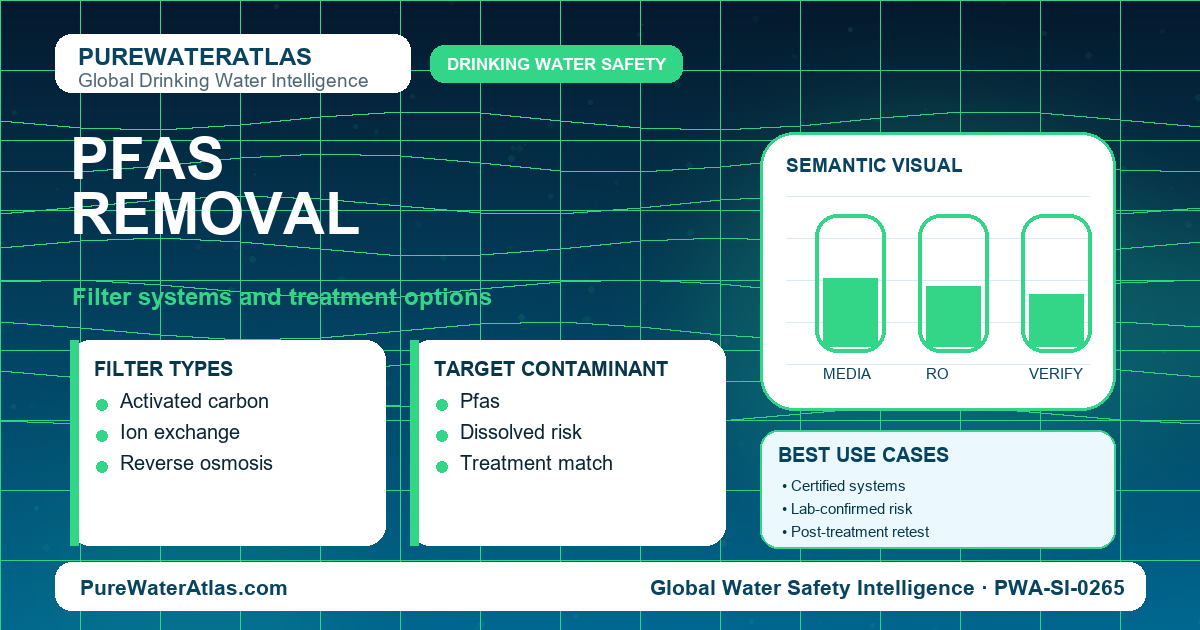
Activated carbon is one of the most common and widely used filtration technologies. It is often found in pitcher filters, faucet-mounted devices, refrigerator filters, and under-sink units. Carbon can improve taste and odor and reduce chlorine, some volatile organic compounds, and certain other chemicals.
Best for: chlorine taste, some odors, many aesthetic issues, selected organic chemicals
Limitations: does not reliably remove all metals, nitrate, dissolved salts, or many microbes unless combined with other treatment stages
For many consumers searching is tap water safe to drink best filters, carbon-based systems are a useful starting point, but only if their certification matches the contaminant of concern.
Reverse Osmosis
Reverse osmosis, often called RO, is one of the most effective point-of-use treatment systems for a wide range of dissolved contaminants. It forces water through a semi-permeable membrane that rejects many salts, metals, nitrates, and other dissolved substances. RO units are commonly installed under the sink and may include sediment and carbon prefilters.
Best for: lead, arsenic, nitrate, fluoride reduction in many cases, total dissolved solids, a broad range of dissolved contaminants
Limitations: produces wastewater, slows flow, requires maintenance, and may not remove all volatile contaminants unless paired with carbon
When evaluating is tap water safe to drink treatment systems, RO is frequently chosen for households with specific chemical concerns rather than simple taste issues.
Ultraviolet Disinfection
Ultraviolet, or UV, treatment uses light to inactivate microorganisms. It is primarily a disinfection technology, not a chemical removal method.
Best for: bacteria, viruses, and some protozoa in microbiologically at-risk water
Limitations: does not remove metals, chemicals, sediment, or dissolved solids; water usually must be clear for UV to work effectively
UV is often used with other filtration methods, especially for private wells where microbial contamination is a concern.
Distillation
Distillation boils water and condenses the steam, leaving many contaminants behind. It can be effective for some metals and dissolved solids.
Best for: some minerals, metals, and many dissolved contaminants
Limitations: energy intensive, slow, may not address certain volatile chemicals without additional controls
Ion Exchange and Water Softeners
Ion exchange systems are commonly used to reduce hardness by replacing calcium and magnesium with sodium or potassium. Certain specialized resins may also address contaminants such as nitrate.
Best for: hardness, scale control, selected contaminant-specific applications
Limitations: standard softeners are not general-purpose safety devices and do not remove many health-related contaminants
Sediment Filters
Sediment filtration removes particles such as rust, sand, and silt. It is often used as a prefilter to protect more advanced systems.
Best for: visible particles, turbidity, protecting downstream filters
Limitations: does not remove dissolved contaminants or most microbes on its own
Whole-House Versus Point-of-Use Systems
Point-of-use systems treat water at a single tap, usually the kitchen sink, where drinking and cooking water is drawn. Whole-house systems treat all water entering the home. The right choice depends on the problem:
- Point-of-use: ideal for lead, nitrate, arsenic, PFAS, or taste concerns related mainly to drinking water
- Whole-house: better for sediment, hardness, sulfur odor, or contamination affecting bathing, laundry, or all fixtures
Certification and Performance
One of the most important aspects of is tap water safe to drink effectiveness is independent certification. Consumers should look for systems tested against recognized performance standards for the contaminants they want to reduce. Marketing claims like “purifies,” “clean,” or “healthy water” are less meaningful than certified reduction data.
Important considerations include:
- Which contaminants the system is certified to reduce
- The rated capacity before replacement is needed
- Flow rate and whether it fits household use
- Installation requirements and compatibility with local plumbing
- Ongoing maintenance and replacement costs
Maintenance Matters
Is tap water safe to drink maintenance is just as important as initial filter selection. A well-designed system can perform poorly if cartridges are not replaced, membranes are neglected, or UV bulbs are not changed on schedule. In some cases, poorly maintained systems can even become sources of bacterial growth or reduced flow.
- Replace filters according to the manufacturer schedule or sooner if water quality declines
- Sanitize housings and storage tanks when recommended
- Monitor pressure, flow, and indicator lights on treatment units
- Retest water periodically, especially after installing a system for a specific contaminant
- Keep records of installation, service dates, and test results
Common Misconceptions
Misunderstandings about drinking water are common. Some lead to unnecessary worry, while others create false confidence.
“Clear water is safe water”
Many dangerous contaminants are invisible, tasteless, and odorless. Lead, nitrate, and arsenic are examples of substances that may not change the appearance of water at all.
“If a city treats water, home filtration is never needed”
Municipal treatment greatly improves safety, but it does not address every possible issue in every building. Household plumbing, local contamination concerns, and personal preferences may justify additional treatment.
“Any filter removes everything”
Different technologies remove different contaminants. A pitcher filter that improves taste may do little for nitrate. A sediment filter that catches rust will not remove dissolved arsenic. Matching the technology to the contaminant is essential.
“Boiling makes all water safe”
Boiling is useful for microbial contamination, but it does not remove metals, nitrates, PFAS, or many chemicals. In some cases, boiling can slightly concentrate dissolved substances as water evaporates.
“Bottled water is always safer than tap water”
Not necessarily. Bottled water quality varies, may not be superior to municipal water, and still depends on source, treatment, packaging, and storage. It can also be more expensive and less environmentally sustainable.
“Filters keep working as long as water still flows”
Flow does not guarantee performance. A saturated carbon filter may continue passing water while no longer effectively reducing contaminants. This is why maintenance schedules and retesting matter.
Regulations and Standards
Drinking water safety is guided by regulatory frameworks and technical standards that set limits, monitoring requirements, and treatment expectations. These systems are an essential public health foundation, but they also have boundaries that consumers should understand.
Public Water Regulations
Municipal water suppliers are generally required to monitor for regulated contaminants, maintain disinfection, meet treatment technique rules, and report results. Standards are designed to protect public health across large populations. However, regulations focus on listed contaminants and specified testing schedules. They may not address every emerging contaminant immediately, and they do not always capture water quality changes inside individual buildings.
Private Wells
Private wells are usually the responsibility of the owner. This means testing, maintenance, and treatment decisions fall on the household rather than a utility. For well owners, regular testing is especially important because contamination can develop without obvious warning signs.
Health-Based Goals Versus Enforceable Limits
Some water standards are enforceable maximum levels, while others are health goals or guidance values. A legal limit reflects both health considerations and practical treatment feasibility. As a result, water that complies with regulations may still contain low levels of certain contaminants. This does not automatically mean it is unsafe, but it helps explain why some households pursue added filtration.
Product Certification Standards
Beyond water utility regulations, treatment products may be evaluated under independent testing standards for contaminant reduction, material safety, and structural integrity. This is one of the most useful tools for comparing is tap water safe to drink best filters and treatment systems. A certified product gives stronger assurance that the device can reduce specific contaminants under defined conditions.
Why Standards Matter to Consumers
Regulations and standards help consumers in several ways:
- They provide benchmarks for interpreting water test results
- They help distinguish meaningful performance claims from marketing language
- They guide decisions about whether treatment is necessary and which system is appropriate
- They support accountability for public utilities and treatment product manufacturers
Conclusion
Whether tap water is safe to drink depends on more than a simple yes-or-no answer. In many areas, public water supplies are generally safe and carefully monitored, but conditions at the source, in the treatment plant, throughout distribution, and inside household plumbing can all influence final water quality. That is why is tap water safe to drink removal should be viewed as a targeted strategy rather than an assumption that every home needs the same filter.
The most effective path is to begin with information. Review local water reports, assess the age and condition of plumbing, and test for contaminants that are relevant to the home and region. From there, choose among is tap water safe to drink filtration methods and treatment systems based on evidence, not advertising. Carbon filters may be excellent for taste and chlorine, reverse osmosis may be better for dissolved contaminants such as nitrate or arsenic, and UV may be appropriate for microbial concerns. No single technology is universally best.
It is equally important to remember that is tap water safe to drink maintenance affects long-term performance just as much as the initial purchase. A filter that is not replaced on time or a treatment unit that is not serviced properly may fail to provide the intended protection. Periodic retesting and attention to certification data are essential parts of responsible water treatment.
Ultimately, tap water safety is best understood as a process of assessment, testing, prevention, and appropriate treatment. With the right information and a contaminant-specific approach, households can make informed choices that improve both confidence and water quality at the tap.
Read the full guide: Drinking Water Safety Guide
Explore more in this category: Drinking Water Safety Articles