
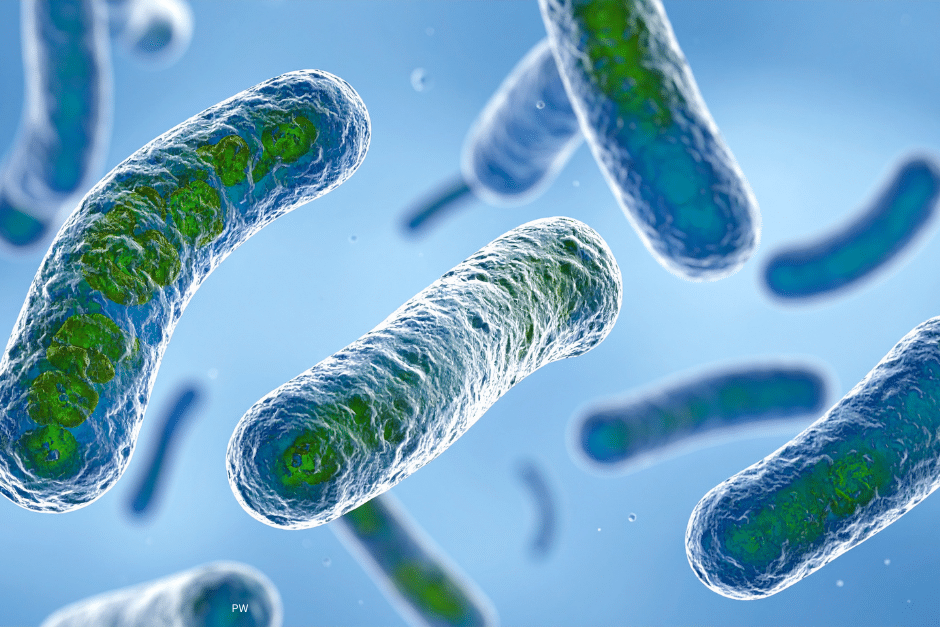
Legionella in water systems is not a problem caused by dirty-looking water. The water can be clear, odorless, and fully compliant with many routine chemical standards, while still allowing bacteria to multiply inside pipes, tanks, heaters, cooling towers, decorative fountains, or other parts of a building water system. The risk becomes serious when contaminated water is turned into small droplets and inhaled. That is how Legionella can cause Legionnaires’ disease, a potentially severe form of pneumonia, and Pontiac fever, a milder flu-like illness.
The problem is especially relevant for hospitals, long-term care facilities, hotels, apartment buildings, campuses, ships, workplaces, spas, and any property with complex plumbing. It also matters for households with stored hot water, poorly maintained showerheads, unused plumbing runs, or vulnerable residents. Legionella control is not only a disinfection question. It is a water safety management question involving temperature, hydraulics, stagnation, biofilm, scale, plumbing design, monitoring, maintenance, and response planning.
This article uses a problem/solution structure. First, it explains why Legionella grows in water systems and why some buildings are more vulnerable than others. Then it outlines practical control strategies, testing approaches, purification methods, and maintenance routines. The goal is to support clear decision-making for householders, facility managers, building engineers, public health teams, and water safety professionals. For broader context on microbial hazards in drinking water, see the PureWaterAtlas pillar guide to Water Microbiology.
The Problem: Why Legionella Becomes a Water System Hazard
Legionella bacteria occur naturally in freshwater environments such as lakes, rivers, and soil-associated water. In nature, concentrations are usually low and human exposure is limited. The public health problem begins when the organism enters man-made water systems that provide the right growth conditions. Building plumbing can unintentionally create a warm, protected, nutrient-rich habitat where Legionella persists within biofilms and inside protozoa.
Unlike many classic drinking water pathogens, Legionella is not primarily a risk from swallowing water. Infection usually occurs when a person inhales aerosols or aspirates contaminated water into the lungs. Aerosols can be produced by showers, faucets, cooling towers, hot tubs, humidifiers, decorative water features, medical devices, and some industrial equipment. Small droplets can carry bacteria deep into the respiratory tract. This route of exposure explains why a building may have no gastrointestinal illness pattern while still having a serious respiratory disease risk.
Legionella pneumophila is the species most often associated with Legionnaires’ disease, particularly serogroup 1. However, other Legionella species can also cause illness. People at higher risk include older adults, smokers, people with chronic lung disease, immunocompromised patients, transplant recipients, people with cancer, and those with certain chronic conditions. In healthcare settings, even low-level system contamination can have serious consequences because the population is more vulnerable.
Public health agencies treat Legionella as a significant water safety concern. The CDC Healthy Water program provides guidance on preventing Legionella growth in building water systems, while the EPA Drinking Water resources address drinking water quality and regulation more broadly. Internationally, drinking water safety is framed through risk prevention and system management, as reflected in the WHO drinking-water fact sheet and related guidance.
How Legionella Gets Into Building Water Systems
Legionella can enter buildings through municipal water, groundwater supplies, construction activities, repairs, pressure changes, or contaminated equipment. The presence of the bacterium at the building inlet does not automatically mean illness will occur. The central issue is amplification. A small number of organisms can become a large, persistent reservoir when system conditions favor growth.
Once inside a building, Legionella can attach to pipe surfaces and become incorporated into biofilm. Biofilm is a complex layer of microorganisms, organic material, corrosion products, and mineral deposits that forms on wet surfaces. It can protect bacteria from disinfectants and temperature fluctuations. Legionella can also survive and multiply inside free-living amoebae and other protozoa, which act like protective hosts. When protozoa release Legionella, the bacteria may be more resistant and better adapted for survival.
Large buildings are often more vulnerable because they have long pipe networks, storage tanks, recirculating hot water loops, dead legs, pressure zones, mixing valves, and variable demand. Water may move slowly or remain stagnant in some sections. Seasonal occupancy, partial building closure, renovations, and low-flow fixtures can worsen the problem. A modern building designed for energy and water conservation may unintentionally increase retention time if water turnover is not managed.
Conditions That Promote Legionella Growth
Legionella control begins with understanding the environmental conditions that support growth. The organism is associated with warm water, especially in the range often found in poorly managed hot water systems. It does not grow well in very cold water, and it is progressively inactivated at sufficiently high temperatures. However, real plumbing systems are uneven. A water heater may be hot enough at the tank, while distal outlets, return loops, or mixing points sit in a risky temperature range.
Stagnation is another major factor. When water sits, disinfectant residuals decay, temperatures drift, sediment settles, and biofilm matures. Stagnation can occur in unused guest rooms, vacant apartments, hospital wings, school buildings during breaks, seasonal facilities, oversized piping, capped branches, and rarely used fixtures. Even a well-operated municipal supply cannot protect every endpoint if building water remains stagnant for long periods.
Scale and sediment also matter. Calcium carbonate scale, corrosion deposits, and organic debris provide surfaces and microhabitats for microbial growth. They can interfere with heat transfer, reduce disinfectant effectiveness, and shelter biofilm. Rubber, plastics, flexible hoses, and some plumbing materials may contribute nutrients under certain conditions. Low disinfectant residuals, inadequate flushing, poorly balanced hot and cold water, and cross-connections can further increase risk.
| Risk factor | Why it matters | Practical solution |
|---|---|---|
| Warm water between roughly 25°C and 45°C | Provides a favorable growth range for Legionella | Maintain hot water hot and cold water cold, with safe scald prevention controls |
| Stagnation | Allows disinfectant decay, temperature drift, and biofilm development | Flush low-use outlets, remove dead legs, and maintain regular water turnover |
| Biofilm | Protects bacteria from disinfectants and supports persistence | Control temperature, disinfectant residual, flow, scale, and sediment |
| Scale and sediment | Create protective niches and reduce treatment effectiveness | Clean tanks, descale fixtures, manage hardness, and maintain heaters |
| Complex plumbing | Creates uneven temperatures and low-flow zones | Map the system, identify critical control points, and simplify where possible |
| Aerosol-generating devices | Increase inhalation exposure | Maintain showers, cooling towers, hot tubs, fountains, and medical equipment carefully |
Health Risks: Legionnaires’ Disease and Pontiac Fever
Legionnaires’ disease is a severe pneumonia that may require hospitalization and can be fatal, particularly in high-risk groups. Symptoms can include cough, fever, muscle aches, shortness of breath, headache, diarrhea, and confusion. Because symptoms resemble other forms of pneumonia, diagnosis requires appropriate clinical testing, such as urinary antigen testing for Legionella pneumophila serogroup 1 and respiratory culture or molecular methods when indicated.
Pontiac fever is usually milder and does not cause pneumonia. It can produce fever, chills, muscle aches, and fatigue, often resolving without specific antibiotic treatment. Even so, Pontiac fever can indicate that a water system has generated infectious aerosols and should not be dismissed as harmless from a water safety perspective.
From a prevention standpoint, the most important question is not whether water appears clean. It is whether the system allows Legionella growth and aerosol exposure. A shower in a vacant hotel room, a poorly maintained hot tub, a hospital sink near a susceptible patient, or a cooling tower with inadequate biocide control can become a transmission point. The risk is shaped by the concentration of bacteria, aerosol production, droplet size, exposure duration, and host susceptibility.
Where Legionella Problems Commonly Occur
Legionella can occur in many engineered water environments. Domestic hot water systems are a leading concern because showers and faucets can produce inhalable droplets. Hot water tanks with sediment, low storage temperatures, failed recirculation loops, and distal outlets in the warm range can support amplification. Thermostatic mixing valves are useful for scald prevention, but if they create long sections of tepid water or are poorly maintained, they may become microbial control points that require attention.
Cooling towers are another well-known source. They reject heat by evaporating water and can disperse aerosols over a wide area if not properly maintained. Cooling tower control requires water treatment, drift eliminators, regular cleaning, microbial monitoring, and operational discipline. Outbreak investigations have repeatedly shown that neglected cooling towers can affect people far beyond the property boundary.
Hot tubs and spas deserve special caution. Warm temperatures, aeration, organic loading from bathers, and disinfectant instability create favorable conditions for microbial growth if operation is poor. Decorative fountains, misters, humidifiers, ice machines, and emergency showers can also be relevant. In healthcare environments, respiratory therapy equipment, hydrotherapy units, and some medical water uses require strict protocols.
Households are not exempt. A single-family home is usually less complex than a hospital or hotel, but risk can rise when water heaters are set too low, plumbing is unused for long periods, showerheads are heavily scaled, or occupants are medically vulnerable. Vacation homes, accessory units, and homes after prolonged vacancy should be flushed carefully before use, especially before showers are taken.
The Solution Framework: Manage the Water System, Not Just the Bacteria
The most effective approach to legionella in water systems is preventive water safety management. A one-time disinfection event may reduce bacteria temporarily, but it rarely fixes underlying conditions. If temperatures remain favorable, pipes remain stagnant, and biofilm remains established, Legionella can return. Sustainable control requires a structured plan.
A practical water management plan starts with system knowledge. Operators should map water sources, heaters, tanks, recirculation loops, mixing valves, pumps, cooling towers, distal outlets, and aerosol-generating devices. They should identify where water can stagnate, where temperature may fall into the growth range, where disinfectant residual may disappear, and where vulnerable people may be exposed. These locations become control points.
The plan should define target limits, monitoring frequency, corrective actions, responsibilities, recordkeeping, and response steps. For example, a facility may set temperature targets for hot water storage, return loops, and distal outlets; flushing schedules for low-use areas; disinfectant residual targets if supplemental disinfection is used; and cleaning intervals for tanks and fixtures. When measurements fall outside limits, staff need clear actions rather than informal judgment.
This type of risk-based structure aligns with broader water safety principles used in public health. PureWaterAtlas covers related microbial and contaminant issues in the Water Microbiology category, and the same preventive logic applies across many waterborne hazards: identify the source, understand the pathway, control exposure, verify performance, and keep records.
Temperature Control: The First Line of Defense
Temperature management is one of the most powerful tools for Legionella control. In general, cold water should be kept cold, and hot water should be stored and distributed hot enough to suppress growth while preventing scald injuries at points of use. The challenge is balancing microbial safety with burn prevention, energy use, plumbing limitations, and legal requirements.
Hot water storage temperatures that are too low can create favorable conditions in tanks. Recirculation loops that lose heat before returning to the heater can create warm zones. Distal outlets may be much cooler than the heater set point, especially if circulation is poor or pipe runs are long. Thermostatic mixing valves can reduce scalding risk, but they should be located and maintained so they do not create large volumes of lukewarm water.
Facilities should measure actual temperatures, not rely only on thermostat settings. Measurements should include heater outlets, return loops, representative distal outlets, and low-use areas. Household users can also benefit from checking water heater settings and outlet temperatures, with caution to avoid burns. Where vulnerable residents live, professional advice may be appropriate because the acceptable balance between scald control and microbial control can be site-specific.
Thermal disinfection, sometimes called heat-and-flush, can be used as a corrective action. It involves raising water temperatures and flushing outlets under controlled conditions. This can reduce Legionella, but it must be done carefully to prevent scalding and may not penetrate all biofilm. It should not be treated as a permanent substitute for good routine control.
Stagnation Control and Flushing
Stagnation is one of the most common and correctable causes of Legionella amplification. Water systems are designed to move water, but many buildings have outlets that are rarely used. Guest rooms may remain vacant. Hospital rooms may be closed for renovation. Schools may sit unused during holidays. Office buildings may experience low occupancy. When water use drops, disinfectant residuals decline and temperatures drift into the range where bacteria can persist.
Flushing is the basic solution, but it must be planned. Randomly running taps for a few seconds may not replace water in long branches or complex loops. Effective flushing should move fresh water through the relevant pipework until temperature and disinfectant conditions are restored. For hot water, that may mean flushing until hot water reaches the outlet. For cold water, it may mean flushing until water is clearly cold and stable. Aerosol exposure should be minimized during flushing, especially in high-risk buildings. Staff may need to remove showerheads, use hoses that discharge below the waterline, ventilate areas, or wear appropriate protection depending on the setting.
Dead legs are sections of pipe with little or no flow. They can occur after renovations, fixture removal, equipment changes, or poor design. Dead legs are difficult to control by routine flushing and should be removed where feasible. Oversized piping can also reduce velocity and increase retention time. In new construction and major renovations, engineers should design for water age control as well as pressure and flow capacity.
After prolonged shutdowns, buildings should follow a recommissioning plan before normal occupancy. This may include system inspection, flushing, temperature stabilization, disinfectant checks, cleaning of fixtures, and microbiological testing where appropriate. Guidance after low-use periods became especially visible during pandemic-related building closures, but the principle applies to any extended vacancy.
Biofilm, Scale, and Sediment: The Hidden Reservoir
Biofilm control is central to Legionella prevention because bacteria in biofilm are harder to kill than free-floating bacteria. Biofilm can form in tanks, pipes, shower hoses, faucet aerators, mixing valves, heat exchangers, and cooling tower basins. Once established, it can release bacteria intermittently, causing test results and exposure risks to fluctuate.
Scale and sediment make biofilm problems worse. Hard water scale creates rough surfaces and crevices. Sediment in water heaters can accumulate nutrients and reduce heat transfer. Corrosion products can consume disinfectant and provide attachment sites. Flexible hoses and elastomeric components can harbor microbial communities if not maintained. Faucet aerators and showerheads can collect particles and support local growth.
Solutions include routine inspection and cleaning, descaling where needed, tank draining and sediment removal, replacement of heavily fouled components, and control of water chemistry. In some systems, water softening or scale control may support Legionella management by reducing mineral buildup, though it is not a stand-alone disinfection method. Material selection also matters. Plumbing products should be appropriate for potable water and compatible with temperature and disinfectant conditions.
Households can apply these principles simply: clean and descale showerheads, remove and clean faucet aerators, flush seldom-used fixtures, keep water heaters maintained, and avoid leaving warm water stagnant in hoses or appliances. Larger facilities need formal inspection schedules and maintenance logs.
Disinfection and Purification Methods for Legionella Control
Purification methods for Legionella control vary by system type, risk level, regulations, and operational capacity. There is no universal treatment that works perfectly in every building. The best choice depends on water chemistry, plumbing materials, temperature, system complexity, biofilm burden, and staff expertise. Treatment should be selected as part of a water management plan rather than as an isolated purchase.
Chlorine is widely used in municipal drinking water and can help control microbial growth when residuals are maintained. However, chlorine residual may decay in building plumbing, especially with high water age, warm temperatures, sediment, or organic matter. Supplemental chlorination may be used in some facilities, but it requires monitoring, safety procedures, and attention to corrosion and disinfection byproducts.
Chlorine dioxide can be effective against biofilm-associated microorganisms and is used in some building water systems. It also requires careful generation, dosing, monitoring, and regulatory compliance. Monochloramine is used by some utilities and can be more persistent in distribution systems than free chlorine, though building-level implications depend on local water chemistry and plumbing conditions.
Copper-silver ionization has been used in hospitals and large buildings for Legionella control. It can provide residual antimicrobial activity, but performance depends on maintaining ion concentrations, pH control, system design, and monitoring. Regulatory acceptance varies by location. Metals can accumulate or cause compliance concerns if not properly controlled.
Ultraviolet disinfection can inactivate microorganisms as water passes through a reactor. It is useful at point-of-entry or point-of-use locations, but it does not provide a residual disinfectant downstream. If biofilm exists after the UV unit, Legionella can persist or regrow in distal plumbing. UV performance also depends on water clarity, lamp maintenance, dose, and flow rate.
Point-of-use filters can reduce exposure at high-risk outlets, especially in healthcare settings. Properly rated filters installed on showers or faucets can physically remove bacteria from water at the outlet. They are often used as temporary controls during remediation or as protective measures for vulnerable patients. Filters require replacement on schedule and must be installed correctly. They do not fix the underlying system reservoir.
Ozone, thermal disinfection, pasteurization, and other methods may be appropriate in specific applications. Cooling towers require their own water treatment programs, often combining oxidizing or non-oxidizing biocides, scale control, corrosion control, cleaning, and drift management. Hot tubs require strict disinfectant and operational control because their warm, aerated water can quickly become unsafe.
| Control method | Strengths | Limitations | Best use |
|---|---|---|---|
| Temperature management | Core preventive control; affects the whole hot water system | Requires careful scald prevention and consistent monitoring | Domestic hot water systems in homes and buildings |
| Routine flushing | Reduces stagnation and restores fresh water conditions | Labor-intensive; may aerosolize water if poorly done | Low-use outlets, recommissioning, and vacant areas |
| Chlorine or chlorine dioxide | Can provide chemical disinfection and residual control | Needs monitoring; may affect corrosion or byproducts | Large buildings with trained operators |
| UV disinfection | No chemical addition; effective at the reactor when designed well | No downstream residual; lamp maintenance required | Point-of-entry or specific process locations |
| Point-of-use filtration | Immediate exposure reduction at taps or showers | Does not remediate the plumbing reservoir | Healthcare, outbreaks, high-risk outlets |
| Cooling tower biocide program | Targets high-aerosol systems with known outbreak potential | Requires specialist operation and documentation | Cooling towers and evaporative condensers |
Testing for Legionella: What Results Can and Cannot Tell You
Testing can support water safety decisions, but it must be interpreted carefully. A negative sample does not prove a system is free of Legionella, because bacteria may be unevenly distributed and released intermittently. A positive sample does not always mean illness will occur, but it does indicate that system conditions allow the organism to persist. Testing is most useful when connected to a clear sampling plan and response protocol.
Culture remains a key method because it detects viable Legionella and allows species or serogroup identification. However, culture takes time and can be affected by sample handling, competing organisms, disinfectant residual, and laboratory methods. Polymerase chain reaction, or PCR, can provide faster detection of Legionella DNA, but it may detect DNA from nonviable cells and does not always indicate infectious risk. Some programs use both methods for different purposes.
Sampling locations should reflect system risk. In a building, samples may come from hot water tanks, recirculation returns, distal outlets, showers, cooling tower basins, and other control points. First-draw samples can indicate local outlet contamination, while flushed samples may better represent water from deeper in the system. The sampling strategy should match the question being asked.
Testing is especially relevant after suspected cases, during outbreak investigations, in healthcare facilities, after major plumbing changes, after prolonged shutdowns, when validating new control measures, or when routine monitoring is required by policy. For households, routine Legionella testing is less common, but it may be considered when residents are at high risk or when plumbing conditions are concerning. Results should be discussed with qualified professionals if illness or vulnerable occupants are involved.
Problem/Solution Checklist for Different Settings
Single-family homes and small buildings
The main household risks are low hot water temperature, unused fixtures, scale, stagnant shower hoses, and vulnerable residents. Practical solutions include maintaining the water heater according to manufacturer and safety guidance, flushing seldom-used taps, cleaning showerheads and aerators, preventing long periods of stagnant warm water, and seeking professional advice when immunocompromised people live in the home. After returning to a vacation home or a house that has been vacant, flush cold and hot water lines before showering, and avoid creating aerosols until fresh water has moved through the system.
Hotels, apartments, and campuses
These buildings often have variable occupancy and complex hot water circulation. The solution is a formal water management plan that includes room turnover flushing, temperature monitoring, maintenance of mixing valves, cleaning of storage tanks, and response steps for positive tests or illness reports. Guest rooms that remain empty should not be ignored. Low-use wings, seasonal dormitories, and amenity areas such as spas or fountains need specific procedures.
Hospitals and long-term care facilities
Healthcare settings require the highest level of caution because patients may be highly susceptible. Water management should be multidisciplinary, involving infection prevention, facilities engineering, clinical leadership, environmental health, and laboratory support. Controls may include enhanced temperature and disinfectant monitoring, point-of-use filters for high-risk units, restrictions on aerosol-generating water use, sterile water for certain clinical activities, and rapid investigation of healthcare-associated pneumonia cases. Sinks, showers, ice machines, and decorative water features should be evaluated through a patient-risk lens.
Cooling towers and industrial systems
Cooling towers need specialist water treatment and maintenance. The problem is not only bacterial growth but also aerosol dispersal. Solutions include registration where required, routine inspection, cleaning and disinfection, biocide control, scale and corrosion management, drift eliminator maintenance, and documentation. Operators should respond quickly to loss of biocide residual, visible slime, sediment accumulation, mechanical faults, or nearby illness reports.
Legionella and Broader Water Contamination
Legionella is one part of the wider field of drinking water contamination and microbial risk. Chemical contaminants, fecal pathogens, corrosion metals, disinfection byproducts, and opportunistic premise plumbing pathogens can interact with the same infrastructure. A building with poor temperature control, corrosion, sediment, and stagnation may face multiple water quality issues at once. For a wider overview of contaminant categories and prevention principles, see the PureWaterAtlas Water Contamination Guide.
Water science also helps explain why a treatment that looks adequate on paper can underperform in a real building. Flow patterns, pipe materials, disinfectant demand, water age, heat transfer, mineral scaling, and microbial ecology all influence outcomes. The Water Science guide provides broader background on these mechanisms. For Legionella, the practical lesson is direct: control measures must be verified in the actual system, not assumed from design intent.
Wastewater and non-potable water systems can also be relevant in some facilities, particularly where reclaimed water, industrial process water, or complex drainage infrastructure is present. Cross-connections, backflow, aerosol-generating equipment, and maintenance practices should be evaluated carefully. The PureWaterAtlas guide to the Wastewater Treatment Process explains related treatment principles, although Legionella control in building plumbing requires its own targeted plan.
Outbreak Response: What to Do When Legionella Is Suspected
A suspected Legionella case linked to a building requires prompt, organized action. The first step is to protect people. Depending on the setting, this may include restricting showers, shutting down decorative fountains or hot tubs, installing point-of-use filters, providing alternative water arrangements for high-risk patients, or taking cooling towers offline if they are suspected. Public health authorities should be notified according to local requirements.
Investigation should combine epidemiology, clinical information, environmental assessment, and laboratory testing. Investigators need to understand where affected people spent time, what aerosol exposures occurred, and which water systems could be involved. Environmental sampling should be planned before major remediation when possible, but protection of life takes priority when risk is high.
Remediation may include thermal disinfection, chemical shock disinfection, cleaning of tanks and fixtures, cooling tower disinfection, removal of dead legs, adjustment of hot water temperatures, repair of circulation systems, or installation of supplemental treatment. After remediation, follow-up testing and monitoring are needed. A single negative sample immediately after disinfection does not guarantee long-term control. The underlying water management plan should be revised to prevent recurrence.
Communication matters. Building occupants, patients, staff, and residents need clear, accurate information without panic. Messages should explain what is known, what actions are being taken, who is at higher risk, and what symptoms require medical attention. Overly vague reassurance can damage trust; overly alarming statements can cause confusion. A calm, factual approach is best.
Designing Buildings to Reduce Legionella Risk
Many Legionella problems are easier to prevent during design than to correct after construction. Engineers, architects, owners, and commissioning teams should consider water age, pipe sizing, fixture placement, hot water circulation, access for maintenance, temperature monitoring, drainability, and future occupancy patterns. A building designed only for peak theoretical demand may have excessive water volume during normal use.
Good design avoids unnecessary dead legs, oversized storage, poorly located mixing valves, and inaccessible tanks. It supports adequate hot water return temperatures, cold water protection from heat gain, flushing access, and monitoring points. It also considers how the building will operate during partial occupancy, seasonal use, or emergency shutdown. Commissioning should verify that water temperatures, flows, and controls perform as intended before occupancy.
Renovations require special attention. Removing fixtures without removing branch piping can create stagnant dead legs. Adding low-flow fixtures may change turnover patterns. Installing new equipment can introduce cross-connection or backflow risks if not done properly. Construction dust and debris can enter plumbing if controls fail. After major work, systems should be flushed, disinfected where appropriate, and verified before normal use.
Common Mistakes That Allow Legionella to Return
The first common mistake is treating Legionella as a one-time contamination event. In many cases, the organism returns because the building still provides warm, stagnant, biofilm-rich conditions. Shock disinfection may be necessary, but it should be followed by long-term control.
The second mistake is relying on water heater set points without checking distal temperatures. A tank may be hot while remote outlets remain in the growth range. Recirculation pumps may fail, balancing valves may be misadjusted, and insulation may be poor. Actual measurements are essential.
The third mistake is neglecting low-use areas. A facility may monitor main loops while vacant rooms, emergency showers, hose bibs, or decorative features stagnate. Legionella risk often hides in parts of the system that staff rarely visit.
The fourth mistake is installing treatment without maintaining it. UV lamps age, filters clog, chemical dosing pumps drift, sensors fail, and biocide tanks run empty. Any purification method can become ineffective if operation and verification are weak.
The fifth mistake is separating engineering from health risk. Facilities teams may focus on equipment performance, while infection prevention teams focus on patient outcomes. Legionella control requires both perspectives. The best programs bring engineering data, microbiology, and public health decision-making together.
Practical Prevention Plan
A prevention plan does not need to be complicated, but it must be specific. For a household, the plan may be a short checklist: maintain the water heater, flush unused taps weekly, clean showerheads, avoid stagnant warm water, and take extra precautions for vulnerable residents. For a hospital or hotel, the plan should be a formal document with assigned responsibilities and records.
Start by identifying all water systems that can produce aerosols. Include showers, faucets, hot tubs, cooling towers, fountains, misters, humidifiers, emergency showers, and specialized equipment. Map hot and cold water pathways. Mark storage tanks, heaters, recirculation loops, mixing valves, and low-use branches. Then identify where control is needed: temperature, flow, disinfectant, cleaning, filtration, or access restriction.
Set measurable limits. Examples include hot water storage and return temperature ranges, maximum time for hot water to reach distal outlets, cold water temperature targets, flushing frequency for unused fixtures, disinfectant residual targets, and cleaning intervals for tanks or cooling towers. Define corrective actions for each limit. If a return loop is too cool, who investigates? If a low-use outlet is missed, who flushes it? If a cooling tower biocide residual is low, what happens immediately?
Keep records. Temperature logs, flushing records, maintenance reports, treatment readings, test results, and corrective actions are not bureaucracy for its own sake. They allow patterns to be seen before illness occurs. They also support accountability when staff change or when an investigation occurs.
Review the plan whenever the building changes. New fixtures, renovations, occupancy shifts, water supply changes, equipment failures, and illness reports should trigger reassessment. Legionella control is a continuing process, not a certificate that can be filed away.
FAQ
Can you get Legionnaires’ disease from drinking contaminated water?
Most infections occur from inhaling aerosols that contain Legionella, not from drinking water in the usual way. However, aspiration can occur when water enters the airway, especially in people with swallowing difficulties or serious illness. This is why showers, faucets, respiratory equipment, hot tubs, and other aerosol or aspiration pathways matter.
Does boiling water remove Legionella risk?
Boiling water kills Legionella in that water, but it does not disinfect the plumbing system. Boiling may be useful for specific water uses during an advisory, but it does not solve biofilm, stagnant pipes, contaminated showerheads, or cooling tower problems. System control is still required.
Are home water filters effective against Legionella?
Some point-of-use filters can physically remove bacteria if they are properly rated, installed, and replaced. Many common taste-and-odor filters are not designed for Legionella control. Whole-house or faucet filters should not be assumed protective unless their specifications and maintenance requirements match the microbial risk.
What temperature kills Legionella?
Legionella is progressively inactivated at higher temperatures, while warm water in the approximate range of 25°C to 45°C can support growth. Exact control targets depend on local guidance, scald prevention requirements, and system design. Measuring actual outlet and return temperatures is more reliable than relying only on heater settings.
How often should a building test for Legionella?
There is no single schedule that fits every building. Healthcare facilities, large buildings, cooling towers, and sites with vulnerable occupants may need routine testing as part of a water management plan. Testing frequency should reflect risk, system history, regulations, and control performance. Testing without a response plan has limited value.
Can chlorine in city water prevent Legionella in buildings?
Municipal disinfectant helps reduce microbial risk, but residual levels can decline inside buildings, especially where water is warm, stagnant, or trapped in biofilm. A building can receive compliant city water and still develop Legionella problems in its own plumbing. Premise plumbing management remains necessary.
What should I do after a house has been vacant for weeks?
Flush cold and hot water lines before normal use, starting carefully to reduce aerosol exposure. Open taps, run water until temperatures stabilize, clean or descale showerheads if needed, and maintain the water heater properly. If someone in the home is immunocompromised or has chronic lung disease, consider professional guidance before using showers.
Bottom Line
Legionella in water systems is a preventable risk when buildings are managed with microbial safety in mind. The problem develops when warm temperatures, stagnation, biofilm, scale, and aerosol exposure align. The solution is not a single product or occasional shock treatment. It is a disciplined water safety program that keeps hot water hot, cold water cold, water moving, surfaces clean, treatment systems maintained, and high-risk outlets under control.
For households, the practical steps are straightforward: maintain water heaters, flush unused fixtures, clean showerheads, and take extra care when residents are vulnerable. For large buildings, the responsibility is broader: map the system, monitor control points, document actions, test where appropriate, and respond quickly when limits are missed. Legionella control sits at the intersection of microbiology, engineering, public health, and everyday maintenance. When those pieces work together, the risk can be reduced substantially.
Read the full guide: Water Microbiology Guide
Explore more in this category: Water Microbiology Articles