Boiling is one of the oldest and most reliable emergency methods for making microbiologically unsafe water safer to drink. It is simple, visible, and does not require specialized equipment beyond a heat source and a clean container. For households facing a boil water advisory, hikers treating uncertain surface water, or facility managers preparing emergency procedures, boiling remains a practical benchmark against which many other purification methods are compared.
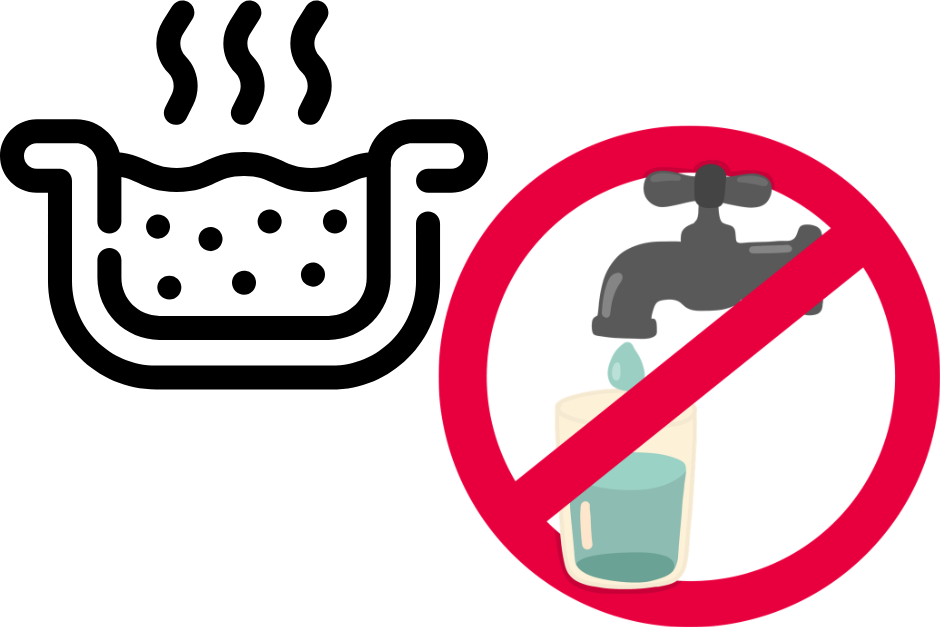
Yet boiling is often misunderstood. It is very effective against bacteria, viruses, and protozoa when performed correctly, but it is not a universal water treatment technology. Boiling does not remove lead, arsenic, nitrate, most industrial chemicals, microplastics, salts, or many taste and odor compounds. In some cases, boiling can concentrate dissolved contaminants because water evaporates while nonvolatile substances remain behind. A good boiling water safety guide must therefore answer two questions at the same time: when is boiling enough, and when is another treatment method needed?
This comparison guide explains what boiling accomplishes, where it fails, how it compares with filters, chemical disinfectants, ultraviolet systems, reverse osmosis, and distillation, and how to use boiling safely during advisories and emergencies. It is written for readers who want practical decisions grounded in water science rather than vague reassurance. For broader context on household risk assessment, see the PureWaterAtlas pillar resource on Drinking Water Safety.
What Boiling Water Does Scientifically
Boiling is a thermal disinfection process. As water temperature rises, heat damages the proteins, membranes, and genetic material that microorganisms need to survive and reproduce. The effect is not only about reaching a specific temperature; it is a combination of temperature and time. At sufficiently high temperatures, most waterborne pathogens are inactivated rapidly.
At sea level, water boils at about 100 °C. At higher elevations, the boiling point is lower because atmospheric pressure is lower. Even so, a sustained rolling boil remains hot enough to inactivate the major microbial hazards that households are usually trying to control during a boil water notice: disease-causing bacteria such as Escherichia coli and Salmonella, viruses such as norovirus and hepatitis A, and protozoan parasites such as Giardia and Cryptosporidium. Protozoan cysts and oocysts are more resistant to many chemical disinfectants than bacteria are, which is one reason boiling has retained its place in emergency guidance.
The World Health Organization emphasizes that safe drinking water is central to public health and that microbial contamination remains a major global cause of disease. In that context, boiling is valuable because it directly addresses one of the most immediate and dangerous categories of contamination: infectious microorganisms. It does not require a laboratory diagnosis of the specific pathogen before use.
Thermal disinfection is different from physical removal. A filter may strain out particles or adsorb chemicals. Reverse osmosis may separate dissolved ions through a membrane. Activated carbon may reduce chlorine byproducts, pesticides, and some taste compounds. Boiling primarily inactivates living organisms. Dead microorganisms and other suspended material may remain in the water unless the water is also settled, filtered, or decanted. For most emergency drinking purposes, inactivation is the critical step for microbial safety, but it is not the same as producing chemically purified water.
When Boiling Is the Right Choice
Boiling is most appropriate when the main suspected hazard is microbial contamination and when there is no reason to suspect high levels of toxic chemicals, heavy metals, fuel, pesticides, or salt. Common scenarios include a municipal boil water advisory after a pressure loss, a broken water main, flooding that may have introduced sewage into a distribution system, or uncertainty about untreated surface water while camping.
Boiling is also useful when the treatment target includes chlorine-resistant protozoa. For example, Cryptosporidium oocysts can survive typical household chlorine disinfection doses, especially in cold or turbid water. A rolling boil provides a more robust response in such situations than adding a small amount of household bleach alone.
Households may also use boiling as a temporary safety step when a private well has tested positive for total coliform bacteria or E. coli. However, boiling should not become a permanent substitute for identifying and correcting the contamination source. A well that repeatedly tests positive may have structural defects, poor sanitary sealing, nearby sewage influence, surface runoff entry, or aquifer vulnerability. In those cases, a Water Testing Guide can help determine which microbial and chemical analyses are needed.
Boiling is not only for drinking water. During an advisory, boiled and cooled water may be needed for brushing teeth, preparing infant formula when directed by health authorities, washing fruits and vegetables that will be eaten raw, making ice, preparing beverages, and cleaning food-contact surfaces. The exact recommendations vary by advisory type, but the principle is consistent: if untreated water might be swallowed or touch ready-to-eat food, it should be treated or replaced with a safe source.
How to Boil Water Safely
A safe boiling procedure should be simple enough to repeat under stress. Start with the clearest water available. If the water is cloudy, allow it to settle, then pour the clearer portion through a clean cloth, paper coffee filter, or sediment prefilter if available. This step is not a substitute for boiling, but it improves appearance and reduces the shielding effect that suspended particles may provide to microorganisms.
Place the water in a clean pot or kettle and heat it until it reaches a vigorous rolling boil. A rolling boil means large bubbles are continuously rising and the surface is actively agitated, not just small bubbles clinging to the container. Maintain the rolling boil for at least one full minute under typical conditions. At elevations above about 6,500 feet, many public health agencies recommend boiling for three minutes because the boiling temperature is lower. After boiling, let the water cool naturally in a covered, clean container.
Do not add ice made from untreated water to cooled boiled water. Do not pour boiled water into a contaminated bottle, pitcher, or hydration bladder. Recontamination after treatment is one of the most common failures in emergency water handling. Use containers that have been washed with safe water and soap, then sanitized if possible. Keep storage containers covered, avoid touching the inside of caps or rims, and dispense water by pouring rather than dipping cups into the container.
Boiling can make water taste flat because dissolved gases are driven off during heating. If the water is microbiologically safe after boiling and cooling, taste can often be improved by pouring it back and forth between two clean containers or by shaking it in a sealed clean bottle to reintroduce air. This step is optional and does not add safety; it only improves palatability.
What Boiling Does Not Remove
The most common mistake in household water safety is assuming that boiling makes any water safe. It does not. Boiling is highly effective for microbial hazards, but it is weak or ineffective for many chemical contaminants. If water contains lead from plumbing, nitrate from fertilizer or septic influence, arsenic from geological sources, PFAS from industrial contamination, pesticides, gasoline, solvents, cyanotoxins, or high salinity, boiling may leave the contaminant unchanged or increase its concentration.
Concentration occurs because some of the water becomes vapor and leaves the pot, while dissolved nonvolatile substances remain. If one liter of contaminated water is boiled down to half a liter, many dissolved contaminants may become roughly twice as concentrated. Ordinary boiling does not capture and condense the vapor into a separate clean container; that is distillation, a different process.
Volatile chemicals require special caution. Some compounds can evaporate during heating and enter indoor air, creating an inhalation concern, while others may partially remain in water. If water smells like fuel, solvents, chemicals, or sewage, boiling should not be treated as a reliable solution. In such cases, use bottled water or another verified safe supply until authorities or qualified testing can identify the hazard.
The U.S. Environmental Protection Agency provides drinking water information on regulated contaminants, public water systems, and private well responsibilities. One key lesson from regulatory water science is that no single household action addresses every contaminant class. Microbes, metals, nutrients, organic chemicals, radionuclides, and disinfection byproducts behave differently and require different control strategies.
Boiling Compared With Other Purification Methods
Boiling is best understood as one tool among several water safety options. The right method depends on the contaminant, urgency, available equipment, water clarity, energy supply, and whether the situation is temporary or long term. The table below compares boiling with common household and field purification methods.
| Method | Best For | Limitations | Typical Use Case |
|---|---|---|---|
| Boiling | Bacteria, viruses, protozoa | Does not remove metals, nitrate, salts, PFAS, most chemicals, or sediment | Boil water advisories, camping, short-term microbial risk |
| Chlorine or bleach disinfection | Many bacteria and viruses | Less reliable for protozoa, affected by turbidity, taste, contact time, and temperature | Emergency disinfection when boiling is unavailable |
| Iodine tablets | Many bacteria and viruses in field settings | Not ideal for long-term use; reduced effectiveness for some protozoa; taste and health restrictions | Backpacking and emergency kits |
| Activated carbon filtration | Chlorine, taste, odor, some organic chemicals | Does not reliably remove microbes unless certified for that purpose; limited for nitrate, salts, many metals | Improving tap water taste and reducing selected chemicals |
| Microfiltration or ultrafiltration | Sediment, protozoa, many bacteria | Viruses may pass through some filters; chemical removal depends on media | Portable filters, point-of-use systems |
| Ultraviolet disinfection | Bacteria, viruses, protozoa in clear water | Requires electricity, clear water, lamp maintenance; does not remove chemicals | Whole-house well disinfection or point-of-use systems |
| Reverse osmosis | Many dissolved ions, metals, nitrate, some PFAS, salts | Requires pressure, maintenance, prefiltration; not primarily a standalone emergency disinfection method unless designed accordingly | Long-term reduction of dissolved contaminants |
| Distillation | Many dissolved minerals, metals, salts, microbes | Energy intensive; some volatile chemicals may carry over unless controlled | Specialized household treatment and laboratory-style purification |
This comparison shows why the phrase purification methods can be misleading if used casually. A method may purify water with respect to one hazard while doing little for another. Boiling is excellent for thermal inactivation of pathogens, but a reverse osmosis system is generally more relevant for nitrate or dissolved salts. Activated carbon can improve taste and reduce certain organic compounds, but it should not be assumed to disinfect water unless the product is specifically designed and certified for microbial reduction.
For a broader overview of contaminant-specific technologies, see PureWaterAtlas on Water Purification Methods. The safest choices come from matching the treatment process to the contaminant profile rather than selecting a device based on marketing language.
Boiling Versus Chemical Disinfection
Chemical disinfection is often compared with boiling because both can be used in emergencies. Chlorine, chlorine dioxide, and iodine products can inactivate many pathogens, but they require correct dosing, adequate contact time, and water that is not too cloudy or cold. Organic matter and sediment can consume disinfectant and shield organisms. Users must also follow product instructions closely; too little disinfectant may fail, while too much can create taste, odor, and health concerns.
Boiling has an advantage in simplicity. Once a rolling boil is achieved and maintained for the recommended time, the process is relatively easy to verify visually. There is no calculation of residual disinfectant and no need to account for water chemistry in the same way. Boiling is also more reliable than iodine or ordinary chlorine treatment for protozoa such as Cryptosporidium.
Chemical disinfection has advantages when fuel is unavailable, when many liters must be treated without a stove, or when treated water must remain protected during storage. A small chlorine residual can help limit microbial regrowth in a clean storage container. Boiled water has no residual disinfectant; if it is recontaminated after cooling, there is no ongoing chemical barrier.
For emergency planning, many households should have more than one option: stored safe water, a way to boil, and an approved chemical disinfectant for situations where heating is not possible. Redundancy matters because disasters often disrupt electricity, gas, roads, and supply chains at the same time.
Boiling Versus Filtration
Filtration can mean many different things. A simple pitcher filter, a ceramic gravity filter, a hollow-fiber backpacking filter, a carbon block, and a whole-house sediment filter are not interchangeable. Their pore sizes, media, certifications, flow rates, and contaminant targets vary widely.
Compared with boiling, filters have two major advantages: they can remove particles, and some can reduce chemical contaminants. A well-designed activated carbon filter may reduce chlorine taste, some disinfection byproducts, and selected organic compounds. A certified lead-reduction filter can reduce lead when used properly. A membrane system may remove protozoa and bacteria by size exclusion. Boiling does none of these removal tasks.
Boiling has the advantage of broad microbial inactivation, including viruses, which can be too small for some mechanical filters. Many portable microfilters are excellent for protozoa and bacteria but are not designed to remove viruses. In remote wilderness areas with low human sewage influence, that may be acceptable. In floodwater, sewage-contaminated water, or densely populated watersheds, virus risk may be more important.
A combined approach is often stronger than either method alone. Cloudy water can be settled and filtered before boiling. This improves clarity and removes some particles while the boil step inactivates pathogens that pass through or remain attached to fine material. In household systems, filtration may be followed by ultraviolet disinfection or another microbial barrier. For long-term system selection, PureWaterAtlas has a practical guide to Water Treatment Systems.
Boiling Versus Ultraviolet Disinfection
Ultraviolet disinfection uses UV light, typically UV-C, to damage microbial genetic material so organisms cannot reproduce. Properly designed UV systems can be highly effective against bacteria, viruses, and protozoa. They are commonly used in private well treatment systems and some point-of-use devices.
UV and boiling share a critical limitation: neither removes dissolved chemicals. Both are disinfection methods, not complete contaminant removal systems. Both also depend on water clarity. UV is especially sensitive to turbidity, color, iron, manganese, and scale on the lamp sleeve because these can block light penetration. Boiling is less sensitive to clarity but still benefits from pre-settling or filtration when water is visibly dirty.
UV is convenient for continuous household use when electricity is reliable and maintenance is performed. It can treat water on demand without changing taste and without requiring time to cool. However, UV systems need lamp replacement, sleeve cleaning, correct flow rates, and sometimes prefiltration. Boiling is slower and energy-intensive, but it is easier to understand and does not rely on lamp intensity sensors or electrical components.
For a private well with repeated bacterial positives, UV may be a good long-term barrier after the well is inspected and corrected. Boiling is appropriate as an immediate temporary measure, but it should not be the final plan if the water source remains vulnerable.
Boiling Versus Reverse Osmosis
Reverse osmosis, often called RO, uses pressure to push water through a semipermeable membrane. It can reduce many dissolved contaminants, including nitrate, arsenic species under certain conditions, lead, total dissolved solids, fluoride, and some PFAS, depending on system design and maintenance. RO is a separation technology, while boiling is a thermal disinfection method.
The comparison is therefore not about which is universally better. They solve different problems. If a household has a nitrate problem in a private well, boiling is not only ineffective; it may increase nitrate concentration. A properly selected and maintained RO unit may be appropriate for drinking and cooking water. If a municipal water main loses pressure and microbial contamination is suspected, boiling may be the immediate recommended response, while an RO unit may or may not provide adequate microbial protection depending on its design and condition.
RO systems require maintenance. Membranes foul, prefilters need replacement, storage tanks can become contaminated, and poorly maintained units may produce low flow or inconsistent quality. Some RO systems include carbon stages and final polishing filters, but these do not automatically make the unit a microbiological purifier. If microbial contamination is likely, users should consult the manufacturer specifications and public health guidance rather than assuming that RO alone is sufficient.
Boiling is usually better for short-term microbial emergencies. RO is usually better for long-term dissolved contaminant reduction when testing confirms a relevant problem. In some homes, both may have roles: RO for routine chemical reduction and boiling during a boil water notice if the advisory instructs residents to boil all water intended for consumption.
Boiling Versus Distillation
Distillation heats water until it evaporates, then condenses the vapor into a separate container. Unlike ordinary boiling, distillation captures the vapor and leaves many nonvolatile contaminants behind. This can reduce minerals, many metals, salts, and microorganisms. It is closer to a purification process than boiling alone.
However, distillation is slower and more energy-intensive than boiling water for emergency disinfection. Household distillers produce limited volumes, and users must clean boiling chambers to remove scale. Volatile chemicals with boiling points near or below water, or substances that co-distill, may require activated carbon post-treatment or specialized design. Distillation is not a simple answer to every chemical spill.
In a comparison for emergency water safety, boiling is usually faster and more practical when the target is pathogens. Distillation may be appropriate for specific dissolved contaminants or for people who need very low mineral water for certain appliances, but it is rarely the first choice for quickly supplying a family during a short boil water advisory.
Special Situations: Infants, Immunocompromised People, and Medical Uses
Some people are more vulnerable to waterborne disease or chemical exposure than the general adult population. Infants, pregnant people, older adults, transplant recipients, chemotherapy patients, people with advanced HIV, and others with weakened immune systems may need more conservative water safety practices. During an advisory, they should follow the instructions of local health authorities and clinicians, especially for infant formula preparation and medical devices.
Boiling water can inactivate pathogens, but it does not make chemically contaminated water safe for infants. Nitrate is a particular concern for formula-fed infants because high nitrate exposure can contribute to methemoglobinemia, a condition that reduces the bloods ability to carry oxygen. Boiling nitrate-contaminated well water is not safe practice. In that case, use bottled water labeled for infant formula preparation or another verified low-nitrate source as directed by health professionals.
For respiratory devices such as CPAP humidifiers, nasal rinsing, wound care, and dialysis-related uses, ordinary boiled tap water may not meet the required standard. Sterile, distilled, or previously boiled and cooled water may be specified depending on the use, but medical instructions should be followed precisely. Drinking water safety and medical water safety overlap, but they are not identical.
Boiling During Municipal Advisories
A boil water advisory is usually issued when a public water system has evidence or suspicion that pathogens could enter the distribution network. Causes include pressure loss, pipe breaks, treatment failure, flooding, or positive microbial indicators. The advisory does not always mean people are already getting sick; it may be a preventive action taken because the safety barrier has been compromised.
During an advisory, use boiled or bottled water for drinking, preparing beverages, brushing teeth, making ice, washing produce eaten raw, and preparing food that will not be cooked further. If tap water will be used in cooking and will reach a rolling boil for the recommended time, separate pre-boiling may not be necessary for that cooking step. However, rinsing cooked food with untreated water afterward would reintroduce risk.
Dishwashing recommendations can vary. A dishwasher with a high-temperature sanitizing cycle may be acceptable in some advisories, while hand-washed dishes may need a sanitizing step. Follow local instructions because advisories differ in severity and cause. If contamination includes sewage or floodwater, additional precautions may be needed.
After an advisory is lifted, public water systems may instruct residents to flush household plumbing, discard ice, replace filters, clean faucet aerators, and flush refrigerator water lines. Point-of-use filters that were exposed to contaminated water may need replacement. The Drinking Water Safety category includes additional household safety resources for interpreting advisories and reducing exposure.
Private Wells: Boiling Is a Temporary Control, Not a Diagnosis
Private wells are not regulated in the same way as public water systems. Owners are generally responsible for testing, maintenance, and corrective action. If a well tests positive for E. coli, boiling drinking water is a prudent immediate step, but the well should also be inspected. Possible problems include a cracked casing, poorly sealed cap, inadequate wellhead height, nearby septic leakage, animal waste runoff, flooding, or a shallow aquifer influenced by surface water.
Shock chlorination may be recommended in some cases, but it should not be used blindly as a substitute for repairing structural defects. If contamination returns after disinfection, the source pathway remains. Repeated microbial positives require a more complete investigation.
Private well owners should also test for chemical contaminants relevant to their geology and land use. Arsenic, uranium, fluoride, nitrate, hardness, iron, manganese, pesticides, and volatile organic compounds may be relevant in different regions. The USGS Water Science School provides useful background on groundwater, surface water, and natural water chemistry. Boiling cannot answer whether a well has a dissolved chemical problem; laboratory testing is the proper tool.
Emergency Planning: How Much Water and What Equipment?
Emergency water planning should not rely only on the ability to boil. Fuel may be limited, electric stoves may not work, gas service may be interrupted, and outdoor cooking may be unsafe during storms or poor air conditions. A resilient plan includes stored water, treatment options, and clean containers.
A common planning estimate is at least one gallon of water per person per day for drinking and basic hygiene, with more needed for hot climates, medical needs, pregnancy, pets, and sanitation. Stored commercially bottled water is the simplest emergency supply if kept sealed and protected from chemicals and heat. Households can also store tap water in food-grade containers that have been cleaned and sanitized.
For boiling, keep a pot with a lid, matches or a lighter if using a compatible stove, backup fuel stored safely, and containers for treated water. For non-boiling options, consider an emergency disinfectant product, a filter appropriate for likely hazards, and clear instructions printed on paper. During disasters, internet access may fail. Treatment instructions should not exist only on a phone.
Emergency planners should also consider wastewater and sanitation. Drinking water can be recontaminated by poor hygiene, sewage backups, and unsafe cleanup practices. Water safety is part of a larger system that includes source protection, treatment, distribution, storage, and waste management. Readers interested in the infrastructure side can review the Wastewater Treatment Process guide for context on how sewage is normally managed before it reaches the environment.
Common Mistakes That Reduce Boiling Safety
The first common mistake is stopping too soon. Heating water until small bubbles appear is not the same as a rolling boil. Small bubbles may form well below boiling temperature, especially on the bottom or sides of a pot. The timer should begin only when the entire water surface is vigorously boiling.
The second mistake is using dirty containers. A pot of properly boiled water can become unsafe if poured into a bottle that previously held untreated floodwater, pond water, or old beverages. Containers matter as much as the treatment step. Caps, spigots, threads, and narrow openings can harbor contamination.
The third mistake is boiling chemically contaminated water. Water that smells like gasoline, solvents, pesticides, or industrial chemicals should not be boiled for drinking. Water from flooded areas may contain sewage, fuel, agricultural chemicals, and debris. In these cases, a verified safe source is usually the better choice until testing or official guidance is available.
The fourth mistake is assuming filters and appliances remain safe during an advisory. Refrigerator filters, ice makers, coffee machines, soda machines, and under-sink filters may contain water that entered before or during the advisory. They may need flushing, cleaning, or filter replacement after the advisory is lifted. Manufacturer instructions and local health guidance should be followed.
The fifth mistake is overlooking altitude. At high elevations, the boiling point of water is lower. Extending the boil time provides a safety margin. This is especially relevant for mountain communities, high-altitude travel, and emergency shelters in elevated regions.
Decision Framework: Choosing the Safest Method
A practical boiling water safety guide should lead to clear decisions. Start with the suspected hazard. If the concern is bacteria, viruses, or protozoa and the water is not chemically contaminated, boiling is a strong short-term method. If the concern is lead, nitrate, arsenic, PFAS, salt, or fuel, boiling is not the correct solution. Testing, source replacement, or contaminant-specific treatment is needed.
Next, consider the time scale. For a one-day advisory, boiling may be sufficient and efficient. For a private well with recurring contamination, a permanent fix is needed. For a household with confirmed lead at the tap, certified filtration, plumbing correction, corrosion control, or another long-term intervention is more relevant than boiling. For a rural home with high nitrate, RO or another validated nitrate treatment system may be needed for drinking water.
Then consider verification. Boiling is easy to observe, but chemical safety cannot be seen. Clear water is not necessarily safe water, and cloudy water is not always the most dangerous water. Laboratory testing, public notices, and certified treatment claims provide evidence. Taste and smell are useful warning signs when abnormal, but absence of taste and smell does not prove safety.
Finally, consider the user. A healthy adult, a newborn, a transplant patient, and a large institution do not have identical risk tolerance. Schools, healthcare facilities, restaurants, and childcare centers should follow regulatory and public health instructions specific to their setting. Household advice should not be stretched into professional compliance without review.
Bottom Line: Where Boiling Fits Among Purification Methods
Boiling is one of the most dependable household methods for short-term microbial water safety. It is particularly valuable during boil water advisories, after suspected sewage intrusion, and in field situations where pathogens are the main concern. It requires no chemical dose calculation and is effective against organisms that challenge some disinfectants.
Boiling is not a complete purification method. It does not remove most chemical contaminants, and it can concentrate some. It does not correct a contaminated well, replace a certified filter for lead, solve nitrate problems, or desalinate water. It also provides no residual protection after cooling, so safe storage is essential.
The most scientifically sound approach is to match the method to the hazard. Use boiling for immediate microbial risk when chemical contamination is not suspected. Use testing to identify invisible chemical hazards. Use filtration, activated carbon, UV, RO, distillation, or combined systems when the contaminant profile calls for them. Good water safety is not about loyalty to one method; it is about choosing the right barrier for the risk in front of you.
FAQ
Does boiling water make it completely safe to drink?
Boiling makes water much safer when the main concern is disease-causing microorganisms such as bacteria, viruses, and protozoa. It does not make all water completely safe. Boiling does not remove lead, nitrate, arsenic, PFAS, salts, fuel, pesticides, or many industrial chemicals. If chemical contamination is suspected, use a verified safe water source or contaminant-specific treatment.
How long should water be boiled before drinking?
Bring water to a vigorous rolling boil and maintain it for at least one full minute under typical conditions. At high elevations, commonly above about 6,500 feet, use three minutes as a safety margin. Let the water cool in a clean, covered container before drinking or storage.
Can I boil water in a microwave?
Water can be heated in a microwave, but it is not the preferred method for emergency treatment because heating can be uneven and superheating can cause sudden eruption. A pot or kettle that allows you to see a sustained rolling boil is more reliable. If no other option exists, use a microwave-safe container, heat until vigorous boiling is visible, handle carefully, and avoid sealed containers.
Does boiling remove chlorine from tap water?
Boiling can reduce free chlorine because chlorine is volatile, and some people notice improved taste after boiling and cooling. However, reducing chlorine is not the same as making water broadly purified. Boiling does not reliably remove many disinfection byproducts, metals, nitrate, or other dissolved contaminants.
Is boiled water better than filtered water?
Neither is automatically better. Boiled water is usually better for short-term microbial disinfection. Filtered water may be better for reducing particles, taste, odor, lead, or selected chemicals if the filter is certified for those contaminants. In some situations, filtering cloudy water before boiling provides a stronger combined approach.
Can I boil water that smells like gasoline or chemicals?
No. Water that smells like gasoline, solvents, pesticides, or other chemicals should not be boiled for drinking. Heating may not remove the hazard and may release vapors into indoor air. Use bottled water or another verified safe source and follow local emergency guidance.
How long can boiled water be stored?
Boiled water should be stored in clean, covered, food-grade containers. If handled carefully, it can usually be kept for short emergency use, but it should be protected from recontamination and replaced if it develops unusual taste, odor, cloudiness, or visible debris. For planned emergency storage, sealed commercial bottled water or properly sanitized storage containers are preferable.
Should I boil water if I already have a reverse osmosis system?
During a boil water advisory, follow the advisory instructions even if you have a reverse osmosis system. Some RO systems are not designed or maintained as microbiological purifiers. If the advisory says to boil water used for drinking or food preparation, boiling may still be needed unless local officials or the system manufacturer provide specific guidance for your installed unit.
Read the full guide: Drinking Water Safety Guide
Explore more in this category: Drinking Water Safety Articles