Introduction
Safe household water is one of the foundations of public health. People rely on it for drinking, cooking, preparing infant formula, brushing teeth, washing produce, and many other daily uses. When water quality is poor, the effects may range from unpleasant taste and odor to serious short-term illness or long-term health damage. Because of these risks, drinking water safety for households regulations exist to establish minimum quality expectations, monitoring duties, treatment requirements, and corrective actions for water suppliers and property owners in certain situations.
Understanding these rules matters for more than utilities and regulators. Households benefit from knowing what standards apply, what contaminants are commonly controlled, how testing is performed, and what practical steps can reduce exposure. Public drinking water systems are generally subject to government oversight, while private wells often place more responsibility on homeowners. In both cases, the goal is the same: water that is microbiologically safe, chemically acceptable, and suitable for regular domestic use.
This article explains the core concepts behind household drinking water protection, including contamination sources, health effects, testing methods, prevention strategies, and the legal framework that shapes water quality management. For broader background, readers may also explore drinking water safety resources and the complete guide to household drinking water safety.
What It Is
Household drinking water safety refers to the condition in which water used in the home is free, or nearly free, from harmful levels of disease-causing microorganisms, toxic chemicals, and physical contaminants. It also means the water is monitored and managed according to recognized public health principles. In practical terms, safe drinking water should not pose an unacceptable risk when consumed over a lifetime or used routinely for food preparation and hygiene.
The concept combines three major elements:
- Source protection: keeping rivers, lakes, reservoirs, and groundwater as clean as possible before treatment.
- Treatment and distribution control: removing or reducing contaminants and maintaining quality as water moves through pipes and storage systems.
- Household awareness and maintenance: understanding plumbing-related risks, storage issues, private well responsibilities, and point-of-use treatment when needed.
Water safety standards are designed around risk assessment. Regulators identify contaminants of concern, determine what levels are considered acceptable, and require testing and corrective action. These limits are often based on toxicology, epidemiology, microbiology, engineering feasibility, and cost-benefit considerations. As a result, household water safety is not simply about whether water looks clear. Clear water can still contain bacteria, nitrates, lead, arsenic, or industrial chemicals.
There is also an important distinction between public water systems and private water sources. Public systems are typically required to monitor water quality, meet enforceable standards, and notify customers when problems occur. Private wells, springs, and some small local sources may not be covered by the same regulatory structure, even though the health risks can be similar or greater. This is why understanding drinking water safety for households compliance means looking at both official utility obligations and homeowner responsibilities.
Household water safety further includes attention to plumbing materials, storage tanks, filters, and fixtures inside the home. Even when water leaves the treatment plant in good condition, contamination may occur within the distribution system or indoor plumbing. Lead service lines, corroded pipes, low disinfectant residuals, stagnant water, and poorly maintained filtration devices can all affect final tap water quality.
Main Causes or Sources
Contaminants in household drinking water can come from natural, agricultural, industrial, municipal, or domestic sources. Knowing the origin of a problem helps determine the most effective solution. For a deeper overview, readers can review common causes and sources of household water contamination and related material in water contamination articles.
Microbiological Sources
Microbial contamination is among the most urgent threats because it can cause disease quickly. Common sources include:
- Human or animal waste entering surface water or groundwater
- Failing septic systems near private wells
- Sewage overflows and wastewater treatment failures
- Flooding that carries pathogens into water supplies
- Biofilm growth in plumbing and storage systems
Organisms of concern include bacteria such as E. coli, viruses, and protozoa such as Giardia and Cryptosporidium. These contaminants are especially dangerous for infants, older adults, pregnant women, and people with weakened immune systems. Additional background is available in water microbiology resources.
Chemical Sources
Chemical contamination may be naturally occurring or caused by human activity. Important examples include:
- Lead and copper: often introduced through plumbing corrosion rather than the original water source
- Arsenic: a naturally occurring contaminant in some groundwater formations
- Nitrates and nitrites: commonly associated with fertilizers, manure, and septic leakage
- Pesticides and herbicides: agricultural runoff and improper disposal
- Industrial solvents and petroleum compounds: leaks, spills, and waste disposal sites
- Disinfection byproducts: compounds formed when disinfectants react with organic matter in water
- PFAS and other emerging contaminants: linked to industrial processes, firefighting foams, and consumer products
Physical and Infrastructure Sources
Water quality can also be affected by physical conditions and infrastructure failures. Sediment, turbidity, rust, and particulate matter may signal disturbance in the source or distribution system. Old or damaged pipes can allow intrusion of contaminants, especially during pressure loss. Household plumbing dead ends, unused taps, and improperly installed treatment devices may contribute to stagnation or localized contamination.
In many cases, contamination arises from a combination of factors. For example, heavy rain may increase turbidity in source water, reduce treatment effectiveness, and wash microbes or chemicals into waterways. Seasonal changes, land use, aging infrastructure, and climate-related events all influence household water risk.
Health and Safety Implications
The health effects of unsafe drinking water depend on the type of contaminant, concentration, duration of exposure, and the vulnerability of the individual. Some hazards cause immediate gastrointestinal illness, while others build risk slowly over years or decades. More detail can be found in household drinking water health effects and risks.
Short-Term Effects
Microbiological contamination often produces acute symptoms such as:
- Diarrhea
- Vomiting
- Abdominal pain
- Fever
- Dehydration
These effects can become serious quickly in infants, older adults, and medically vulnerable individuals. Outbreaks related to contaminated drinking water can affect many households at once, particularly when a municipal treatment failure or distribution issue occurs.
Long-Term Effects
Chemical contaminants are more commonly associated with chronic exposure risks. Depending on the contaminant, long-term health implications may include:
- Neurological effects, especially from lead exposure in children
- Kidney, liver, or cardiovascular effects
- Developmental and reproductive impacts
- Methemoglobinemia in infants from high nitrate levels
- Cancer risk from certain organic chemicals, arsenic, or radionuclides
Lead deserves special attention because there is broad scientific agreement that no level of lead exposure is ideal for children. Even when water entering a building meets treatment standards, corrosive conditions can leach lead from service lines, solder, or fixtures. This is a central reason that household testing and corrosion control are emphasized in modern water safety programs.
Safety Beyond Direct Drinking
Water safety affects more than what people drink directly from the tap. Contaminated water may create risks when used for:
- Making ice
- Preparing baby formula
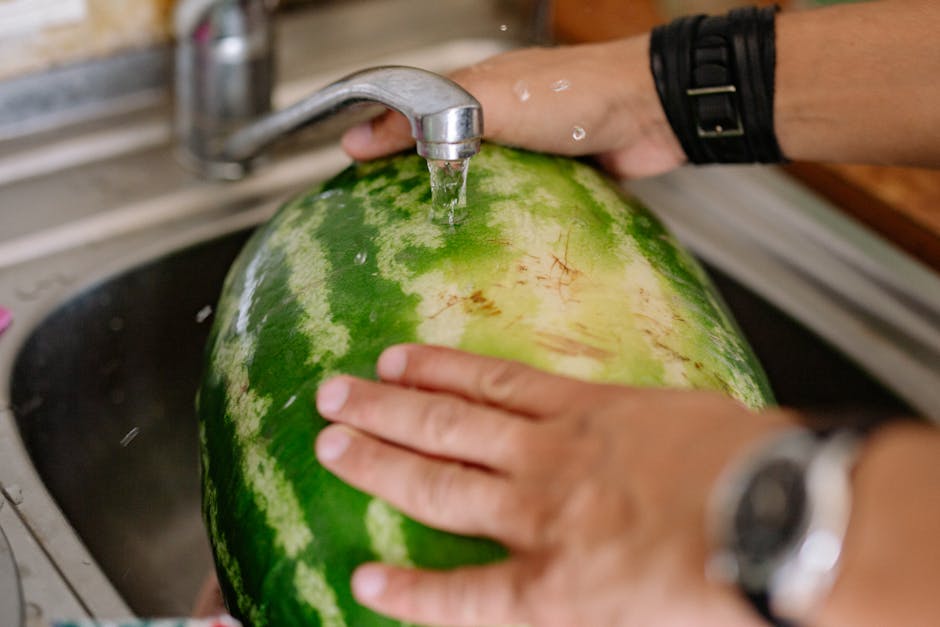
- Washing fruits and vegetables
- Cooking soups, grains, and pasta
- Brushing teeth
In some circumstances, inhalation of aerosols can also matter. For instance, certain building water system problems may contribute to respiratory exposure risks from organisms such as Legionella, although this is often treated as a broader building water management issue rather than a simple tap-water ingestion problem.
Testing and Detection
Testing is the practical basis of water safety management. Without sampling and analysis, households and authorities cannot know whether standards are being met. The approach differs between regulated public systems and private wells.
Public Water System Monitoring
Public suppliers are generally required to conduct routine monitoring for microbiological, chemical, and operational parameters. Typical monitoring may include:
- Total coliform and E. coli indicators
- Disinfectant residuals
- Turbidity
- Lead and copper at selected household taps
- Nitrate, arsenic, and other inorganic chemicals
- Volatile organic compounds and synthetic organic chemicals
- Disinfection byproducts
Sampling frequency depends on system size, source type, historical performance, and regulatory category. When a result exceeds an action level or maximum contaminant level, the supplier may be required to investigate, repeat testing, treat the problem, notify the public, or issue a boil-water advisory when microbial safety is uncertain.
Private Well Testing
Private well owners often carry the main responsibility for testing because many private supplies are not monitored by a public authority. Recommended testing usually includes:
- Annual testing for coliform bacteria and nitrates
- Periodic testing for arsenic, lead, fluoride, manganese, or region-specific contaminants
- Additional testing after flooding, repairs, land-use changes, or unusual taste, odor, or color changes
Private well users should consult local health departments or accredited laboratories to determine which contaminants are most relevant in their area.
Consumer-Level Indicators
Households may notice warning signs, although these are not always reliable. Possible indicators include:
- Cloudiness or visible particles
- Unusual color, staining, or sediment
- Metallic, sulfur-like, or chemical odors
- Bitter, salty, or otherwise unusual taste
- Corrosion on fixtures or blue-green staining
However, many dangerous contaminants have no obvious taste, smell, or appearance. Clear water can still fail safety standards. Home test kits can be useful for screening some parameters, but certified laboratory analysis is generally preferred for decisions involving health risk, legal compliance, or treatment design.
Interpreting Results
Testing data should be compared against recognized benchmarks. This is where drinking water safety for households safe limits becomes important. Safe limits vary by contaminant and by the governing standard used. Some limits are enforceable legal maximums, while others are nonbinding health-based guidelines. A result slightly below a regulatory limit does not always mean zero risk, but it generally indicates that the water meets the accepted public health standard for routine use.
Prevention and Treatment
Preventing contamination is usually more effective and less expensive than trying to correct it after it reaches the tap. Good water safety management combines source protection, system maintenance, treatment, and informed household practices.
Source and System Protection
- Protect watersheds and wellhead areas from sewage, runoff, and hazardous waste
- Maintain treatment plants and distribution networks properly
- Control corrosion to reduce lead and copper release
- Inspect and repair leaks that may allow contaminant intrusion
- Use cross-connection control and backflow prevention devices
- Manage storage tanks to prevent stagnation and contamination
Household Prevention Measures
- Flush taps after water has been sitting in pipes for long periods
- Use only cold water for drinking and cooking, especially in homes with older plumbing
- Clean faucet aerators periodically
- Replace filters according to manufacturer instructions
- Test private wells regularly
- Address plumbing corrosion and old service lines where possible
Treatment Options
No single treatment works for every contaminant. Selecting a device should be based on testing results and certified performance claims. Common treatment methods include:
- Boiling: effective for many microbes but not for lead, nitrates, or many chemicals
- Activated carbon: useful for improving taste, odor, chlorine, and some organic chemicals
- Reverse osmosis: effective for many dissolved contaminants, including some metals and nitrates
- Ultraviolet disinfection: targets microorganisms when water is clear and the unit is well maintained
- Ion exchange: used for hardness, nitrate, or specific metals depending on design
- Distillation: can remove a broad range of contaminants but may be slow and energy-intensive
It is important to match treatment to the problem. For example, boiling water during a microbial advisory helps inactivate pathogens, but boiling water with high nitrate levels can actually concentrate nitrates as water evaporates. Likewise, a basic pitcher filter may improve taste but may not reduce arsenic or microbial contamination to safe levels.
Maintenance and Follow-Up
Treatment devices must be maintained. Filters can clog, membranes can fail, UV lamps can lose intensity, and neglected systems may become contamination sources themselves. Any household treatment plan should include follow-up testing to confirm performance. Prevention and treatment therefore work best as part of a continuous monitoring and maintenance cycle.
Common Misconceptions
Misinformation about drinking water can lead households to underestimate risk or invest in ineffective solutions. Several misconceptions are especially common.
If Water Looks Clear, It Is Safe
This is false. Many dangerous contaminants are invisible. Bacteria, viruses, nitrates, lead, arsenic, and many industrial chemicals may not affect water appearance at all.
Bottled Water Is Always Safer Than Tap Water
Not necessarily. Bottled water is not automatically superior, and quality varies by source and handling. In many places, well-managed municipal tap water is highly regulated and carefully monitored. During a local contamination event, bottled water may be useful temporarily, but it is not a complete substitute for proper source protection and public system management.
Boiling Solves Every Water Problem
Boiling is helpful for many microbiological hazards, but it does not remove metals or many chemicals. In some cases, it can worsen concentration of certain dissolved contaminants.
Home Filters Remove Everything
No household filter removes all possible contaminants. Some are certified only for aesthetic improvements such as taste and odor. Others are designed for lead, cysts, or selected chemicals. Consumers should check independent certifications and product specifications rather than relying on general marketing claims.
Public Water Safety Means No Household Responsibility
Even with a regulated utility, households still play a role. Internal plumbing, service lines, and point-of-use devices can affect tap water quality. Residents should read annual water quality reports, follow advisories, and test when plumbing-related contamination is possible.
Regulations and Standards
The legal and technical framework for water quality is built from national regulations, public health guidance, and local enforcement mechanisms. This is the core of drinking water safety for households regulations. While exact requirements differ by country, most systems share common features: contaminant limits, monitoring obligations, treatment technique requirements, operator responsibilities, and public notification rules.
EPA Standards in the United States
In the United States, the Environmental Protection Agency establishes national drinking water standards primarily under the Safe Drinking Water Act. These standards apply to public water systems rather than most private wells. When people search for drinking water safety for households epa standards, they are usually referring to the EPA framework that defines enforceable limits and operating requirements.
Important EPA concepts include:
- Maximum Contaminant Levels (MCLs): enforceable limits for specific contaminants in public drinking water
- Maximum Contaminant Level Goals (MCLGs): non-enforceable health-based goals set at levels with no known or expected health risk
- Treatment Techniques (TTs): required treatment processes used when direct contaminant measurement is not sufficient or practical
- Action Levels: trigger points for contaminants such as lead and copper that require system actions when exceeded
- Public Notification Requirements: rules for informing consumers about violations or acute risks
- Consumer Confidence Reports: annual reports that public water systems provide to customers summarizing water quality information
EPA standards cover microbiological contaminants, disinfectants, disinfection byproducts, inorganic chemicals, organic chemicals, and radionuclides. States generally implement and enforce these rules if they have primary authority, often called primacy, but they must meet or exceed federal requirements.
WHO Guidelines
The World Health Organization does not usually act as a direct regulator for individual countries. Instead, it provides internationally recognized health-based guidance that many governments use when developing national policies. Searches for drinking water safety for households who guidelines usually refer to these guideline values and risk-management principles.
WHO guidance emphasizes:
- Health-based targets for contaminants
- Preventive risk management from source to consumer
- Water Safety Plans as a systematic management approach
- Surveillance and verification monitoring
- Adaptation to local conditions, resources, and hazards
The WHO framework is especially influential in global public health because it supports countries with varying technical and economic capacities. Rather than relying only on end-product testing, WHO promotes ongoing control of hazards throughout the entire water supply chain.
Safe Limits and How They Are Set
The phrase drinking water safety for households safe limits refers to the numerical thresholds used to judge whether water is acceptable. These limits are developed through scientific review and policy judgment. Regulators typically consider:
- Toxicological and epidemiological evidence
- Exposure pathways and average consumption patterns
- Sensitive populations such as infants and pregnant women
- Analytical detection capability
- Treatment feasibility and cost
- Balancing ideal health goals with practical enforceability
For some contaminants, the enforceable legal limit may differ from the ideal health goal because elimination to zero may not be technically or economically feasible across all systems. This distinction is especially important when reading water quality reports.
Compliance and Enforcement
Drinking water safety for households compliance means meeting the applicable requirements for monitoring, treatment, reporting, and contaminant limits. For public systems, compliance is typically demonstrated through documented sampling, validated lab results, operational records, and timely corrective actions. Regulators may issue violations, fines, mandatory treatment upgrades, or other enforcement measures when systems fail to comply.
Compliance is not only about passing a single water test. It includes the broader management system:
- Using approved treatment processes
- Maintaining qualified operators
- Collecting samples at required locations and intervals
- Keeping accurate records
- Responding quickly to exceedances and incidents
- Notifying the public when required
For households using private wells, formal regulatory compliance may be limited or absent, but practical compliance with health recommendations is still crucial. In this context, homeowners should voluntarily follow local testing recommendations, maintain wells correctly, and act promptly when contamination is suspected.
Water Rules at the Local Level
Many people looking for drinking water safety for households water rules are trying to understand which rules actually affect their homes. In practice, water rules often exist at multiple levels:
- National rules: broad legal standards and contaminant limits
- State or provincial rules: implementation details, enforcement, and sometimes stricter limits
- Local health or utility rules: well construction requirements, cross-connection rules, boil-water procedures, plumbing code provisions, and emergency response measures
- Building and plumbing codes: rules that help prevent contamination within structures
Households should therefore consult more than one source when evaluating obligations and risks. A local health department, utility report, and accredited laboratory can often provide the most practical guidance for a specific location.
Why Standards Change Over Time
Water regulations are not static. Standards may tighten or expand as new scientific evidence emerges, analytical methods improve, and public health priorities shift. Emerging contaminants, climate pressures, aging infrastructure, and updated understanding of low-dose exposure can all lead to revisions. This is a sign of active public health protection rather than regulatory instability.
For households, this means that staying informed matters. Reading utility notices, reviewing annual reports, and following updates from health authorities can help residents understand both current safety status and future changes in treatment or monitoring programs.
Conclusion
Household drinking water safety depends on a chain of protection that begins at the source and ends at the tap. Contaminants may originate from microbes, chemicals, failing infrastructure, land use, or indoor plumbing. Their health impacts can be immediate or long-term, and many are impossible to detect without proper testing. That is why clear rules, routine monitoring, effective treatment, and public communication are essential.
Understanding drinking water safety for households regulations helps residents make better decisions about their own exposure, whether they receive water from a public utility or a private well. EPA standards in the United States provide enforceable protections for public systems, while WHO guidance offers an internationally respected framework for health-based water management. Together with state, local, and building-level water rules, these systems define how safe limits are set, how compliance is measured, and what actions are required when water quality falls short.
For households, the most practical steps are to stay informed, read local water reports, test private sources regularly, maintain plumbing and filters, and respond promptly to advisories or unusual changes in water quality. Safe water is not a matter of assumption; it is a matter of science, oversight, and consistent preventive action.



Read the full guide: Drinking Water Safety Guide
Explore more in this category: Drinking Water Safety Articles